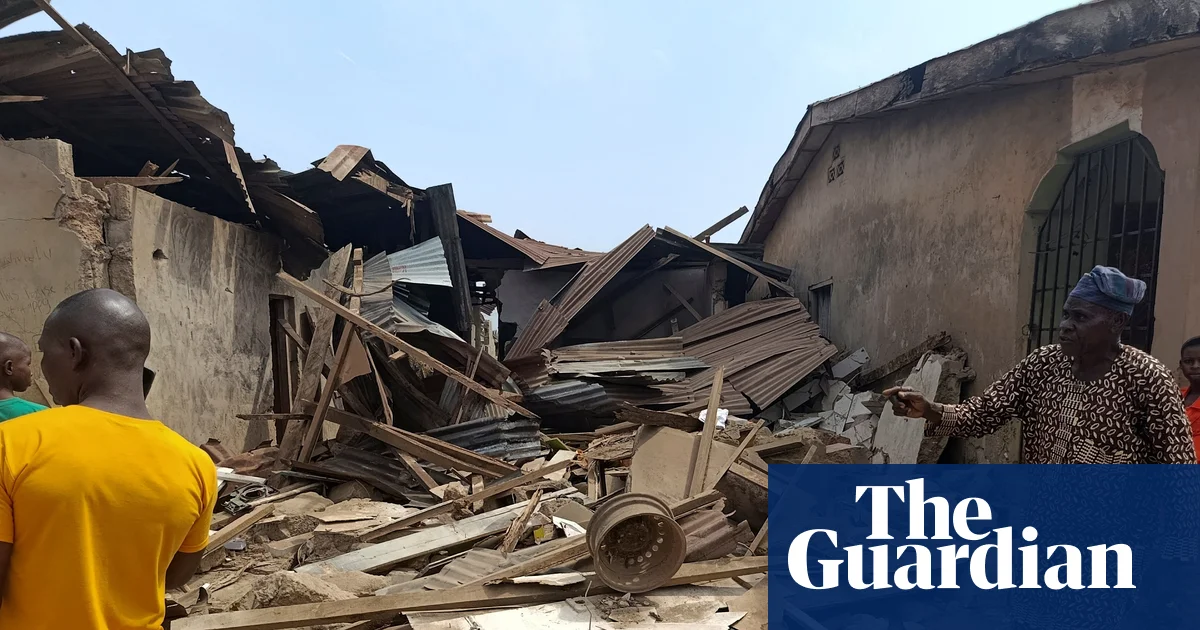
Two weeks after US airstrikes in northwest Nigeria targeting the group Lakurawa, questions remain about the operation's impact and the specific group targeted, with limited information on casualties and motives, raising concerns about the effectiveness and transparency of such military actions.
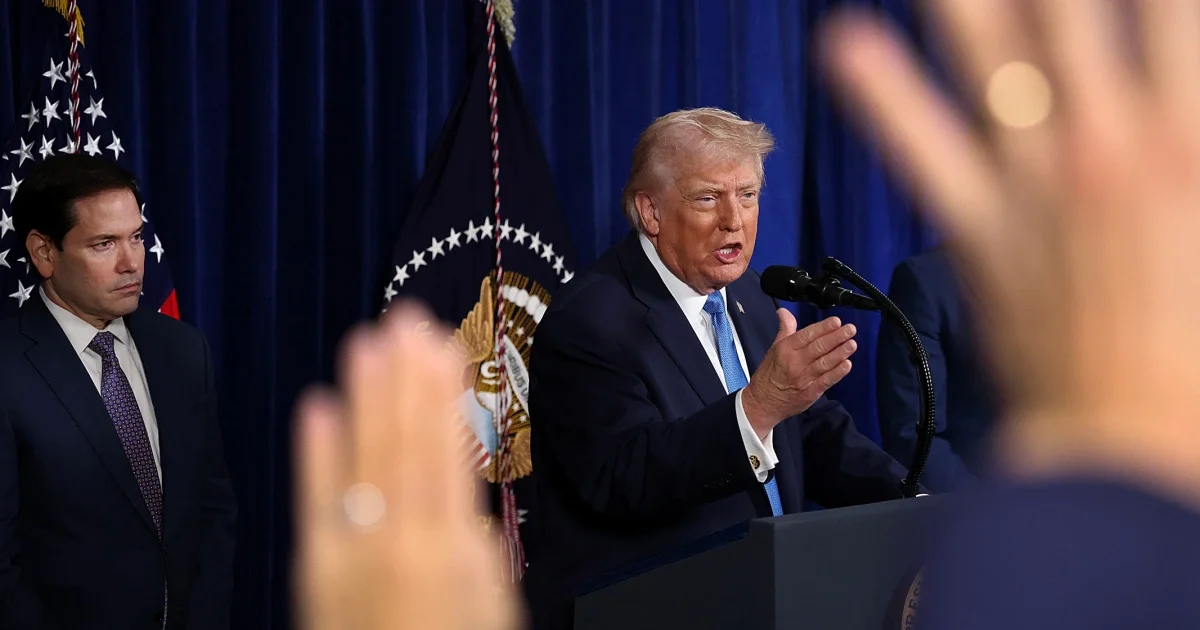
The article reports on President Trump's aggressive military actions and threats against multiple countries including Venezuela, Cuba, Colombia, Mexico, Greenland, and Iran, highlighting a shift from his campaign promises of ending wars to a more interventionist foreign policy, with potential for further conflicts and territorial ambitions.
European leaders and Greenland's officials strongly oppose US threats of military action and potential annexation by Donald Trump, emphasizing Greenland's sovereignty and the importance of collective security in the Arctic region, amid rising US interest in the territory.
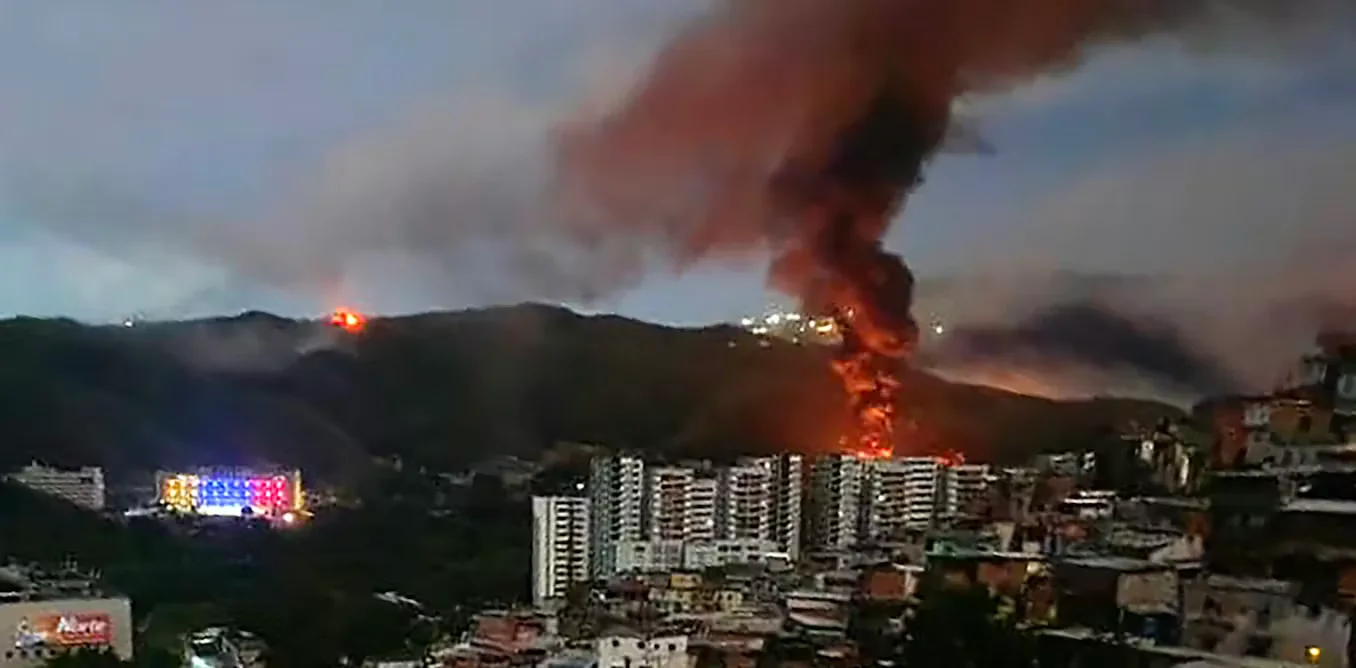
The article discusses the recent US military operation in Caracas, which marks the realization of long-standing Venezuelan fears of US invasion, highlighting the historical context of US-Venezuela relations, political rhetoric, and the surreal nature of the event amid ongoing tensions.
U.S. President Donald Trump threatened Colombia's Petro and suggested Cuba might fall soon, amid recent U.S. actions in Latin America including the seizure of Maduro in Venezuela, signaling potential increased military intervention and a push to assert U.S. dominance in the region, while Latin American leaders call for regional unity and condemn unilateral U.S. actions.
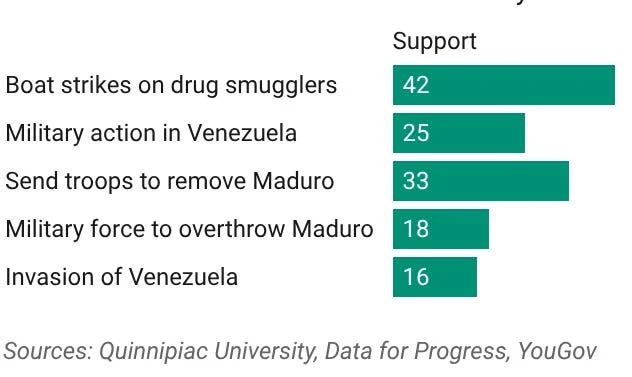
President Trump announced the capture of Venezuelan President Nicolás Maduro and plans to manage Venezuela until a new regime is established, but faced widespread opposition from the American public, with polls showing strong disapproval of military intervention. The move bypassed congressional approval and was met with resistance from Venezuela's new leadership, highlighting the unpopularity of U.S. military actions in Venezuela and raising concerns about democratic legitimacy and future political repercussions.
President Trump has shifted towards a more interventionist foreign policy, exemplified by the recent U.S. military operation to capture Venezuelan President Nicolás Maduro, signaling a departure from his previous 'America First' stance and emphasizing threats of regime change and military action in foreign countries.
The article discusses the ongoing struggle between Congress and the President over war powers, highlighting recent U.S. military actions in Venezuela and the limited effectiveness of legislative efforts like the War Powers Resolution to restrain presidential military actions, emphasizing that this issue transcends party lines and reflects a broader institutional challenge.
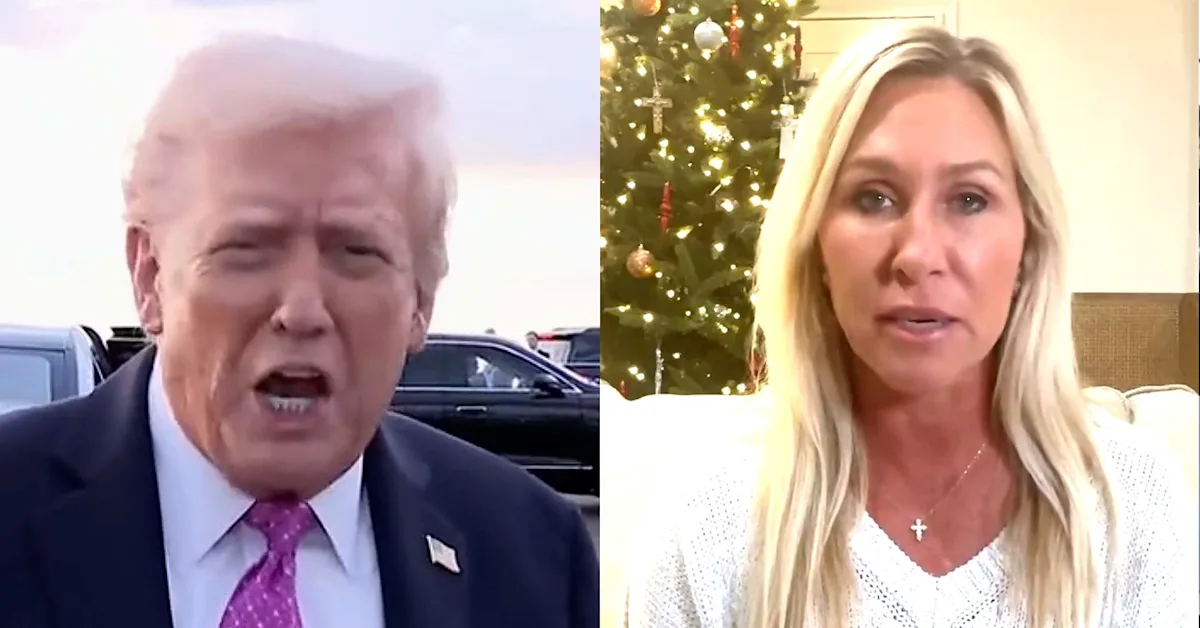
Rep. Marjorie Taylor Greene criticized Trump's decision to strike Venezuela, arguing it contradicts MAGA's original anti-war stance and highlighting concerns over U.S. foreign interventions, oil control, and the impact on American taxpayers.
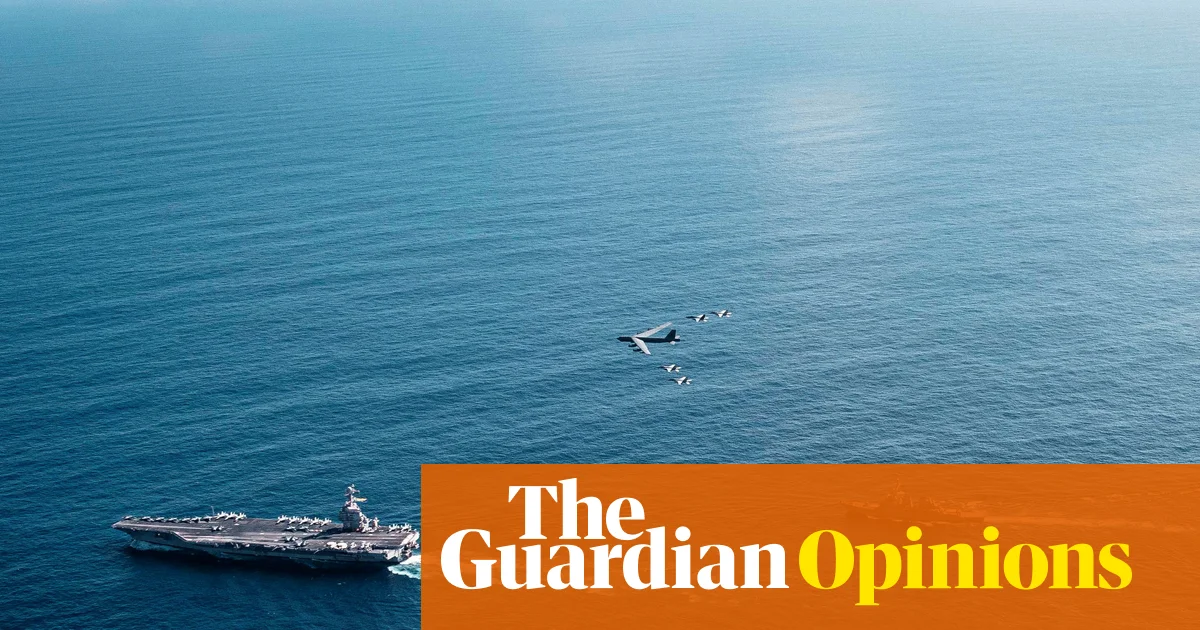
The article criticizes Donald Trump's aggressive reassertion of US dominance in the Western Hemisphere, reminiscent of the Monroe Doctrine, through threats, military posturing, and interference, which risks destabilizing the region and provoking backlash, while also highlighting the complex geopolitical tensions with China and Russia.
The article criticizes President Trump's aggressive military actions and rhetoric towards Venezuela and other Latin American countries, comparing it to past US imperialist policies like gunboat diplomacy, and warns that such approaches could lead to instability and damage US regional relations.
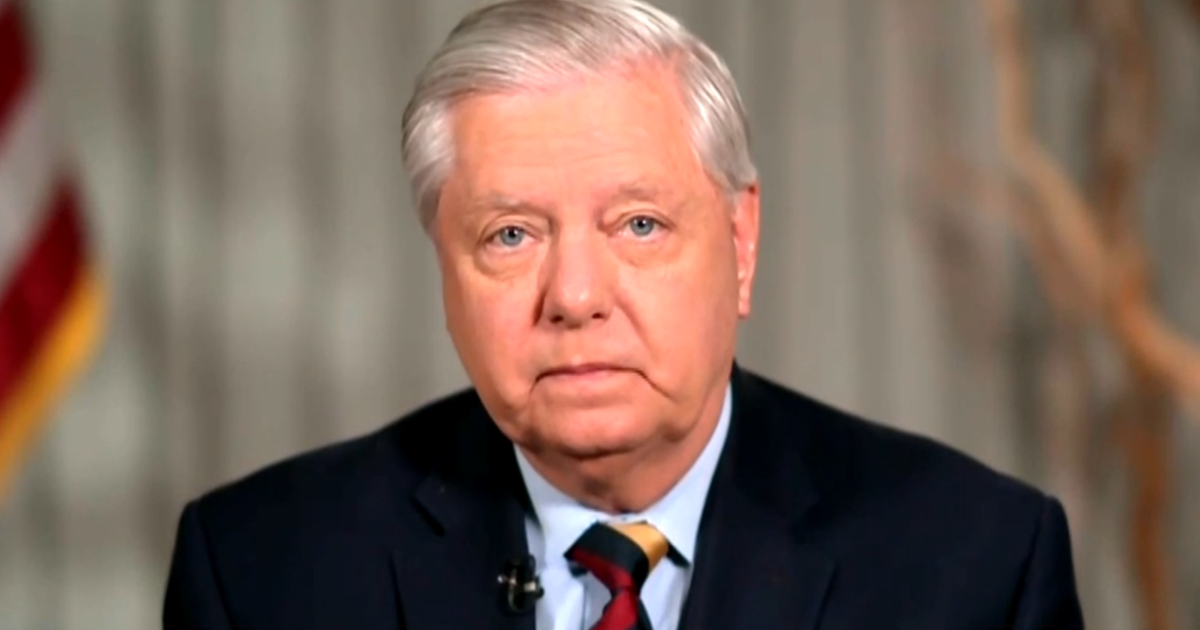
Senator Lindsey Graham discusses the potential U.S. military actions against Venezuela and Colombia to combat drug trafficking, emphasizing the authority of the President to use force without a formal declaration of war, and defending the legality and necessity of such operations to protect American safety.
The article criticizes Trump's recent aggressive actions in Latin America, including bombings and covert operations, as part of a long history of U.S. intervention and dominance in the region, highlighting concerns about legality, morality, and the impact on democracy.
A bipartisan group of U.S. Senators is pushing for a vote to prohibit military actions in Venezuela without congressional approval, aiming to limit President Trump's escalating military campaign, though the measure faces significant opposition and a likely veto.
The article reviews 18 instances from 1877 to 2021 when the Illinois National Guard was activated in Chicago, highlighting notable events such as strikes, riots, protests, and responses to violence, including the unprecedented potential federalization of troops by President Trump. It details historical moments like the 1877 railway strike, 1919 race riots, 1960s civil unrest, and recent pandemic and protest responses, illustrating the Guard's evolving role in maintaining order in Chicago.