The FDA’s review concludes there is scant evidence that a generic drug provides meaningful benefit for autism, raising doubts about its efficacy and underscoring the need for more rigorous research.
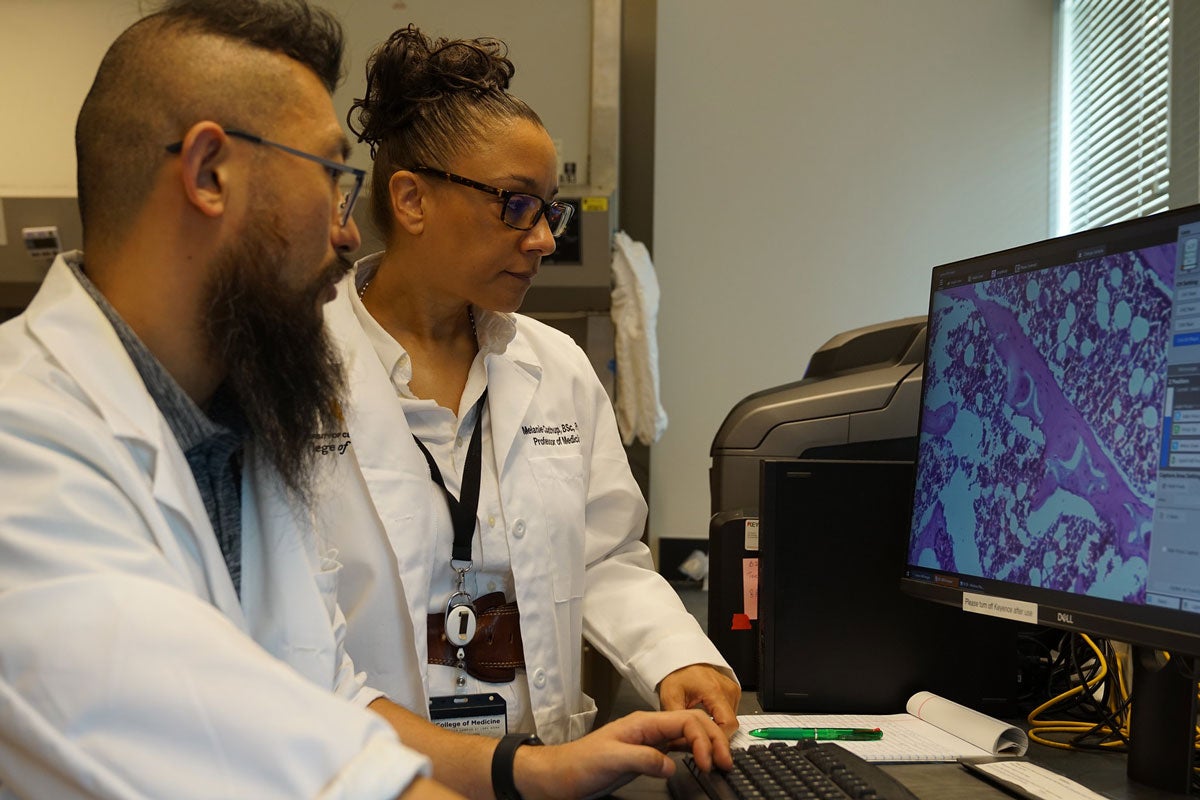
A new drug, P7C3, originally studied for neurological diseases, has shown promise in preventing menopause-related bone loss and weight gain. The drug protected bones in models with low estrogen, reduced inflammation, and prevented over-activity of bone-absorbing cells. It also prevented weight gain and increased beneficial gut bacteria activity. Additionally, P7C3 has shown potential in protecting bones from radiation therapy damage and inhibiting certain cancer cell growth. Future studies will explore its potential for treating osteoporosis and long-term effects.
Researchers have identified five biological variants of Alzheimer’s disease through cerebrospinal fluid analysis, shedding new light on the complexity of the condition. These variants differ in amyloid production, blood-brain barrier integrity, nerve cell growth, protein synthesis, and immune system functioning. This breakthrough highlights the importance of personalized medicine in Alzheimer’s treatment, as a drug that works for one variant may be ineffective or even harmful for another. The study paves the way for targeted therapies tailored to specific Alzheimer’s variants, potentially improving treatment outcomes.
Scientists in Brazil are developing a vaccine called Calixcoca, which triggers an immune response that blocks cocaine from reaching the brain's reward center, preventing users from getting high. The vaccine, made with chemical compounds, has shown promising results in animal trials and is set to begin human testing. If successful, it could revolutionize addiction treatment. Brazil, the world's second-largest consumer of cocaine, hopes to reshape addiction treatment with this groundbreaking research.
Researchers have successfully used machine learning to accurately predict subtypes of Parkinson's disease using stem cell images. By classifying four distinct subtypes with high accuracy, this breakthrough could revolutionize personalized medicine and aid in targeted drug research for Parkinson's. The most predictive features for subtype classification were the mitochondria and lysosomes in the cells, highlighting their involvement in the development of the disease. This approach has the potential to enable tailored treatments based on specific subtypes, providing a more effective and precise approach to managing Parkinson's disease.