
Tag

Didymos

All articles tagged with #didymos

science2 years ago

NASA Discovers Asteroid Shooting Rocks and Reveals Formation of Battered Space Rock.

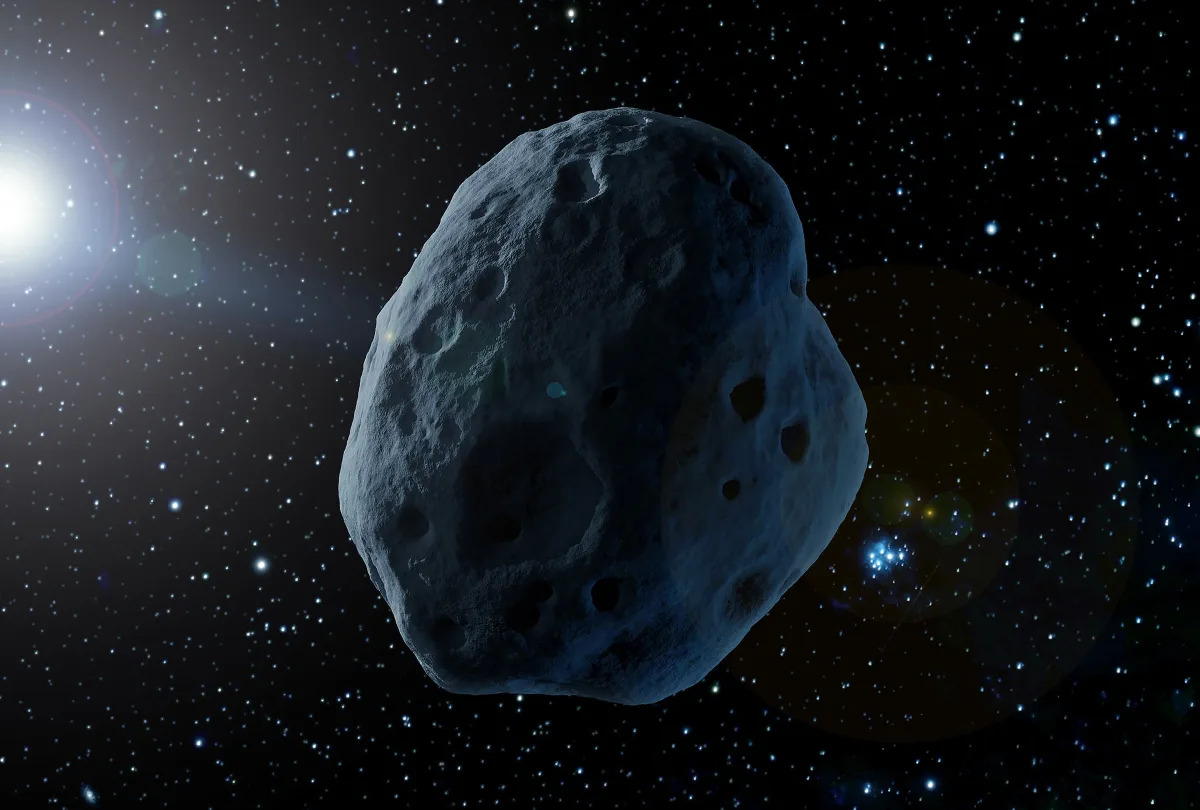
NASA has discovered that the asteroid Didymos, parent of the asteroid Dimorphos, may be capable of releasing a stream of rubble into space around it due to its fast rotation. This discovery challenges the notion that asteroids are completely solid objects and could lead to new revelations about the dynamic nature of these celestial objects. The study on this discovery can be found in the journal Science Direct.
space2 years ago

NASA's Discoveries: Asteroids Shooting Rocks and Forming Space Rocks

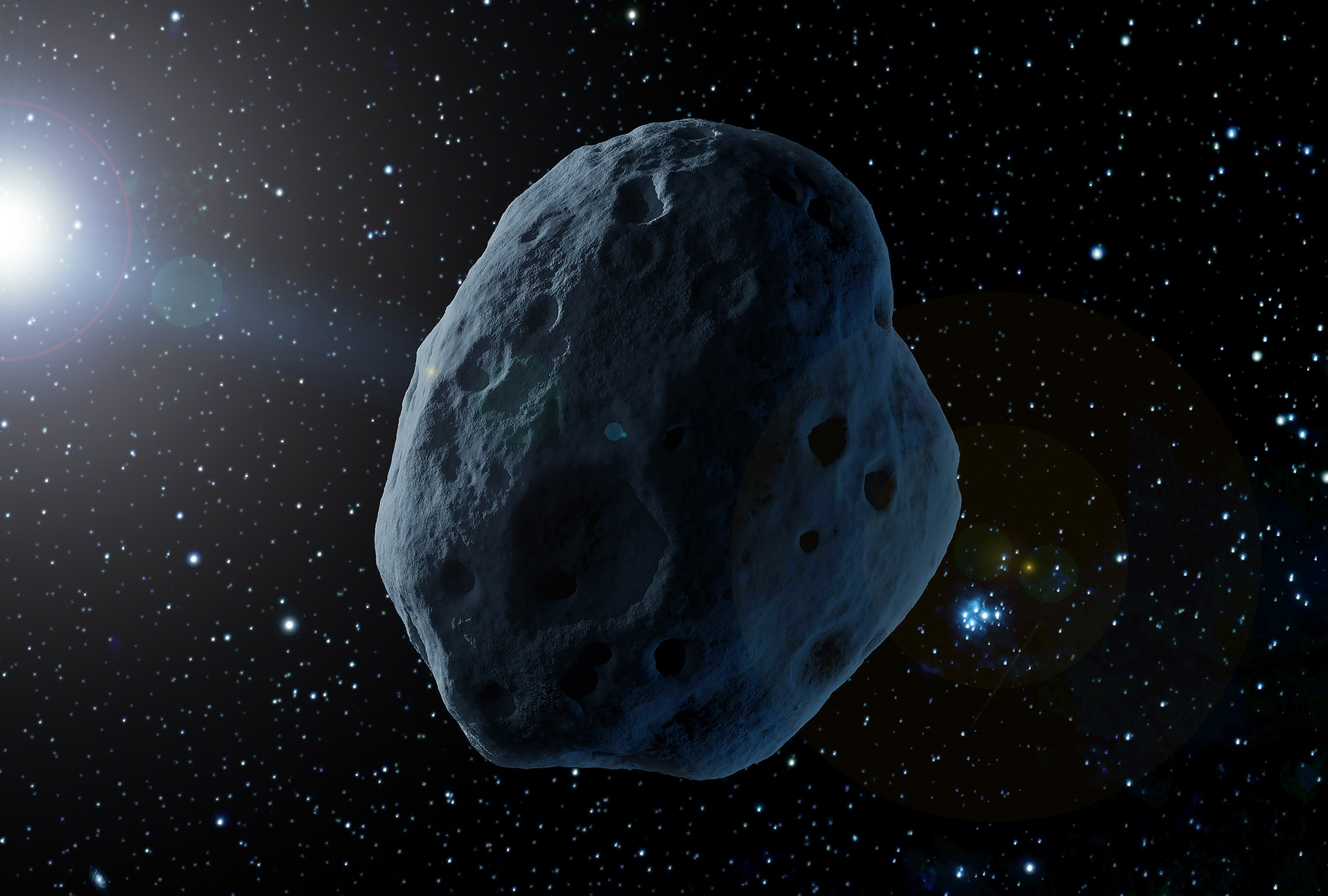
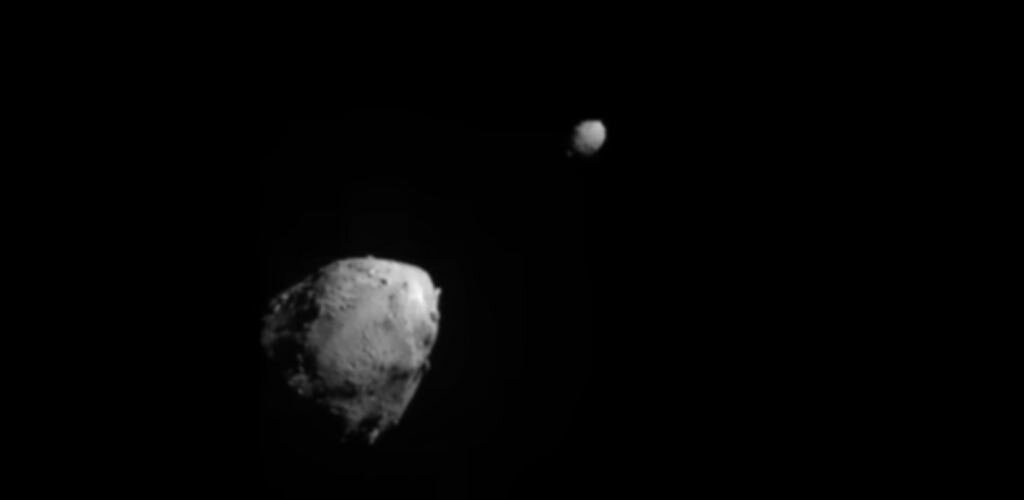
NASA has discovered that the asteroid Didymos, parent to the asteroid Dimorphos, may be capable of releasing a stream of rocks into space with every rotation. This discovery challenges the notion that asteroids are completely solid objects and could lead to new revelations about the dynamic nature of these celestial objects. The study on this discovery can be found in the journal Science Direct.

space2 years ago

Didymos asteroid ejecting rocks into space due to rapid spin.

The asteroid Didymos, which is being studied for NASA's DART and the European Space Agency's Hera mission, has been found to be spinning very quickly, completing one full rotation every 2 hours and 16 minutes. This causes rocks and dust to lift off the surface and move into orbit, making Didymos a spinning asteroid that is spewing out constant materials in its vicinity and beyond. The elements ejected by Didymos either reach orbit or are deposited onto its moon Dimorphos, and some may even escape the system.

astronomy2 years ago

Rocks Detaching from Didymos' Equator Due to Rapid Spin

Asteroid Didymos is spinning so quickly that rocks and dust are lifting off its surface and going into orbit, with some particles even escaping the system. This phenomenon is due to the YORP effect, in which the sun heats different parts of an asteroid to different temperatures, producing thrust that builds over time. The DART mission has gathered new information about the dynamics of Didymos, which is an asteroid "on the edge of stability," completing one full rotation every 2 hours and 16 minutes. The Hera mission will corroborate these findings when it arrives in 2027.