ModRetro, founded by Oculus co-founder Palmer Luckey, has released a limited-edition retro handheld made from the same metal as Anduril's attack drones, priced at $349.99, sparking criticism for its militaristic associations and perceived fetishization of military technology in the gaming community.
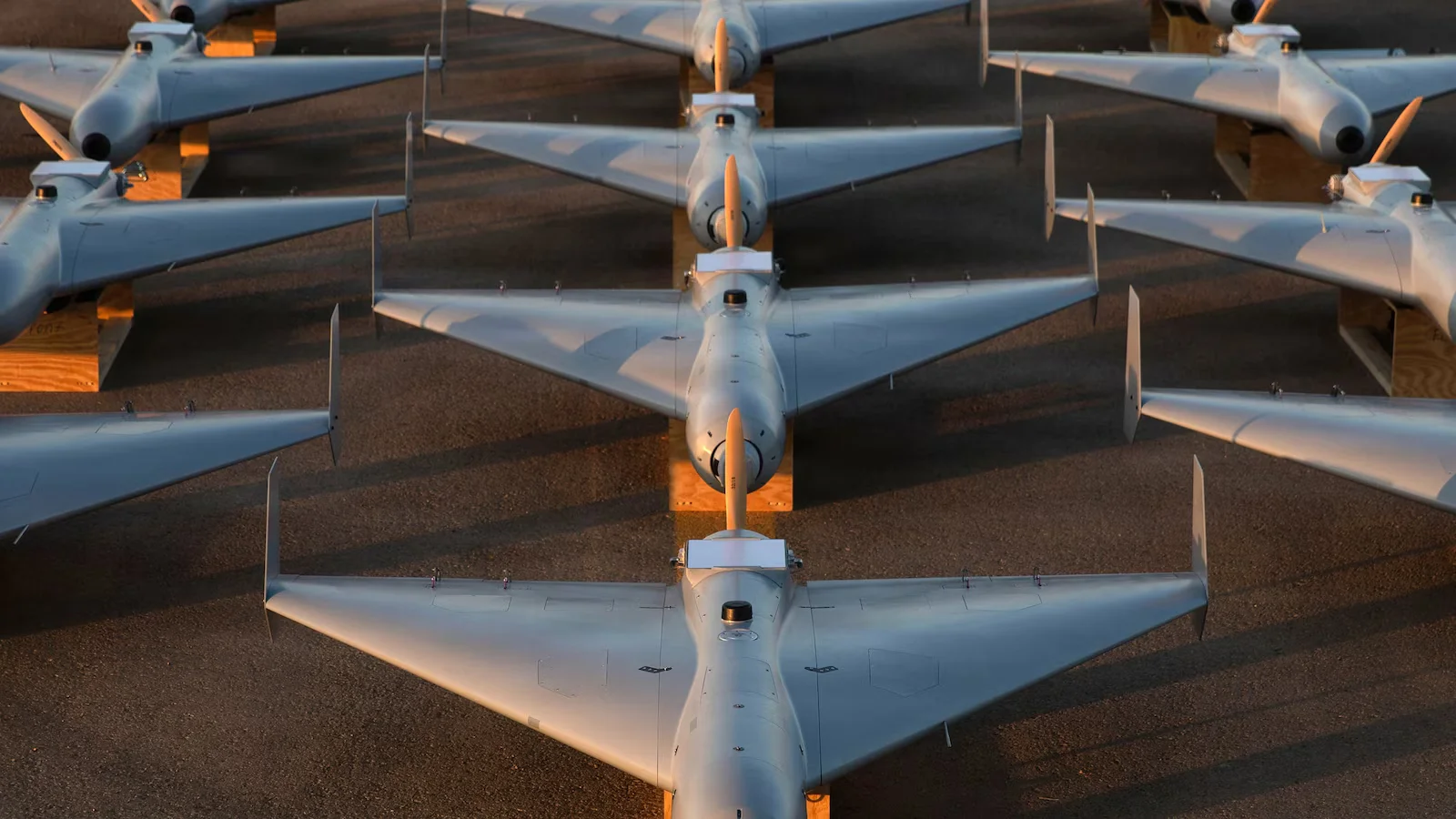
The US has deployed its first squadron of low-cost, one-way attack drones in the Middle East, based on reverse-engineered Iranian Shahed drones, to enhance deterrence and military effectiveness at a lower cost, with the deployment driven by innovation and recent regional conflicts.
Former Google CEO Eric Schmidt has been secretly developing a military startup called White Stork, focused on creating "suicide" attack drones using artificial intelligence for visual targeting and functioning in GPS jamming environments. Schmidt, a vocal proponent of drones as a means of combating Russian forces in Ukraine, has been meeting with top Ukrainian leaders and investing in defense tech companies in the country. The project, shrouded in secrecy and operating under a network of LLCs, has become an open secret in the drone community, with Schmidt's involvement as the sole beneficial owner of the holding company for White Stork.
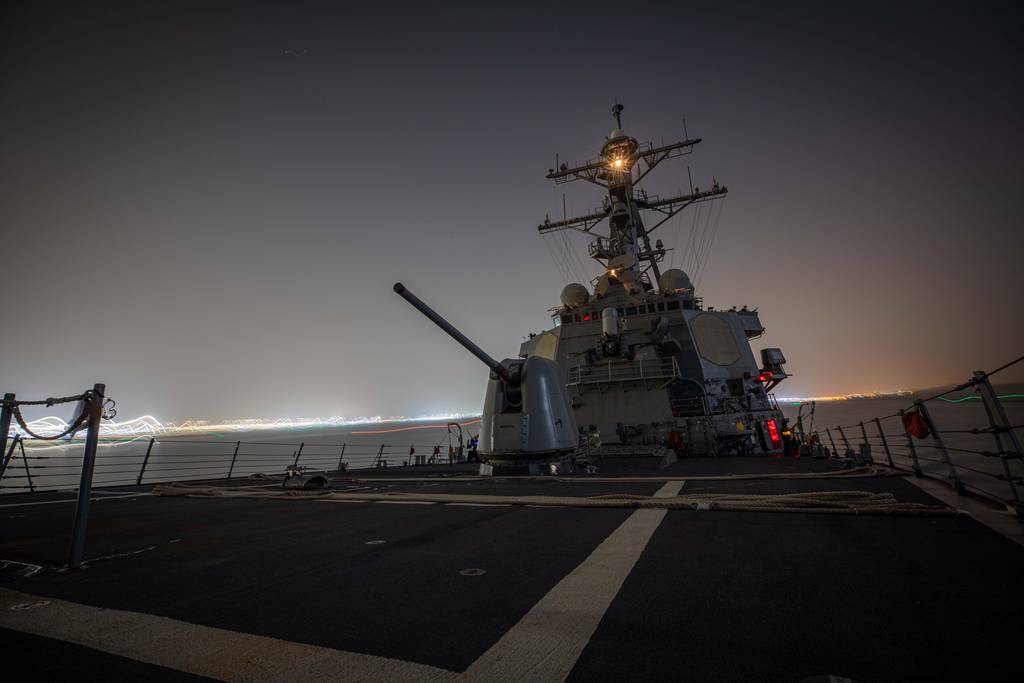
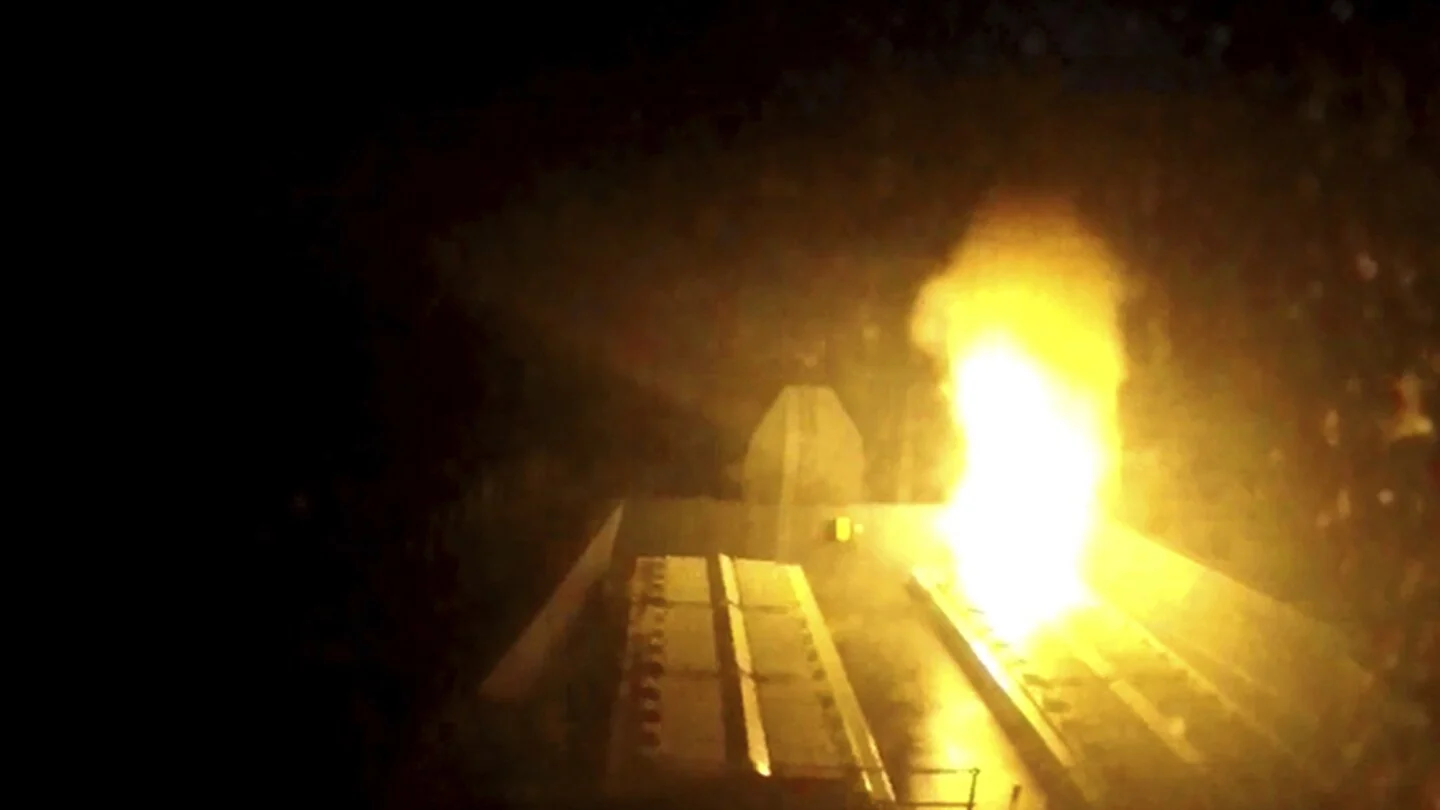
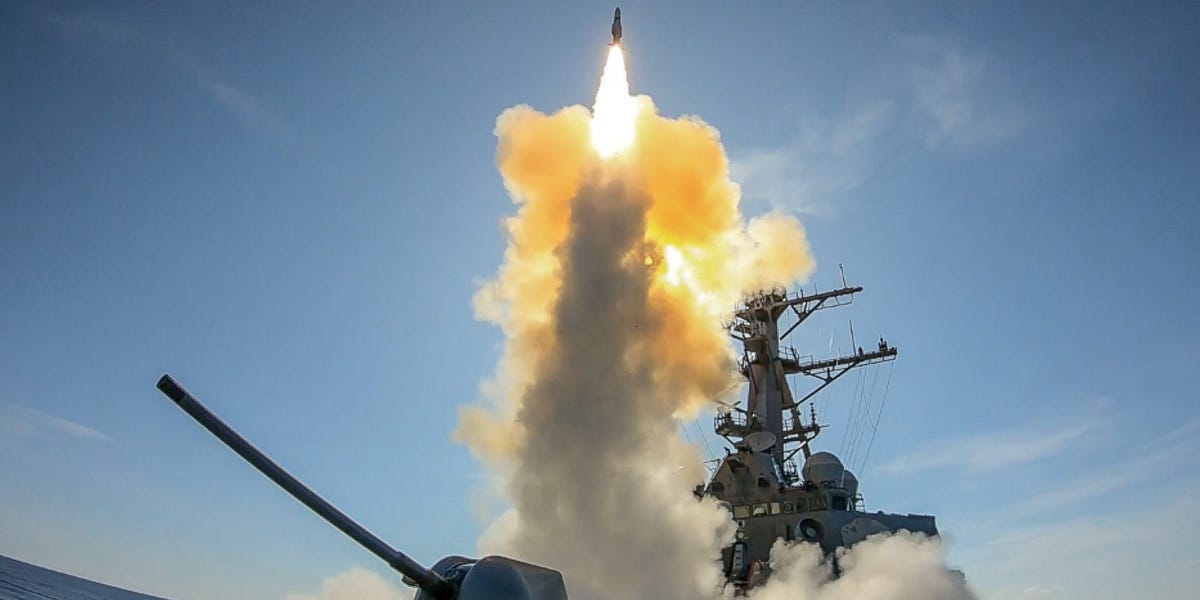
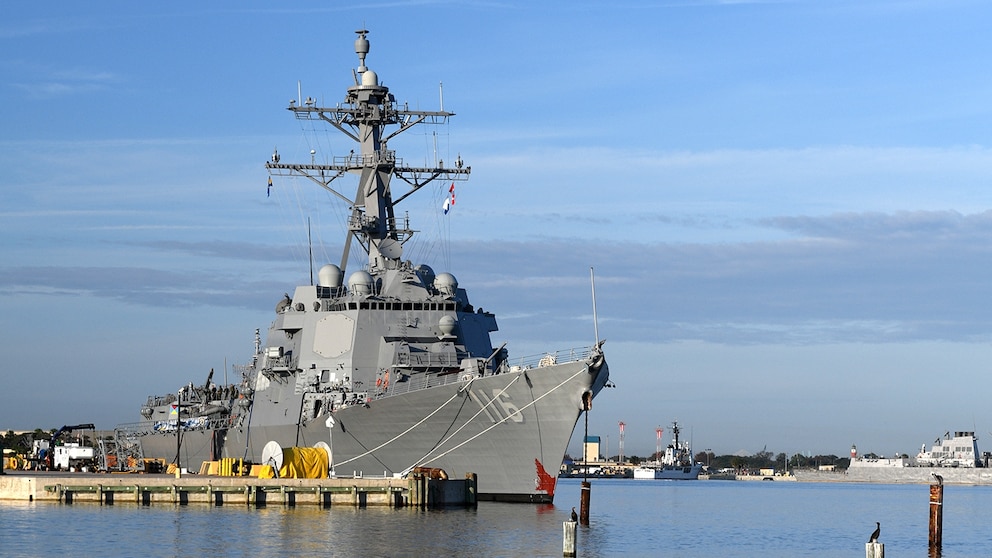
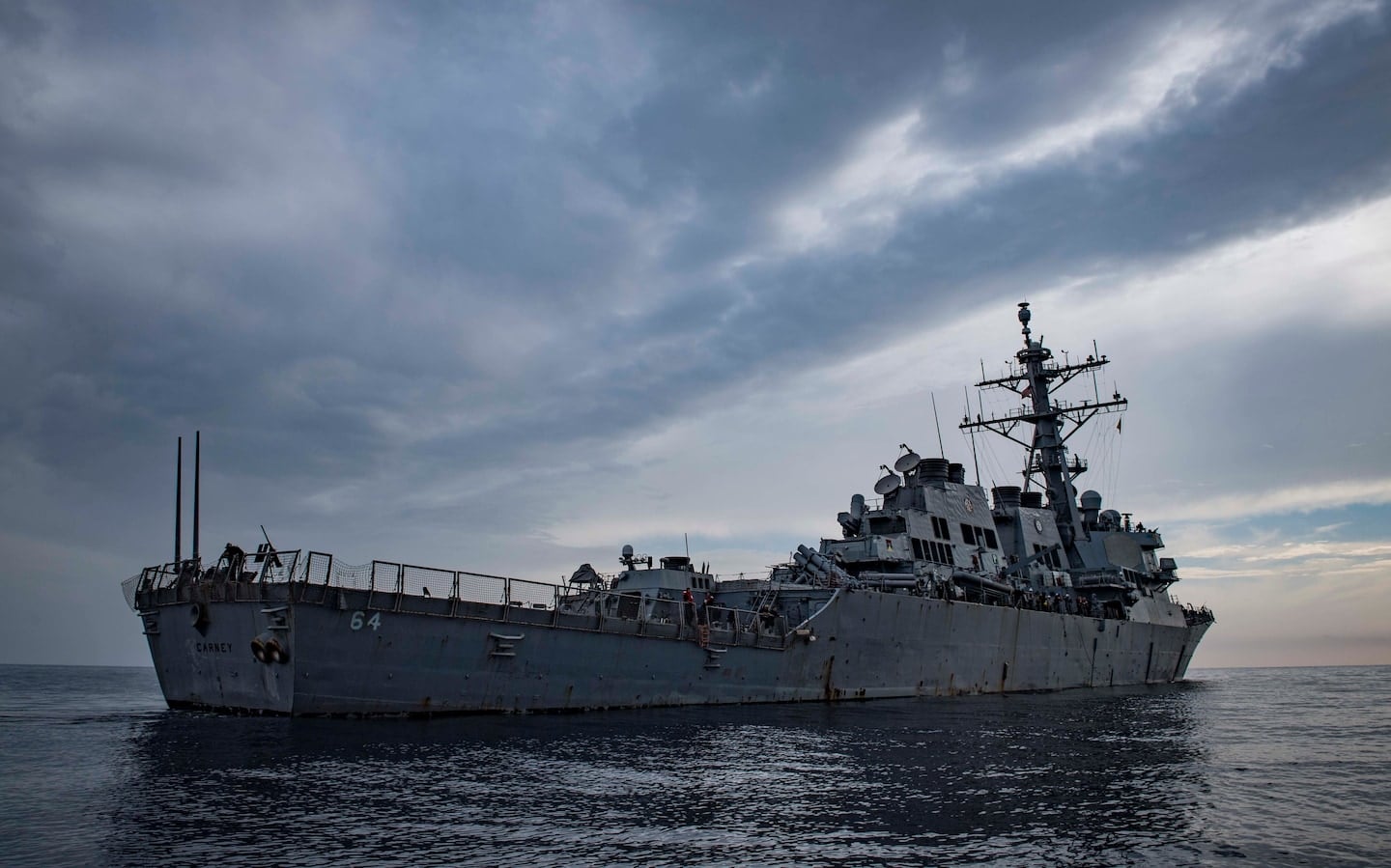
The USS Carney, a Navy destroyer, successfully shot down 14 attack drones in the Red Sea, believed to have been launched from Houthi-controlled areas of Yemen. This incident is the latest in a series of drone barrages intercepted by American warships in the region. While it is unclear if the Carney was the intended target, the drones were shot down in self-defense. Commercial ships in the area continue to be targeted by Iran-backed Houthi rebels, posing a significant risk to international shipping.
US and UK warships intercepted and shot down a total of 15 attack drones launched by Houthi rebels in Yemen over the Red Sea, with no reported damage or injuries. The drones were targeting commercial ships, posing a direct threat to international commerce and maritime security. The UK Defense Secretary emphasized the commitment to protect the free flow of global trade, as attacks on commercial ships have increased during the Israel-Hamas conflict.
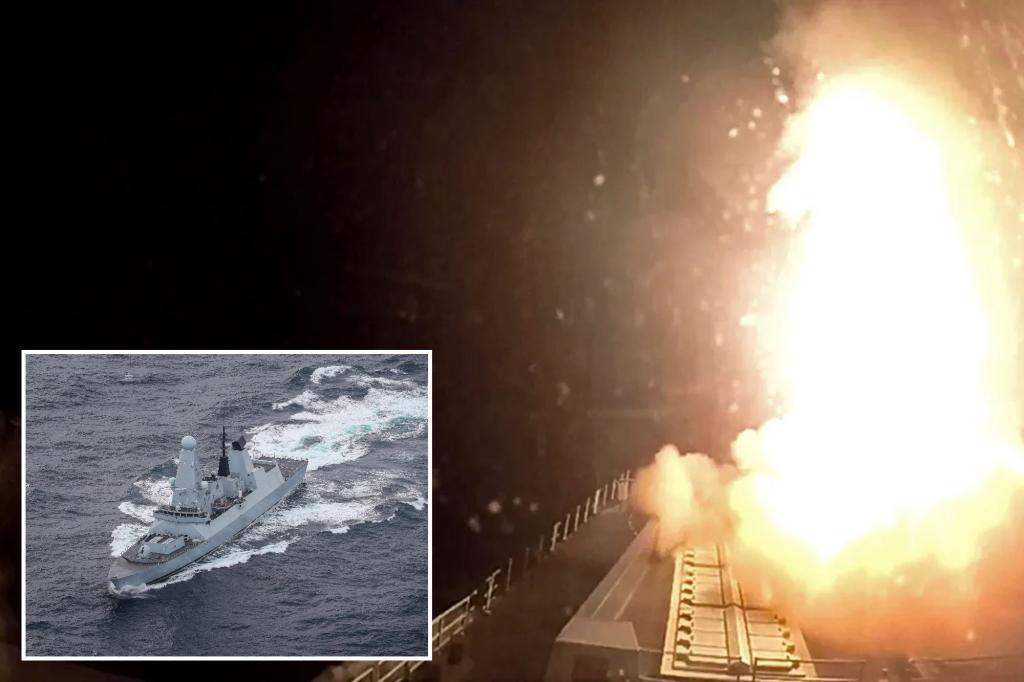
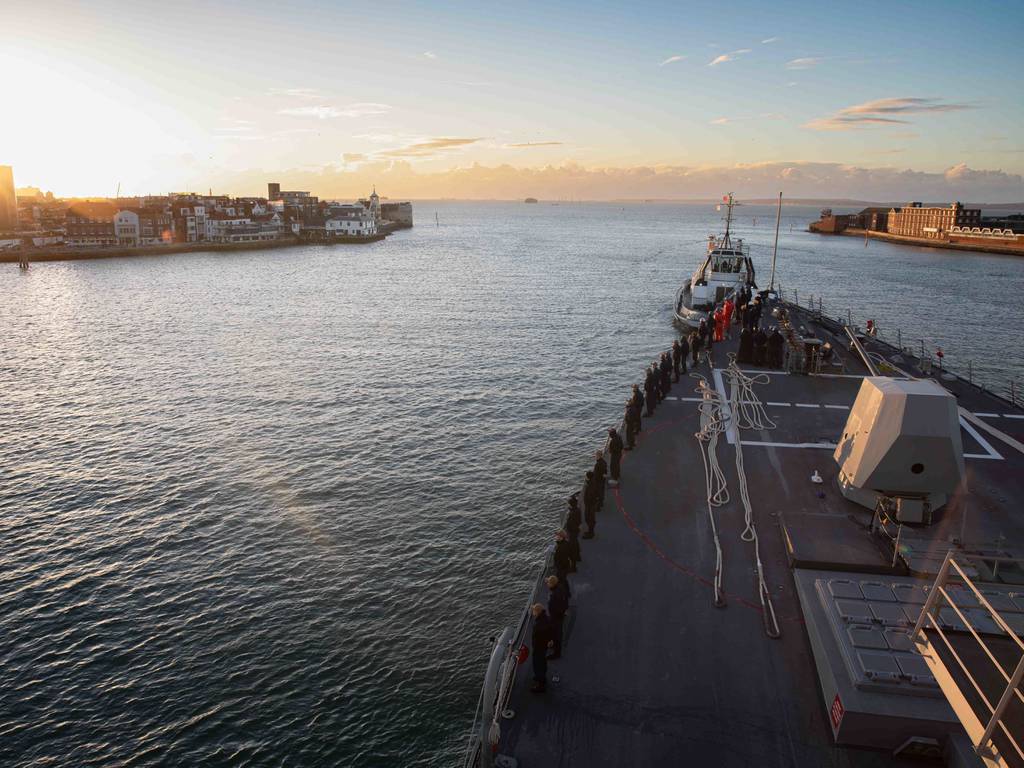
The US and British navies have successfully shot down a total of 15 attack drones over the Red Sea, with the US destroyer USS Carney engaging and destroying 14 drones launched by Houthi rebels in Yemen, and the Royal Navy destroyer HMS Diamond intercepting and destroying another drone targeting commercial ships. The attacks on commercial ships in the Red Sea by Houthi rebels pose a direct threat to international commerce and maritime security, and the US and UK remain committed to protecting the free flow of global trade.
Naval warfare experts believe that US Navy warships, including aircraft carriers and carrier strike groups, have the capabilities to successfully defend against the threat posed by exploding one-way attack drones used by Iran and its proxies in the Middle East. These warships are equipped with advanced radars, close-in weapons systems, surface-to-air missiles, and other sophisticated armaments. While the rise in the use of one-way attack drones is changing the operating environment, experts argue that the US Navy's air defense capabilities are strong and can handle the challenge. The coordination and sophistication required for a successful attack on moving targets like warships make it a manageable threat.
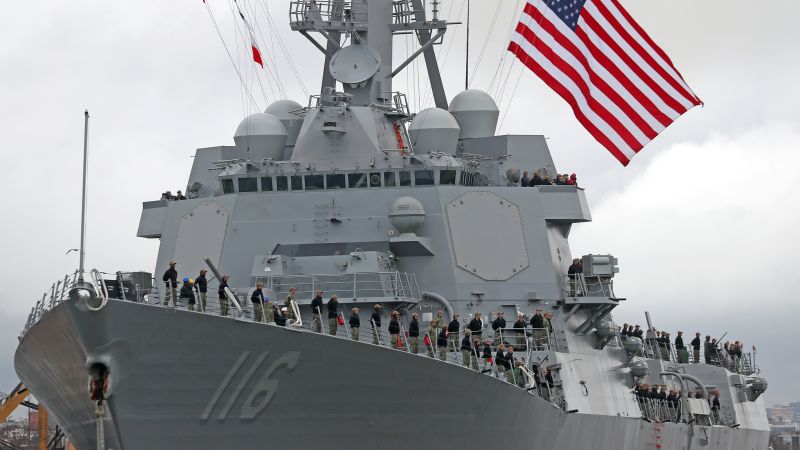
The Navy destroyer USS Thomas Hudner intercepted and shot down multiple attack drones launched by Iran-backed Houthi rebels in Yemen while operating in the Red Sea. This is the second time in eight days that the warship has intercepted such drones. The ship and crew sustained no damage or injuries during the incident.
The US Navy destroyer USS Hudner has successfully shot down multiple attack drones over the Red Sea that were launched from Houthi-controlled areas in Yemen. This comes just a week after the same ship intercepted another drone heading towards it. While the Pentagon believes the drones were not targeting the ship directly, they pose a concern as they may have been intended for Israel. The US military has not yet attributed responsibility for the recent drone attacks, but previously blamed the Houthis for shooting down an American drone earlier this month.
A US warship, the USS Thomas Hudner, shot down multiple attack drones launched from Houthi-controlled areas in Yemen over the Red Sea. No damage or injuries were reported. Tensions have escalated in the region since the Israel-Hamas war began, with the Houthi rebels claiming to have fired missiles and drones towards Israel. The Houthis also recently hijacked the Galaxy Leader cargo ship in the Red Sea, prompting the United States to demand the immediate release of the ship and its crew.
U.S. forces in the Middle East have faced multiple drone attacks in Iraq and Syria, as well as intercepted missiles launched by militants in Yemen. The attacks, which targeted U.S. military positions, have resulted in minor injuries to coalition personnel. The incidents raise concerns about escalating hostility towards U.S. troops in the region amid the ongoing Israel-Hamas conflict. While Iranian-backed groups have called for targeting Israel's allies, including the United States, there is currently no direct evidence linking Tehran to the recent attacks. The U.S. has deployed additional ships and troops to the region in response.
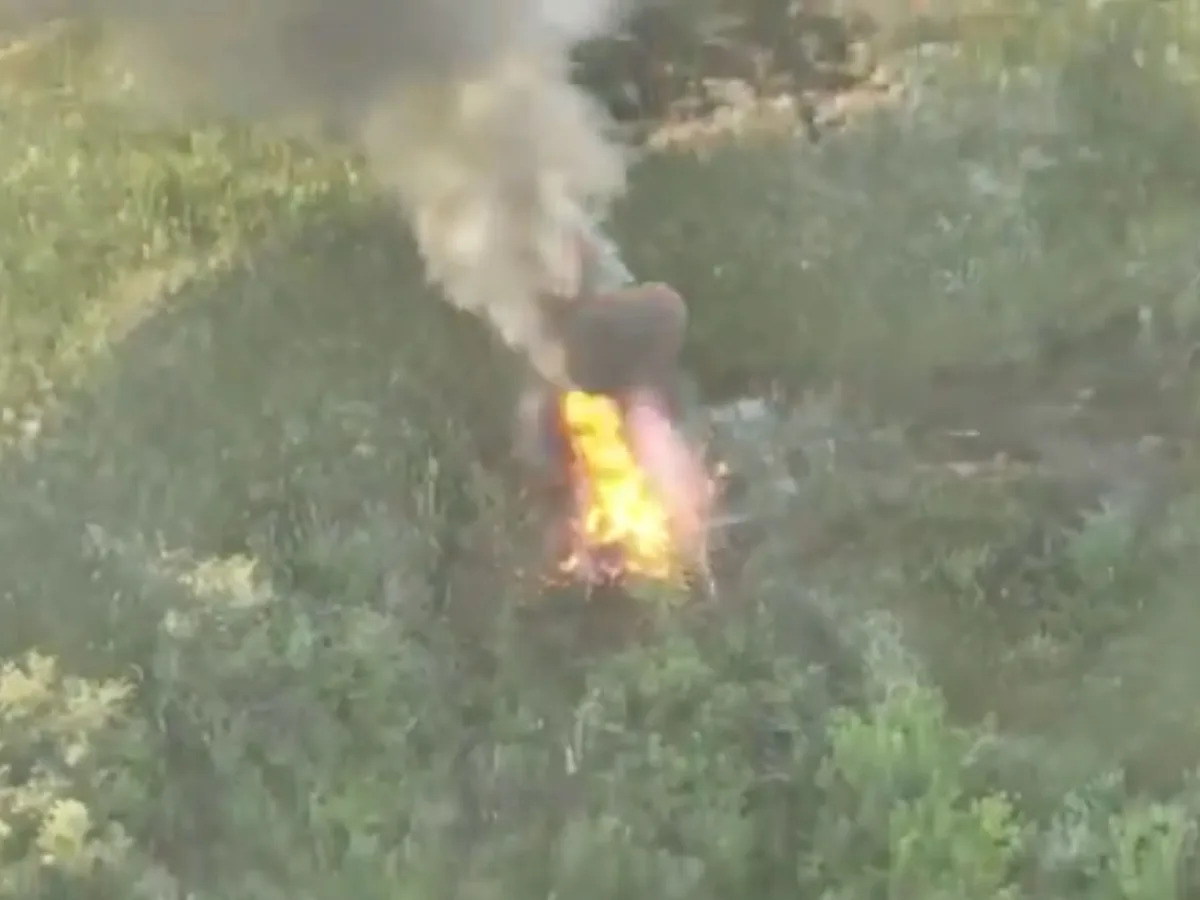
A video shared by the Ukrainian Air Assault Forces shows a Russian T-90 tank falling off a cliff and becoming stuck, making it an easy target for attack drones. Ukraine has been using cheap hobby drones fitted with explosives to target expensive Russian equipment. The successful strike demonstrates the cost-effectiveness of these drones, which can severely damage tanks and weapons systems worth millions of dollars. Russia has suffered significant equipment losses during its invasion of Ukraine, with over 2,200 tanks visually documented as destroyed.
Russian forces targeted the eastern Ukrainian city of Dnipro with 16 missiles and 20 attack drones, using various types of missiles and Iranian-made Shahed drones. Ukraine's air defenses destroyed all the drones and four of the cruise missiles. The scale of the attack was unprecedented, with officials saying that the whole city did not sleep. One person was injured, and several buildings and equipment were destroyed. Russia's night-time shelling of Ukraine has increased since the start of May, particularly targeting Kyiv.
Russian forces launched another wave of attacks on Ukrainian cities, including Kyiv, but all explosive drones targeting the capital were intercepted. Overnight missile strikes in Odesa killed at least one civilian. Ukrainian forces have made significant gains in the north and south of Bakhmut, but the leader of the Wagner mercenary group said it was unlikely that the city would be taken in the next few days.
The United States has observed more indications of an expanding defense partnership between Russia and Iran, which includes Iran providing Russia with one-way attack drones. The partnership poses a threat to Iran's neighbors and allows Russia to prolong its war in Ukraine. The US plans to announce additional designations targeting increased military cooperation between the two countries.