Russian forces are conducting limited cross-border attacks in northern Ukraine as part of a cognitive warfare campaign to influence Western perceptions and negotiations, but there is no evidence of preparations for a major new offensive, and Ukrainian forces continue to resist and make local advances. Russia has also seized Siversk after prolonged fighting, and Ukrainian-Russian negotiations are ongoing with no significant breakthroughs. Russian activities include illegal deportations and targeted drone strikes, while Ukrainian forces are countering and advancing in some areas.
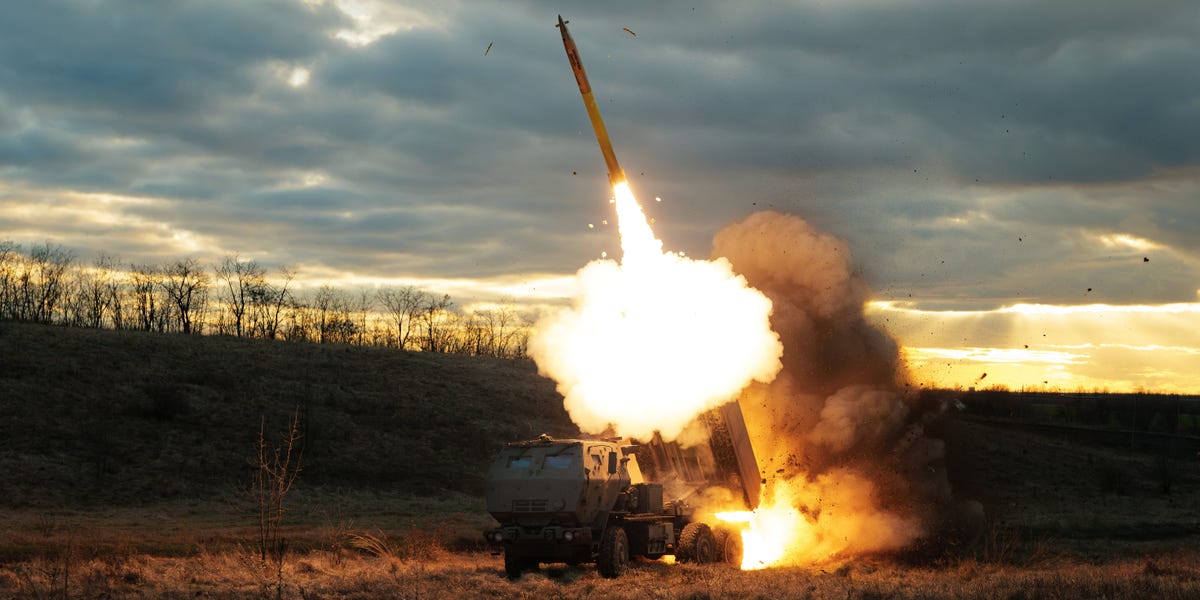
Ukraine has reportedly used US-supplied HIMARS rocket launchers to strike targets in Russia, marking a significant escalation in the conflict. This follows a recent policy shift by President Joe Biden allowing limited use of these weapons on Russian soil. The attacks, which included hitting a Russian S-300 air defense system, signal a new phase in the war and come after months of appeals from Ukrainian officials for permission to target Russian territory.
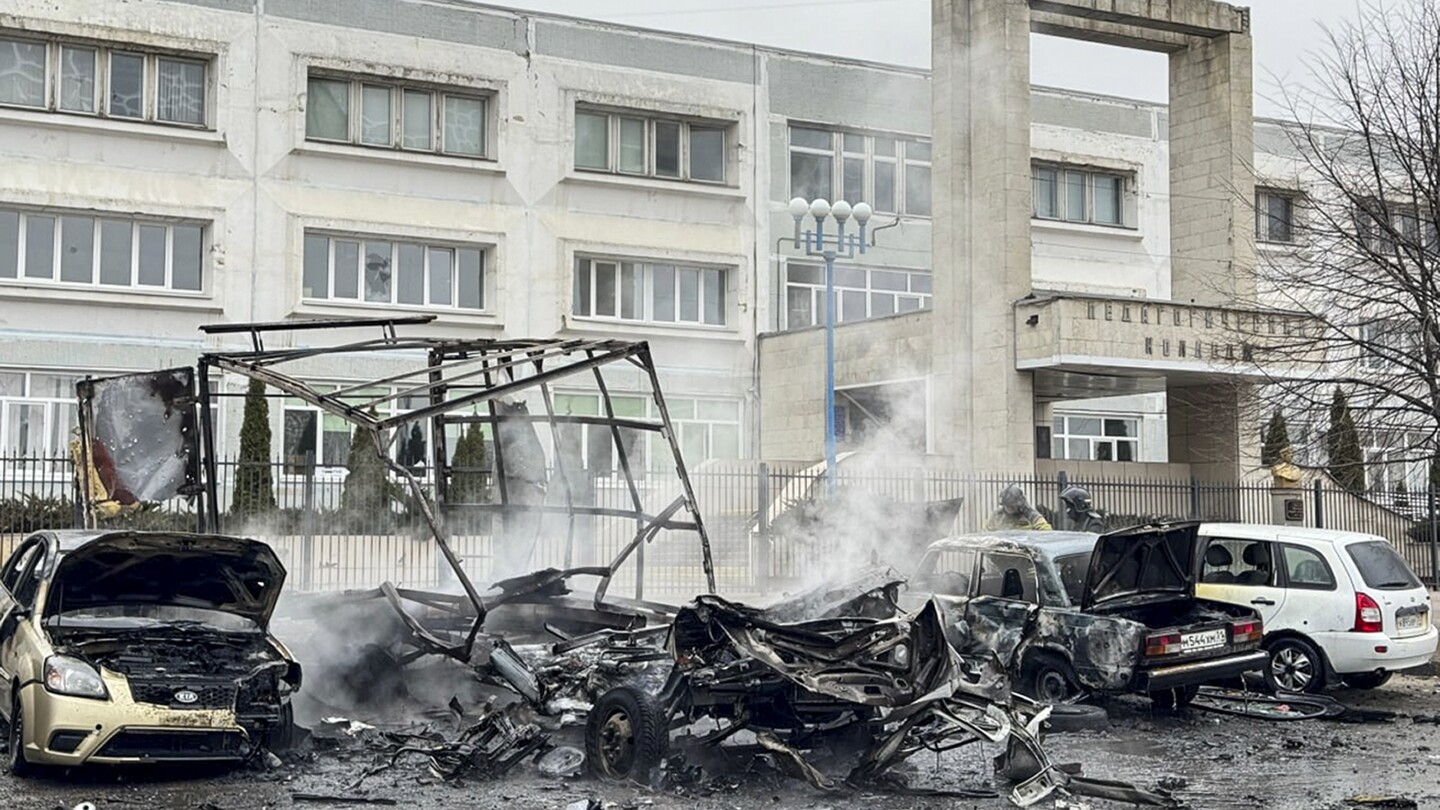
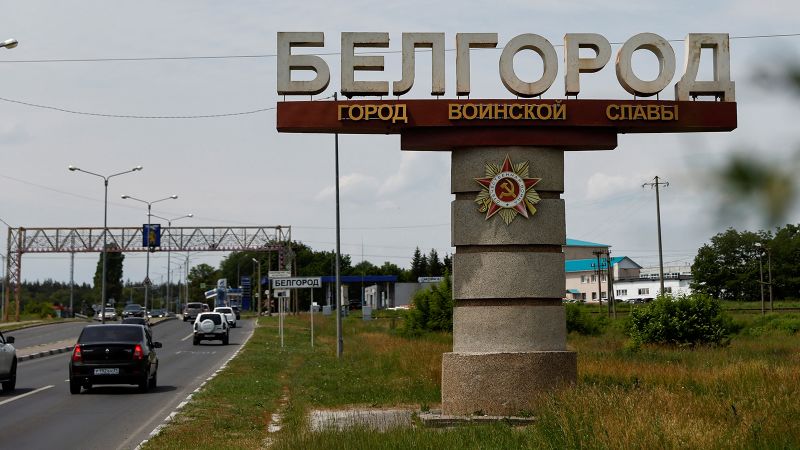
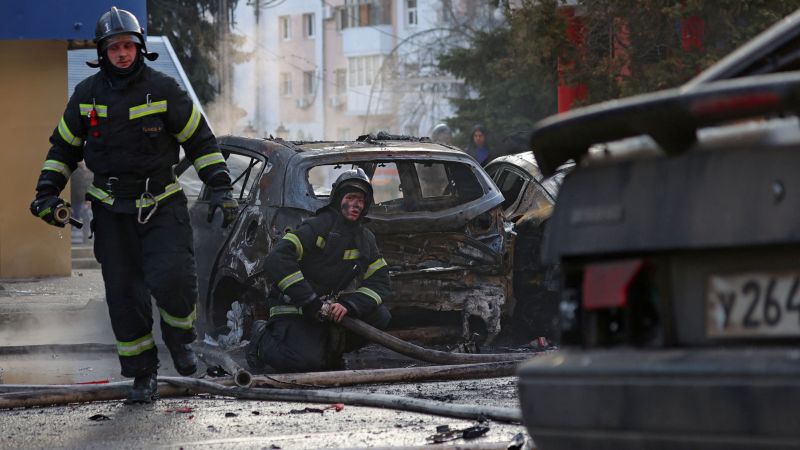
The Belgorod region in Russia has been targeted by increasing Ukrainian attacks, with the city of Belgorod suffering a deadly rocket barrage on Dec. 30. The region's proximity to the Ukrainian border makes it vulnerable to artillery strikes and incursions, leading to casualties and disruptions to daily life. Russian President Vladimir Putin has vowed to punish the attacks and criticized pro-Kyiv Russians involved in the incursions, while Belgorod officials have taken measures to protect residents, including evacuating children and closing schools. Ukrainian officials assert their right to counter Moscow's aggression, linking the attacks to Russia's ongoing aggression against Ukraine.
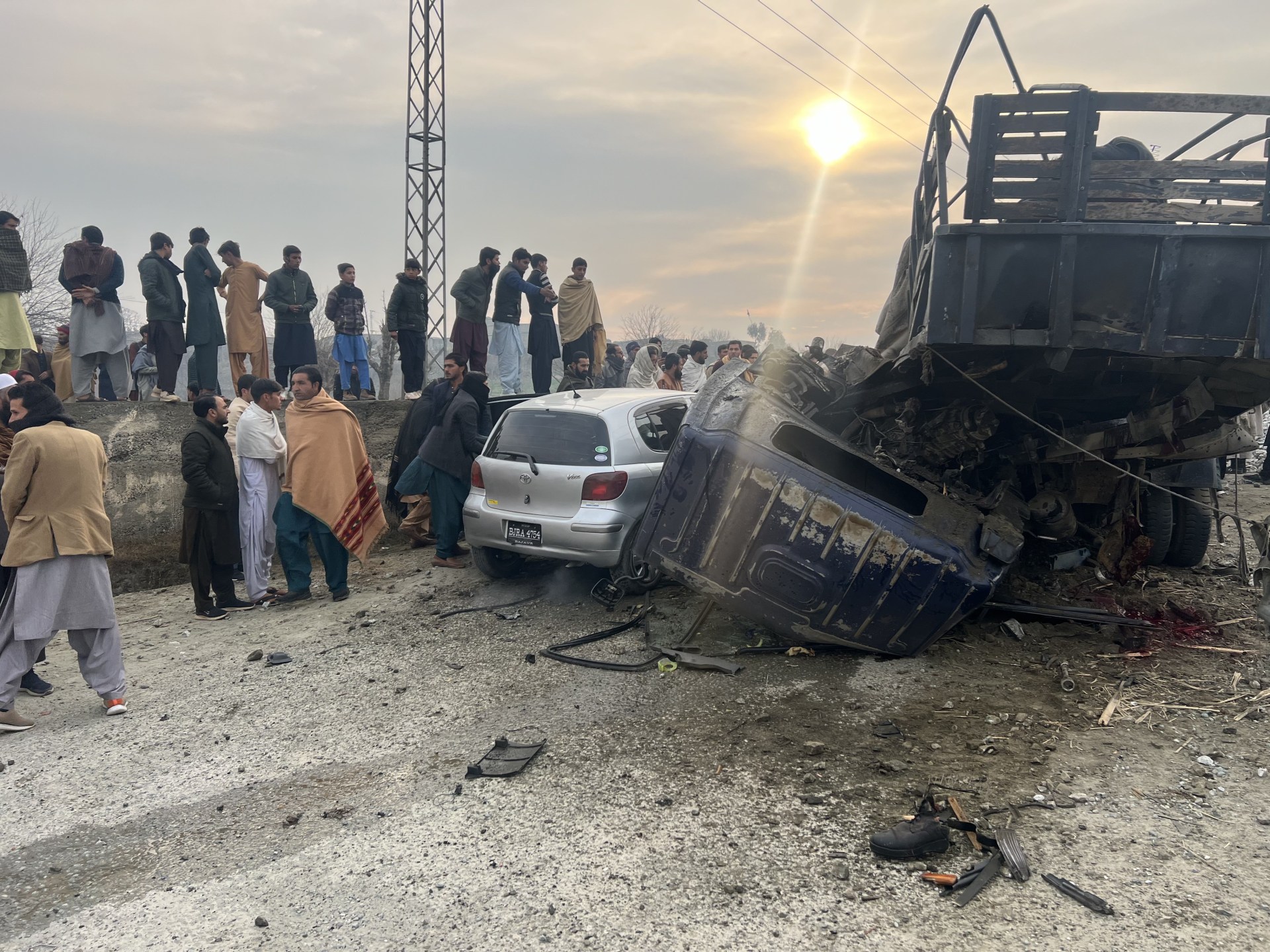
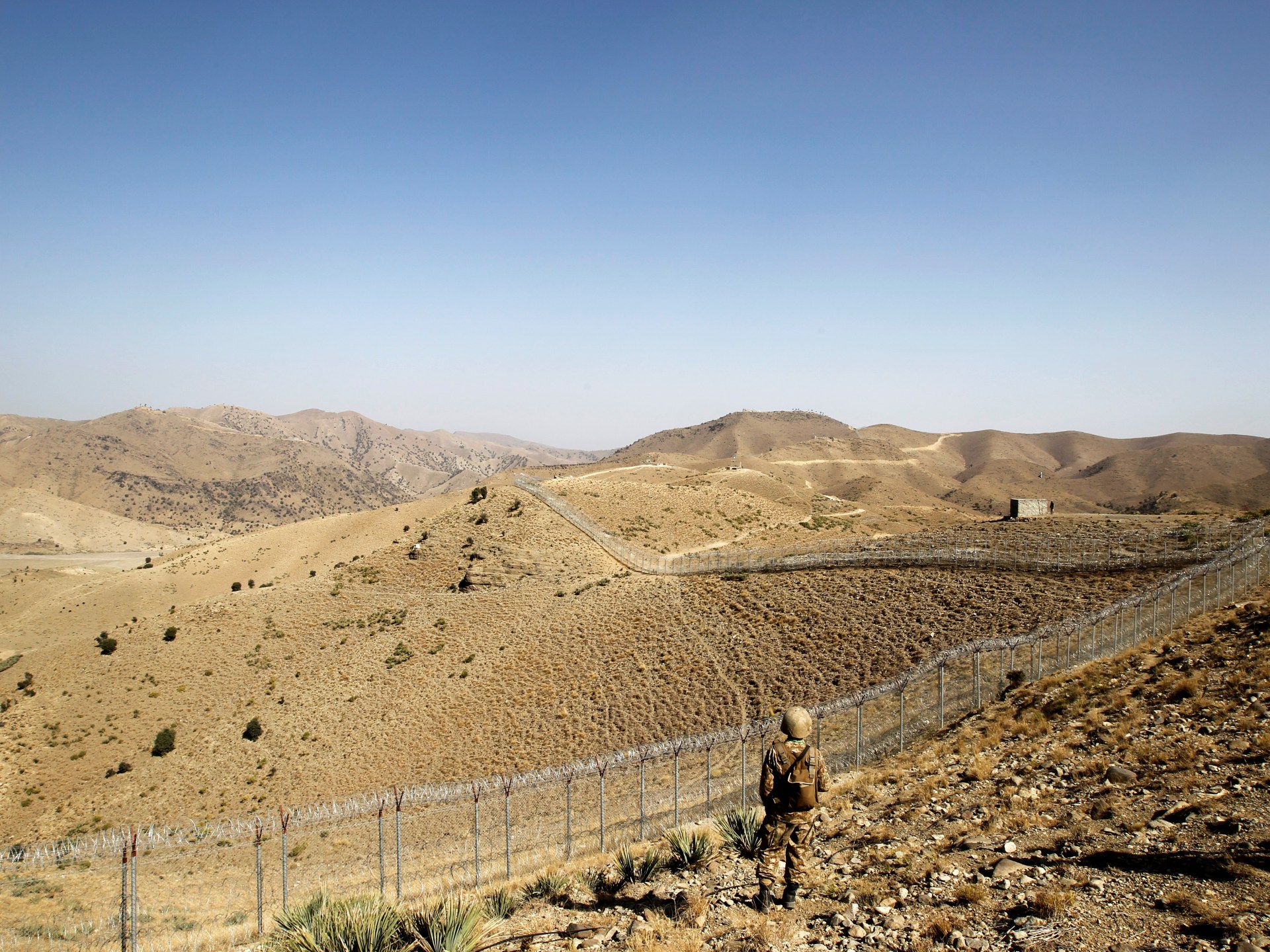
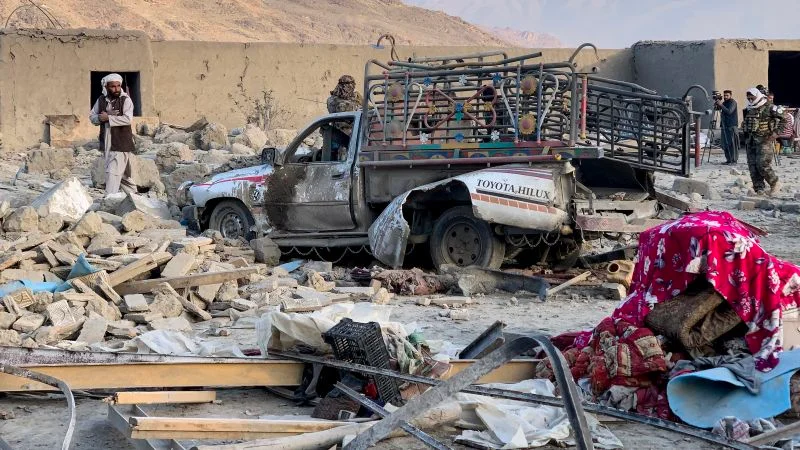
Tensions between Pakistan and Afghanistan have escalated following cross-border attacks, with Pakistan targeting hideouts of armed groups including the Tehreek-e-Taliban Pakistan (TTP) in Afghanistan. The Afghan Taliban swiftly condemned the attacks and retaliated by firing mortar shells on Pakistani military positions. The ongoing conflict is impacting public-to-public relations between the two countries, with Pakistan hoping to use its influence over the Afghan Taliban to contain the Pakistan Taliban. However, attacks by the Pakistan Taliban have increased, leading to a deadly year in Pakistan. The situation has the potential to strain the already fragile relationship between the two neighbors, with implications for trade, refugees, and public sentiment.
Tensions escalate between Pakistan and Afghanistan as Pakistan launches air attacks into Afghanistan targeting armed groups, prompting a retaliatory claim from the Taliban. The Afghan defence ministry later claimed to have fired across the border at Pakistan positions. The attacks come after a recent suicide bombing in Pakistan's North Waziristan district, with analysts linking the strikes to the rise in tensions. The ongoing conflict highlights the complex security challenges along the Pakistan-Afghanistan border, with potential for further escalation unless diplomatic efforts are pursued.
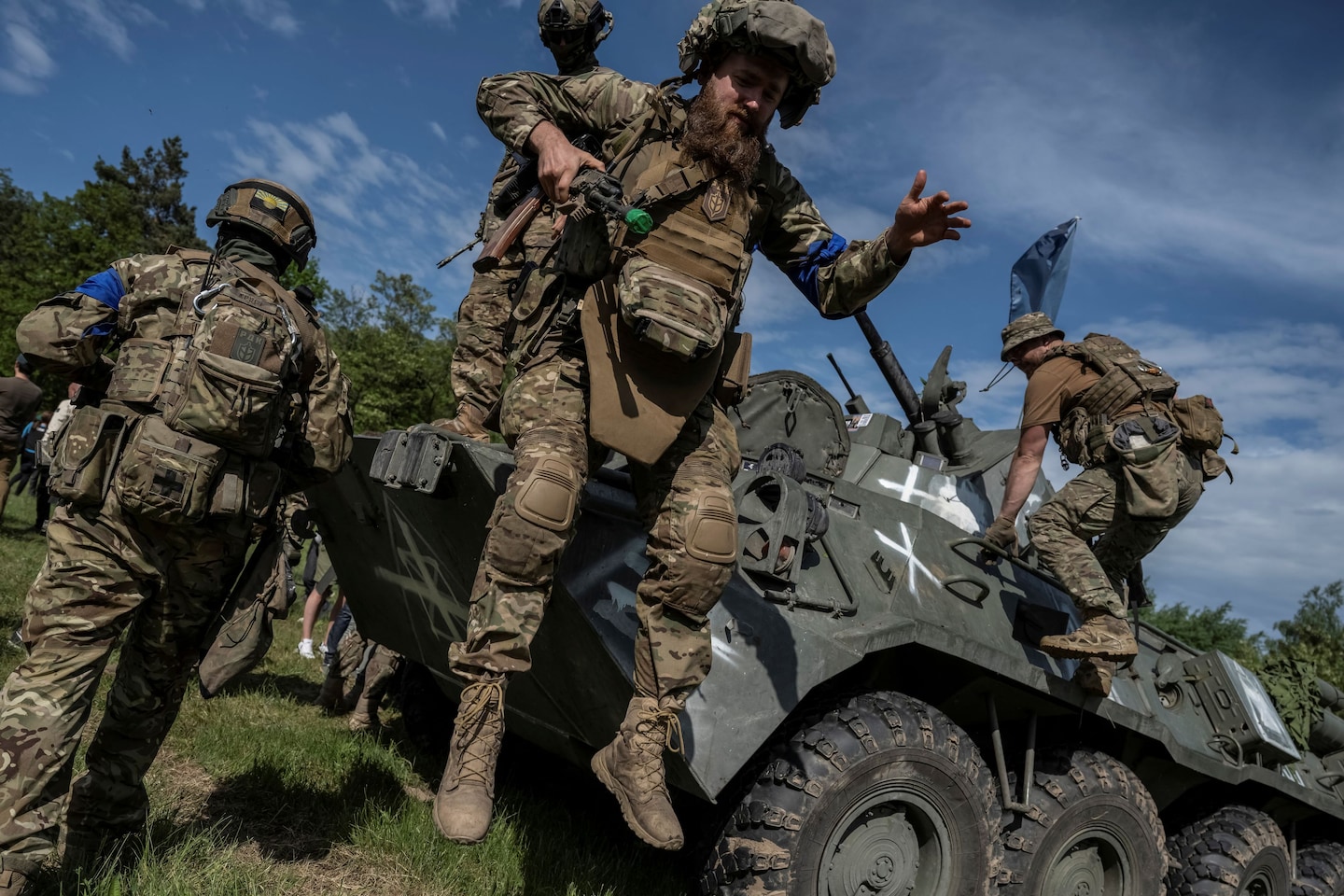
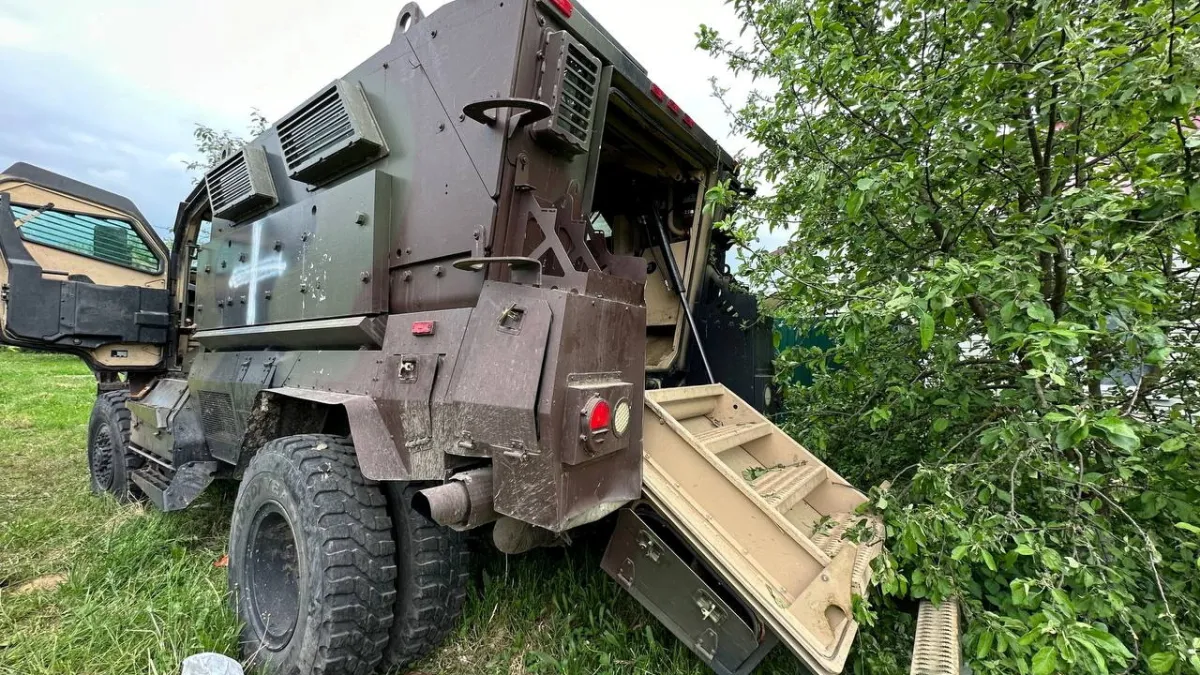
Pro-Ukrainian Russian forces, including the Freedom for Russia Legion and the Siberian Battalion, claimed to have launched cross-border attacks in Russia's Kursk and Belgorod regions, while the Russian defense ministry said Ukrainian forces attempted to cross the border from three directions but were "thwarted." The ministry claimed to have eliminated tanks and an armored personnel carrier and killed 60 Ukrainian soldiers. Additionally, Russia's Belgorod region suffered drone strikes, with one causing a fire at an oil depot and another damaging a power line. A Russian military plane also crashed in the Ivanovo region, the second such incident this year, with Russia blaming Ukraine for the January crash of an IL-76 over Belgorod.
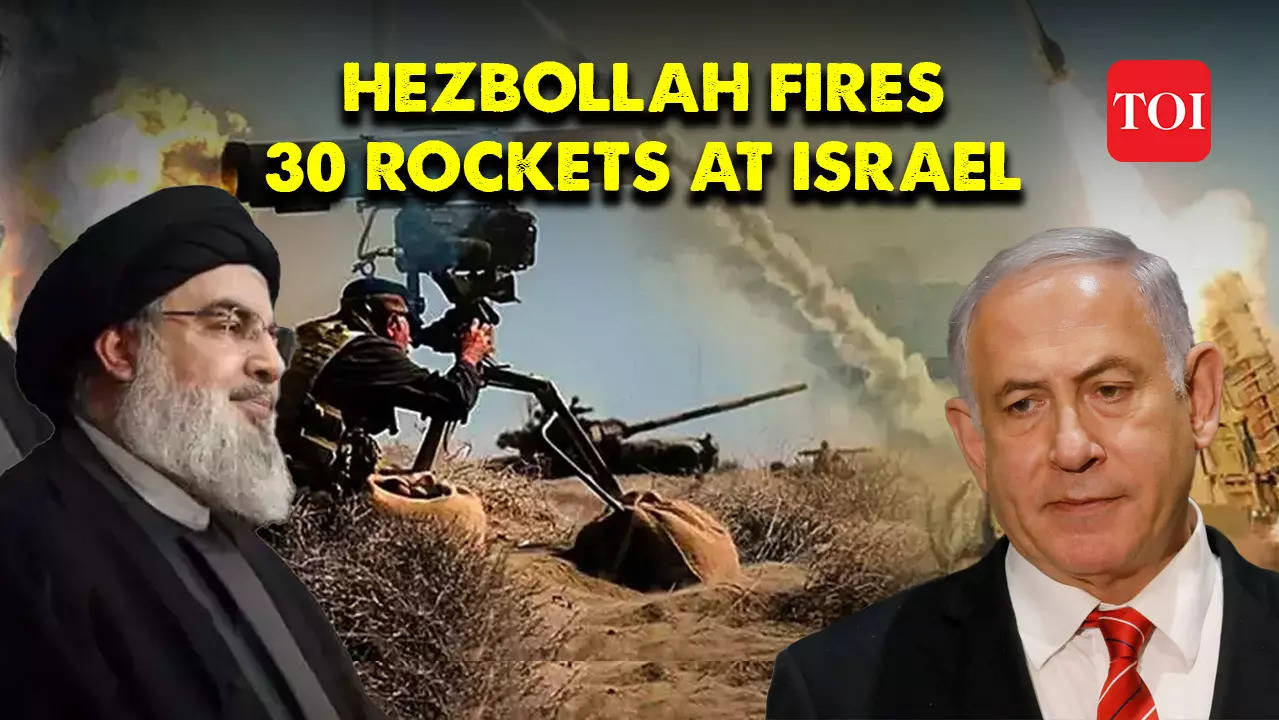
Hezbollah retaliated by firing at least 30 rockets from Lebanon at northern Israel after an apparent Israeli drone strike targeted two Hezbollah operatives, including a senior commander. The drone strike was reportedly in retaliation for an earlier Hezbollah attack on a military base that wounded 3 IDF soldiers. Tensions at the border remained high as cross-border attacks continued throughout the day, with no immediate reports of injuries from the rocket fire at the Upper Galilee town of Meron.
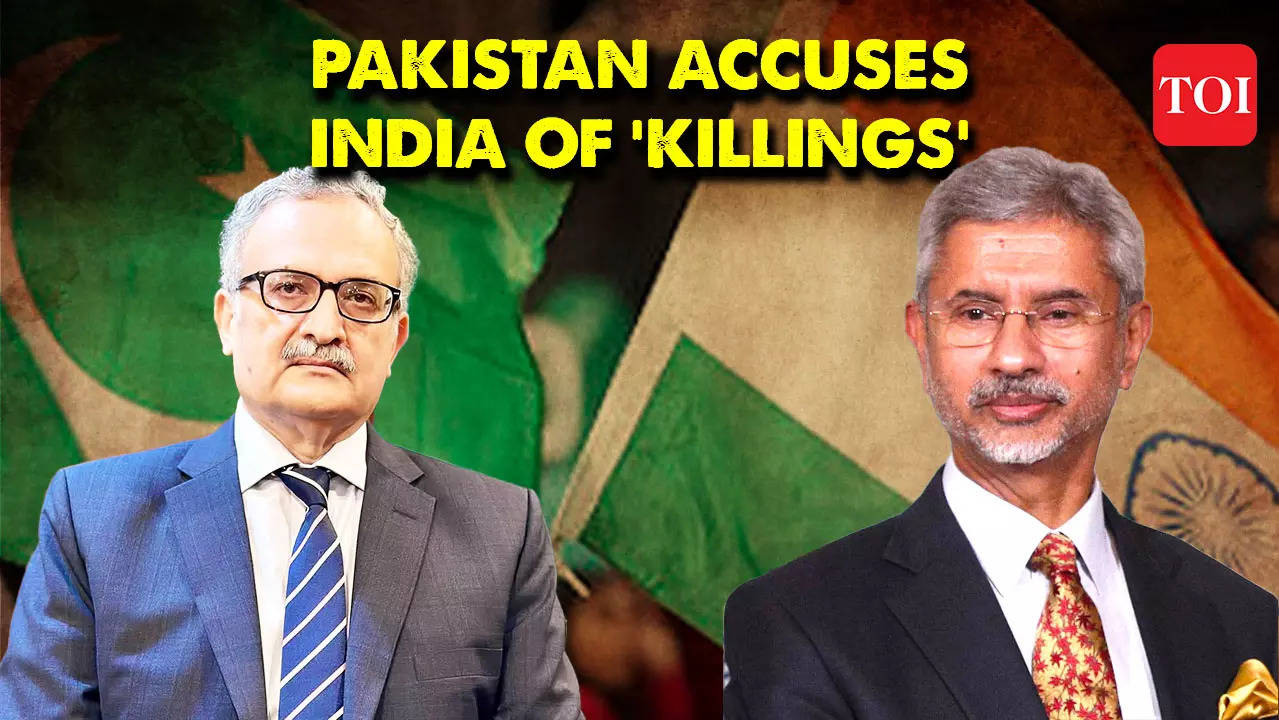
Pakistan accuses India of extra-judicial killings of two of its citizens on Pakistani soil, alleging credible evidence of Indian agents tied to terrorist organizations. Foreign Secretary Qazi detailed the assassinations in Rawalakot and claimed that Indian agents used technology, safe havens, and financing for cross-border attacks. Pakistan's statement follows accusations by Canada and the United States against Indian agents, while New Delhi rejects Ottawa's allegations and investigates Washington's claims of Indian agent involvement.
Russia has begun evacuating residents from the Belgorod region due to deadly Ukrainian strikes, following Moscow's biggest air attack on Ukraine since the invasion. Ukrainian strikes on Belgorod killed at least 25 people, prompting more Russian strikes. Ukraine has consistently targeted Russian regions near the border, with the recent attacks being some of the deadliest. Evacuation efforts are ongoing, with residents traveling nearly 100 miles away from their homes. Ukraine's Defense Intelligence claimed to have made an incursion into Belgorod region, destroying a Russian stronghold and mining roads used by Russians.
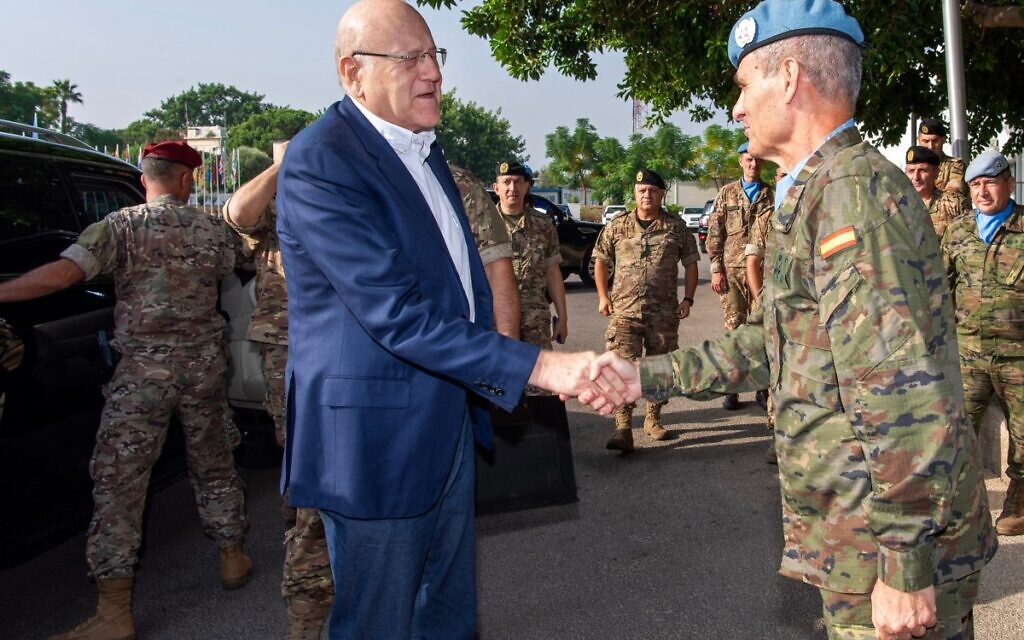
Lebanese Prime Minister Najib Mikati visited southern Lebanon to reaffirm Lebanon's commitment to UN Security Council Resolution 1701, which ended the 2006 conflict between Israel and Hezbollah. Despite Mikati's claims, Hezbollah has been continuously violating the resolution by launching cross-border attacks on Israel. The attacks have intensified since the start of the Israel-Hamas war, with Hezbollah operating freely along Lebanon's border and firing rockets and anti-tank missiles at Israeli towns and army positions. The IDF has responded by striking Hezbollah's cells and posts in southern Lebanon.
Two independent militias, the Russian Volunteer Corps and the Freedom of Russia Legion, have staged a series of joint cross-border attacks inside Russia's Belgorod region, killing dozens of enemy troops, taking others prisoner, and stealing weapons. The aim is to give Russian civilians a taste of the death and destruction that President Vladimir Putin's war has wrought on Ukraine and to show that Putin is failing to keep the Russian motherland safe. The cross-border attacks have also put Ukraine's government in an awkward position, as its Western supporters fear that strikes on Russian soil are too provocative.
Russia's Belgorod region was attacked by Ukrainian artillery fire, mortar shells, and drones, while a medical clinic in Dnipro was attacked by Kremlin's forces, killing a passer-by and another civilian. A Russian S-300 missile hit a dam in Ukraine's eastern Donetsk province, placing nearby settlements under threat of severe flooding. Ukrainian President Volodymyr Zelenskyy condemned the blast in Dnipro as a war crime. The governors of Belgorod and Kursk have called for arming local volunteer self-defence units to be prepared for similar raids in the future.