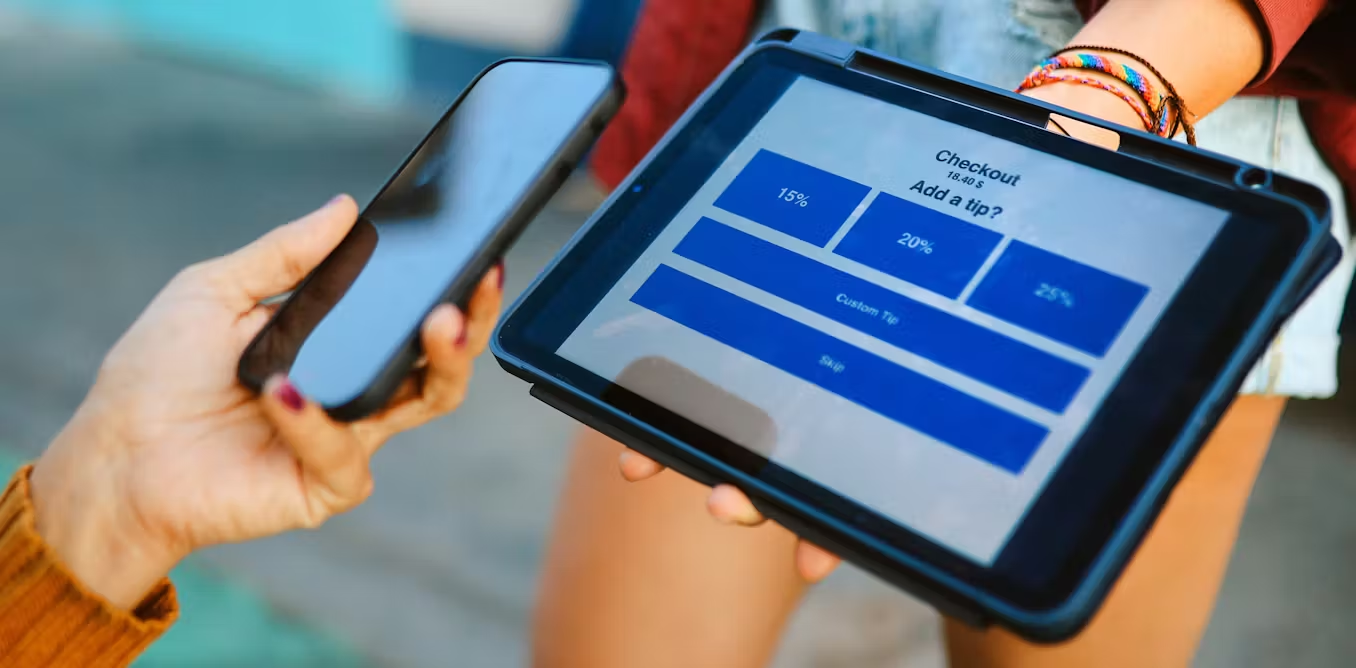
Is America's Tipping Culture Reaching a Breaking Point?
Research suggests that while pressuring customers to tip may increase immediate revenue, it can negatively impact customer loyalty, making them less likely to return in the future.

All articles tagged with #consumerbehavior
Research suggests that while pressuring customers to tip may increase immediate revenue, it can negatively impact customer loyalty, making them less likely to return in the future.
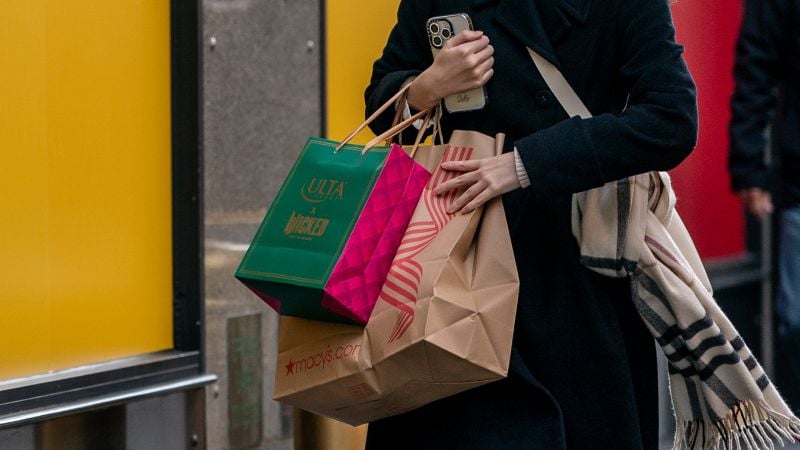
Despite early holiday discounts, US consumers shopped more on Black Friday, with a 3.4% increase in sales year-over-year, driven largely by a 14.6% rise in online shopping. Mastercard reported that while in-store sales grew less than 1%, online spending reached $10.8 billion. Popular purchases included apparel, electronics, and jewelry. Adobe Analytics predicts Cyber Monday will surpass Black Friday sales, estimating $13.2 billion in spending. However, concerns about overconsumption and environmental impact were highlighted by experts.
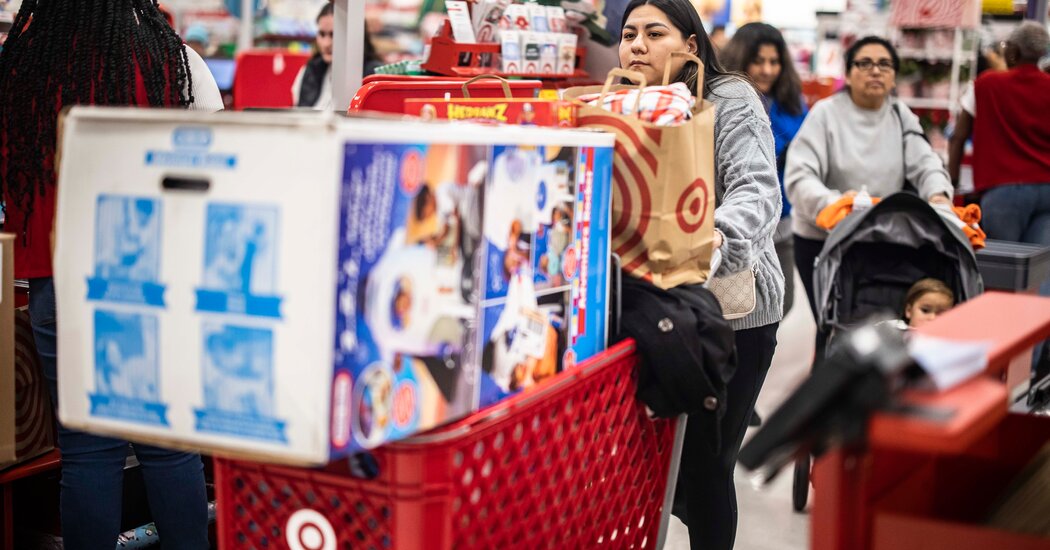
Retailers are seeing an increase in consumer spending as shoppers take advantage of discounts, indicating a positive response to promotional offers.
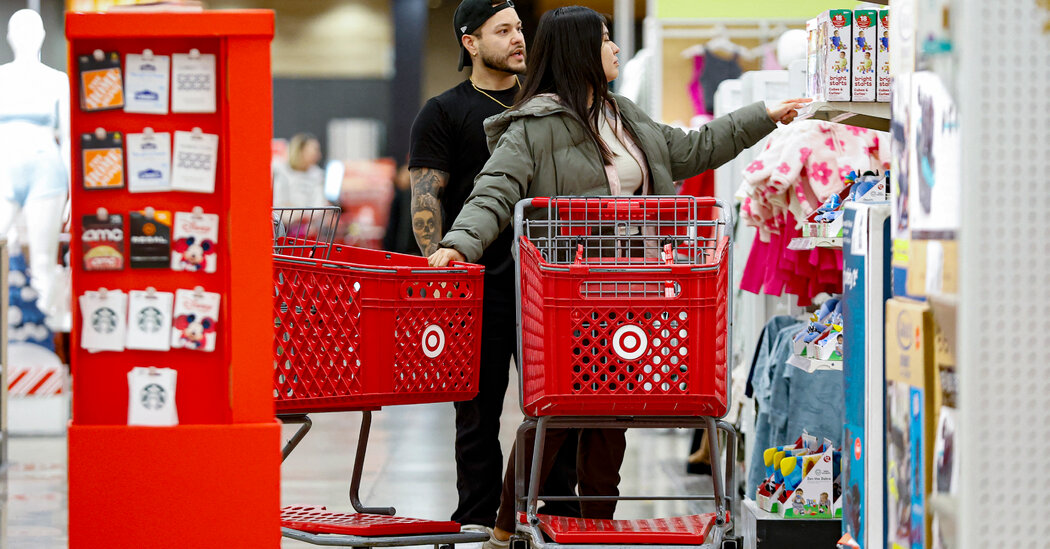
The holiday shopping season is a critical period for retailers, distinguishing successful companies from those that struggle. Retailers that effectively adapt to consumer preferences and market trends are likely to emerge as winners, while those that fail to do so may face challenges. This period is crucial for assessing the economic health of the retail sector and understanding shifts in consumer behavior.
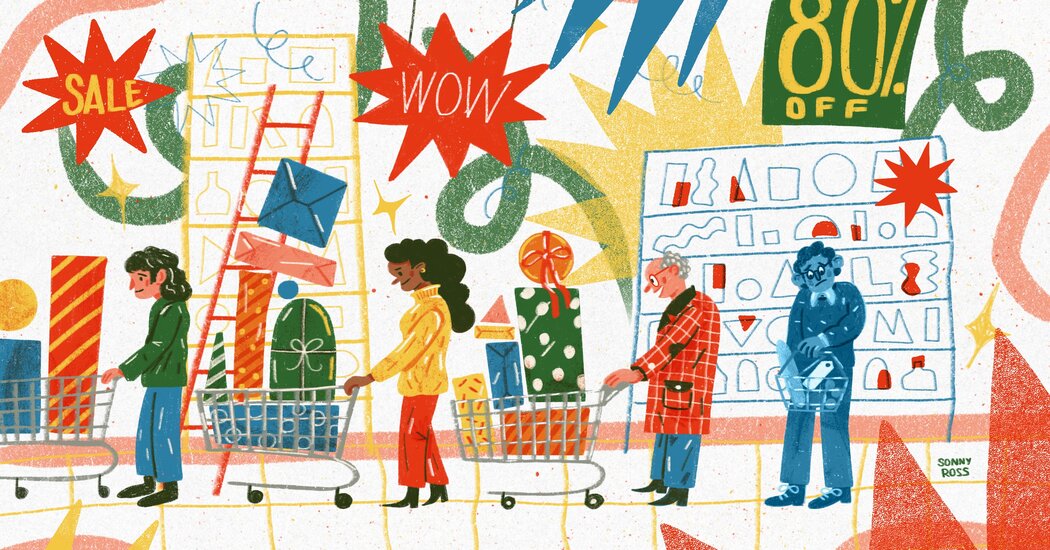
Black Friday, once a highly anticipated shopping event, has lost its appeal for many consumers due to the rise of online shopping, extended sales periods, and changing consumer habits. The traditional excitement of in-store deals has been overshadowed by the convenience of online discounts and the spread of sales over several weeks, leading to a decline in the frenzy that used to characterize the day.
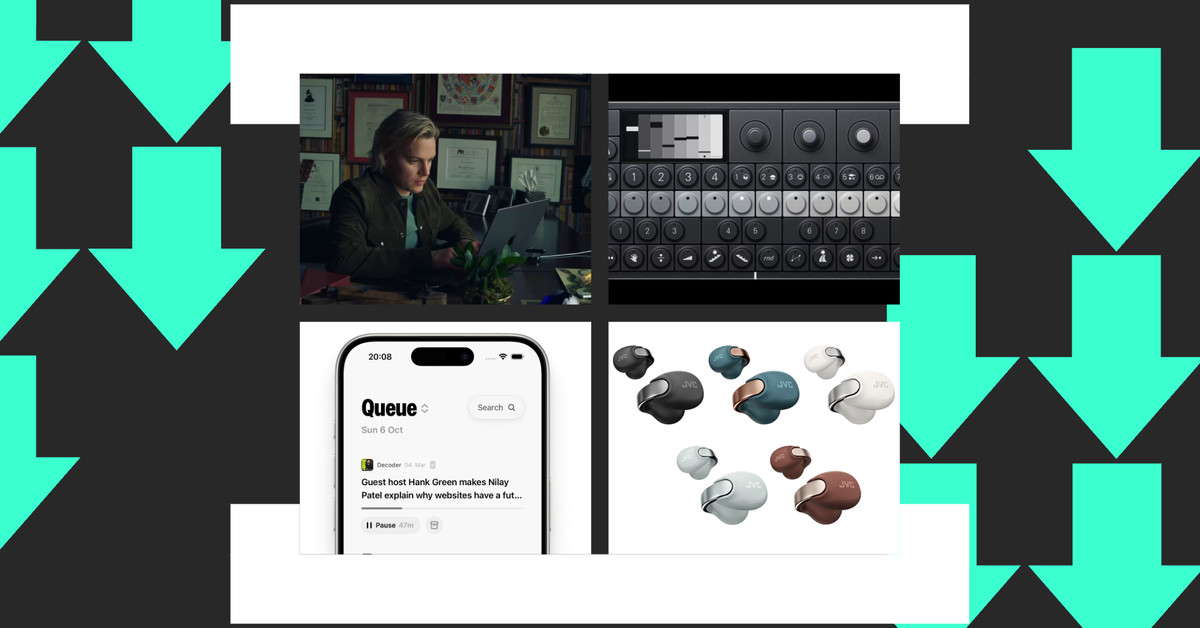
This week's edition of Installer highlights two must-watch tech documentaries: one on global surveillance inspired by Ronan Farrow's article on government hacking, and another on consumer manipulation tactics akin to 'The Great Hack.' Additionally, the newsletter covers a new powerful synthesizer from Teenage Engineering, a massive Amazon Echo device, and a minimalist podcast app. It also features tech insights from Rich DeMuro, a tech reporter, and shares community recommendations on various tech and entertainment topics.
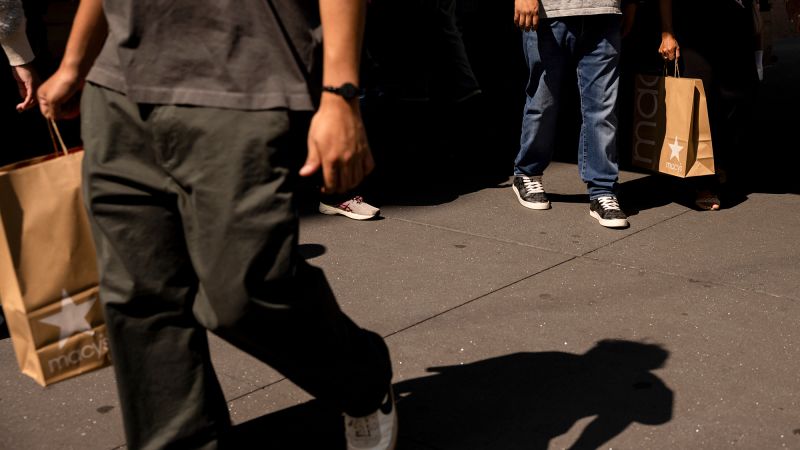
Amid economic uncertainty and political anxiety, many Americans are engaging in 'doom spending'—impulse buying to alleviate stress, which can harm long-term financial health. This trend is particularly prevalent among Gen Z and millennials, who prefer immediate gratification over saving for an uncertain future. Despite a strong economy on paper, high living costs and negative online news contribute to this behavior, leading to increased credit card debt. Experts suggest self-awareness and alternative coping strategies to mitigate the impact of doom spending.
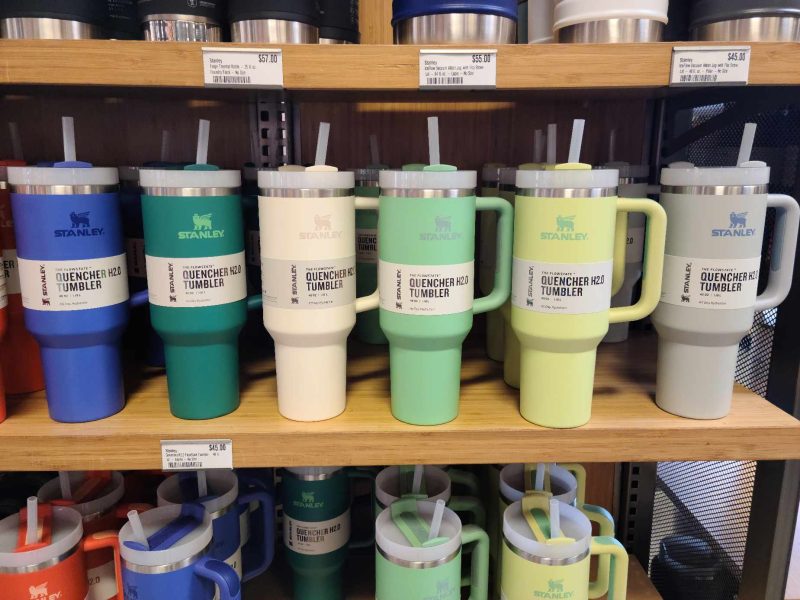
Stanley tumblers, specifically the limited-edition Starbucks x Stanley Quencher, have gone viral, causing chaos at Target stores with some items being resold for over $100 on eBay. The brand, which celebrated its 110th anniversary last year, has seen a resurgence in popularity due to social media influence and strategic marketing, including a focus on female consumers. Despite the aim for sustainability, some fans collect the tumblers without using them. Stanley's annual sales are projected to top $750 million in 2023, a significant increase from $73 million in 2019.
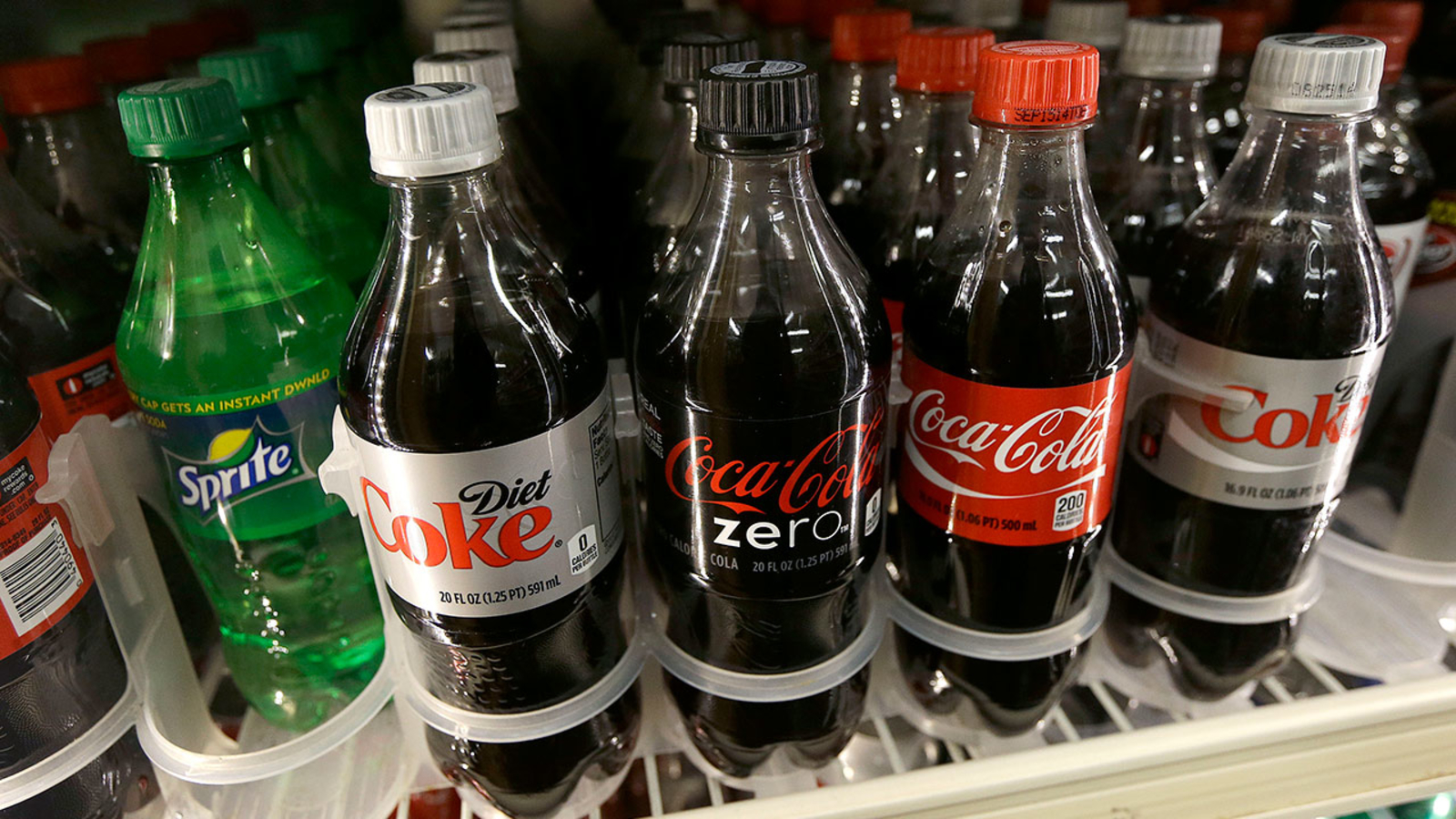
A new study has found that increasing the price of sugar-sweetened beverages by an average of 31% led to a 33% reduction in consumer purchases in five US cities. The study, which analyzed the impact of per ounce tax plans, suggests that for every 1% price hike, there was a corresponding 1% drop in purchases. While the beverage industry argues that such taxes are unproductive, the study indicates potential health benefits and cost savings in healthcare. However, the implementation of further taxes may be hindered by state-level preemption laws.
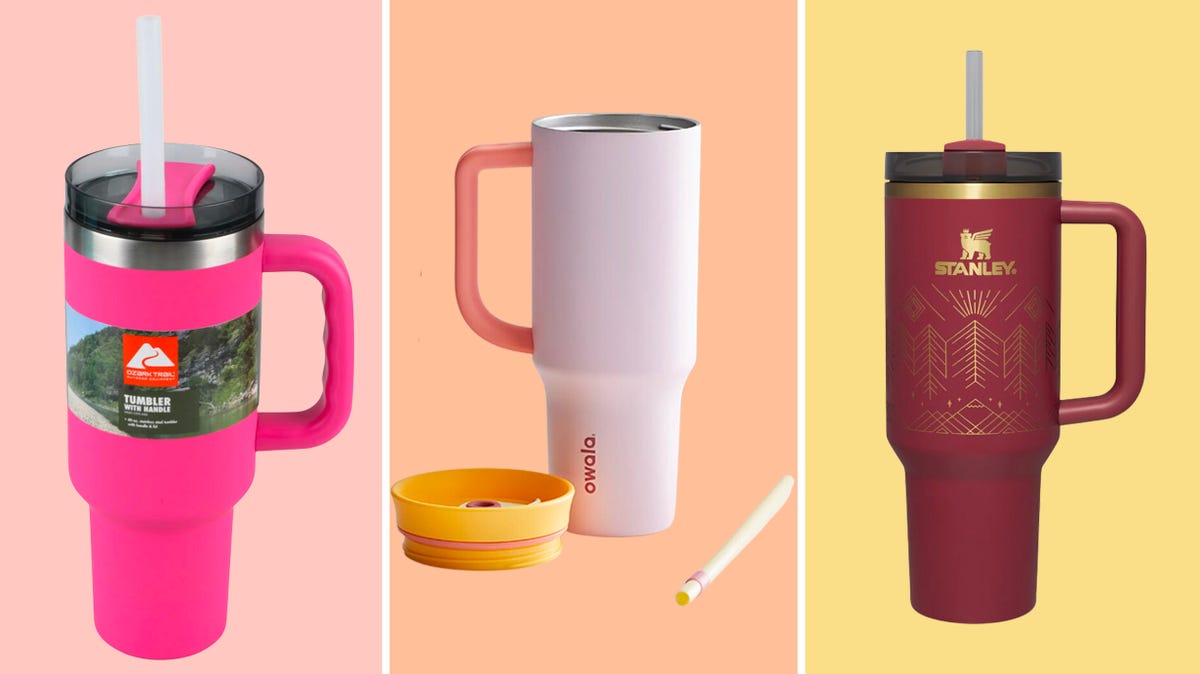
Customers are flocking to Target stores to get their hands on a limited-edition pink Stanley tumbler, a collaboration between Target and Starbucks, causing scenes reminiscent of Black Friday. The tumblers, which won't be restocked and are already sold out in many places, are being resold for double the price on secondary markets. The Stanley tumbler gained viral fame for its design, including a straw and handle, and its ability to fit in car cupholders. Despite some backlash over perceived overconsumption, the tumbler's popularity continues, with viral moments on TikTok contributing to its demand.
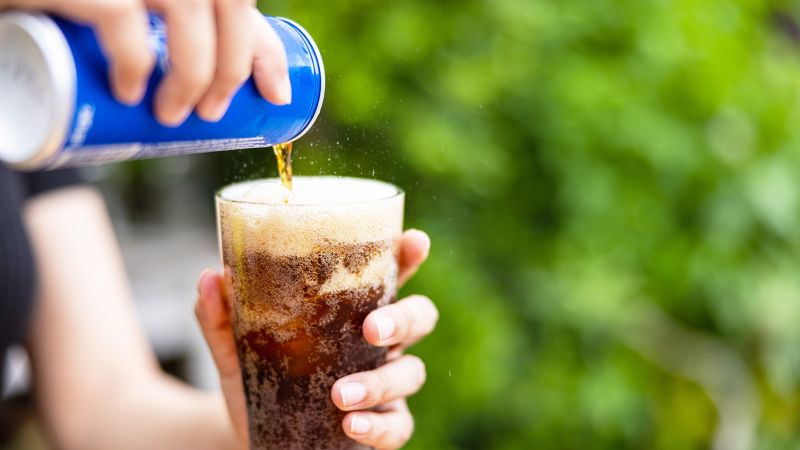
A study has found that increasing the price of sugar-sweetened beverages by an average of 31% led to a 33% reduction in consumer purchases in five US cities. The price hike was a result of taxes on these drinks, which were implemented to discourage consumption due to their link to chronic diseases. The study did not directly address health outcomes, but previous research suggests that a reduction in sugary drink consumption could significantly decrease healthcare costs and improve public health. Despite the positive findings, the enactment of further sugar taxes may be hindered by state-level preemption laws.
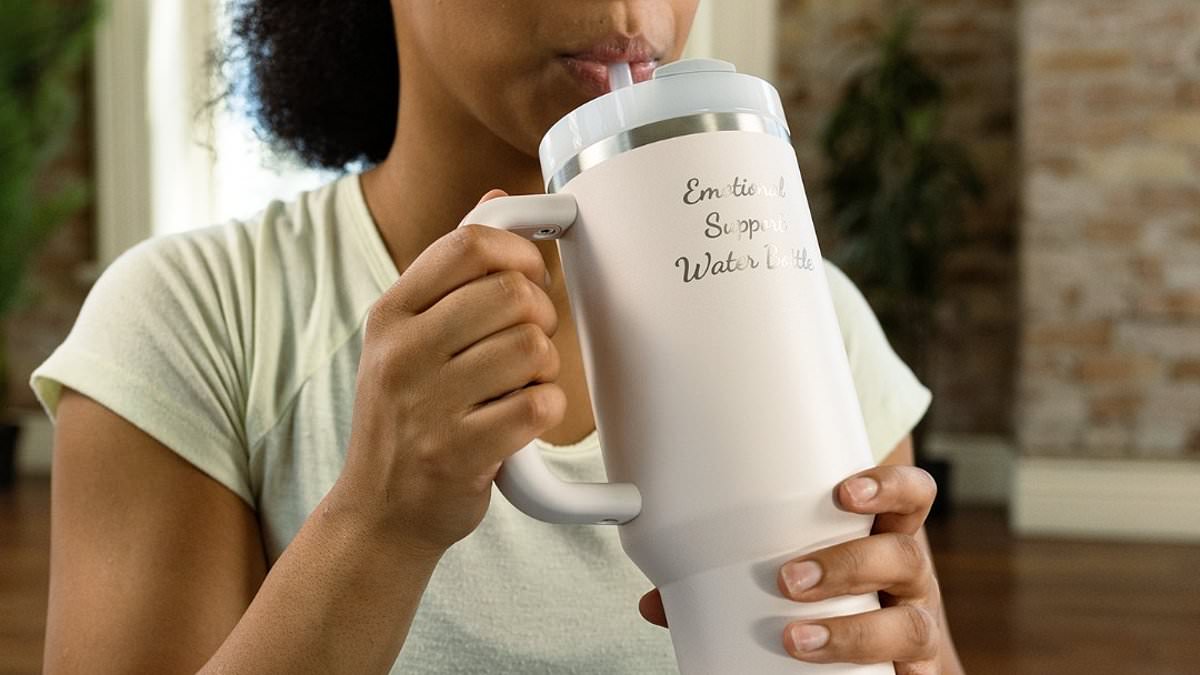
Gen Z trend forecaster Casey Lewis predicts the decline of the Stanley cup's popularity, suggesting that the travel tumbler's adoption by adults signals its peak and impending fall from youth favor. Despite recent chaos over limited editions, like the Valentine's Day and Starbucks collaborations, Lewis notes that once a trend is embraced by both younger children and adults, the 'cool youth' tend to move on, as seen with past trends. The forecaster also speculates that the focus may shift away from "It" water bottles altogether, likening the Stanley cup craze to a collectible flex similar to Beanie Babies.
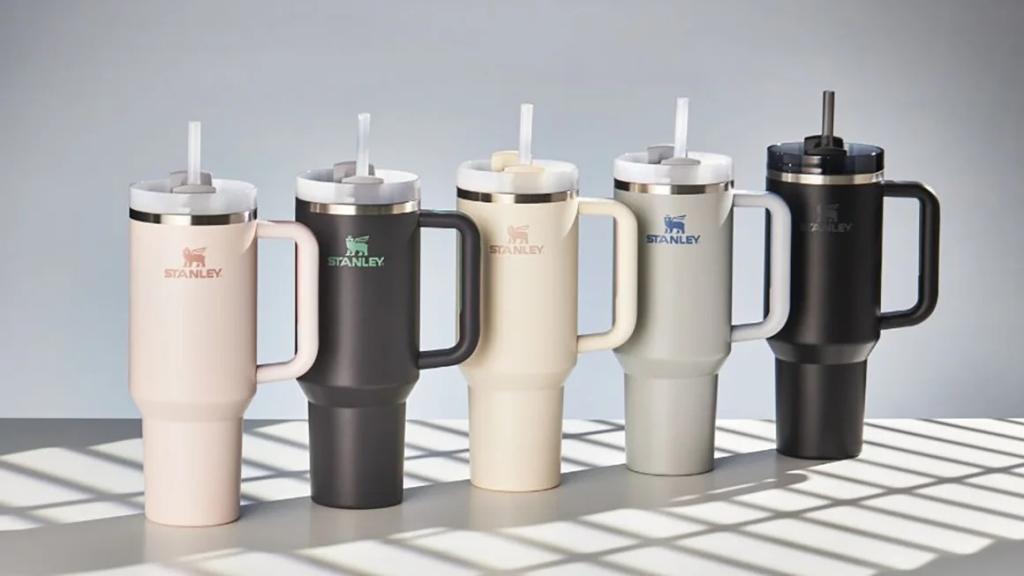
The Stanley Tumbler, particularly the insulated 40-oz model, became a viral sensation among Gen Z, dominating holiday gift lists and causing frenzies at retail releases. However, trend expert Casey Lewis predicts the trend is at its peak and will soon decline as the product's popularity among tweens may lead older Gen Z individuals to move on. Despite the potential downturn, the tumblers' features like insulation and durability have made them a cultural phenomenon, with limited editions selling for high prices on resale markets.
Recent data indicates a rise in the churn rate for major streaming services in the U.S., with the monthly churn rate increasing from 5.1% in November 2022 to 6.3% in November 2023. A growing number of consumers, referred to as "serial churners," are canceling and resubscribing to services as they seek value for money. These users often cancel three or more services within two years but tend to resubscribe within months. Streaming companies are expected to offer more bundle deals and promotions in response to this trend. Despite the challenges, some companies like Netflix are reaching profitability, highlighting the complex nature of the streaming business.
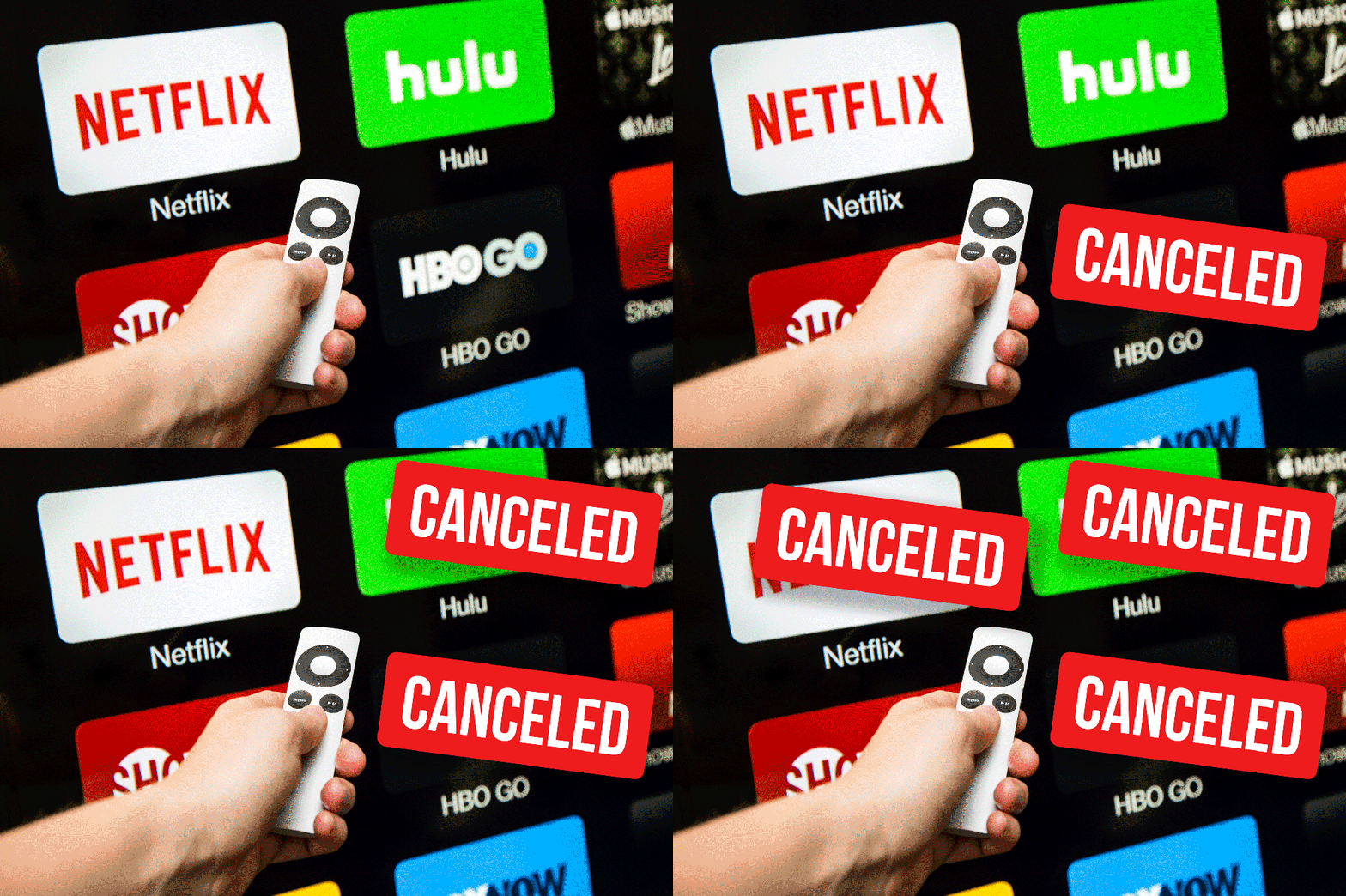
As streaming services like Disney+, Netflix, and Hulu increase their subscription rates, customer cancellations are on the rise, with a 6.3% increase in defections reported in November compared to the previous year. To cope with the higher costs of content creation and licensing, streaming companies are introducing ad-supported tiers, bundling deals, and promotional discounts. Despite these efforts, customers are downgrading or canceling services to manage expenses, with some returning only when appealing content is available. The trend reflects a growing sensitivity to the value proposition of streaming subscriptions amidst a competitive and saturated market.