IBM shares fell 13.2%, the steepest one-day drop since October 18, 2000, after Anthropic said its Claude Code AI could automate COBOL modernization on IBM mainframes, fueling a broader sell-off in software stocks.
IBM shares slid roughly 10% after Anthropic unveiled Claude Code, an AI tool to automate COBOL modernization, with Accenture and Cognizant retreating on the news; Claude Code maps dependencies, documents workflows, and identifies risks to speed modernization of legacy COBOL systems that still power ATM networks and other critical infrastructure. Anthropic released a Code Modernization Playbook alongside the launch.
Palantir’s AI-powered growth helped lift 2025 results (Q4 revenue up ~70% YoY; US commercial sales +137%) and support bullish 2026 guidance (~60% growth), but a valuation north of $300B makes any slowdown costly. Stone Fox Capital warns that AI disruption could come from internal AI tools like Anthropic’s Claude Code, possibly dethroning Palantir’s platform, a scenario the investor calls “AI disrupting AI.” Despite the risk, Wall Street remains cautious but positive with a Moderate Buy consensus and about 44% upside to a ~$191 target over the next year.
Anthropic launches Claude Opus 4.6 as a major upgrade designed to handle complex, multi-step tasks across documents, presentations, and spreadsheets, with new multi-agent collaboration, a longer one-million-token context window, and safety-focused improvements, signaling a push to expand Claude beyond coding into other knowledge-work applications, while keeping the same pricing as Opus 4.5.
Linux kernel developers’ b4 patch tool now features a text-based UI that supports AI agent-assisted code reviews using Claude Code, enabling an opt-in, agent-enabled review of patches within the b4 workflow. Konstantin Ryabitsev calls this the first actual agent-assisted review on patches via the new TUI, with ongoing refinements to come. The development complements other AI-prompt work in the Linux kernel space, including efforts from Meta’s Chris Mason.
Clawdbot creator Peter Steinberger says Anthropic emailed him to rename the project rather than sue; the product was renamed Moltbot due to trademark concerns over Clawd's image and the Claude name. The change followed a rough social-media rollout, and Steinberger isn’t pursuing a big acquisition, preferring Moltbot to be a foundation or nonprofit. OpenAI's Kate Rouch publicly seized on the moment to comment on the situation.
Anthropic's Claude Code, launched in May, is gaining traction by letting people with no coding experience generate software from prompts. The tool is part of a broader vibecoding trend alongside rivals like Base44 and Cursor, with subscriptions ranging from $20 to $200 per month as more users discover its capabilities.
Microsoft is broadly adopting Anthropic’s Claude Code across its largest engineering teams, encouraging thousands of employees (including non-developers) to try it, with CoreAI and Experiences + Devices piloting the tool and engineers told to use Claude Code alongside GitHub Copilot and provide direct comparisons across code repositories.
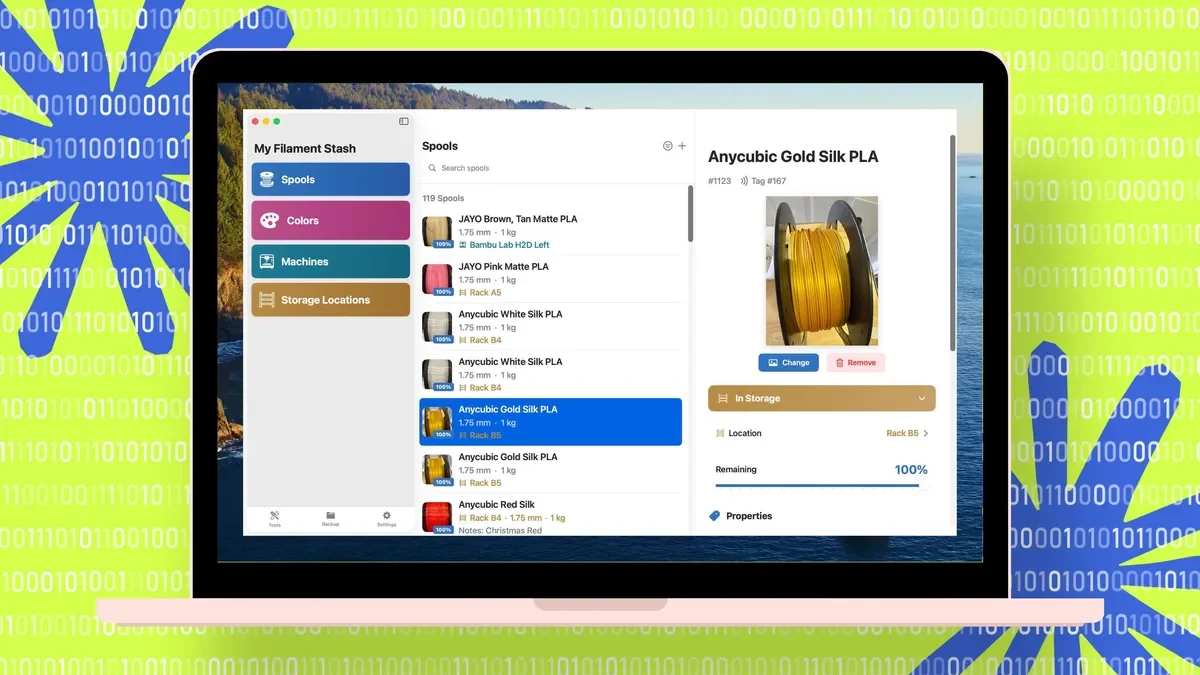
An experienced developer uses Claude Code to port an iPhone-based filament-management app to macOS, delivering a working Mac app after iterative back-and-forth work and about 8 hours of project time spread over a month. The process highlights AI as a powerful force multiplier that still requires clear guidance, constant testing, and manual fixes. Mac-specific gaps (no NFC/camera, window resizing) and UI performance tweaks (thumbnail caching) demanded careful iteration. The result is a functional cross‑platform tool that boosts productivity, but it confirms AI isn’t magic and must be steered and tested by a human.
Vox’s Future Perfect explains Anthropic’s Claude Code—an AI tool that can edit code and run tasks inside a project—and Claude Cowork for non-code work, describing how it works from command-line style use to plain-English prompts, what it can do (fix bugs, add features, run tests, iterate), and the risks (data loss, leaked secrets, rate-limit abuses). The piece argues this “AI coworker” could blur lines between coding and management, potentially turning remote workers into AI‑agent managers and prompting a shift in how white‑collar work is organized, while emphasizing careful use and backups.
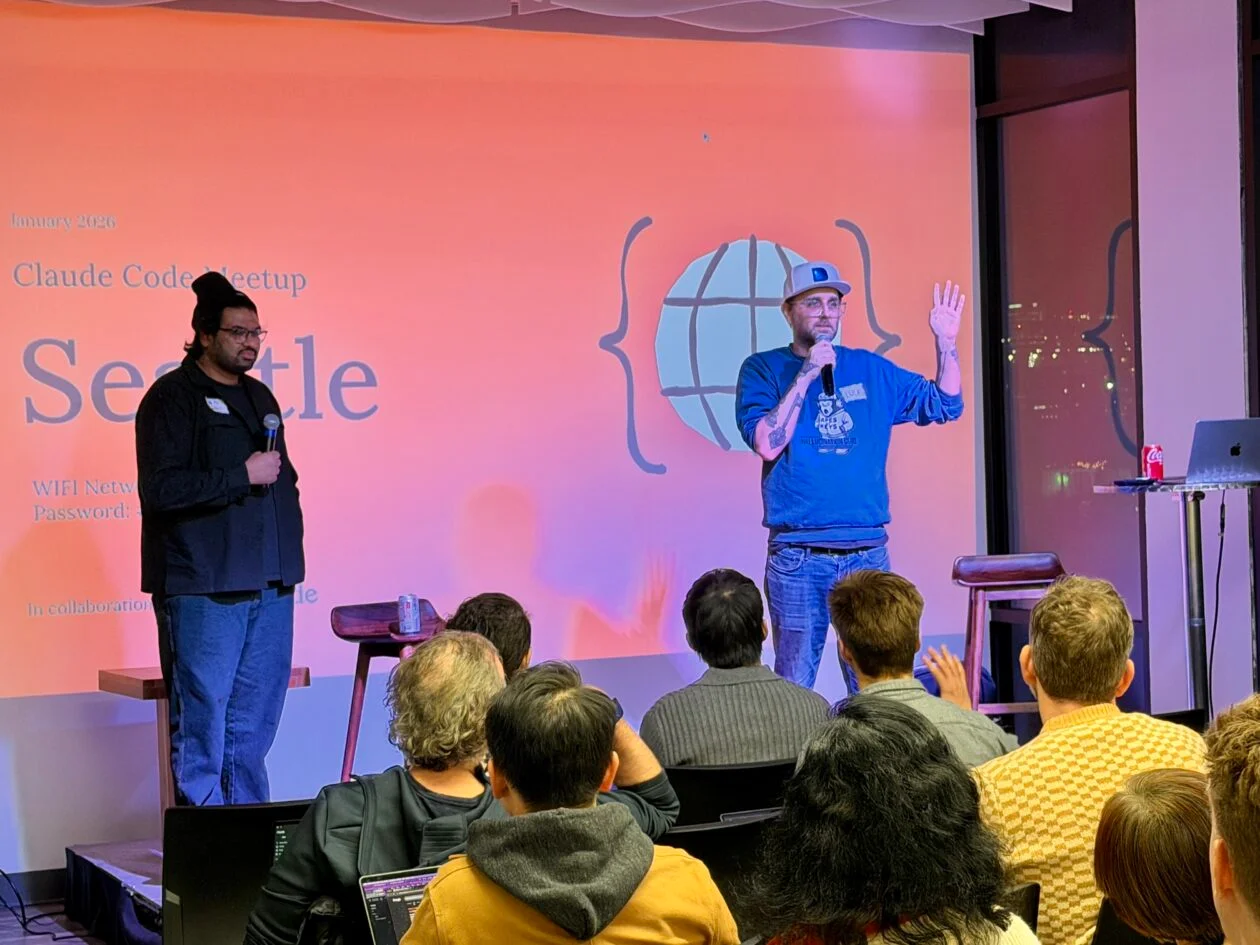
Seattle engineers gathered to explore Claude Code, Anthropic’s AI coding tool that acts like an autonomous pair‑programmer, able to self‑correct, manage longer workflows, and even fix frontend bugs by controlling a browser. The tool and related Claude Cowork expansion are fueling rapid adoption and shifting developers’ mindsets toward architectural/product-management roles, while industry observers debate the sustainability of AI‑coded software moats amid concerns about job displacement and competitive barriers.
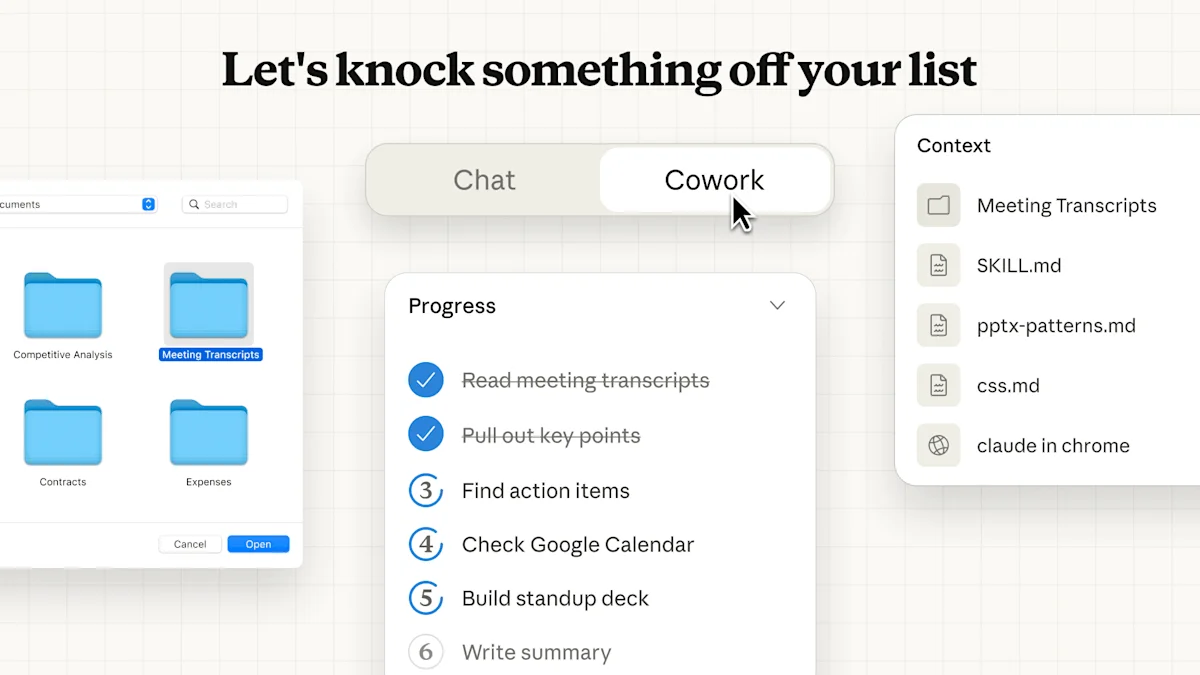
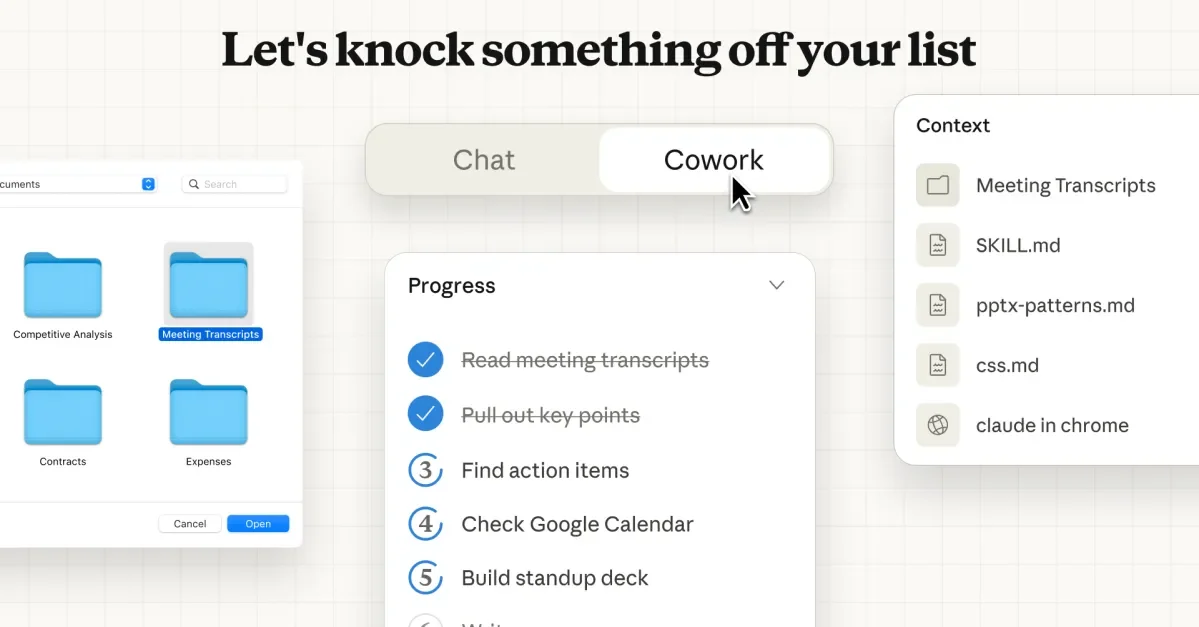
Anthropic is unveiling Claude Cowork, a preview that lets non-developers use Claude to manage files in a folder, rename and organize downloads, convert receipts to spreadsheets, and even browse websites via a Chrome plugin and the Connectors framework. Tasks can be queued and run in parallel with minimal context required, but Claude can take destructive actions only with explicit access. For now, Cowork is limited to Claude Max subscribers on Mac (via the Claude macOS app) with a waitlist for others.
Anthropic unveiled Claude Cowork, a research-preview feature that lets Claude access a folder on your Mac to read, edit, or create files for non‑coding tasks, and to link with external tools (e.g., Asana, Notion) or Claude in Chrome. Available now to Claude Max subscribers ($100–$200/month) via the macOS app, with a waitlist for others. It builds on Claude Skills to expand AI agent capabilities while flagging safety risks like potentially destructive actions and prompt-injection concerns.
Anthropic's $200/month Claude Code subscription offers significantly cheaper usage than pay-as-you-go API plans, leading to workarounds like OpenCode CLI to avoid restrictions. The company prefers users to utilize their proprietary CLI to maintain control and gather data, though there are calls for them to open source it. The pricing strategy appears aimed at building ecosystem lock-in and long-term user engagement, despite criticisms of the approach and the potential for better open-source alternatives.
The latest Claude Code update introduces features like real-time diagnostics with LSP, asynchronous sub-agents for multitasking, Ultrathink Mode for complex reasoning, and expanded integrations with Slack, Chrome, and mobile, all aimed at enhancing developer productivity and collaboration.