Amgen's shares dropped after disappointing trial results for its weight-loss drug MariTide, which showed high discontinuation rates due to gastrointestinal side effects, especially at higher doses, despite promising efficacy in weight loss; the company plans to adjust its Phase 3 trial strategy to mitigate these issues.

Amgen's obesity drug MariTide showed significant weight loss in a Phase 2 trial but had high side effects and discontinuation rates, prompting the company to plan a slower dosing schedule for future testing.
Early data from clinical trials indicate that the new obesity drug MariTide can help patients lose up to 20% of their body weight, offering a promising new treatment option for weight management.
Amgen's stock rebounded after concerns about its weight-loss drug MariTide causing bone mineral density loss were deemed "overdone" by analysts. Despite a 7% stock drop due to initial fears, experts argue that significant weight loss often correlates with reduced bone density. Amgen maintains confidence in MariTide, with Phase 2 trial results expected later this year. Analysts note that while rival drugs from Eli Lilly and Viking Therapeutics may offer bone health benefits, the impact of MariTide remains uncertain pending further data.
Amgen's stock fell 7% after reports suggested its weight-loss drug, MariTide, may be linked to bone mineral density loss. Analyst Olivia Brayer maintained an overweight rating but highlighted concerns over a dose-dependent increase in bone density loss. This poses a significant risk for Amgen, as MariTide competes with similar drugs from Novo Nordisk and Eli Lilly. The potential side effect could affect the drug's commercial viability, especially as competitors' drugs may increase bone density.
Amgen is developing an injectable weight loss drug called MariTide, which takes a different approach from existing treatments by blocking a gut hormone receptor called GIP. Early-stage trial data suggests that MariTide may help patients maintain weight loss even after stopping the drug, and the drug can be taken once a month or less frequently. Amgen's ongoing phase two trial will provide more clarity on the drug's effectiveness and tolerability, with initial results expected later this year.
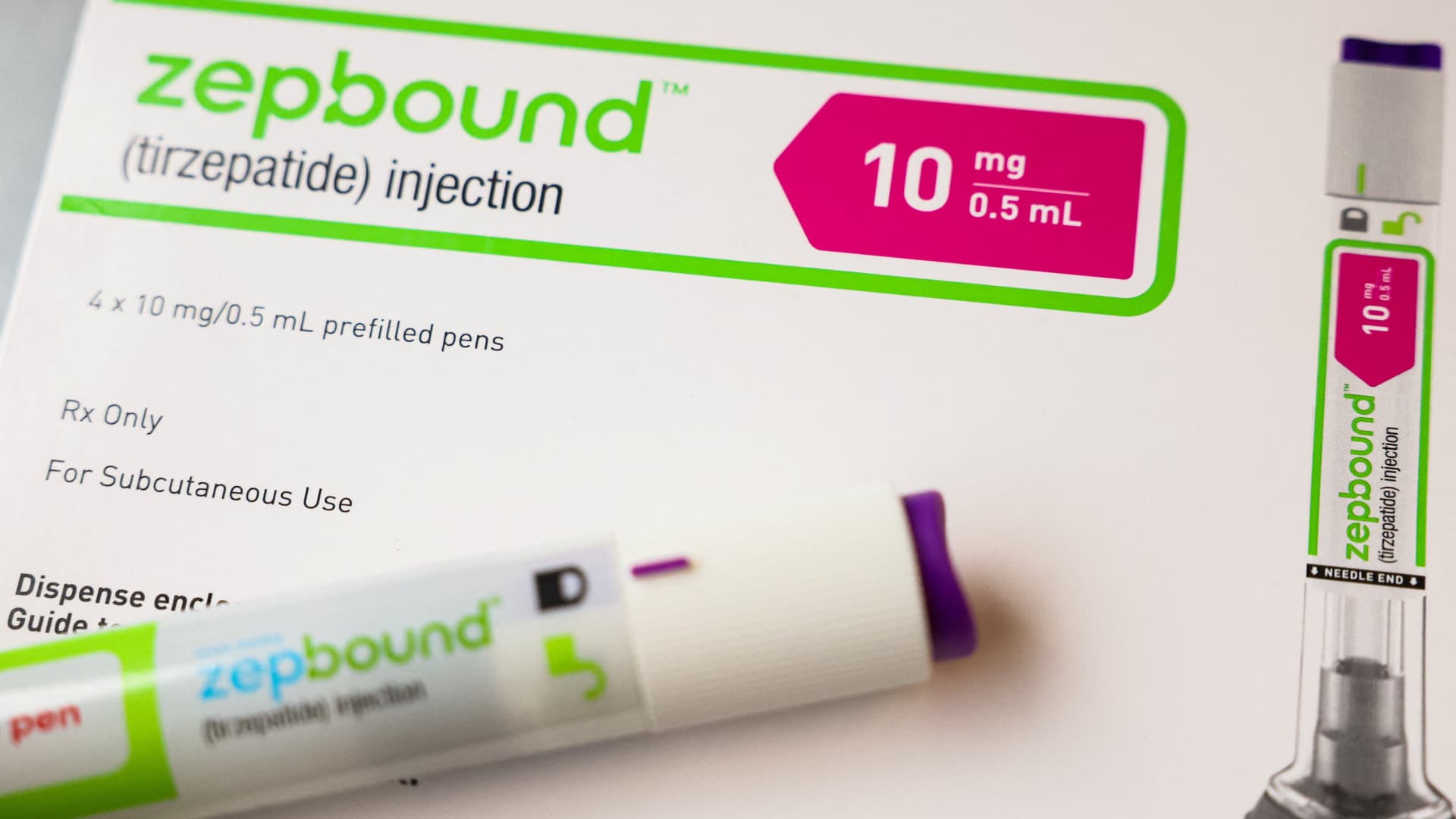
Amgen is testing a unique strategy with its obesity drug candidate, MariTide, to see if it can be tapered down to lower or less frequent doses over time, potentially providing longer-lasting weight loss than existing popular obesity drugs like Wegovy and Zepbound. The ongoing Phase 2 trial aims to titrate participants up on MariTide and then transition them to a less intensive dosing regimen to assess the drug's effectiveness, challenging the current expectation of lifelong consistent dosing for obesity drugs.