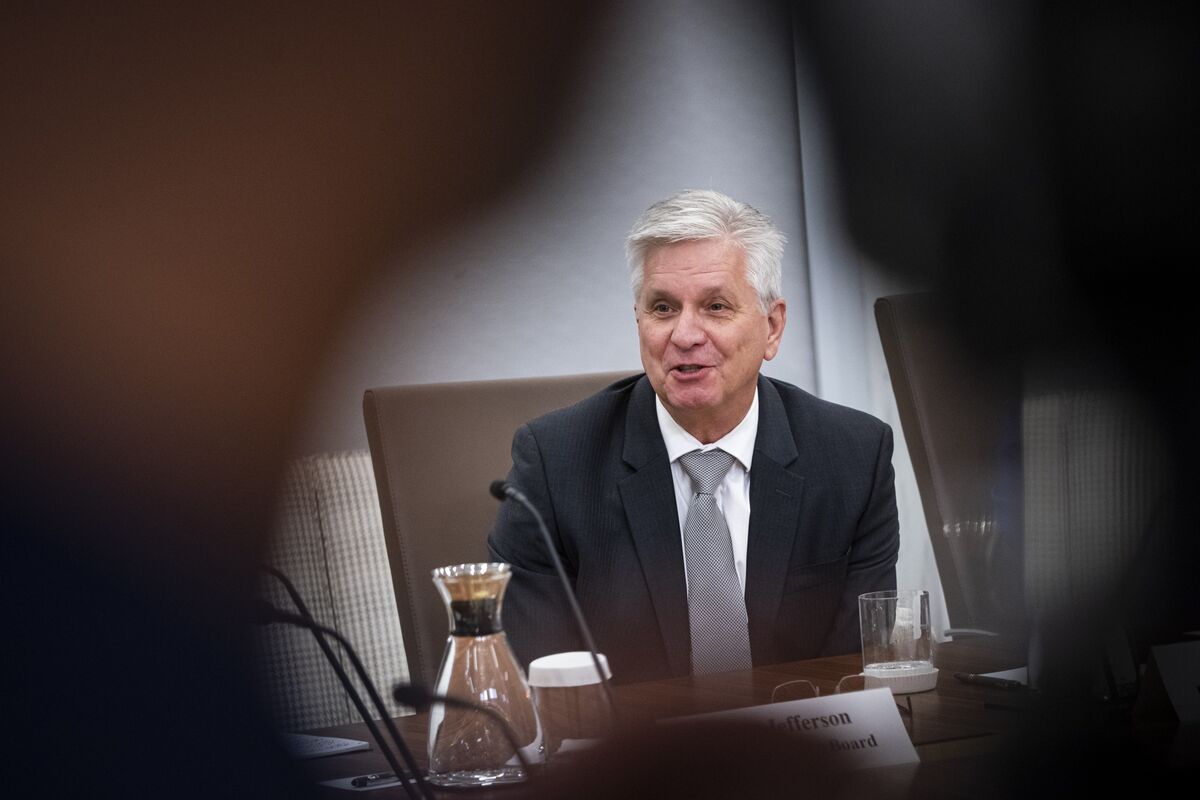
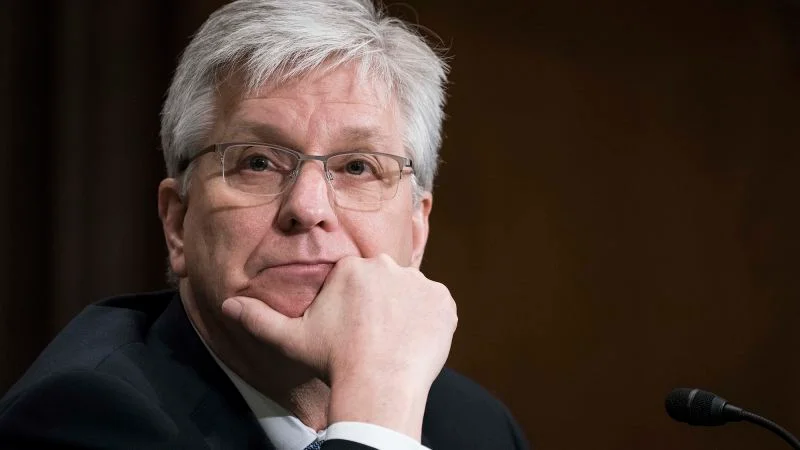
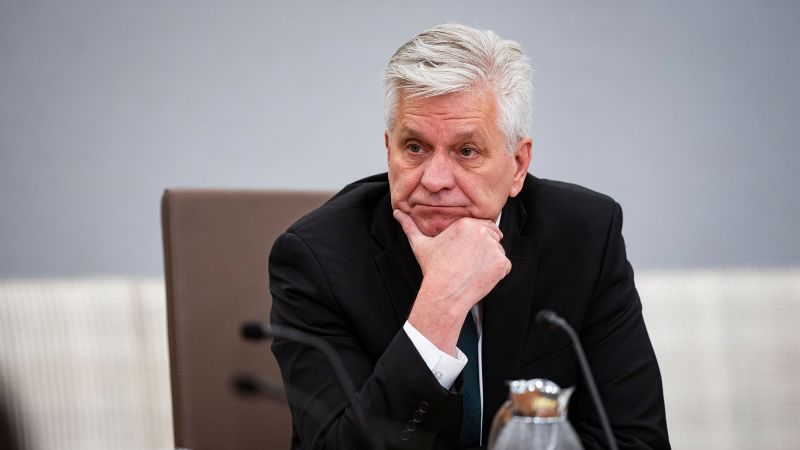
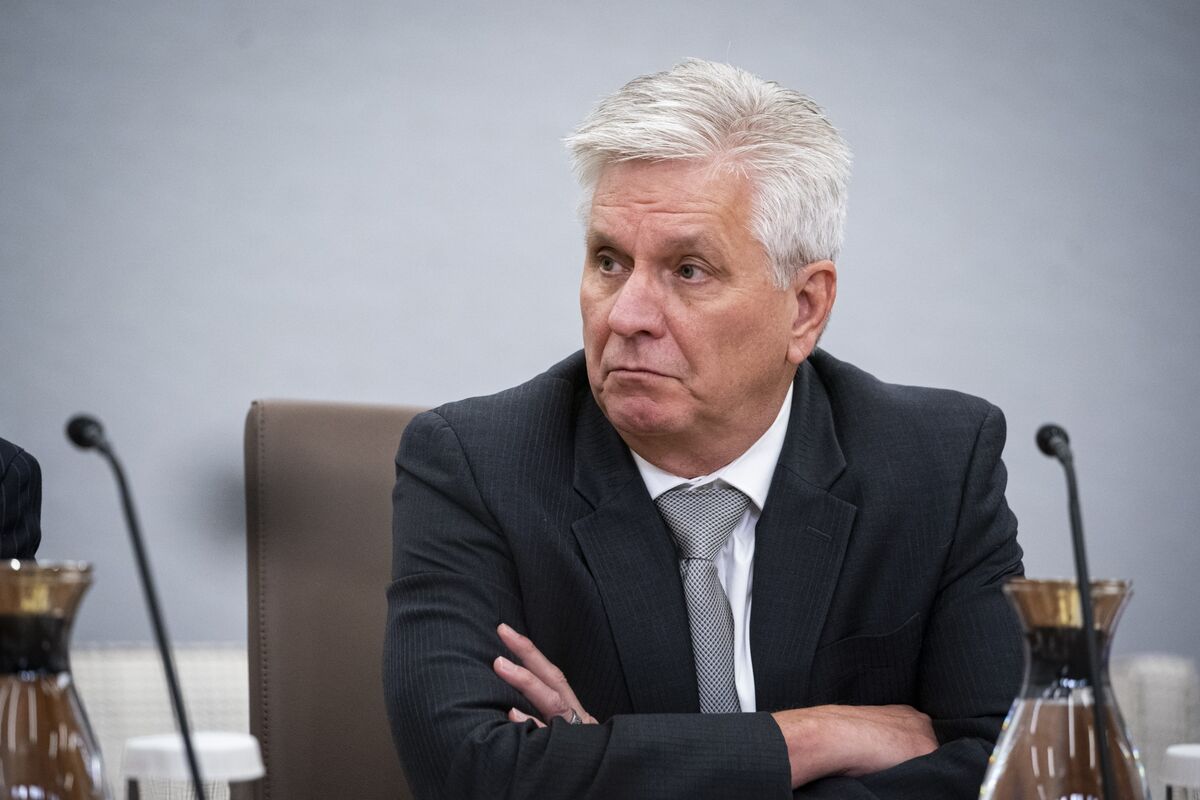
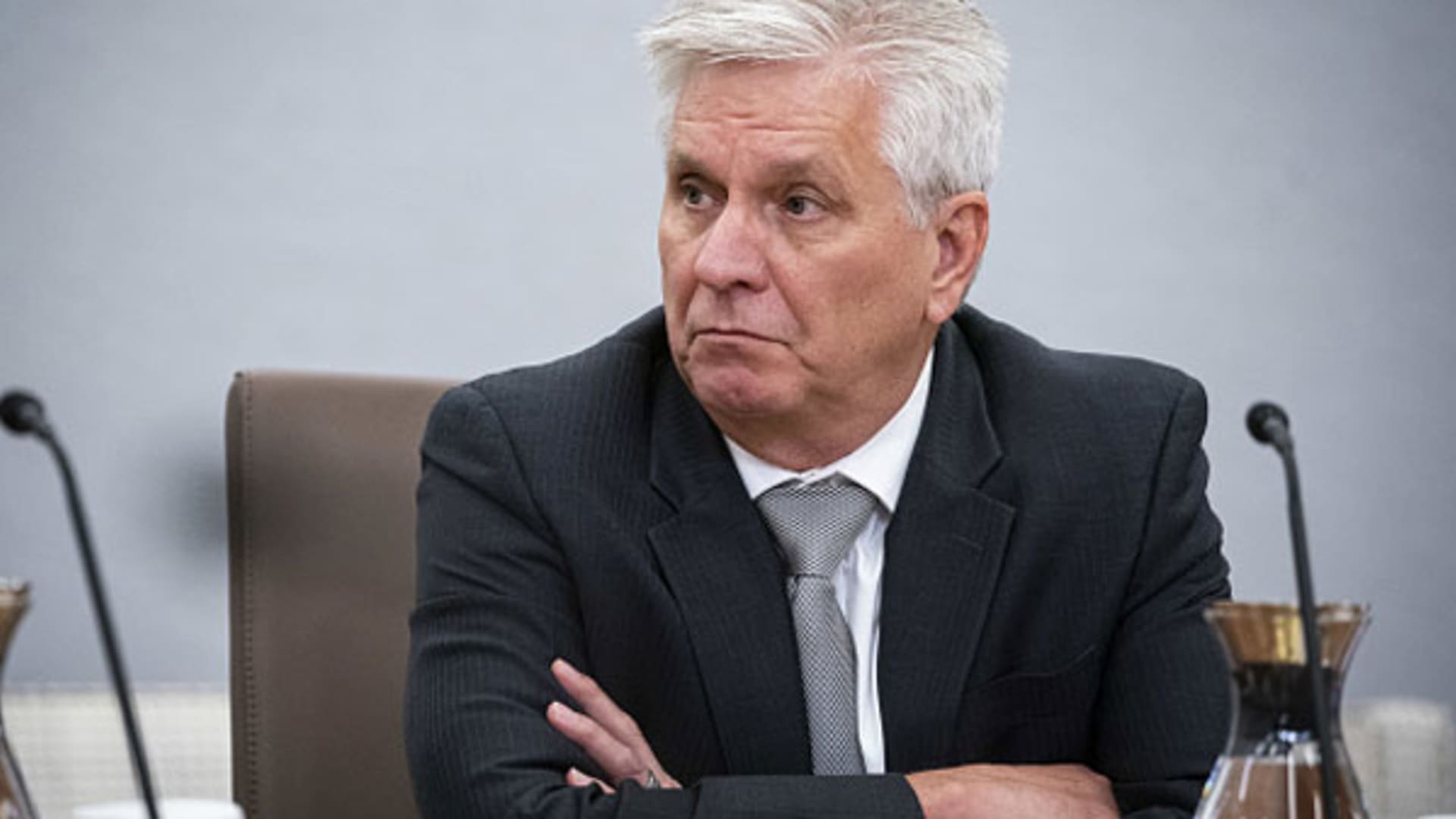
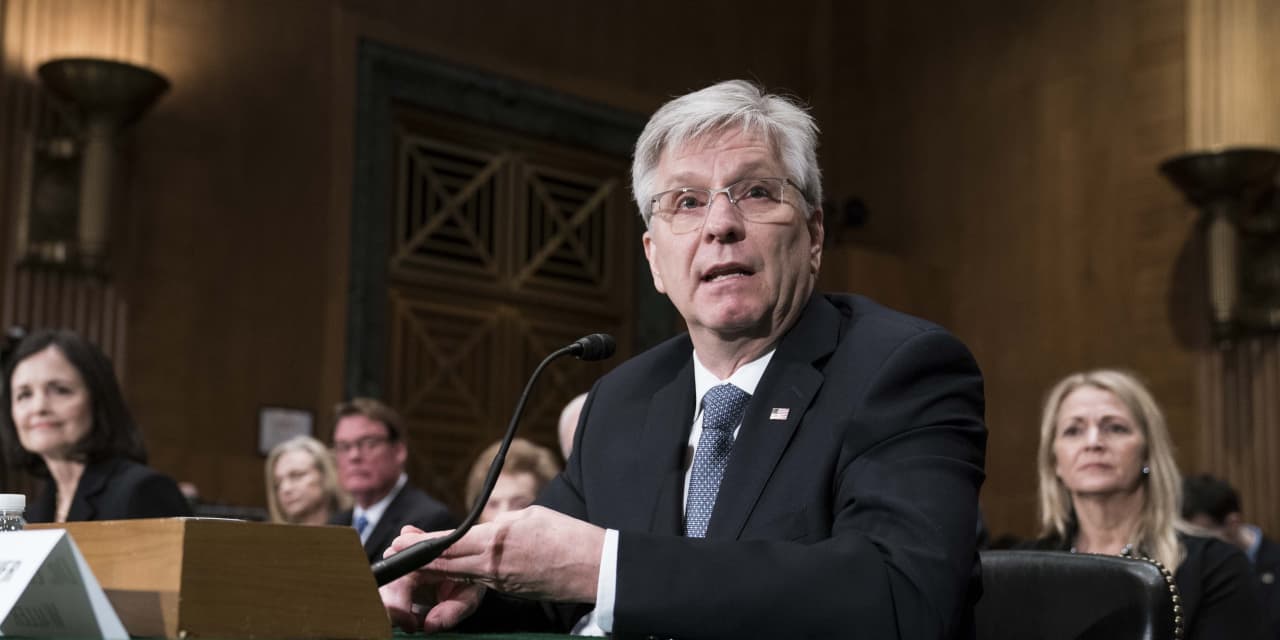
Federal Reserve Governor Christopher Waller had a positive interview with President Trump for the Fed chair position, focusing on the labor market and economic issues, amid ongoing discussions about rate policies and job creation. Trump praised Waller but has not yet made a final decision, with other candidates also being considered.
Federal Reserve Governor Christopher Waller indicated that interest rates could be reduced by as much as a full percentage point, signaling potential easing of monetary policy.
Economists favor Christopher Waller to lead the Federal Reserve, but there is an expectation that President Trump will choose a loyalist for the position.
Prediction markets now favor Federal Reserve Governor Christopher Waller as the next Fed chair, with his odds surpassing 50% on Kalshi, driven by reports of his openness to flexible monetary policy and recent political support from President Trump, positioning him ahead of other candidates like Kevin Warsh and Kevin Hassett.
Federal Reserve Governor Christopher Waller is emerging as a leading candidate to become the next Fed Chair under President Trump, appreciated for his forecasting-based policy approach and deep Fed system knowledge, amid ongoing discussions and other contenders like Kevin Warsh and Kevin Hassett.
A top Fed official, Christopher Waller, advocates for a rate cut in July to maintain labor market strength, contrasting with other officials who prefer to wait due to ongoing economic resilience and inflation concerns, amid political pressures from President Trump.
Federal Reserve Board member Christopher Waller indicated support for interest rate cuts as early as July, aligning with President Trump's calls for lower borrowing costs, while suggesting a cautious approach to rate reductions amidst ongoing trade tensions.
Federal Reserve Governor Christopher Waller indicated he is inclined to support a reduction in interest rates at the upcoming December meeting, though he noted that upcoming economic data could influence his decision if it suggests a stronger inflation outlook.
Federal Reserve Governor Christopher Waller stated that recent disappointing inflation data supports holding off on cutting short-term interest rates, but did not rule out potential rate cuts later in the year. He emphasized the need to maintain the current restrictive stance to help keep inflation on a sustainable trajectory toward 2%, while acknowledging that rate cuts could become appropriate as progress is made in lowering inflation. Waller's comments reflect the Fed's cautious approach amid unexpectedly strong inflation, with Chairman Jerome Powell highlighting the need to carefully balance policy risks.
Federal Reserve Governor Christopher Waller stated that he needs more evidence of cooling inflation before supporting interest rate cuts, citing higher-than-expected inflation readings for January. He expects the Federal Open Market Committee to begin lowering rates at some point this year but sees predominantly upside risks to his expectation that inflation will fall to the Fed's 2% goal. Waller emphasized the need for at least another couple of months of inflation data before judging whether January's high reading was a temporary bump or a more significant issue, and noted that the decision to be patient on easing policy is simpler given the strong economic indicators. Markets had previously priced in a high probability of a rate cut in March, but this has been pushed back to the June meeting, with uncertainty surrounding the timing and pace of cuts.
Federal Reserve official Christopher Waller expressed confidence that inflation will decrease to the Fed's 2% target level, signaling potential rate cuts by mid-year, though he cautioned against rushing the decision. Wall Street investors had anticipated a rate cut in March, but Waller's remarks tempered expectations. The Fed's focus has shifted to balancing inflation control with maintaining high employment, suggesting that rate cuts could be swift if economic indicators falter.
Christopher Waller, a Federal Reserve governor, stated that there is a case for cutting interest rates in 2024 as the economy comes into balance and inflation cools, although the timing of the cuts remains uncertain. He emphasized the need to lower interest rates as inflation falls to keep the real policy rate at an appropriate level of tightness, suggesting that any rate cuts should be done methodically and carefully.
Federal Reserve Governor Christopher Waller acknowledged the likelihood of interest rate cuts this year but advocated for a cautious and methodical approach, countering market expectations for aggressive easing. Waller emphasized the need to carefully monitor inflation and labor market performance before making any decisions, noting that the Fed is close to achieving its 2% inflation goal but requires more information. Market pricing indicates a 71% chance of rate cuts beginning in March, with expectations for a total of seven quarter-percentage point decreases by year-end.
Federal Reserve Governor Christopher Waller believes that while interest rate cuts may be possible this year, there is no need for rushed action. He emphasizes the importance of methodical and careful adjustments, citing the healthy state of the economy as providing flexibility for rate reductions when inflation decreases. Waller's outlook on the economy has made him more confident about inflation reaching 2%, but he stresses the need for changes in policy to be carefully calibrated and not rushed. The market has priced in seven rate cuts this year, despite Fed officials attempting to push back on these expectations.
Federal Reserve Governor Christopher Waller expressed confidence that current policy is well positioned to slow the economy and bring inflation back to 2 percent. While he acknowledged that inflation is still too high, Waller highlighted signs of moderating economic activity and easing supply chain pressures. He emphasized that monetary policy will be crucial in bringing inflation down further, and he will closely monitor upcoming data points, including the report on inflation as measured by personal consumption expenditures. Waller's remarks come ahead of the Federal Open Market Committee's policy meeting in December, where the committee is expected to hold interest rates steady but remain vigilant on inflation.