Nvidia announced a $5 billion investment in Intel and a partnership to develop chips for PCs and data centers, marking a significant shift in the semiconductor industry and boosting Intel's stock amid recent government and private investments, highlighting the intensifying AI and chip race.
Nvidia plans to acquire a $5 billion stake in Intel to co-develop data center and PC chips, signaling a major collaboration in the tech industry that has boosted Intel's stock and involves regulatory approval. The deal aims to integrate Nvidia's AI and GPU technology with Intel's CPUs, potentially transforming the computing landscape.
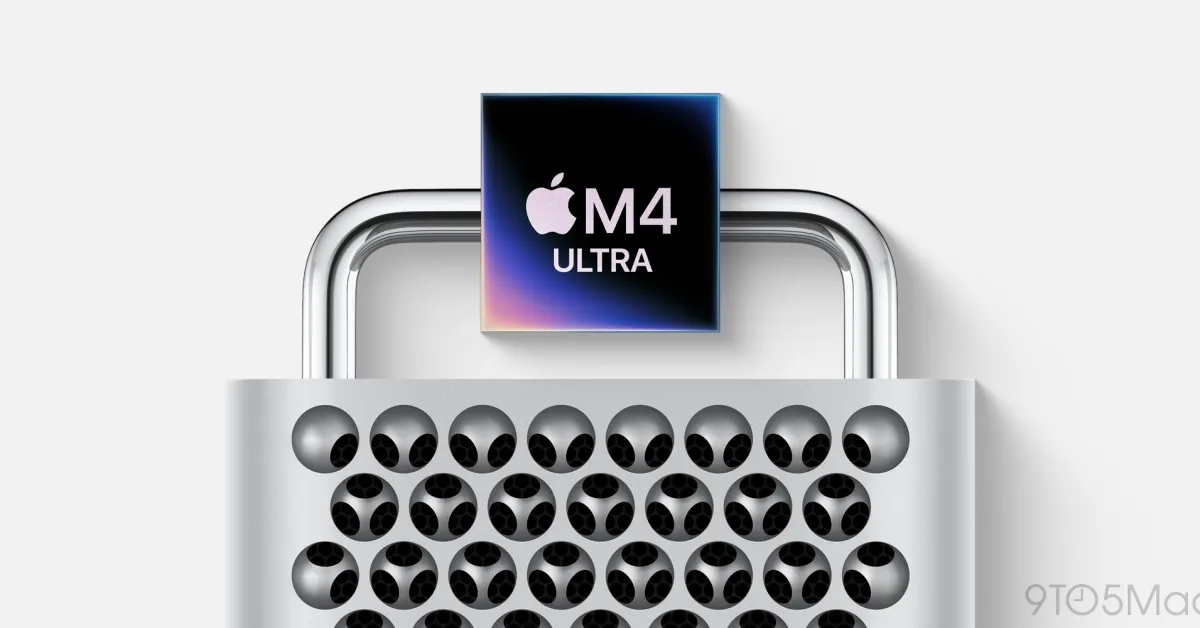
Apple's upcoming Mac Pro is expected to feature the new M4 Ultra chip, which is still in development, potentially offering a significant upgrade over current models and differentiating it from the Mac Studio. The delay in its release is linked to the chip's development process.
Oxmiq Labs, founded by Raja Koduri, has launched a startup that offers a licensing model for core GPU and AI chip technology based on open-source RISC-V, aiming to reduce chip development costs by up to 90% and make advanced computing more accessible for various applications and companies, including those in India.
Qualcomm is developing a new wearable chip, the SW6100, which features a significant upgrade with a new CPU configuration, improved process node, and better RAM support, potentially boosting Wear OS smartwatch performance and efficiency, with a possible release around 2026.
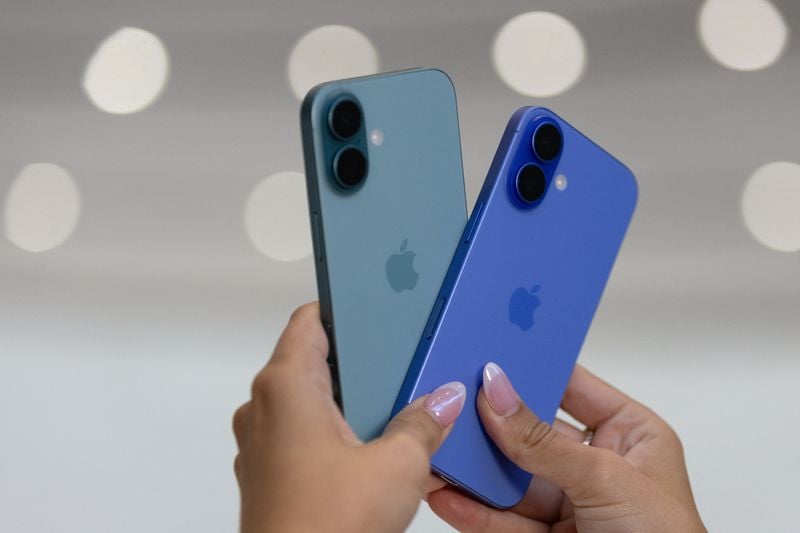
Apple plans to transition to its own in-house Bluetooth and Wi-Fi chips, code-named Proxima, for iPhones and smart home devices by 2025, replacing components currently supplied by Broadcom. These chips will be manufactured by Taiwan Semiconductor Manufacturing Co. This move is part of Apple's broader strategy to reduce reliance on external suppliers, including its upcoming cellular modem chips to replace Qualcomm components. Apple is also collaborating with Broadcom on a server chip for AI processing, despite challenges in reducing dependency on Nvidia's processors.
Meta unveils its next-gen custom AI chip, the Meta Training and Inference Accelerator (MTIA), built on a 5nm process with more processing cores, higher clock speed, and increased memory, delivering up to 3x better performance compared to its predecessor. While Meta is making strides in custom chip development, it faces pressure to cut costs and catch up to rivals like Google, Amazon, and Microsoft, who have already made significant advancements in custom AI chip technology.
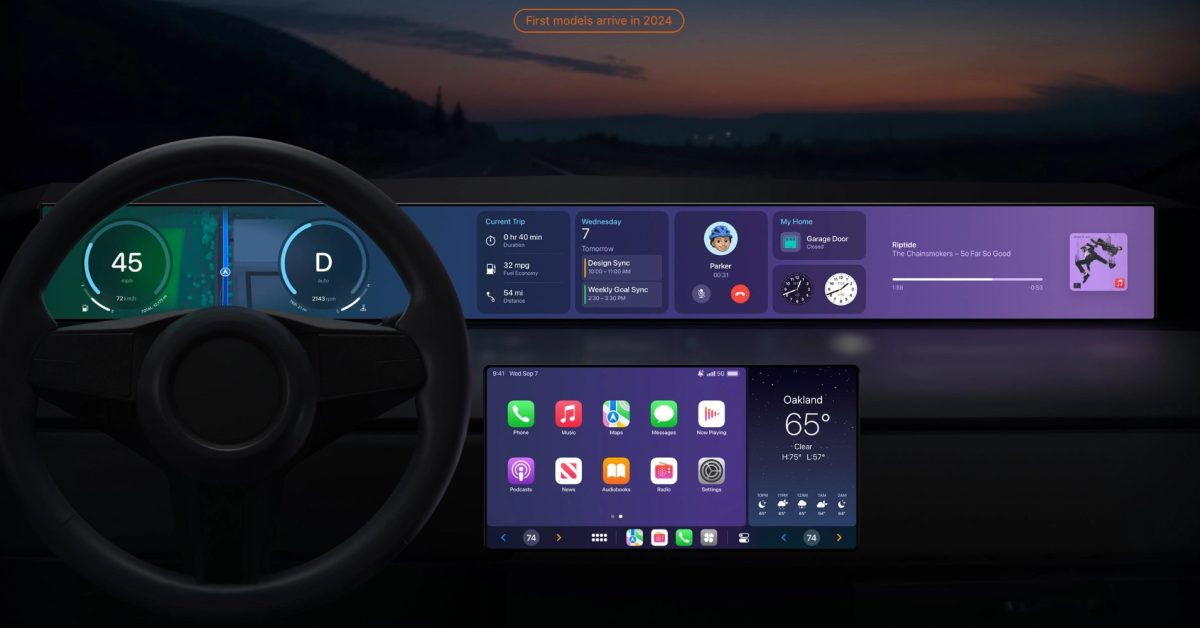
Apple's ambitious electric car project, known as "Titan," was canceled after 10 years and billions of dollars spent. Reports reveal that the company had developed a custom chip equivalent to four M2 Ultras for the car's advanced autonomous driving system. The chip's development was nearly finished before the project was discontinued, and some engineers working on the car project were reassigned to other teams at Apple. Despite efforts to negotiate with various car manufacturers, the challenges of building a fully autonomous car led to the project's end, costing Apple around $1 billion a year.
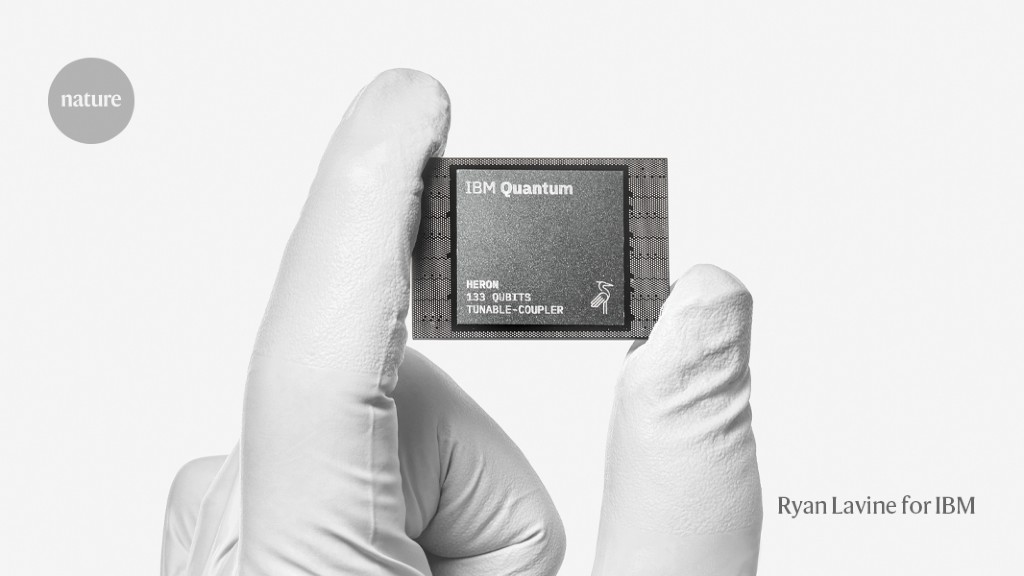
IBM has released the first quantum computer with over 1,000 qubits, but the company will now shift its focus to improving error resistance rather than increasing qubit count. The new chip, called Condor, follows IBM's previous record-setting machines. IBM plans to develop smaller chips with a new approach to error correction using the quantum low-density parity check (qLDPC) scheme, which could significantly reduce the number of physical qubits required for each logical qubit. While implementing qLDPC with superconducting qubits is challenging, IBM aims to add a layer to its quantum chip design to accommodate the extra connections needed. The company's roadmap aims to achieve useful computations by the end of the decade.
NVIDIA has introduced a new generative AI model called "ChipNeMo" to aid engineers in designing semiconductors, promising faster chip development and cost savings. The model, which supports up to 43 billion parameters, was trained using over a trillion tokens and can assist chip designers with critical questions and problem-solving. NVIDIA's NeMo model demonstrates the growing influence of generative AI across industries, including the semiconductor industry.
Apple's iPhone 15 has been released in around 40 countries, prompting eager fans to line up for hours to purchase the latest model. Despite strong demand and preorders, some fans have been disappointed by the phone's new features, including the absence of a chip that Apple had invested billions of dollars in developing.