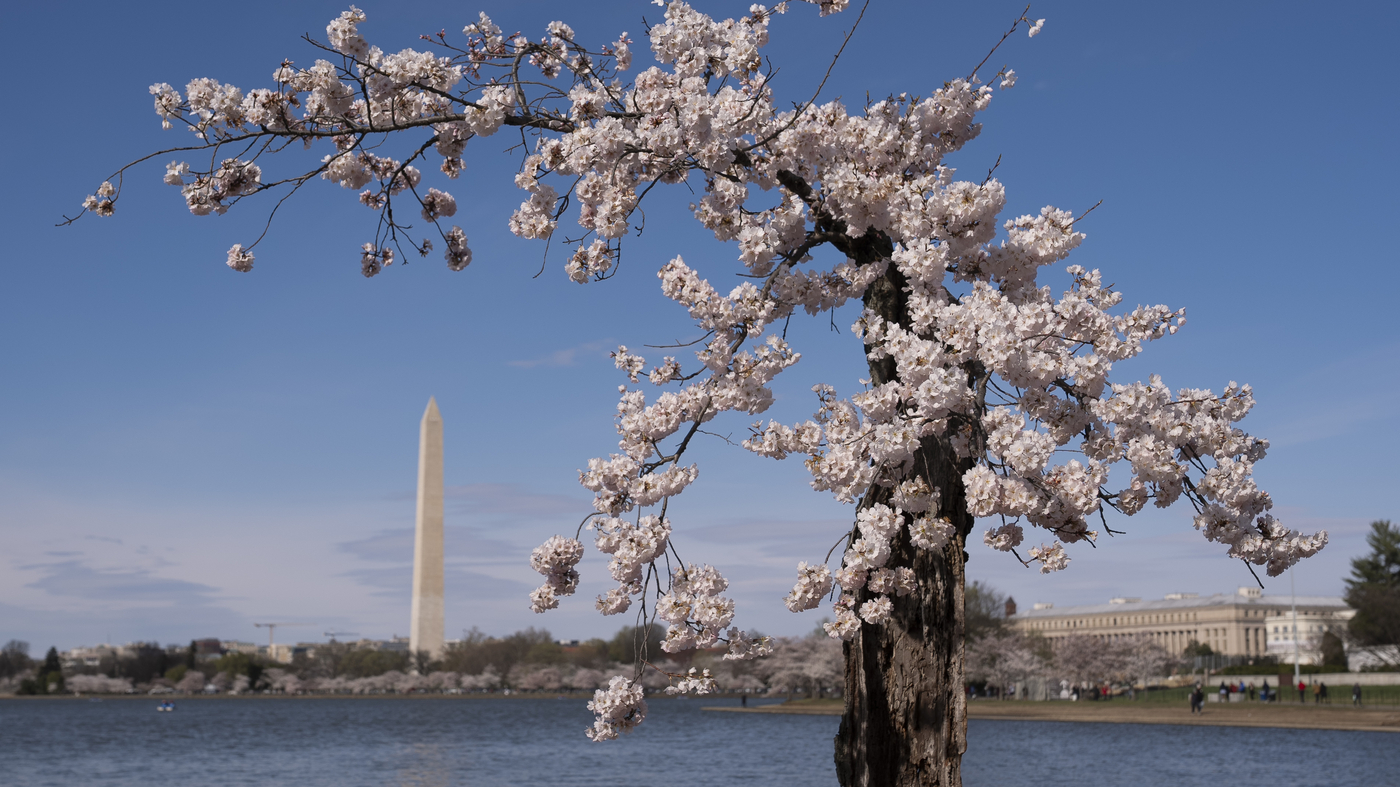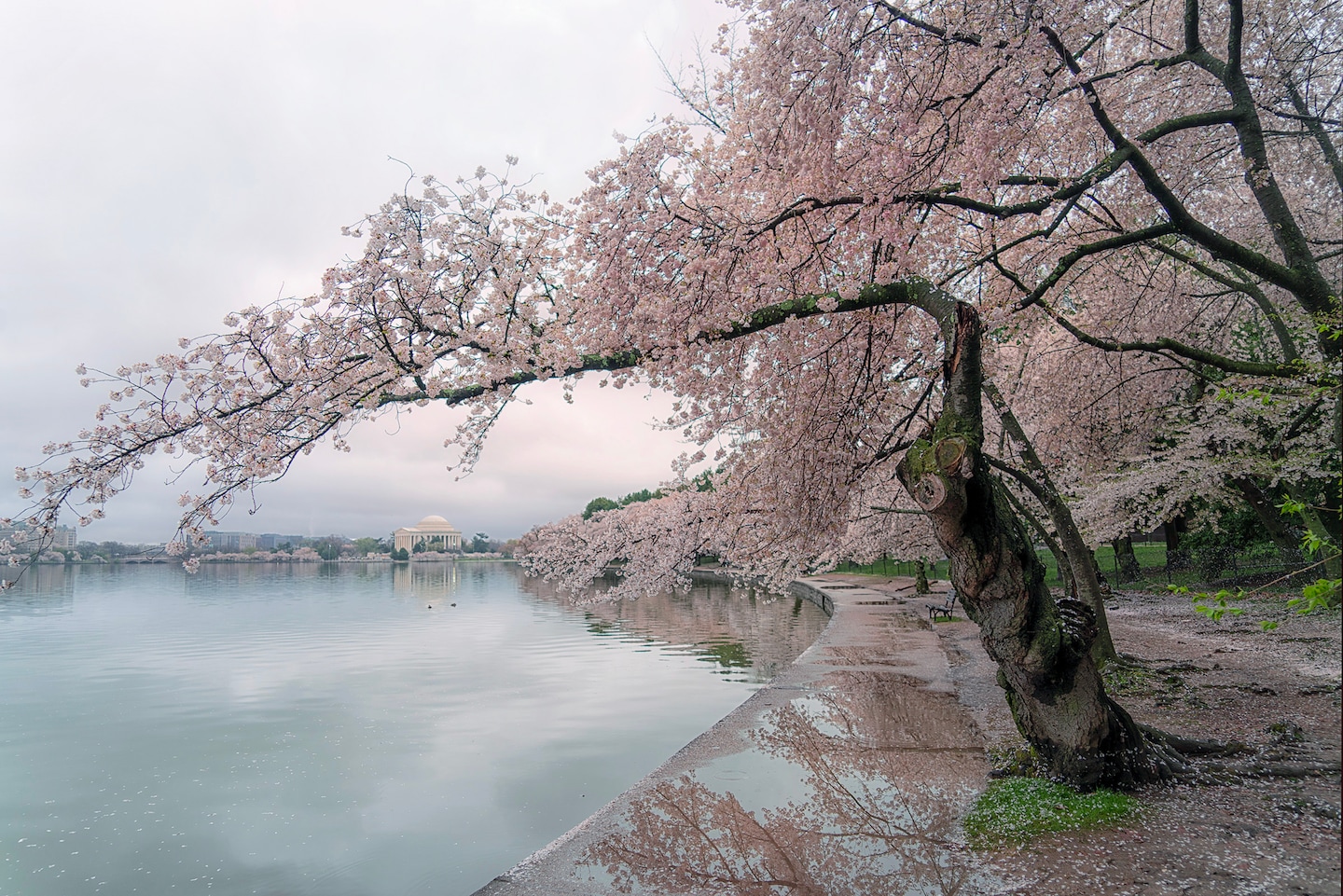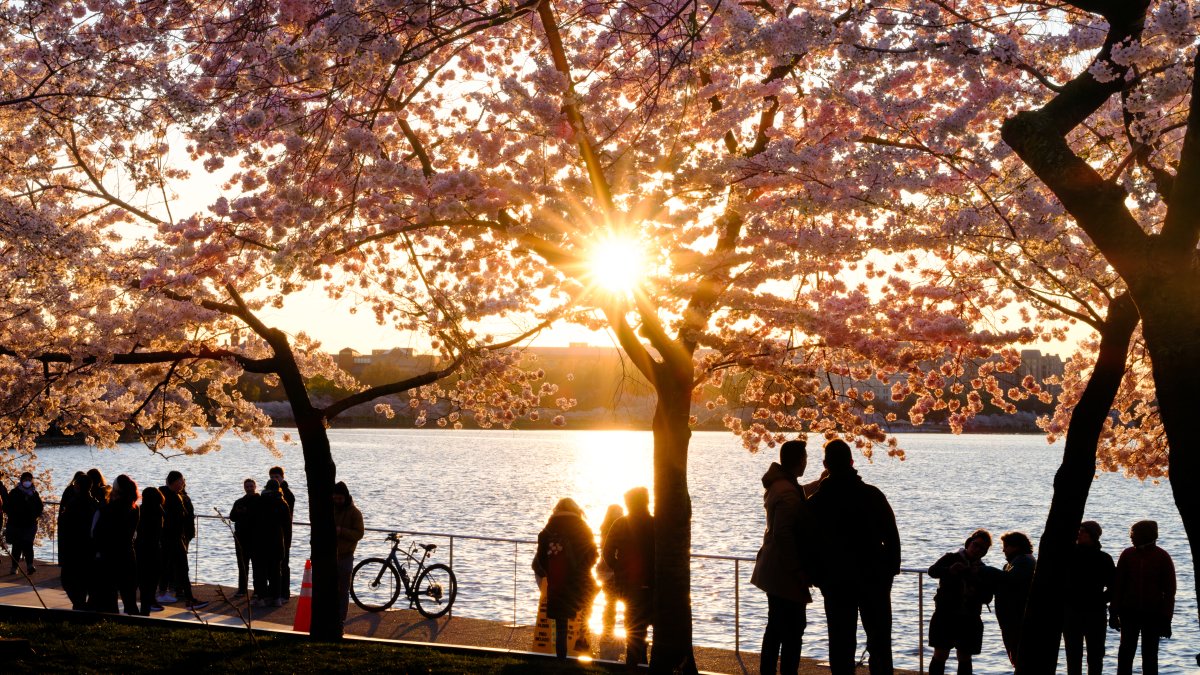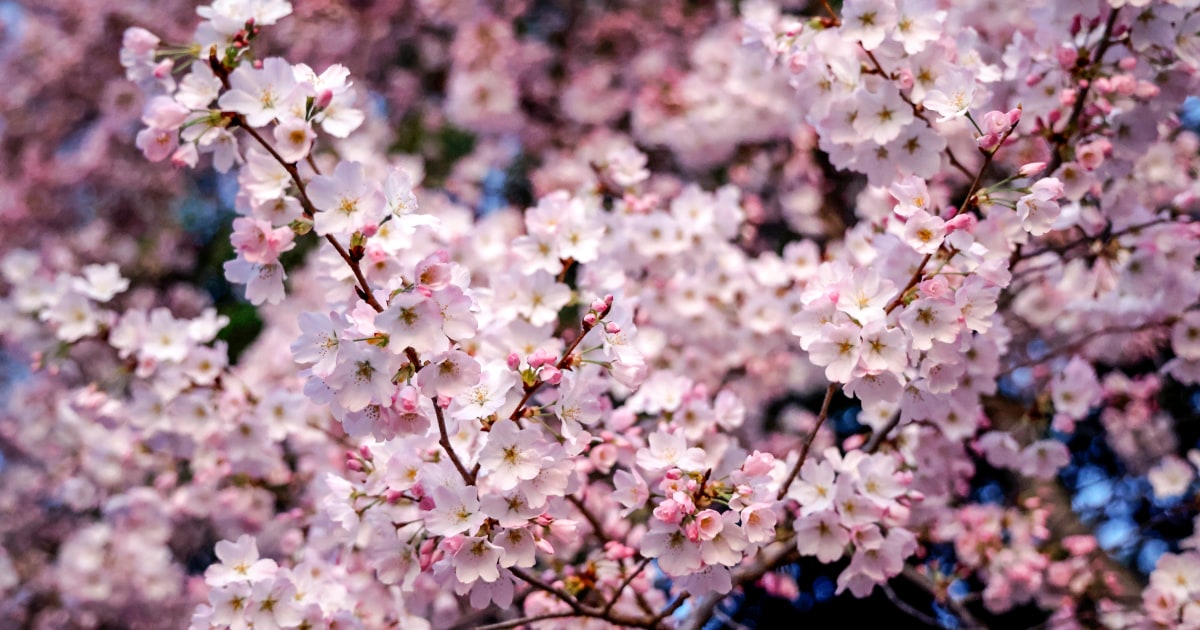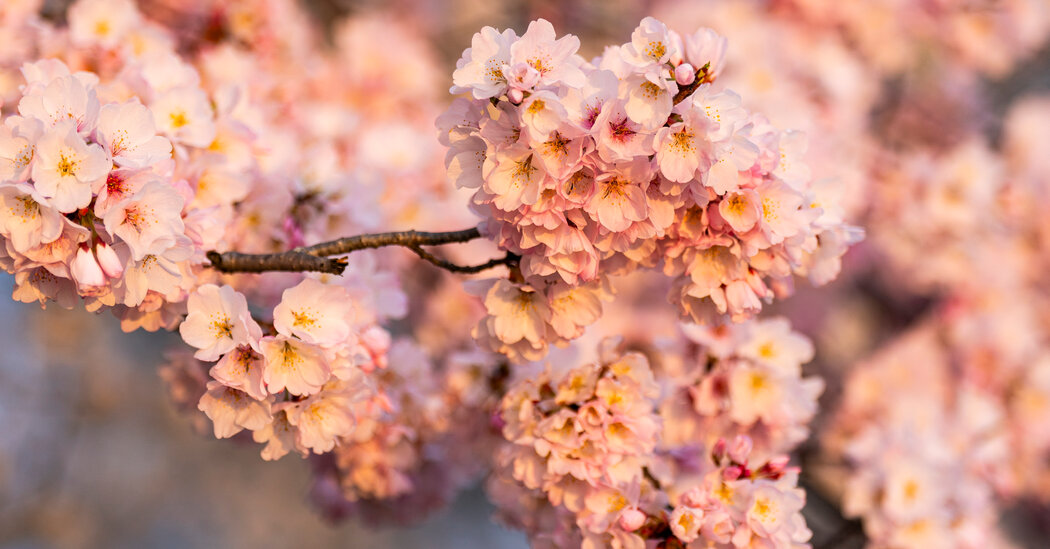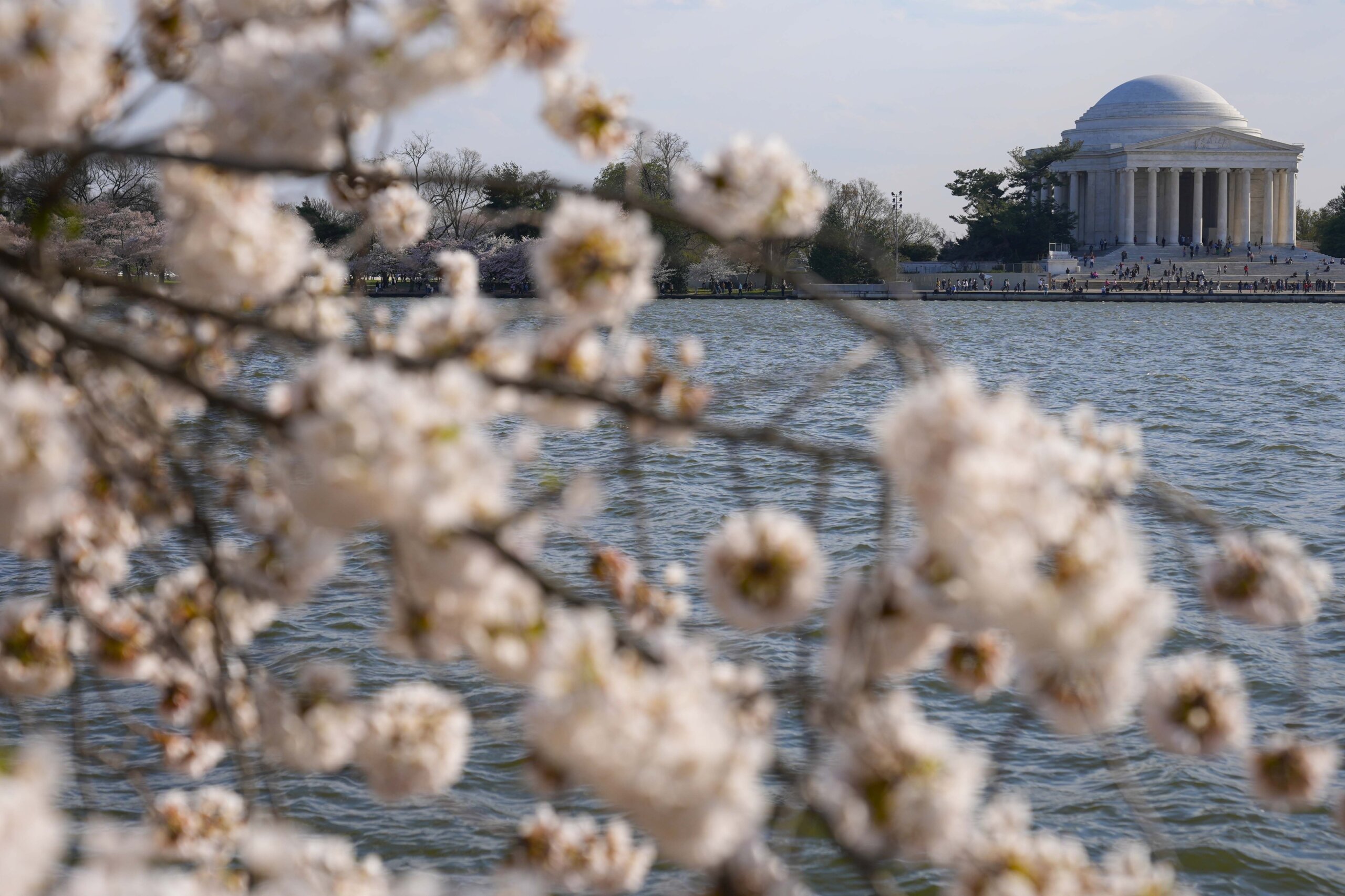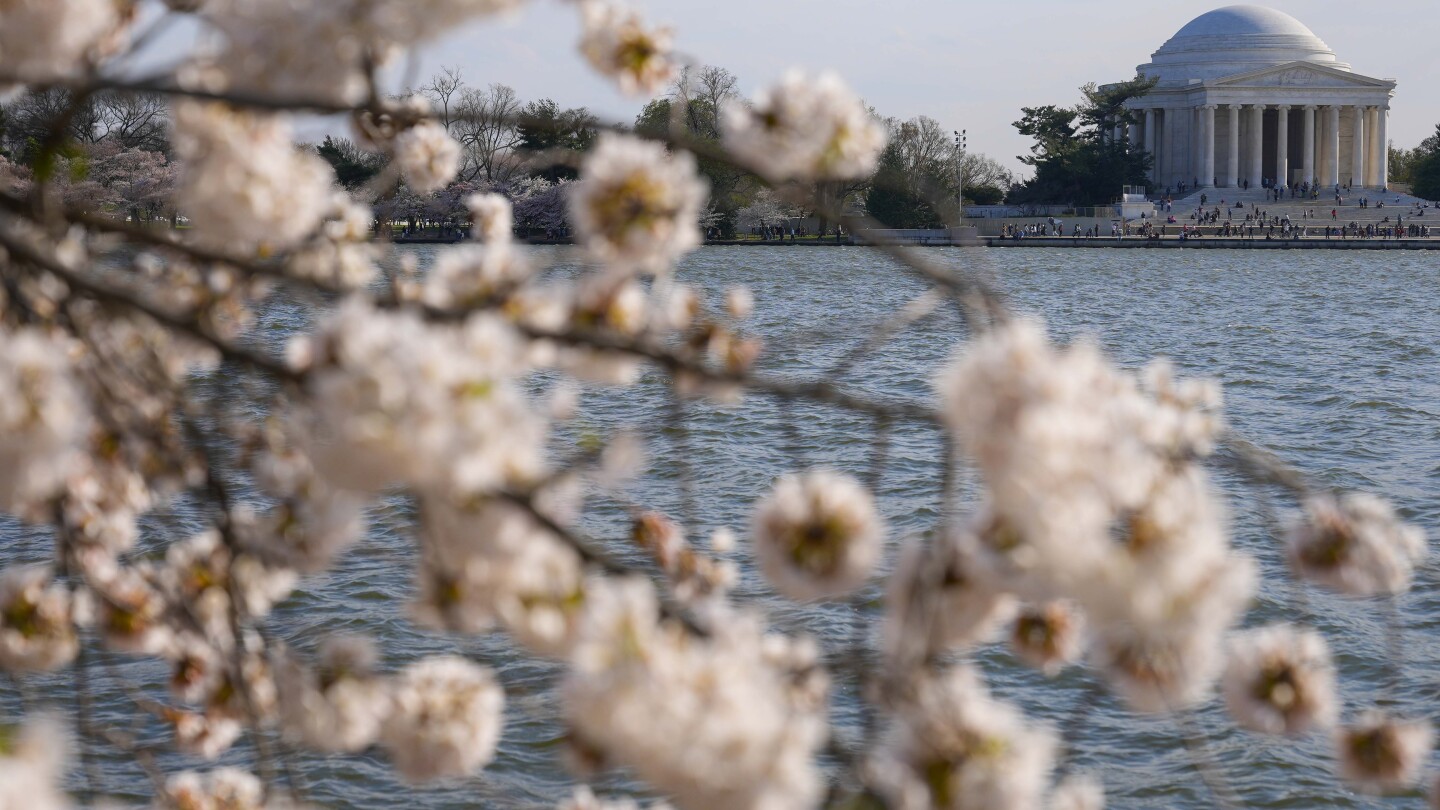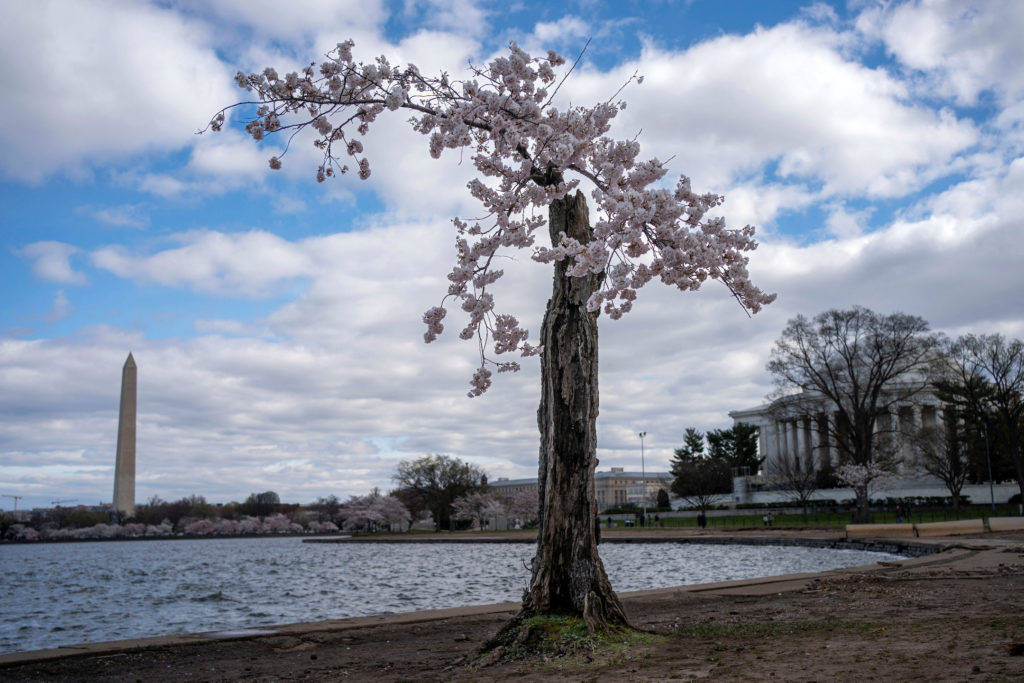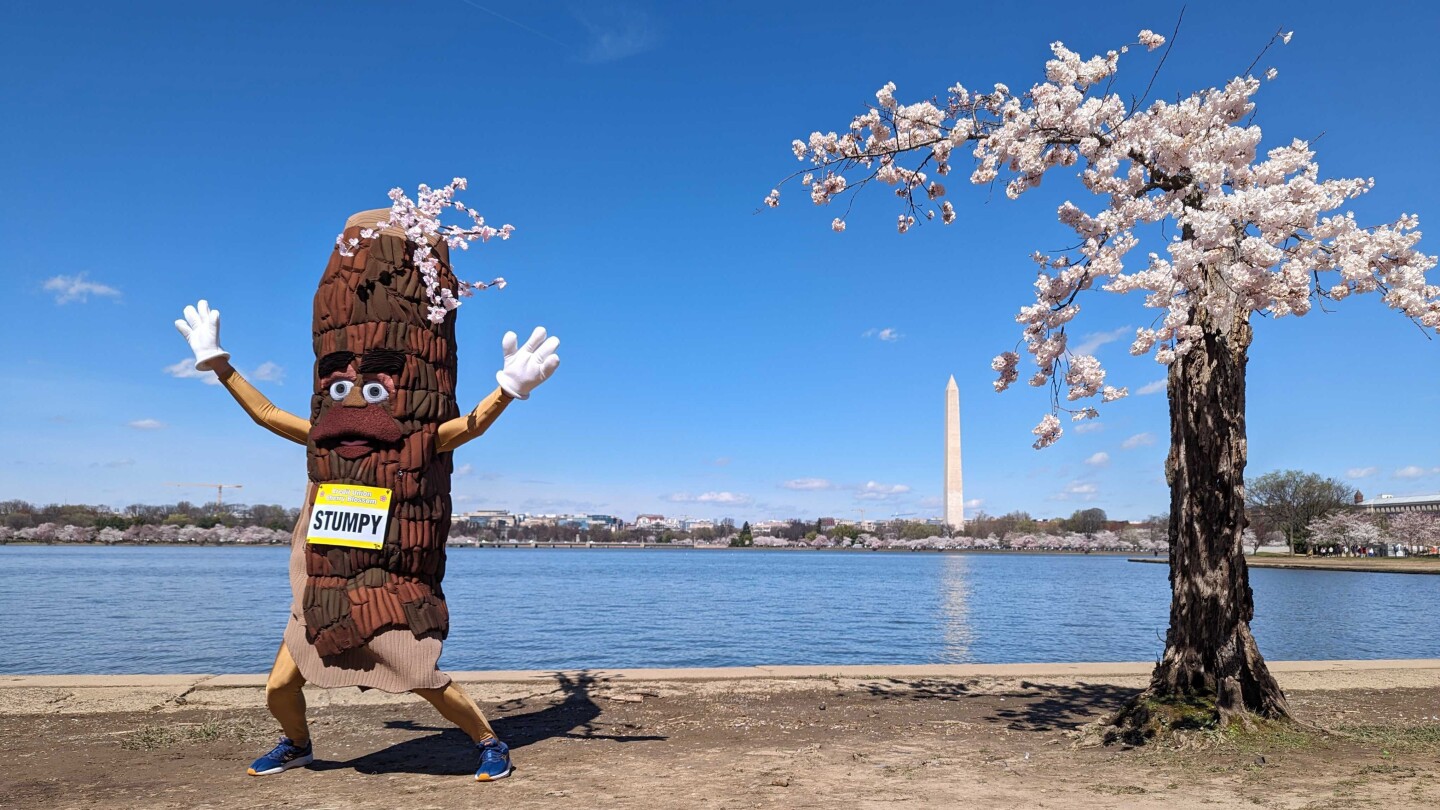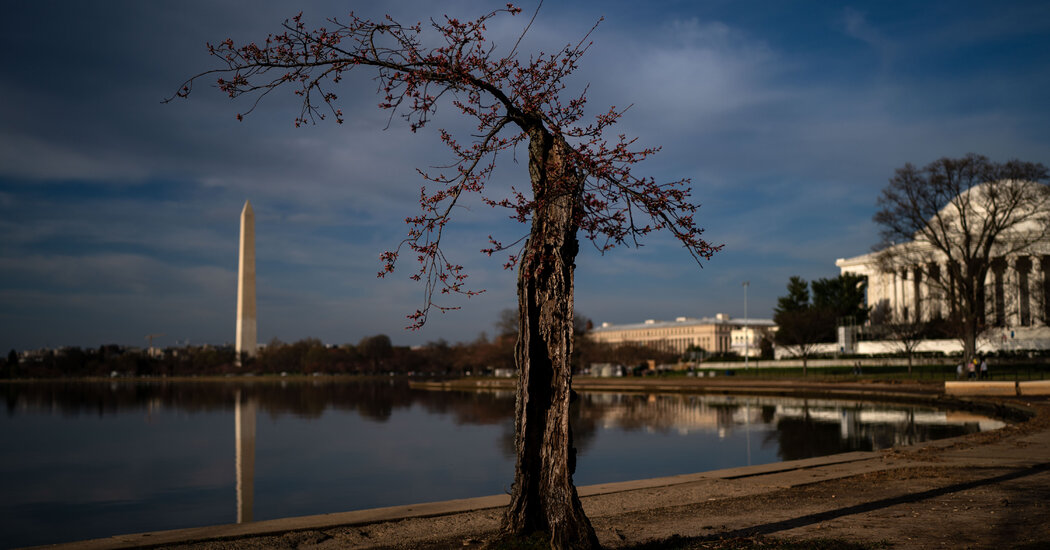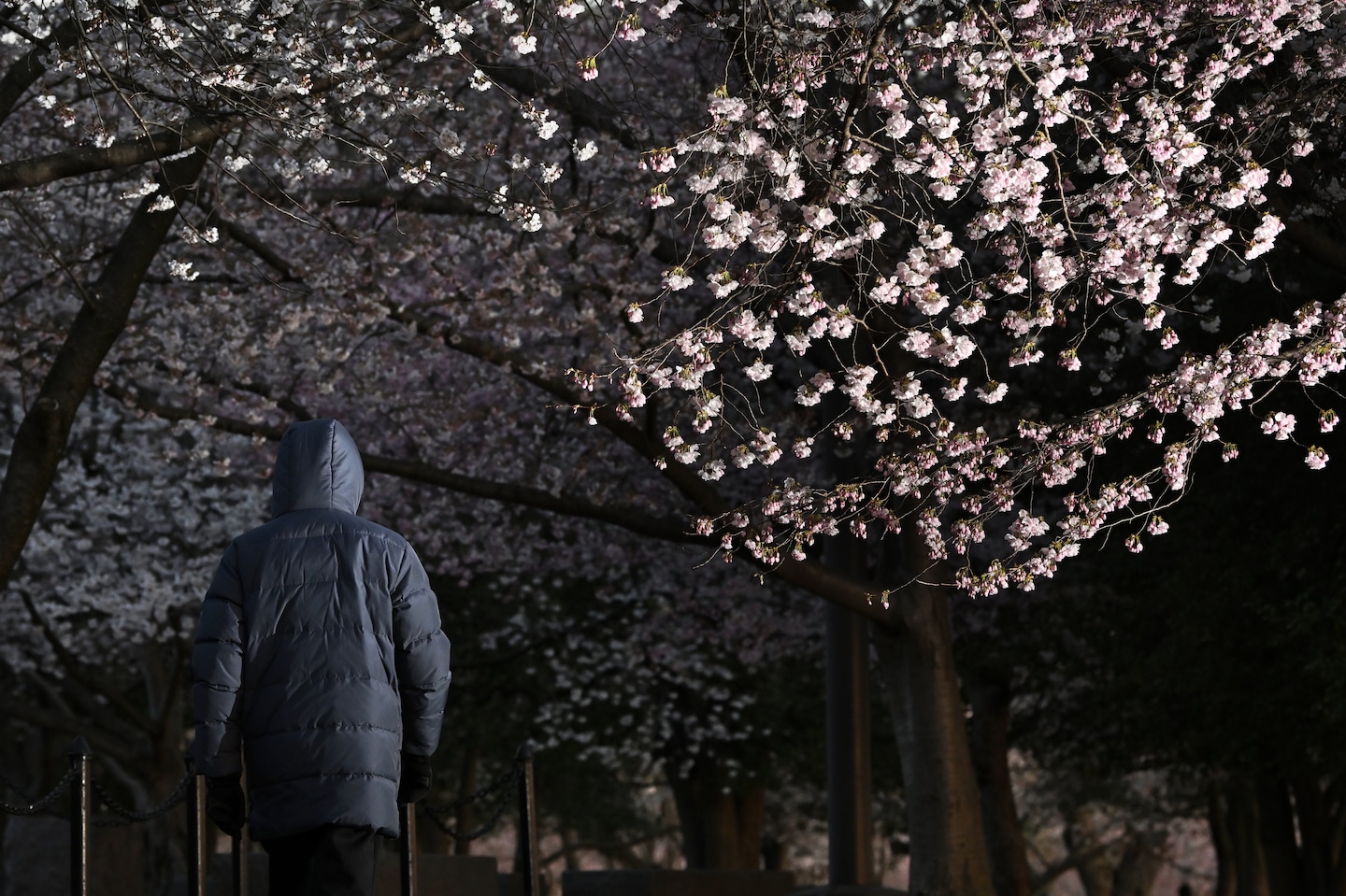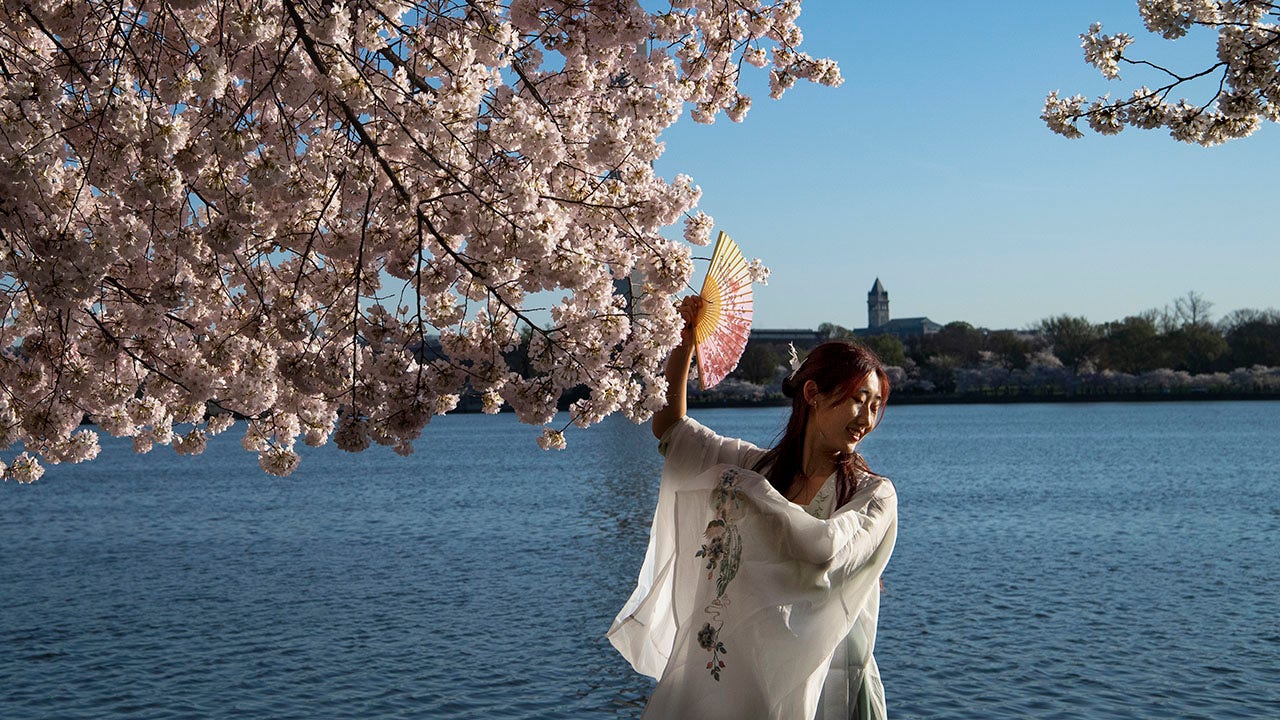
Japan is gifting the United States 250 new cherry trees to replace the hundreds set to be removed this summer in Washington, D.C., as part of a construction project around the Tidal Basin. The gift, announced by Japanese Prime Minister Fumio Kishida, symbolizes the U.S.'s 250th anniversary in 2026. The National Cherry Blossom Festival in Washington, D.C., celebrates the blooms of the cherry trees and the arrival of spring, with over 1.5 million attendees each year. The removal of the trees is necessary for repairs to the deteriorated seawall around the Tidal Basin, with one beloved tree, "Stumpy," set to be removed, sparking tributes and social media posts.
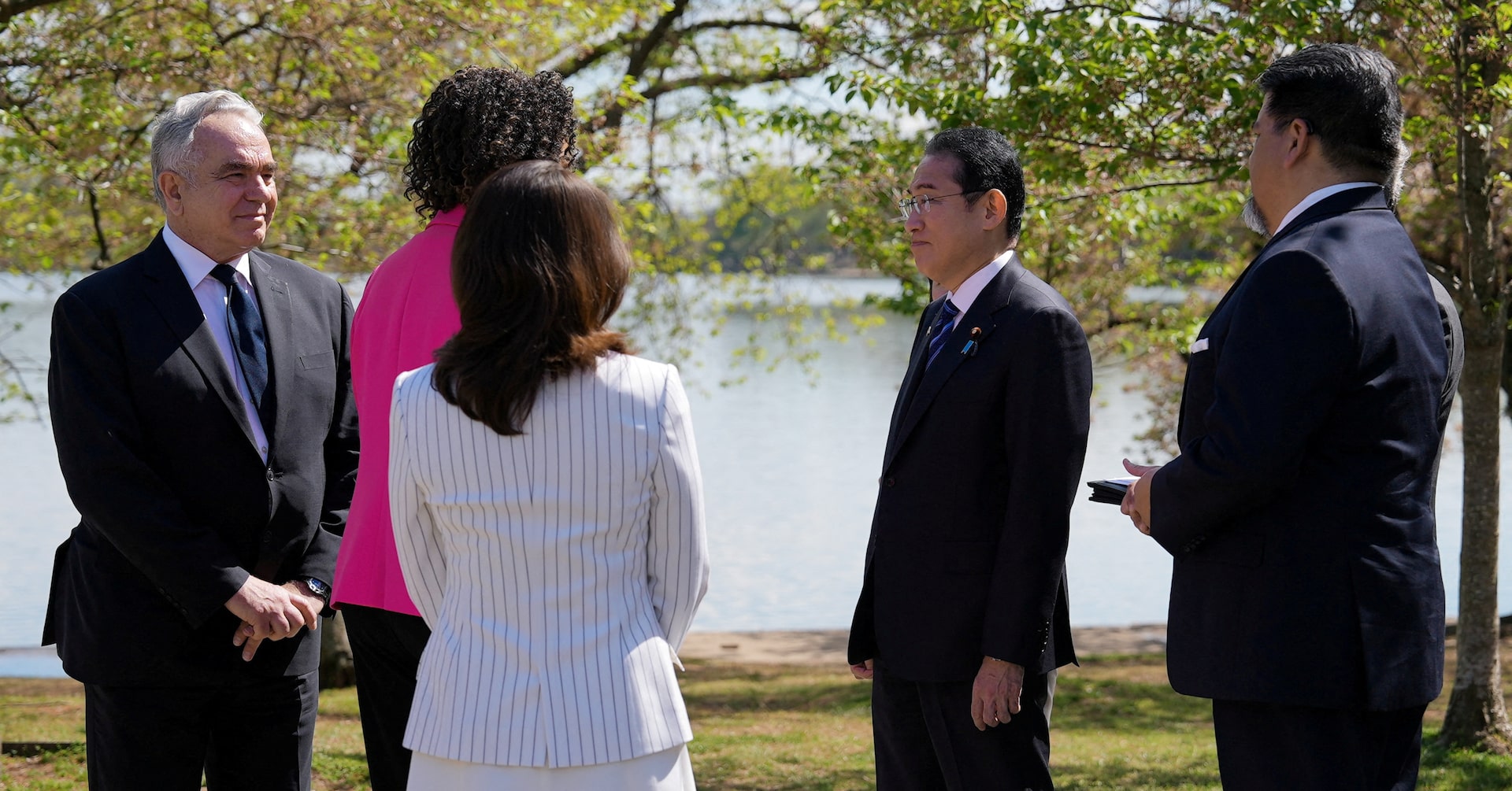
Japanese Prime Minister Fumio Kishida announced a gift of 250 cherry trees to Washington, D.C. in celebration of the 250th anniversary of U.S. independence during his speech to the U.S. Congress, emphasizing the close ties between the two countries. The cherry trees, to be planted at the historic Tidal Basin, symbolize the enduring friendship between the United States and Japan, which has strengthened since the catastrophic war between the two nations.
Japan is gifting the United States 250 new cherry trees to replace those being removed during construction around Washington, D.C.'s Tidal Basin. The gift, announced by Japanese Prime Minister Fumio Kishida during his visit to the White House, commemorates the 250th anniversary of the U.S. and symbolizes the enduring friendship between the two countries. The cherry trees, originally gifted in 1912, have become a symbol of the Japan-U.S. alliance. The replacement reflects the strong geopolitical alliance between President Joe Biden and Kishida as they discuss Pacific security, and the trees draw over 1 million visitors to Washington each spring.
Japanese Prime Minister Fumio Kishida announced the gift of 250 new cherry trees to the United States, commemorating the country's 250th anniversary and to replace some trees being removed for sea wall restoration near the Tidal Basin. The gesture symbolizes the enduring U.S.-Japan relationship, with three trees already planted at the White House. The visit and state dinner at the White House mark a renewed focus on military and defense coordination between the two nations.
Japan has gifted 250 new cherry trees to the U.S. to replace those that must be removed from the Tidal Basin for seawall repairs, with President Biden announcing the gift during a visit by Japanese Prime Minister Kishida. The trees, meant to honor the U.S.'s 250th birthday in 2026, symbolize the enduring bond between the two countries, which dates back to the original gift of 3,000 cherry trees in 1912. Biden highlighted the timeless and inspiring nature of the trees, emphasizing their significance in the friendship between Japan and the United States.
Japan has gifted 250 new cherry trees to the United States, replacing those that need to be removed from the Tidal Basin for repairs. The announcement was made during the state visit of Japanese Prime Minister Fumio Kishida and first lady Yuko Kishida to the White House, with President Joe Biden expressing gratitude for the gift, which symbolizes the enduring bond between the two countries. The original 3,000 cherry trees were a gift from Japan over a century ago and have since become a symbol of friendship and diplomacy.
Japan is gifting the United States 250 cherry trees to replace over 100 that will be removed during construction around the Tidal Basin in Washington. The gift, honoring the 250th anniversary of the signing of the Declaration of Independence, symbolizes the enduring friendship between the two nations. The original trees were a gift from the mayor of Tokyo in 1912, and the new trees will be planted near the Martin Luther King Jr. Memorial. The removal of the 140 trees is part of a project to build taller sea walls to protect the Jefferson Memorial, and the visit coincides with the National Cherry Blossom Festival.
Japan is gifting the United States 250 new cherry trees to replace those being removed during construction work around Washington's Tidal Basin. The gift, announced by Japanese Prime Minister Fumio Kishida during an official visit to the White House, symbolizes the enduring friendship between the two countries and marks the 250th anniversary of the U.S. The cherry trees, originally gifted in 1912, have become a symbol of the strong alliance between Japan and the U.S., and the new saplings reflect the continued growth of their bond.
Japan is gifting the United States 250 new cherry trees to replace those being removed during construction around Washington's Tidal Basin, with the announcement made during Japanese Prime Minister Fumio Kishida's visit to the White House. The gift symbolizes the enduring friendship between the two countries and coincides with discussions on Pacific security. The cherry trees, originally gifted in 1912, have become a symbol of the strong alliance between Japan and the U.S., and the new saplings will help maintain this bond.
Japan is gifting the United States 250 cherry trees to replace those being removed for construction around Washington's Tidal Basin, symbolizing the enduring friendship between the two countries. The gift was announced by Japanese Prime Minister Fumio Kishida during his visit to the White House, where he and President Joe Biden discussed the Pacific security situation. The cherry trees, originally gifted in 1912, draw over a million visitors to Washington each spring and serve as a symbol of the strong alliance between Japan and the U.S.
Washington, D.C.'s annual peak bloom event for its iconic cherry trees around the Tidal Basin marked the final bloom for 158 of the trees this year. The beloved cherry tree named Stumpy will see its last peak bloom, raising awareness about the impact of environmental changes and the need for conservation efforts.
Over 100 iconic cherry trees, including the famous Stumpy, will be cut down as part of a multiyear restoration project to replace the deteriorating seawall around Washington's Tidal Basin. The project, estimated to cost $133 million, aims to protect the cherry trees from regular flooding caused by rising sea levels. The National Cherry Blossom Festival, which marks the start of the tourist season, is expected to draw 1.5 million visitors this year. Climate change has also impacted the cherry trees, causing peak bloom to occur earlier in the calendar. Despite the loss of these iconic trees, efforts are being made to preserve their genetic material and create clones for future replanting.
The National Park Service plans to remove around 140 cherry trees in Washington, D.C. to make way for the construction of new sea walls to protect the area around the Jefferson Memorial. The existing sea walls, built in the late 1800s, have sunk as much as five feet and are no longer effective against tidal waves and storm surges. Despite efforts to minimize tree loss, the construction will begin after the conclusion of the National Cherry Blossom Festival.
The National Park Service plans to remove about 300 trees, including 140 cherry trees, around the Tidal Basin and West Potomac Park in Washington D.C. over a three-year period to rehabilitate crumbling sea walls. The project aims to protect the remaining trees and memorials for the next 100 years and will involve planting 455 trees, including 274 cherry trees, once completed. The removal of the trees is expected to begin later this spring, but there will be no construction activity affecting the annual National Cherry Blossom Festival in 2024.
Minecraft's Trails and Tales Update will be released on June 7th, adding new features such as bamboo and cherry trees, camels, Sniffers, and a new Overworld biome called The Cherry Grove. The update also includes new hanging signs, chiseled bookshelves, and armor customization options. The community-voted Sniffers can be brought back to life using the game's archeology mechanic. The long-awaited Minecraft movie has been given a new release date of April 4th, 2025.