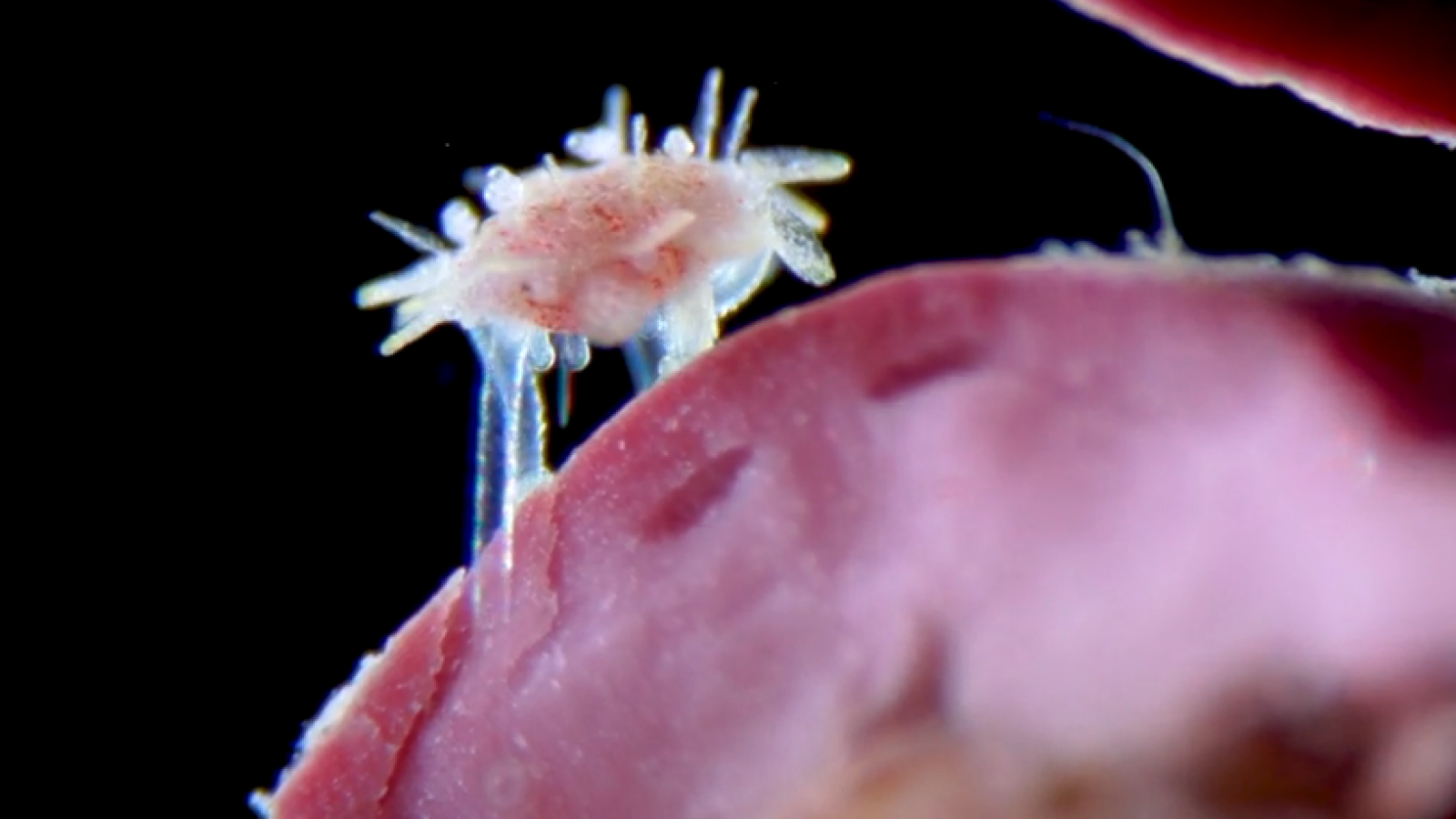
A stunning microscopic video of a baby sea urchin crawling on red algae, captured by zoologist Alvaro Migotto, won fifth place in the Nikon Small World in Motion competition, showcasing the intricate movement of juvenile Arbacia lixula in its natural habitat.

Nature's editors have selected the best science images of 2023, including stunning photos of cosmic dust, a flying gecko, and the James Webb Space Telescope's captivating images of space. Other notable images include a microfossil showing preserved muscle structures in early animals, a snake-like solar filament captured by an astrophotographer, and a starry cluster of yeast cells. These images highlight the beauty and diversity of nature while also shedding light on important scientific discoveries and the impact of climate change.
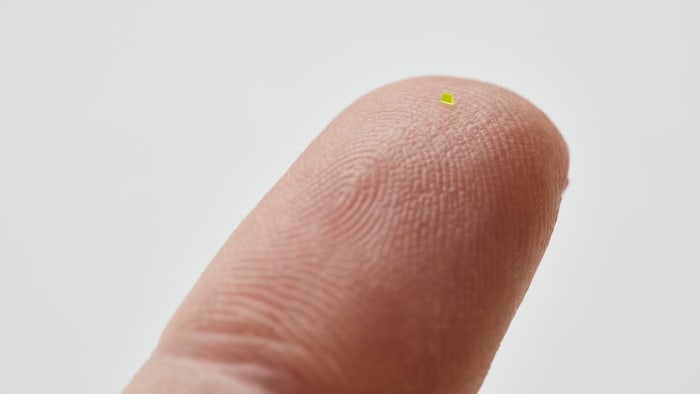
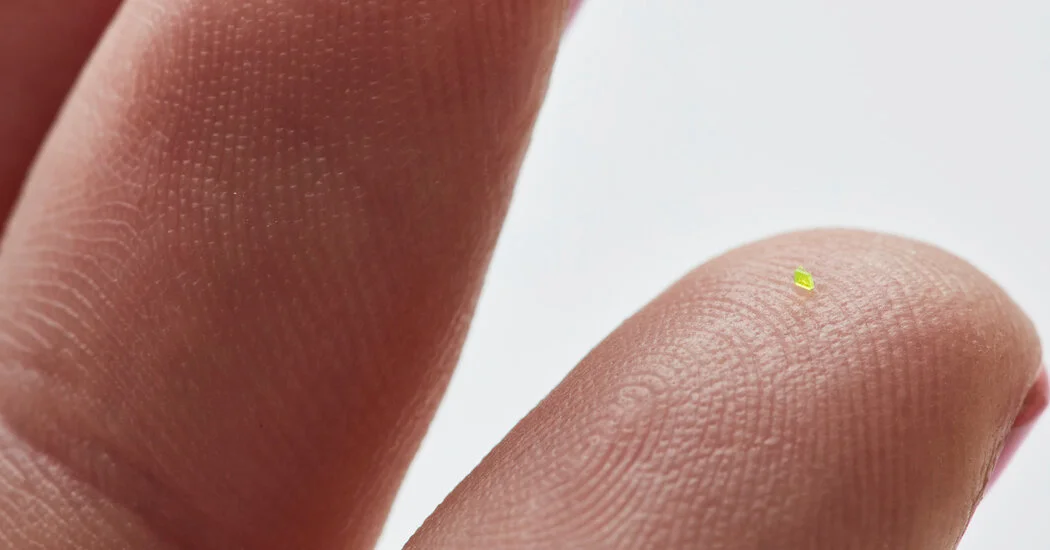
A microscopic handbag, smaller than a grain of salt, was sold for $63,000 at an online auction. Created by art collective MSCHF, the fluorescent yellowish-green bag was inspired by a popular Louis Vuitton design and made using two-photon polymerization technology.
Creative collective MSCHF is set to release its Microscopic Handbag, a tiny version of Louis Vuitton's OnTheGo tote that measures just 657 by 222 by 700 micrometers. The fluorescent green bag will be sold as part of an auction and is intended as a commentary on the trend for ever-shrinking luxury handbags. MSCHF has not sought permission to use Louis Vuitton's logo or design. The bag was created using two-photon polymerization, a kind of 3D printing for microscopic objects.
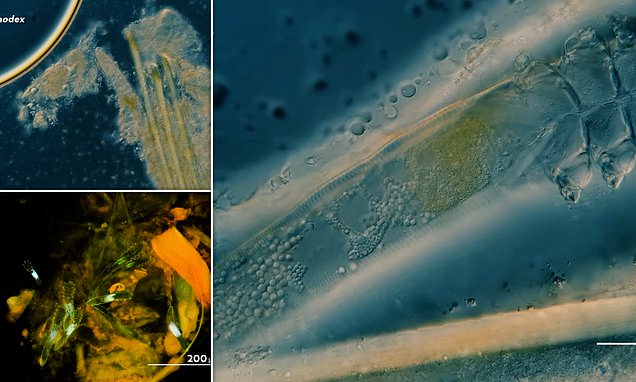
Demodex, tiny arachnids that consume skin cells and oils on the human body, are part of the arachnid class and are cousins of spiders and ticks. They usually come out at night to feast on dead skin cells on our face before retreating to hair follicles and oil glands to lay their eggs. Despite their frightful appearance, these mites are harmless and will go unnoticed, and can even help your skin by removing dead skin cells. Scientists estimate that somewhere between 23 per cent and 100 per cent of healthy adults have Demodex, although we wouldn't know about it until they cause skin problems.
Scientists have captured rare footage of a three-way between some tardigrades, involving two males who were seemingly drawn to a female as she defecated. The males both stuck at it for about 30 minutes before one moved on. The remaining male continued mating with the female for a further hour. Tardigrades have rich and varied sex lives, with some marine species being bisexual and exhibiting far more complex copulation behaviors than researchers expected. Investigations have even allowed us to visualize the cloaca, revealing it’s covered by a triangular pouch with one opening.