Aliko Dangote has become the first African-born billionaire to reach a net worth of over $30 billion, driven by growth in his cement and oil businesses, including new cement plants and an expanded oil refinery, marking a historic milestone in African wealth.
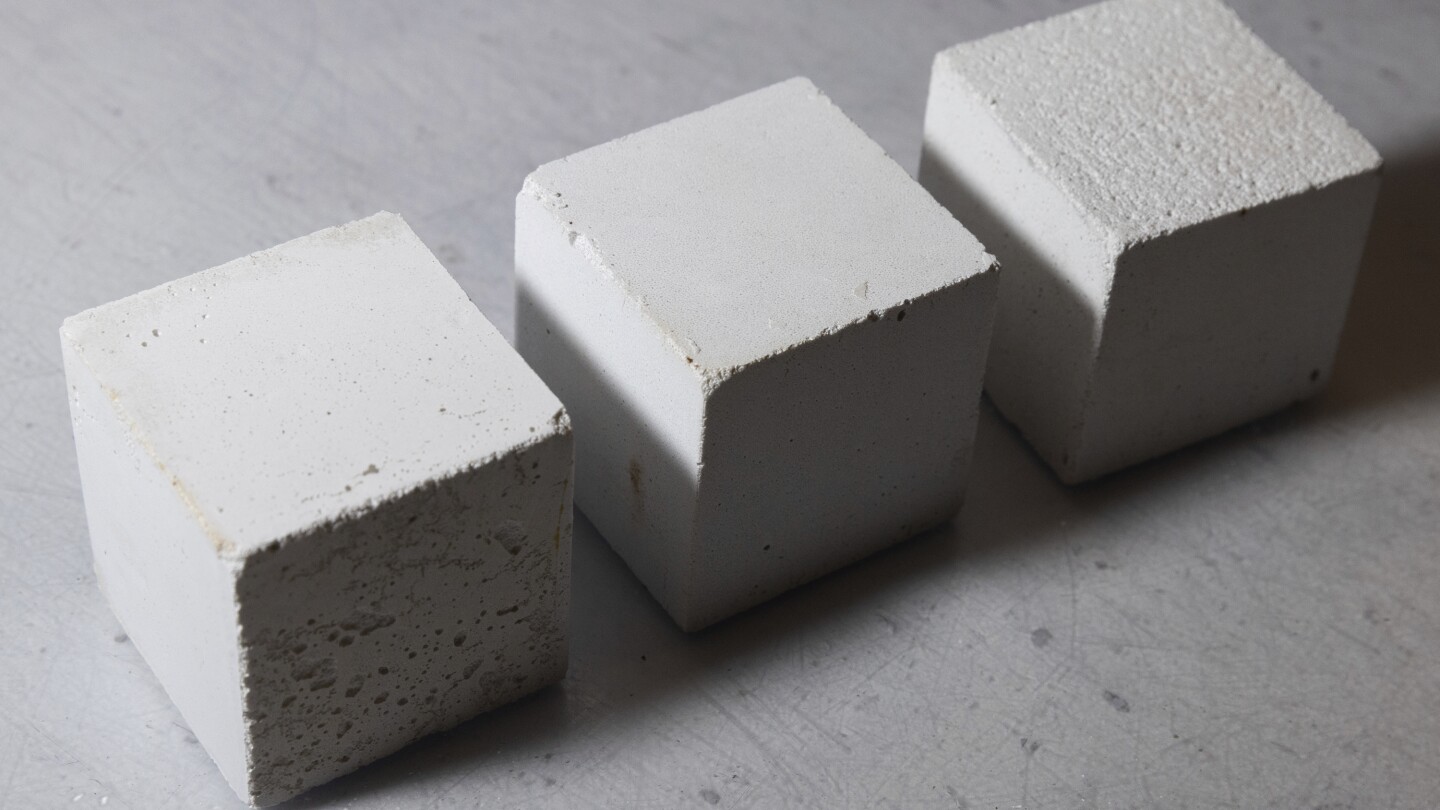
A California startup, Fortera, has developed a technology that reduces carbon dioxide in the making of cement, offering a potential solution to the industry's significant contribution to climate change. By intercepting carbon dioxide exhaust from cement kilns and using it to make additional cement, Fortera's technology is being added to a large cement plant in California, with plans to produce blends that reduce carbon emissions by 10-70%. This innovation aims to address the environmental impact of concrete, which accounts for a substantial portion of global carbon dioxide emissions, and could have widespread implications for the industry.
In Palworld, Cement is essential for crafting defensive structures and higher-level Pal Spheres. To obtain Cement, players must reach Level 19 on the Technology skill tree and gather 50x Stone, 1x Bone, and 1x Pal Fluids. The best way to farm Cement is by building a Stone Pit and using Pals like Digtoise and Astegon to mine Ore efficiently.
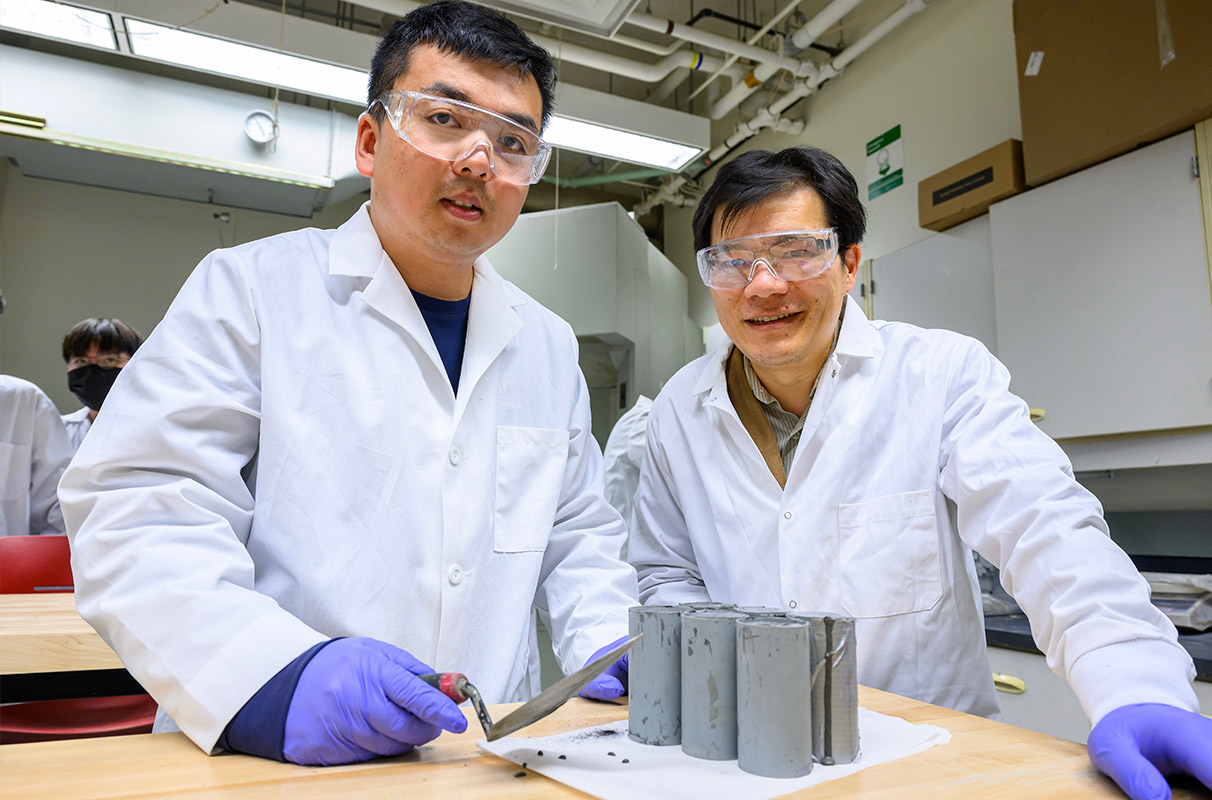
Researchers at Washington State University have developed a carbon-negative concrete that is nearly as strong as regular concrete by infusing regular cement with biochar, a type of charcoal made from organic waste, that had been strengthened beforehand with concrete wastewater. The biochar was able to absorb up to 23% of its weight in carbon dioxide from the air while still reaching a strength comparable to ordinary cement. The research could significantly reduce carbon emissions of the concrete industry, which is one of the most energy- and carbon-intensive of all manufacturing industries.
Researchers at Washington State University have developed a carbon-negative concrete by infusing regular cement with biochar, a type of charcoal made from organic waste, that had been strengthened beforehand with concrete wastewater. The biochar was able to absorb up to 23% of its weight in carbon dioxide from the air while still reaching a strength comparable to ordinary cement. The research could significantly reduce carbon emissions of the concrete industry, which is one of the most energy- and carbon-intensive of all manufacturing industries.