
Advancements in 3D Printing: Biodegradable, Color-Changing Conductive Material and Room Temperature Metal Printing
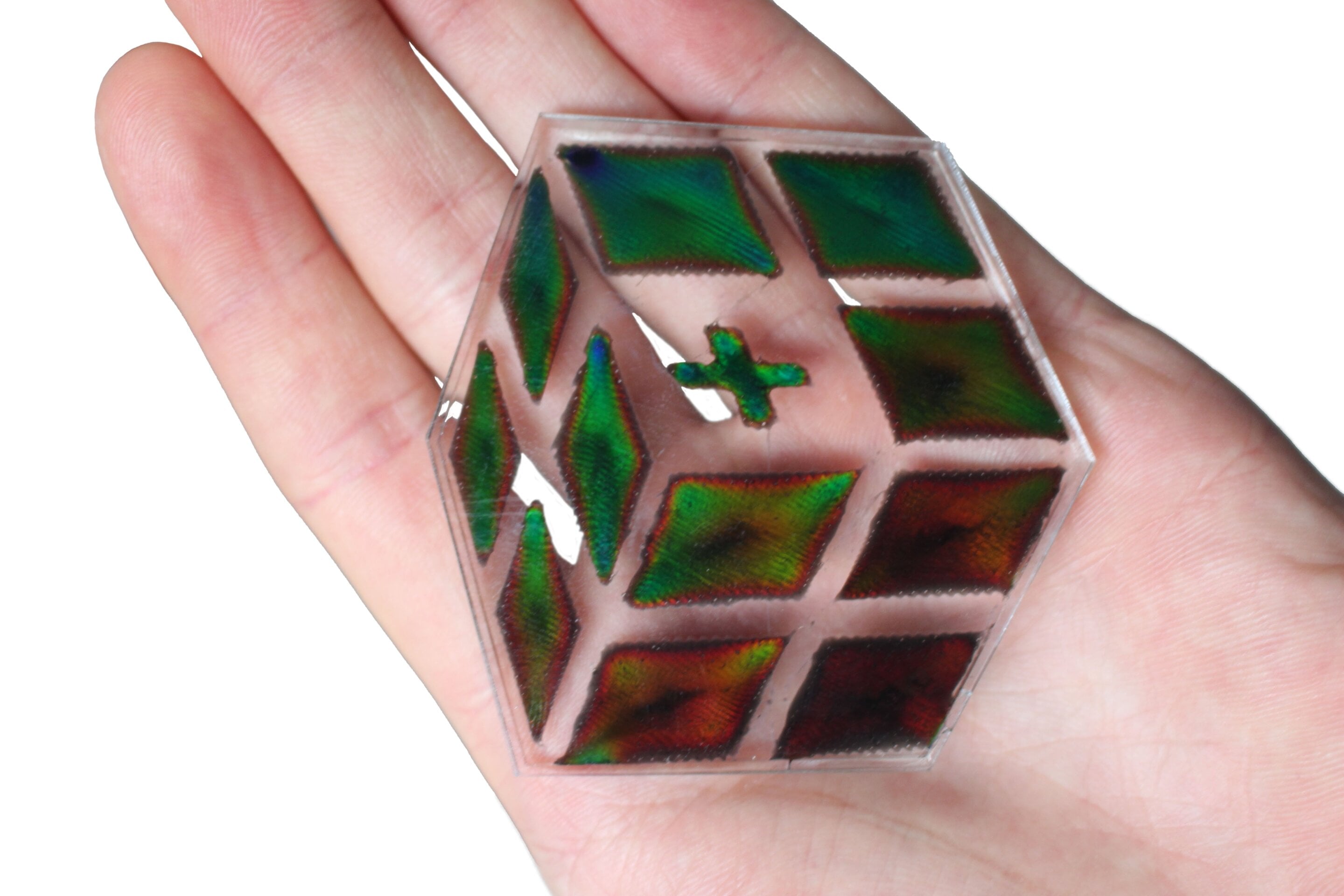
TL;DR Summary
Researchers at Empa have developed a 3D printable material that is biodegradable, conductive, and changes color based on temperature. The material is made from a mixture of hydroxypropyl cellulose (HPC) and carbon nanotubes, which allows it to exhibit structural coloring. By adding cellulose nanofibers, the material can be 3D printed without affecting its properties. Potential applications include strain sensors, displays, and biomedical diagnostics. The researchers aim to further explore the possibilities of this cellulose-based material.
Topics:science#3d-printing#biodegradable-material#cellulose#color-changing#conductive-material#science-and-technology
- Researchers create 3D printed, biodegradable, color-changing conductive material from cellulose Phys.org
- Revolutionary gel allows metal items to be 3D printed at room temperature New Atlas
- '4D printed' objects morph and flex thanks to a metallic ink Nature.com
- New, highly conductive metallic gel allows 3D printing of solid objects at room temperature - MINING.COM MINING.com
- Scientists Develop Metallic Gel for Conductive 3D and 4D Printing Sci.News
Reading Insights
Total Reads
0
Unique Readers
1
Time Saved
2 min
vs 3 min read
Condensed
87%
569 → 75 words
Want the full story? Read the original article
Read on Phys.org