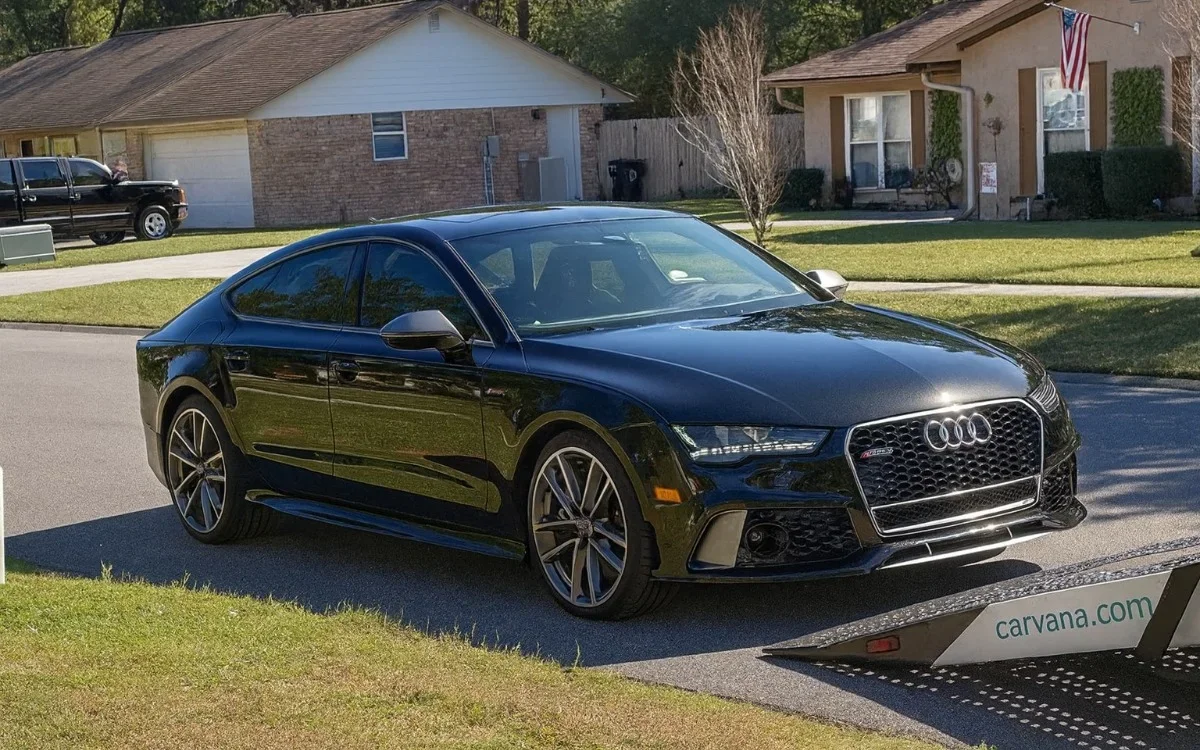
A 21-year-old in Florida bought an Audi RS7 Performance to stand out, but was surprised to find three others of the same model in his area on his first night, highlighting the RS7's rarity with over 1,500 units sold in the US in 2024.
The federal tax incentives for electric vehicles have ended, but experts suggest that EVs remain a financially sound choice due to lower fuel and maintenance costs, despite higher upfront prices. Buyers have until September 30 to qualify for the incentives, which previously helped offset the higher purchase price of EVs. Long-term savings on fuel and maintenance can still make EVs a cost-effective and environmentally friendly option, though affordability may decline for lower-income consumers without the incentives.
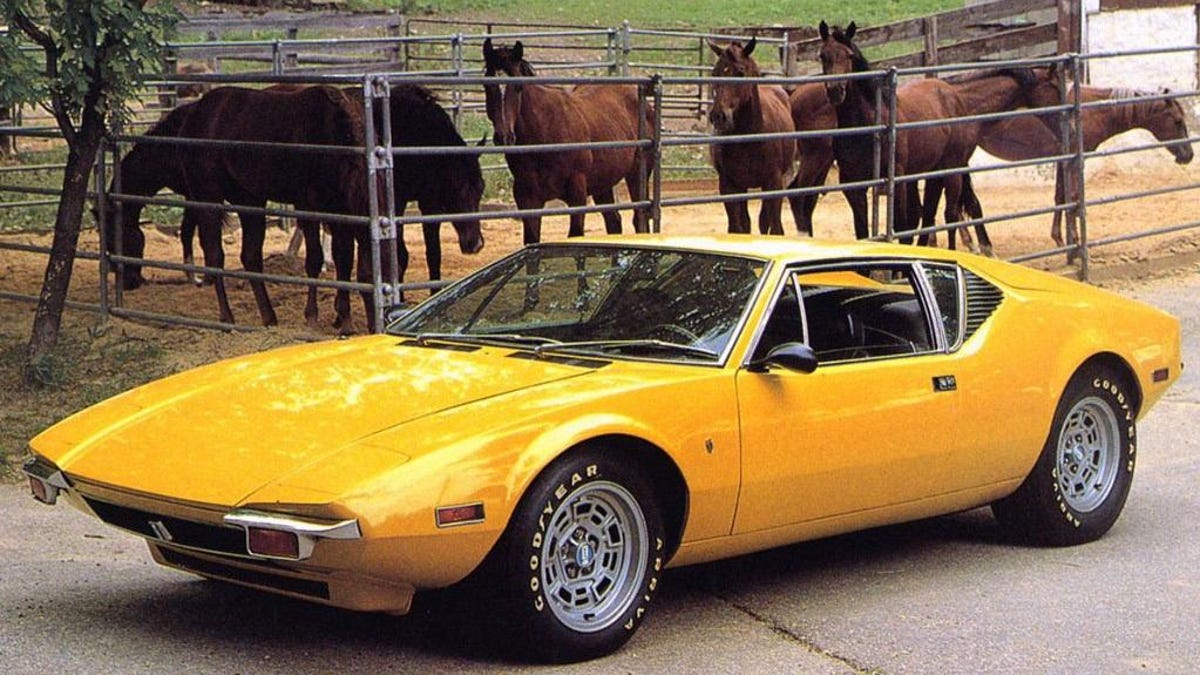
Car enthusiasts share their love for unreliable cars, such as the BMW 8 Series, Alfa Romeo, Audi S5, Jaguar E-type, and Mercedes-Benz, despite the constant maintenance and repair challenges. Despite issues with electricals, rust, and other mechanical problems, these iconic vehicles are still cherished for their design, driving experience, and historical significance.
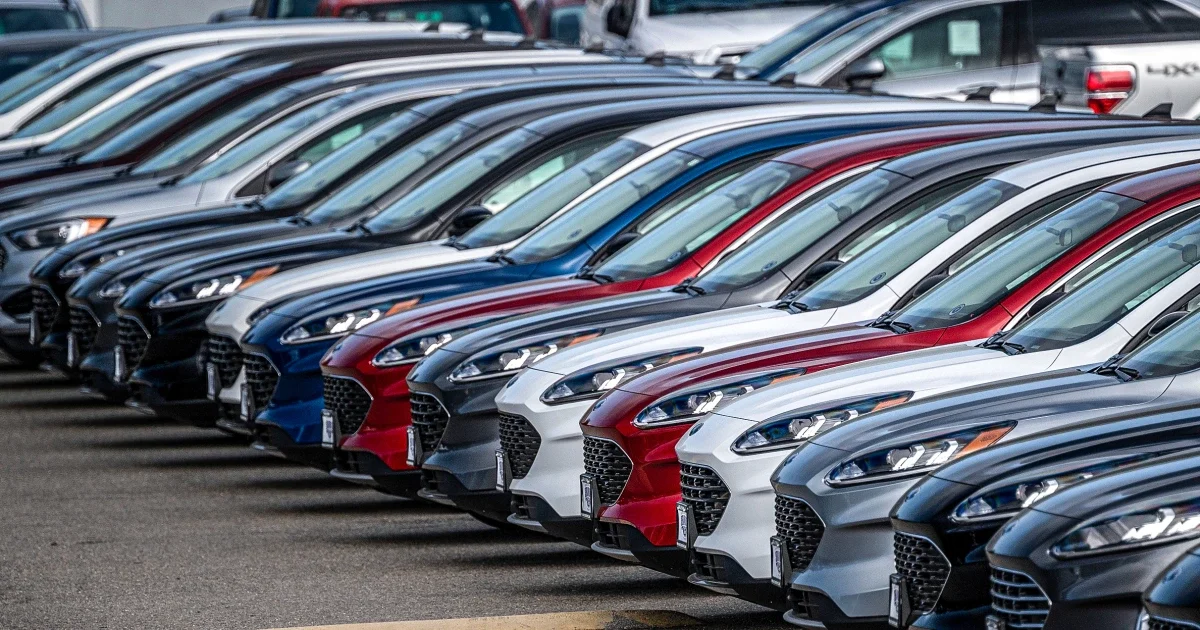
Car ownership, a long-standing symbol of American lifestyle, has become increasingly unaffordable due to rising prices of new and used cars, car insurance, and repairs. Supply chain disruptions and chip shortages during the pandemic led to record-high prices, with new car prices rising by 30% and used car prices by 38% since 2020. As a result, the majority of Americans cannot afford to purchase a new car, with only 10% of new car listings priced below $30,000 and 28% of used car listings below $20,000. Factors contributing to the affordability crisis include manufacturing disruptions, consumer demand, and a shift in automakers' focus towards more expensive SUVs and trucks, leaving smaller, cheaper vehicles in decline.
The costs associated with owning a car have skyrocketed, creating a financial burden for many drivers. The average annual cost of new-car ownership has risen to $12,182, reflecting increased purchase prices, maintenance costs, and finance charges. With 92% of households having at least one car, and 22% having three or more, car expenses have become a significant portion of household budgets. The article highlights the experiences of five car owners who are struggling with the high costs, including lease payments, loan interest rates, insurance, gas, and maintenance. These expenses, combined with other financial obligations, are causing stress and even delinquency for some borrowers.
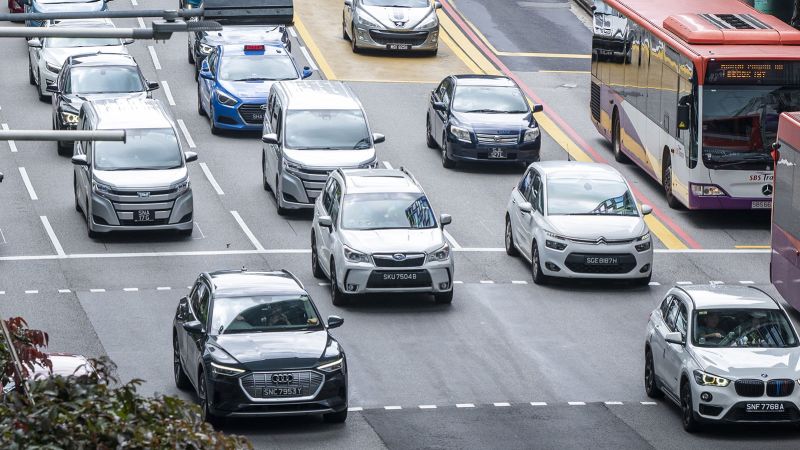
The cost of owning a car in Singapore has reached an all-time high, with a 10-year Certificate of Entitlement now costing a minimum of $76,000. This license is required before purchasing a vehicle, and the price has increased more than four times since 2020. The quota system, implemented in 1990 to reduce traffic and emissions, has made car ownership unaffordable for many Singaporeans. While supporters argue that it has helped alleviate congestion, critics point out the rising costs of living in Singapore and the impact on businesses.
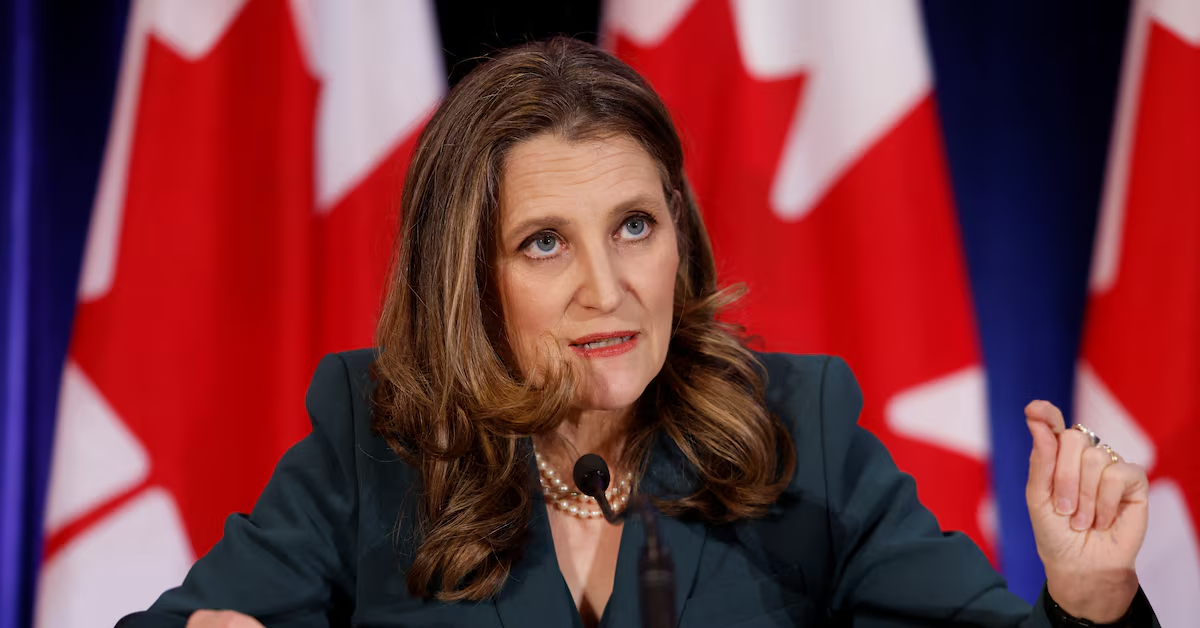
Canadian Finance Minister Chrystia Freeland, known for her preference for cycling and not owning a car, has been fined $200 for speeding in Alberta. Caught driving at 132 km/hr (82 mph), Freeland has already paid the ticket. The incident's details, such as the speed limit and date, were not disclosed. Freeland represents a parliamentary constituency in Toronto and often emphasizes the health benefits of walking, biking, and using public transportation for her family.
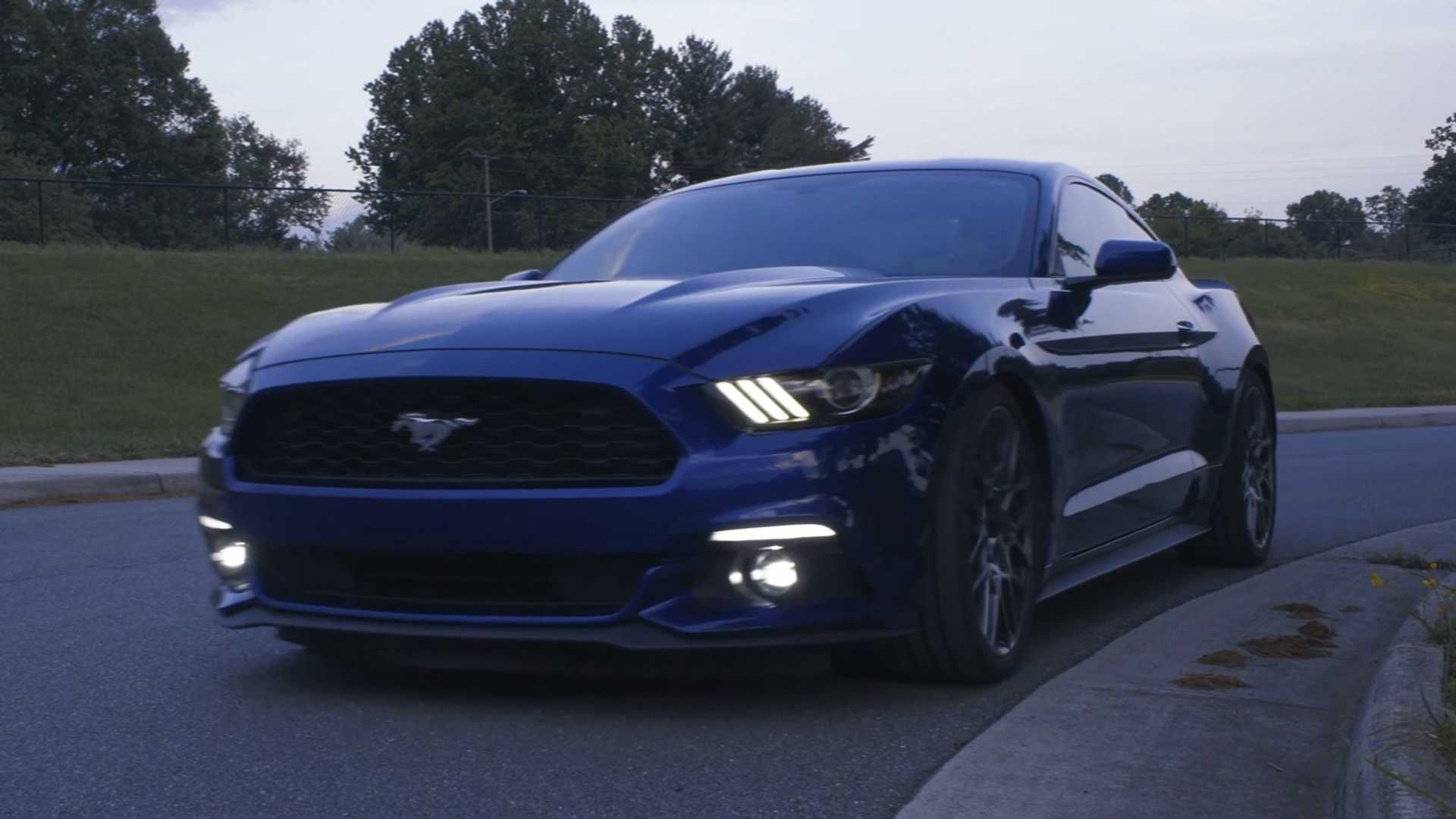
A Ford Mustang V6 owner has shared his experience of driving the car for four years and 60,000 miles, stating that he doesn't feel the need to upgrade to a more expensive V8 model. Despite some minor issues with the paint and interior, he praises the car's reliability, fuel efficiency, and overall driving experience, including its manual transmission and decent exhaust sound. The V6 engine is seen as the sweet spot in the Mustang range, offering a balance between performance and cost.
The financial pressures around owning a car are increasing, with lenders becoming more cautious about who they loan money to, rising insurance rates, and car prices remaining well above pre-pandemic levels. This has resulted in a growing number of people falling behind on their car payments, and charities that assist people trying to buy a car say they are struggling more than ever to meet the growing demand as they face their own cost pressures. However, the rising costs may ultimately lead to good news for car buyers, as it is expected to put pressure on automakers to lower their prices in order to offset higher interest rates, softening trade-in values, and tightening credit.