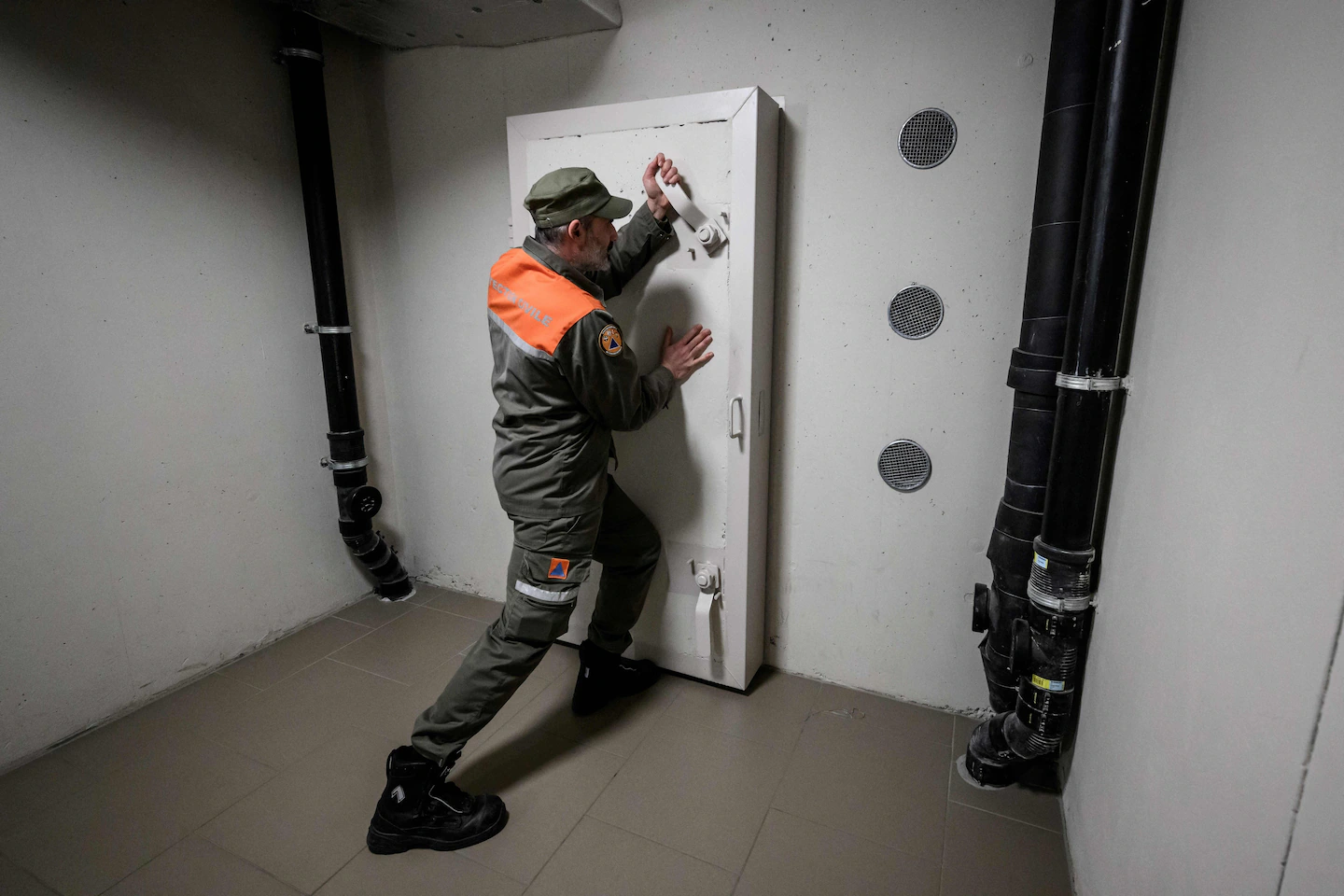
Switzerland is investing hundreds of millions to modernize its extensive network of bunkers and civil protection sites, reflecting its longstanding tradition of preparedness and adapting to new global security threats, including recent geopolitical tensions and conflicts.
Several tech billionaires, including Zuckerberg and Altman, are reportedly building doomsday bunkers in places like Hawaii and New Zealand, possibly as a precaution against AI threats and climate change, sparking fears of secretive preparations for global disasters.
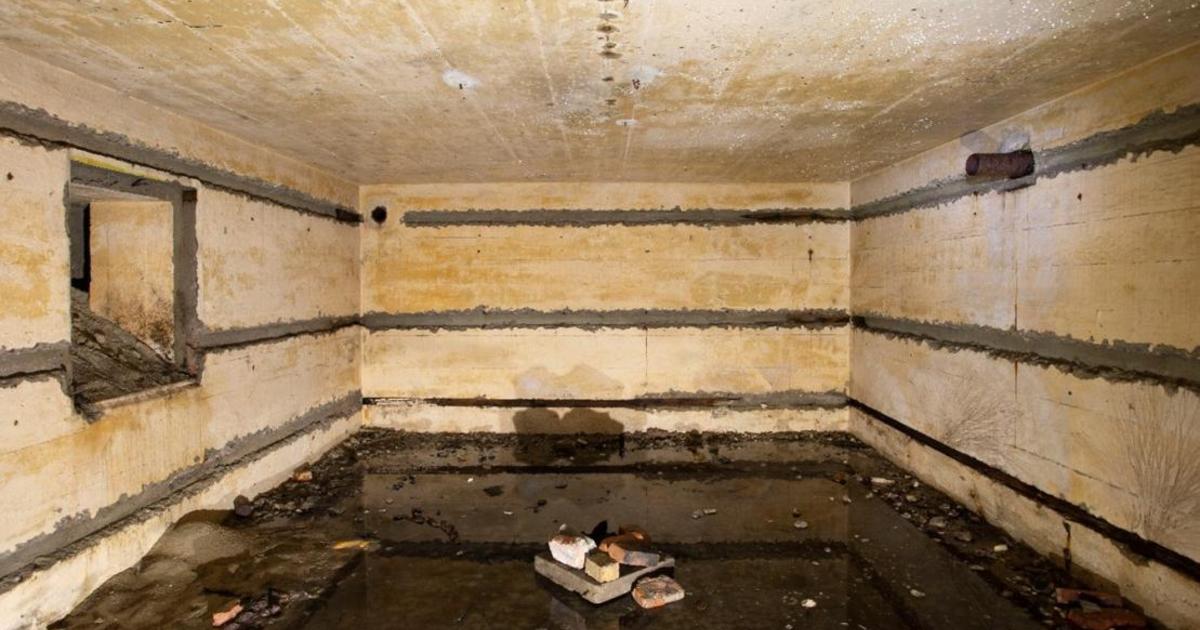
During a nature restoration project in Belgium, World War II bunkers, trenches, and other structures built by the German army were unearthed, including intact bunkers, brick trenches, and a water well. The site, known as Director-General Willemspark in Heist, Belgium, was previously a military stronghold during both World War I and World War II. Archaeologists supervised the excavation and mapped the findings, which were then covered with sand for preservation. The discovery sheds light on the area's war history and the attempts to erase it after the wars.
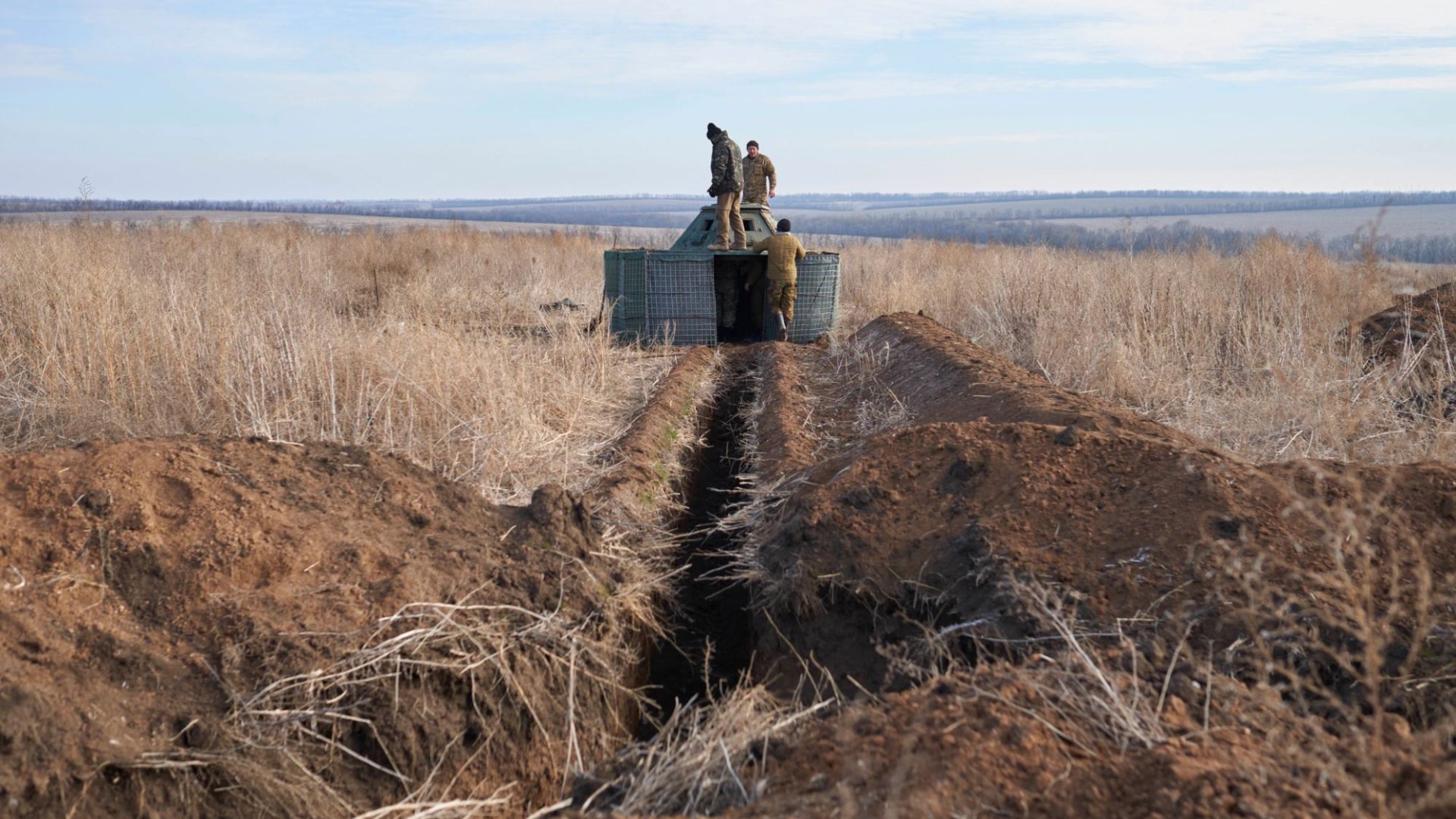
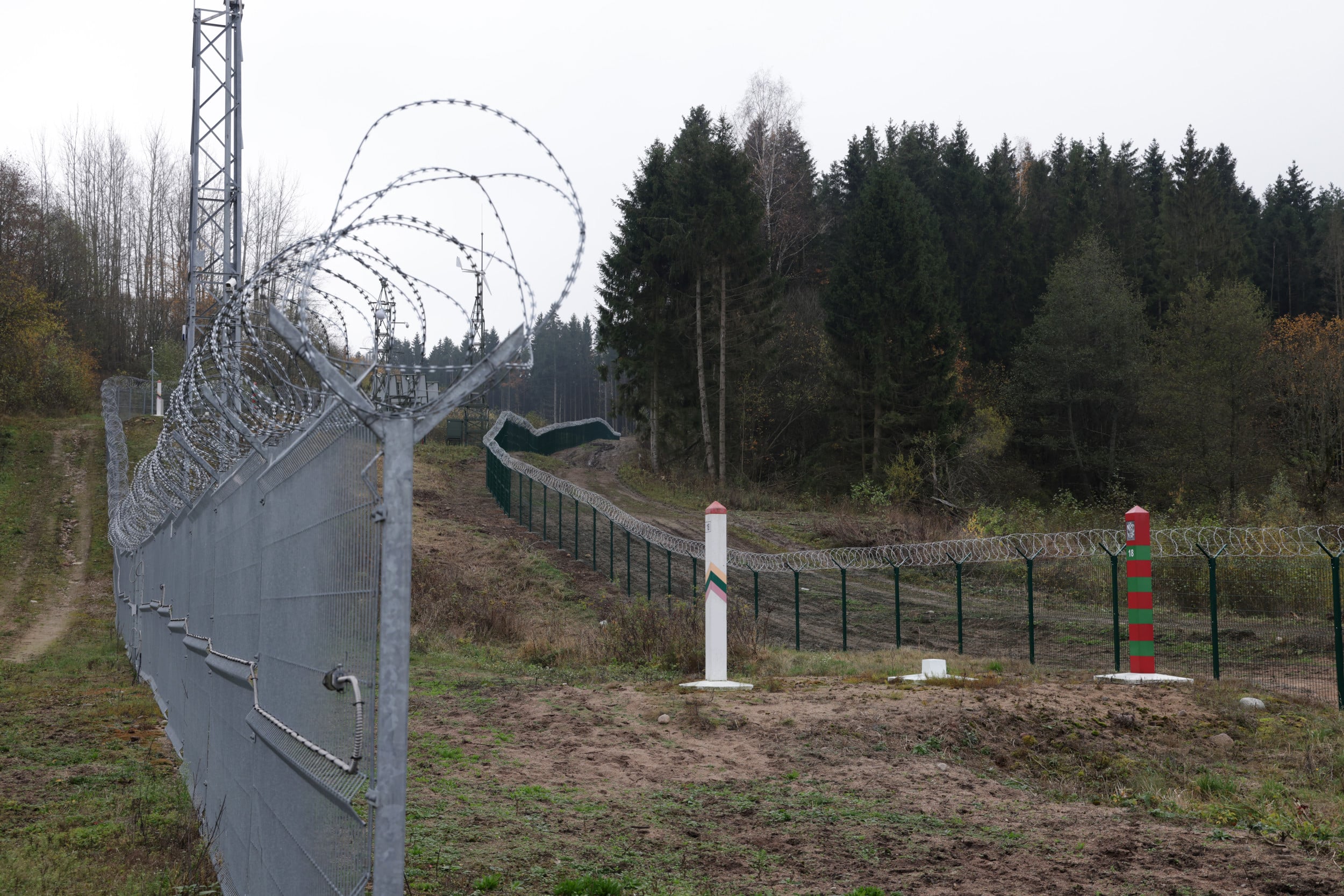
Three NATO countries, Latvia, Lithuania, and Estonia, are planning to build bunkers along their borders with Russia amid growing fears of a potential invasion by Vladimir Putin. The move comes as Europe is warned to increase weapons stocks to "war-time levels" in preparation for a possible conflict. The decision to construct bunkers is a response to the ongoing conflict in Ukraine and aims to deter Putin from invading the Baltic nations. NATO has also urged Europe to ramp up weapons production to counter the threat from Russia, while former US President Donald Trump's comments about NATO and Russia have raised concerns about potential US military support.
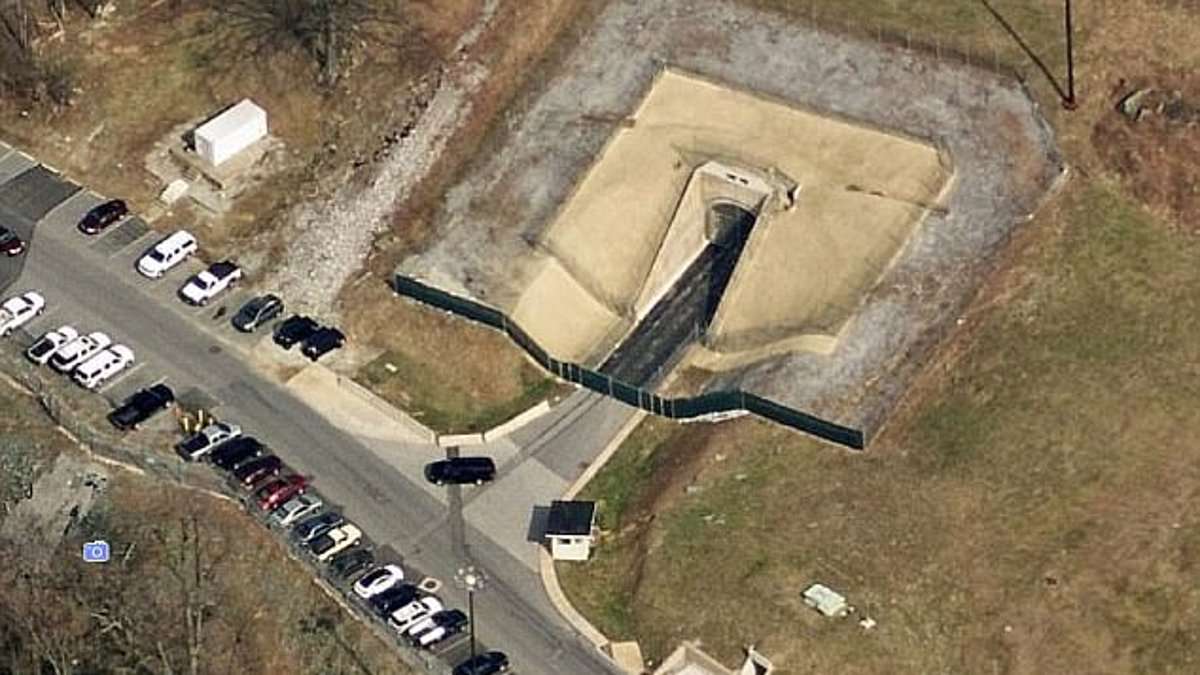
British Army Chief warns UK to prepare for potential land war and mobilize a 'citizen army' amid heightened tensions with Russia and China; article highlights four underground locations - Wood Norton in Worcestershire, Raven Rock Mountain Complex in Pennsylvania, Peters Mountain in Virginia, and Cheyenne Mountain Complex in Colorado - that could serve as safe havens in the event of a World War III attack, detailing their history, features, and capacities.
Estonia, Latvia, and Lithuania are constructing a network of bunkers along their borders with Russia and Belarus, citing the need for defensive installations in the current security situation. The project, estimated to cost around $65.3 million, is a response to tensions between NATO, Russia, and Belarus, with all three Baltic nations being NATO members. The move comes amid heightened concerns following Russia's war in Ukraine and Belarus's adoption of a new military doctrine allowing for the use of nuclear weapons supplied by Russia.
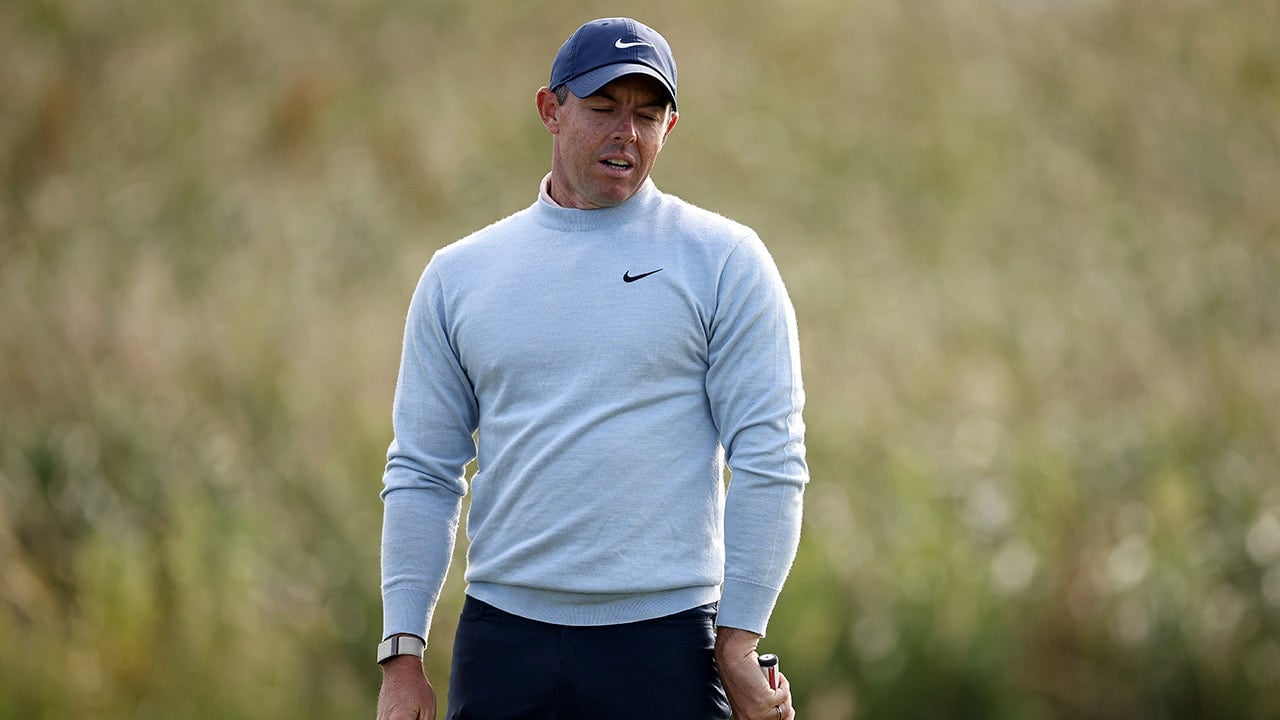
Holes 17 and 18 at Royal Liverpool Golf Club have proven to be challenging and treacherous for golfers at The Open Championship. The short par-3 17th hole with its bunkers and unpredictable winds has caused difficulties for many players, while the 18th hole's narrow tee shot and greenside bunkers have also posed challenges. Some golfers, like Brooks Koepka, enjoy the challenge, while others, like Rickie Fowler and Justin Thomas, struggled and posted high scores. These finishing holes will continue to test the skills of the pros and amateurs throughout the tournament.
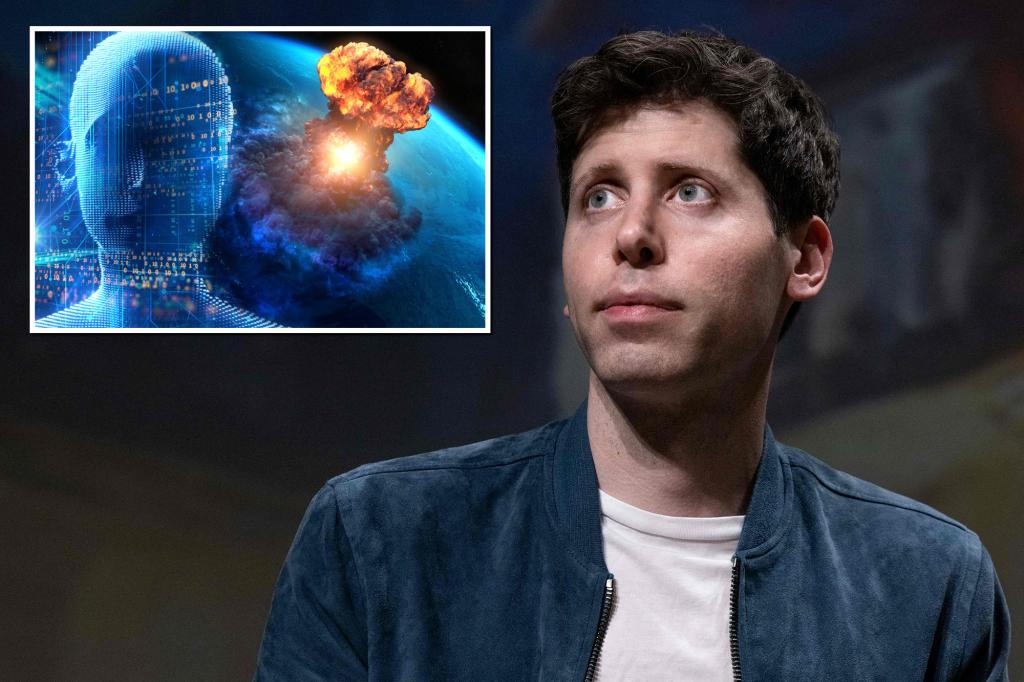
Sam Altman, the CEO of OpenAI, is a self-admitted doomsday prepper who has a stash of guns, gold, and other survival goods. Altman's doomsday vision of AI gone wrong is commonplace in Silicon Valley, where a growing number of tech billionaires have poured money into post-apocalyptic contingency plans such as remote bunkers in recent years. Critics of tech’s obsession with a “Terminator”-like future have taken a cynical view of the recent AI panic, arguing that it is a convenient distraction from more pressing issues. Nonetheless, catering to paranoid tech bros has become a lucrative business for some firms, including Rising S, a Texas-based bunker manufacturer that builds shelters and installs them at a customer’s preferred destination.