A California McDonald's franchise owner, Scott Rodrick, is grappling with the economic impact of the state's new $20 minimum wage, considering options like raising menu prices and reducing hours to cope with the law's effects. He emphasized that layoffs are a last resort and highlighted the unprecedented challenges facing franchise businesses in the state. Rodrick also mentioned the possibility of relocating his business due to the new law's impact on operations and expressed a commitment to finding ways to survive and sustain the family business for the next generation.
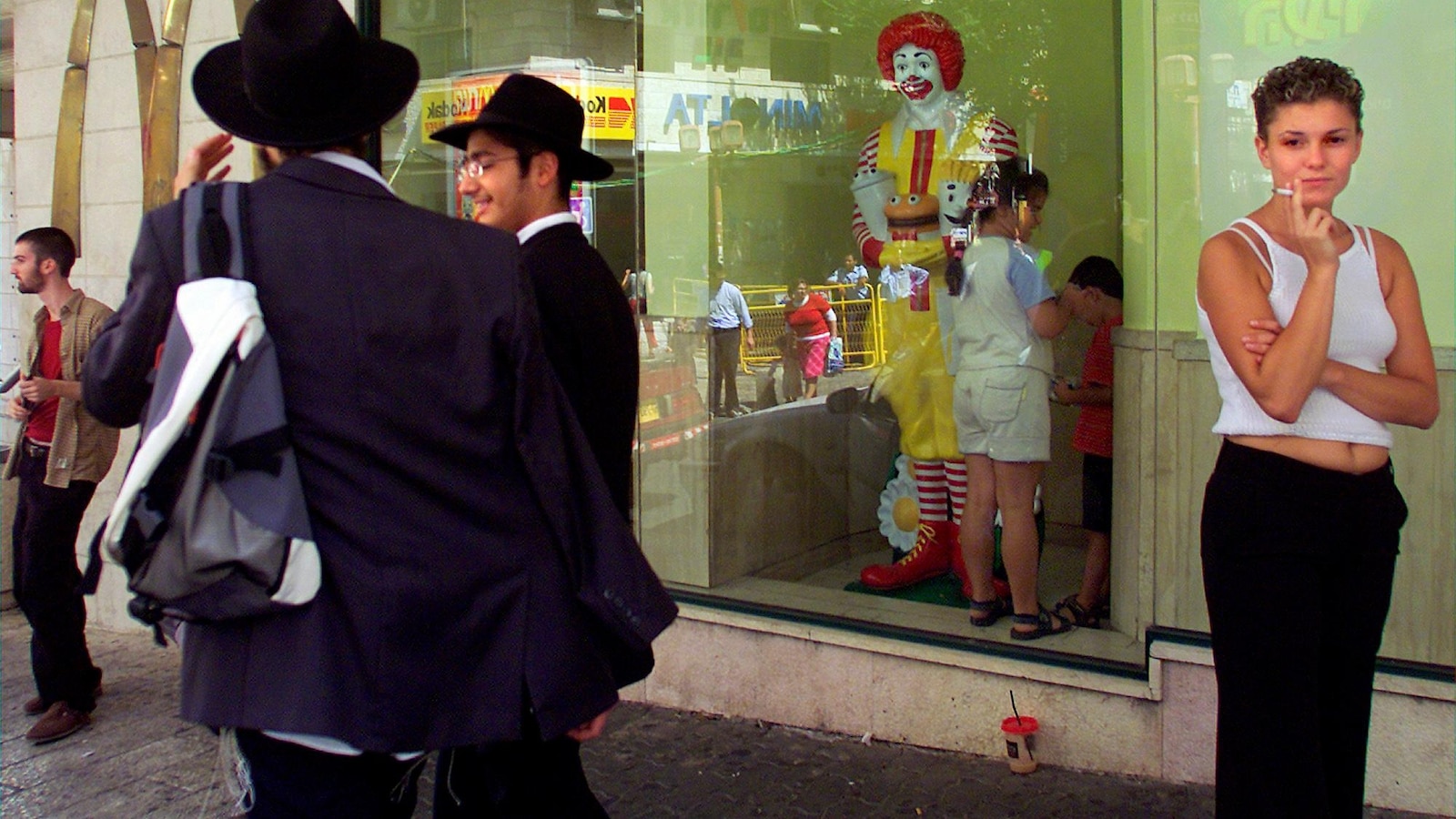
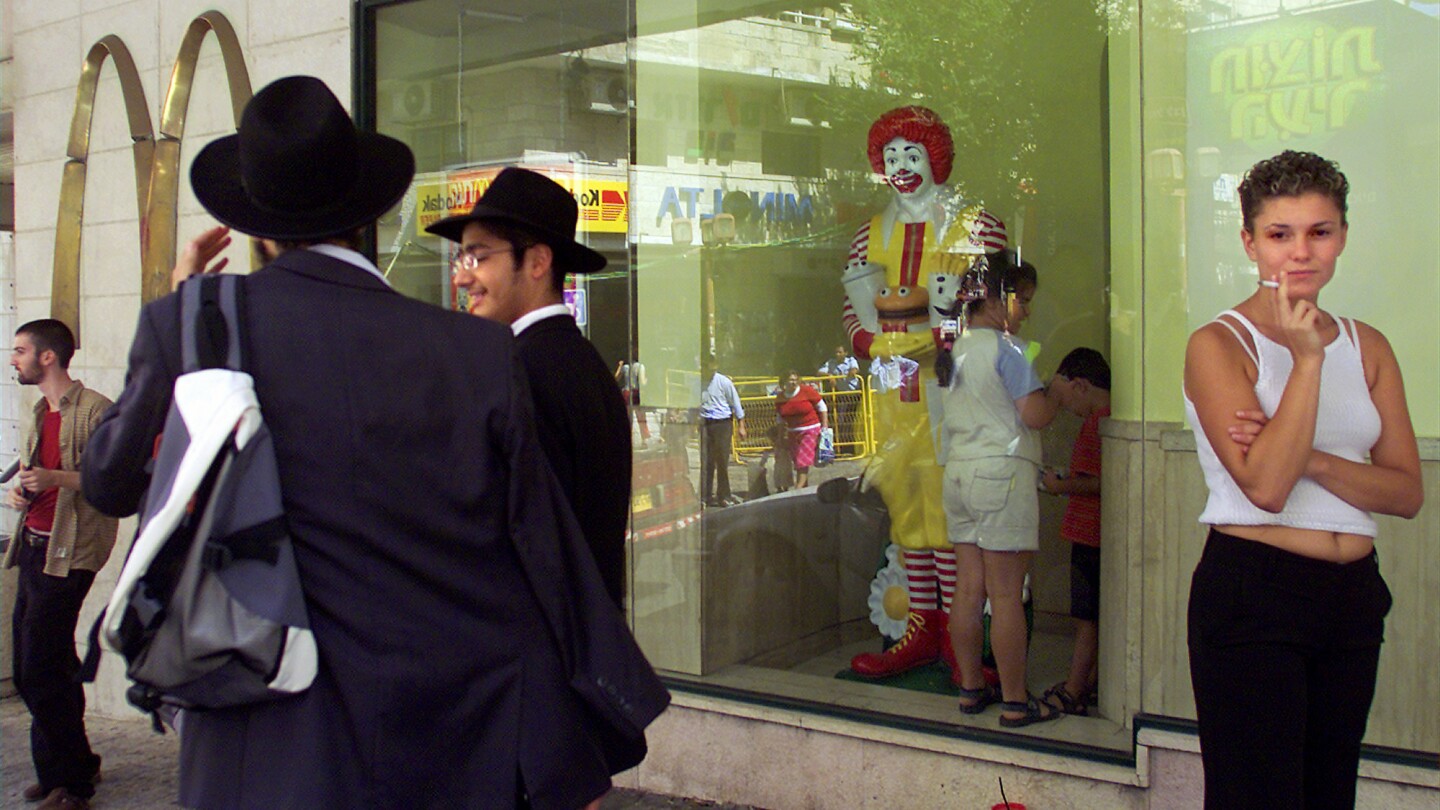
McDonald's is purchasing its 225 restaurants in Israel from longtime franchisee Alonyal Limited in an effort to revive slumping sales due to boycotts sparked by controversy over providing free meals to Israeli soldiers. The deal, expected to close in the next few months, will see McDonald's operating the restaurants and retaining over 5,000 employees, with the company expressing commitment to the Israeli market despite ongoing conflict in the region.
McDonald's is buying its 225 restaurants in Israel from longtime franchisee Alonyal Limited in an effort to reset slumping sales due to boycotts in the region, with the deal expected to close in the next few months. The move comes after controversy sparked by Alonyal's announcement of providing free meals for Israeli soldiers, leading to boycotts in the Middle East and Muslim-majority countries. McDonald's says sales were impacted in countries with large Muslim populations, and CEO Chris Kempczinski expressed that the ongoing conflict in the region weighs on the brand.
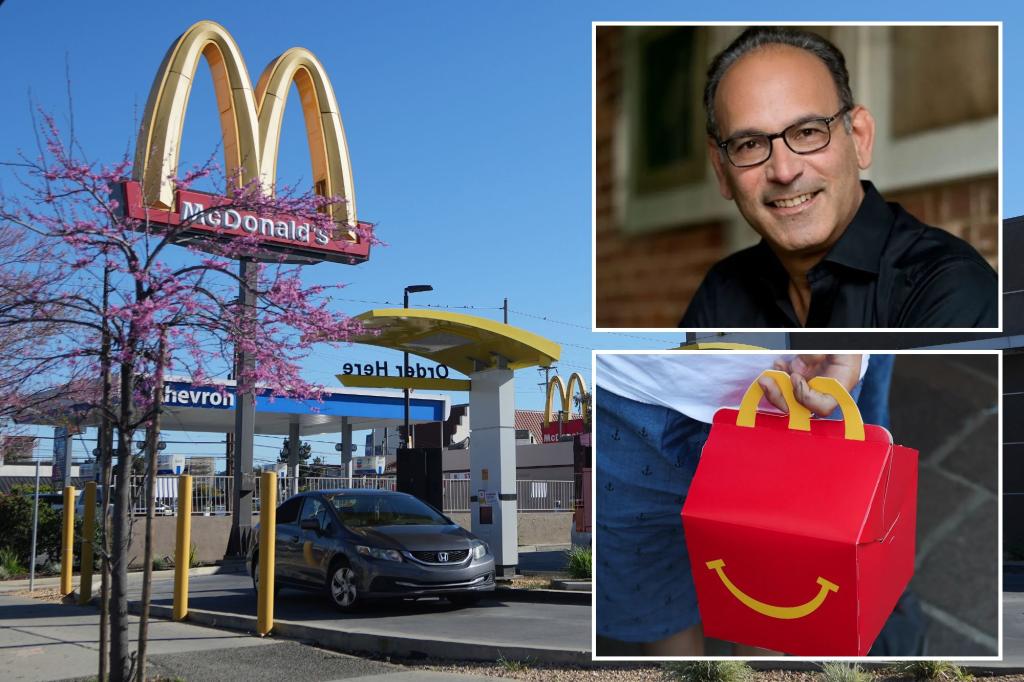
A McDonald’s franchisee in Northern California has raised menu prices by 5-7% in response to the state’s new $20-an-hour minimum wage law for fast food workers, but has vowed not to charge $20 for a Happy Meal. The franchisee, Scott Rodrick, plans to expand delivery operations and postpone large capital expenses due to the law's impact. Other franchise owners have also expressed concerns about the law's effects on their businesses, with one owner stating that he will have to raise prices and is no longer hiring or seeking to open new locations in California.
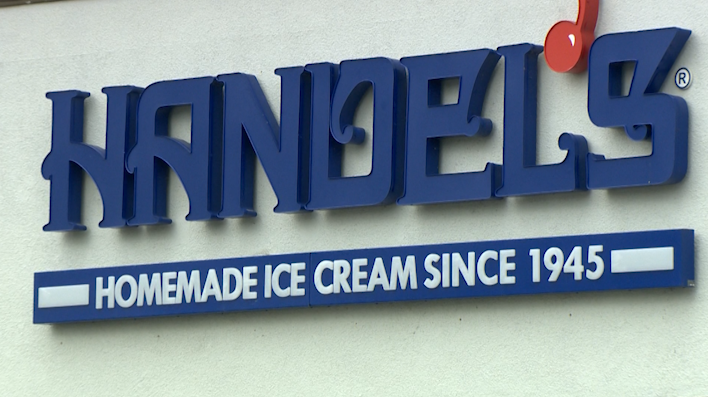
The owner of an ice cream shop in Southern California is questioning the application of California's new fast-food labor law, which requires major fast-food chains to pay workers at least $20 an hour. The law's negotiations, led by Gov. Gavin Newsom's office, have been controversial, with allegations of special exemptions and the use of nondisclosure agreements. The owner of Handel's Ice Cream is seeking clarification on whether her shop falls under the law, as it primarily sells ice cream treats and employs high school and college students. Despite efforts to seek clarification from state lawmakers and labor groups, she has not received a clear answer and is considering legal action.
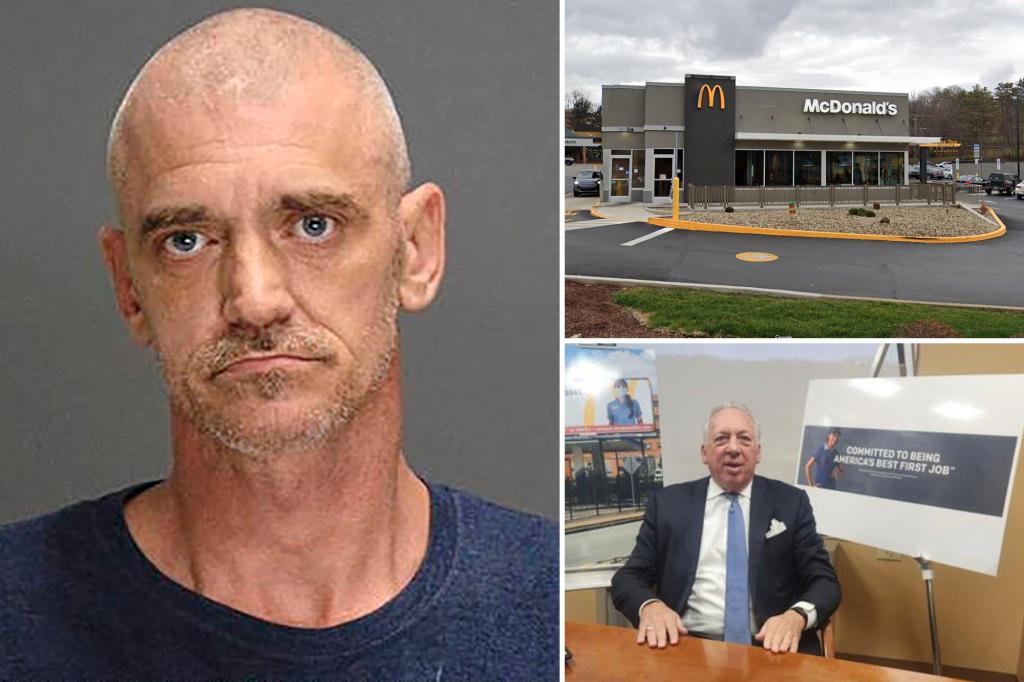
A McDonald’s franchisee in Pennsylvania has agreed to pay $4.4 million to settle a lawsuit from a teenage girl who was sexually assaulted by her manager, a registered sex offender, in the restaurant's bathroom. The manager, Walter A. Garner, had a history of sexual offenses and was convicted for assaulting the 14-year-old victim. The franchisee is also facing a similar lawsuit from another teenage girl who alleges she was sexually harassed by the same manager. The franchisee is seeking bankruptcy protection and selling off its restaurants to finance the settlement, while also suing the background check vendor for negligence.
A McDonald's franchisee has agreed to pay $4.4 million to settle a lawsuit with a teenage girl who was sexually assaulted by a restaurant manager who was a registered sex offender. The incident led to a strike by workers in 12 U.S. cities, prompting the company to address ongoing issues of sexual harassment and violence in its stores. The victim, who was 14 at the time of the assault, had not received training on sexual harassment or reporting procedures. The franchisee stated that it has since enhanced security and implemented safe workplace training for new hires.
Restaurant Brands International Inc. is set to acquire Burger King franchisee Carrols Restaurant Group Inc. for approximately $1 billion, with plans to invest $500 million in renovating approximately 600 restaurants over the next five years. This move is part of the company's effort to modernize Burger King locations as part of its "Reclaim the Flame" plan, aiming to make the restaurants more competitive and convenient. The acquisition includes a 30-day "go shop" period for Carrol's to seek other offers.
Restaurant Brands International, the owner of Burger King, is set to acquire Carrols Restaurant Group, the largest franchisee of Burger King in the US, for $1 billion in cash. The deal includes 1,022 Burger King restaurants and 60 Popeyes locations, with plans to remodel acquired restaurants over the next five years. This acquisition is part of RBI's strategy to drive sales growth and franchisee profitability, with the transaction expected to be finalized in the second quarter of 2024.
Restaurant Brands International is acquiring Carrols Restaurant Group, the largest Burger King franchisee in the U.S., for about $1 billion in cash. This move marks a shift in strategy for Burger King, which has been almost entirely franchised for the last decade. The acquisition is part of a $400 million plan to revive Burger King's U.S. business, focusing on investing in restaurant remodels and advertising to drive demand and boost franchisee profits. Restaurant Brands plans to rapidly remodel 600 of Carrols' Burger King locations over the next five years and then sell them back to franchisees, with the goal of holding onto a couple hundred restaurants for strategic innovation, training, and operator development purposes.
Restaurant Brands International, the owner of Burger King, plans to acquire its largest US franchisee, Carrols Restaurant Group, for about $1 billion in cash. The acquisition aims to expedite the renovation of hundreds of locations and revitalize the brand's customer base. Following the purchase, Restaurant Brands intends to invest in technology, increase advertising spending, and enhance the in-store customer experience to reverse declining sales. The deal includes a plan to remodel 600 of Carrols' over 1,000 locations and subsequently refranchise most of the stores to new or existing smaller franchisee owners.
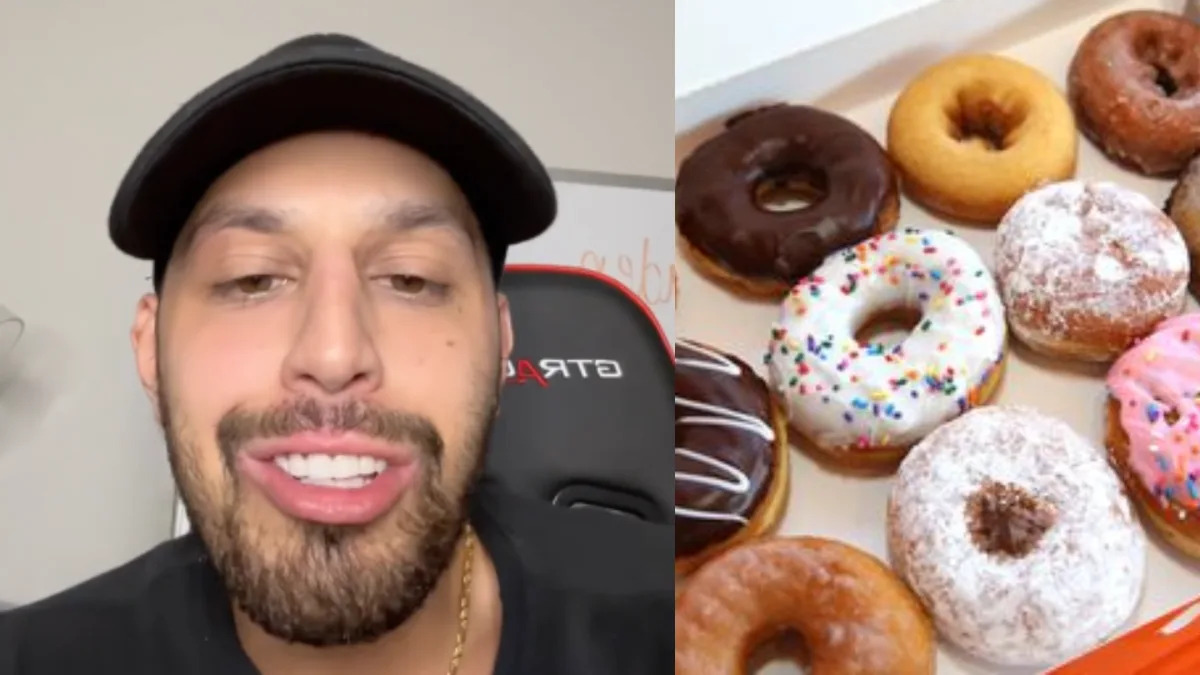
A TikTok video by a Dunkin' franchisee revealed that Dunkin' locations have three options for sourcing doughnuts: baking them on-site, having them delivered from a central kitchen (CML), or ordering frozen doughnuts (JBOD). The video sparked discussion among viewers about the varying quality of doughnuts at different Dunkin' locations.
Major Burger King franchisee, Meridian Restaurants Unlimited, has sold off nearly 70 of its stores for over $17 million as part of its bankruptcy proceedings. The franchisee filed for Chapter 11 bankruptcy protection earlier this year, citing difficulties in recovering from COVID-related challenges and a national labor shortage. The auction saw Burger King and other regional operators purchasing the stores. This move aligns with Burger King's strategy of concentrating its geographical presence and limiting franchisees to 50 stores within the same region.
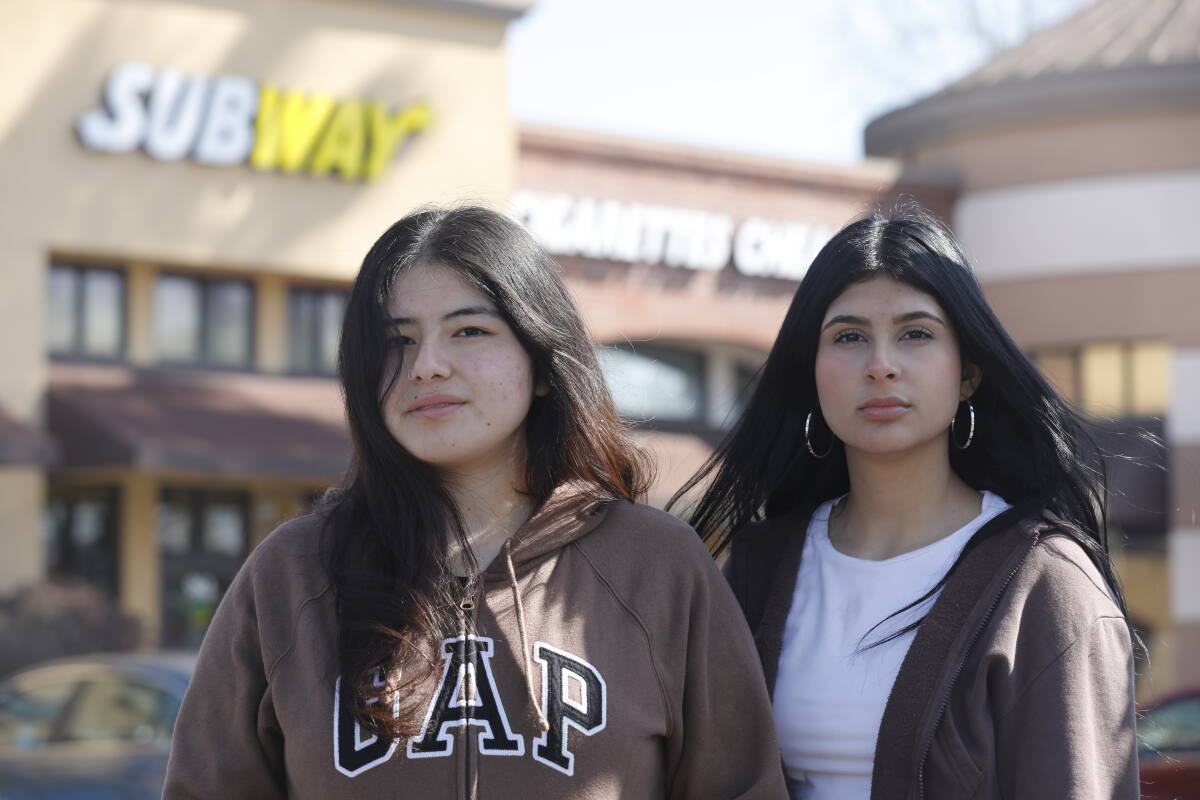
The owners and operators of 14 Bay Area Subway restaurants have been ordered by the U.S. District Court for the Northern District of California to pay nearly $1 million in back wages and damages to employees. The court's order also requires the owners to sell or shut down their businesses by November 27. The actions come after a Press Democrat investigation revealed workplace abuses by the franchisees, including directing minors to use dangerous equipment, failing to pay employees regularly, and illegally keeping customer tips. The U.S. Department of Labor obtained a consent judgment and permanent injunction, ordering the owners to pay workers $475,000 in minimum wage, overtime, and tips, along with $150,000 in penalties.
Nine Burger King locations in Utah will be closing after the franchisee, Meridian Restaurants, filed for bankruptcy due to weak sales and profitability. The closures are part of 27 across the country, with most in Utah and Minnesota. The franchisee may close more locations in the future.