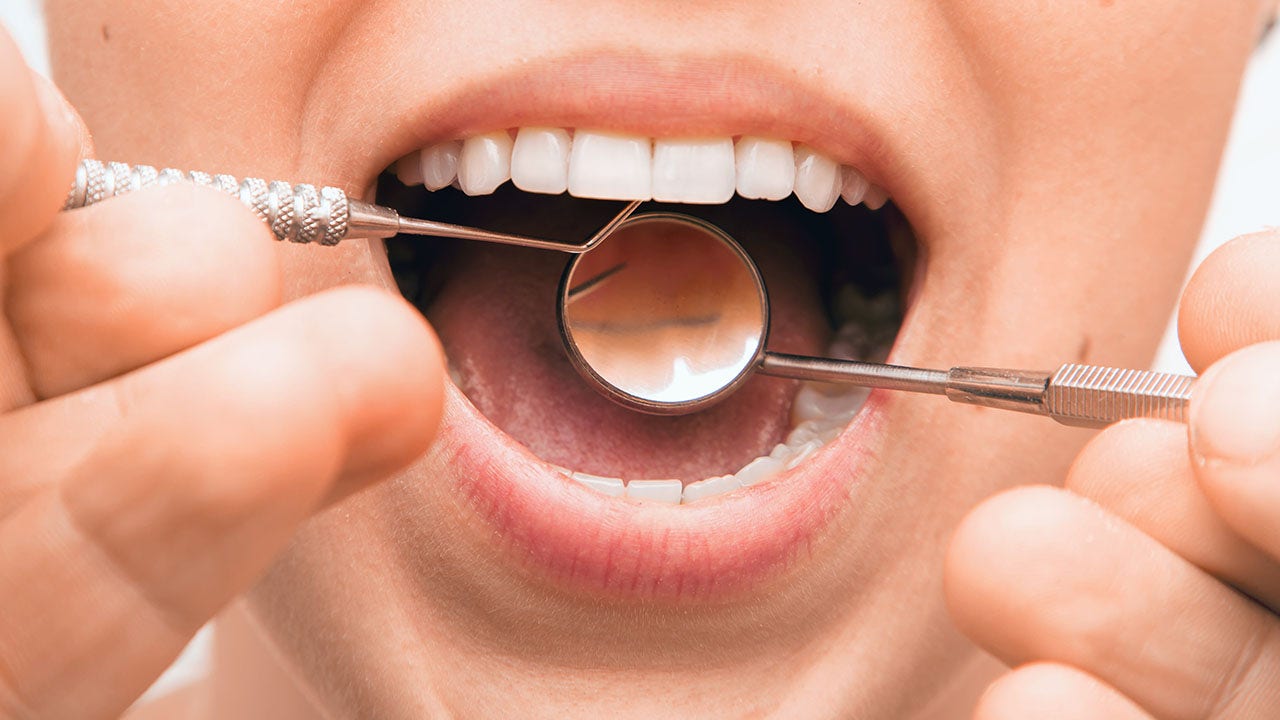
If your gums bleed after brushing, it could be a sign of gum disease or other health issues, and it's important to consult a dental professional if the bleeding persists for more than two weeks. Causes include gingivitis, hormonal changes, new flossing routines, and brushing too hard. Factors like poor dental care, smoking, genetics, pregnancy, and certain medications can also raise the risk of gum disease. Bleeding gums may indicate more severe medical issues, so regular dental checkups and good oral hygiene are crucial for prevention and treatment.
Micronutrient deficiencies can cause various health problems. Some common signs of deficiency include dry skin due to low vitamin D levels, mouth ulcers due to iron and B vitamin deficiency, bleeding gums due to low vitamin C levels, hair loss due to iron, biotin, and zinc deficiency, and bone pain due to vitamin D and calcium deficiency. Consult a doctor for supplementation if needed.
A study presented at the AADOCR/CADR Annual Meeting & Exhibition reveals a link between oral health problems and a range of mental health and addiction disorders. The study found that patients with adverse mental health conditions are more likely to have higher levels of oral disease. Symptoms of internalizing problems are a plausible risk factor of future adverse oral health, independent of externalizing and substance use problems. The study suggests that these results may inform both medical and dental communities in diagnosing and providing treatment to individuals suffering from mental illness.