Scientists are studying the blood of long-lived individuals like centenarians and supercentenarians to identify biomarkers and factors that contribute to exceptional longevity, with the aim of developing interventions to promote healthier aging for everyone.
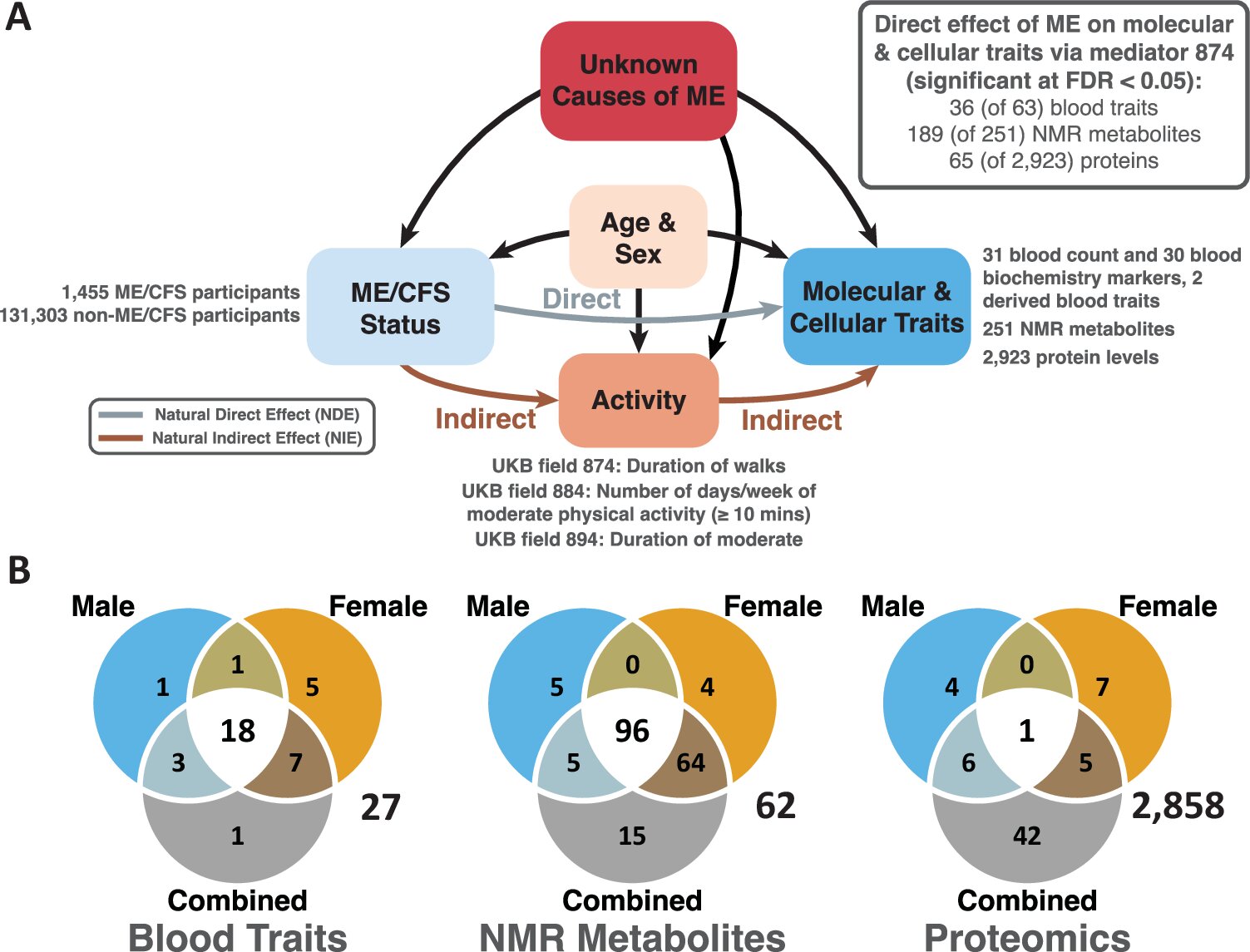
A large-scale study has identified consistent blood differences in ME/CFS patients compared to healthy individuals, highlighting potential biomarkers for diagnosis and dispelling misconceptions that the illness is purely psychological or due to deconditioning.
Elevated blood levels of the GFAP protein, a marker of damage to astrocytes in the brain and spinal cord, may help predict disability progression in primary progressive multiple sclerosis (PPMS) patients. Testing both GFAP and NfL levels could identify PPMS patients with a high risk of progression. The study suggests that these blood biomarkers could be valuable in predicting disability progression in clinically defined PPMS populations, addressing a significant unmet need in managing progressive MS.
Scientists have made progress in identifying potential biomarkers for long Covid, a condition characterized by lingering symptoms after a coronavirus infection. In a study published in Nature, researchers found consistent immune and hormonal differences in the blood of long Covid patients compared to those who had fully recovered or had no prior infection. Using machine learning, they developed a potential diagnostic algorithm that achieved 96% accuracy in differentiating long Covid patients from controls. Further research is needed to confirm these findings, but this work could lead to the development of reliable blood testing protocols and a better understanding of long Covid.
A groundbreaking study led by researchers from the Icahn School of Medicine at Mount Sinai and Yale School of Medicine has identified distinctive blood biomarkers in long COVID patients, establishing clear differences in immune and hormone function compared to individuals without the condition. Key biomarkers include abnormal T cell activity, reactivation of latent viruses like Epstein-Barr, and reduced cortisol levels. This discovery paves the way for more personalized testing and treatments for long COVID, providing a scientific rationale for the persistent symptoms experienced by these patients.
People with a long-term history of mental illness have blood biomarkers that reflect increased biological aging, according to new research. The study found that individuals with mental illness had a metabolite profile older than would have been expected for their age, which may explain why those with mental health disorders tend to have shorter life spans and are more prone to age-related diseases than the general population. The findings could change how physical health is monitored and interventions are evaluated for people with mental illness.