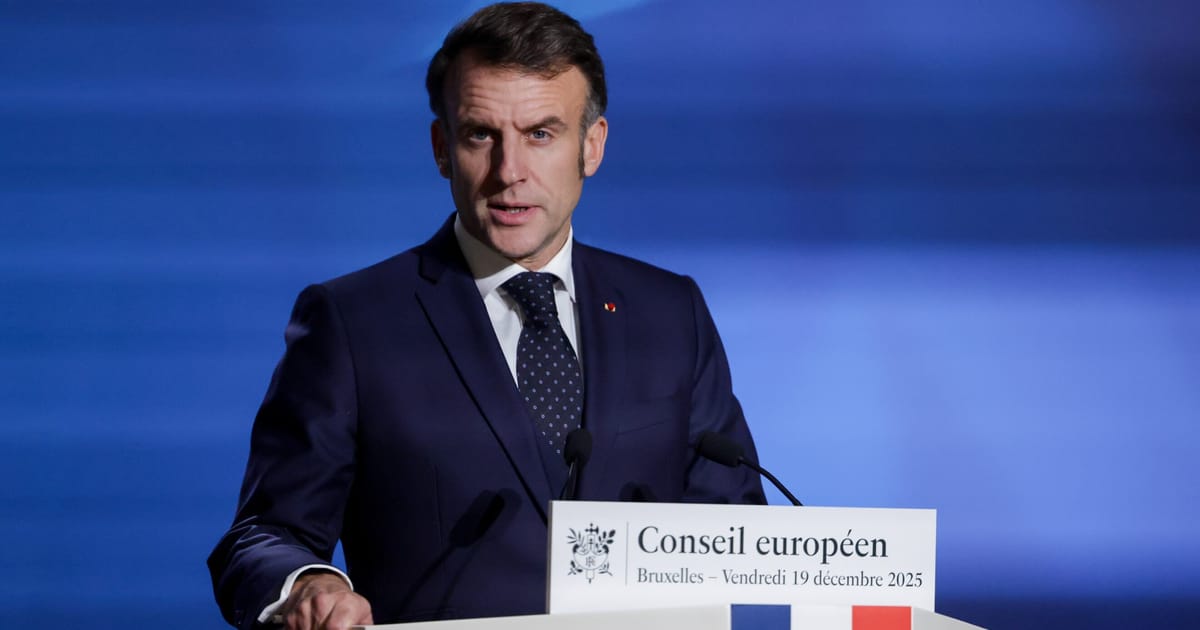
Paris has welcomed Russian President Putin's expressed readiness for bilateral talks with Macron, amid ongoing international discussions about Ukraine, with the Kremlin denying that trilateral talks involving Ukraine, Russia, and the U.S. are scheduled during recent Florida meetings.
Secretary of State Marco Rubio met with China's Foreign Minister Wang Yi, emphasizing the importance of open communication, exploring cooperation, and managing differences on bilateral, regional, and global issues.
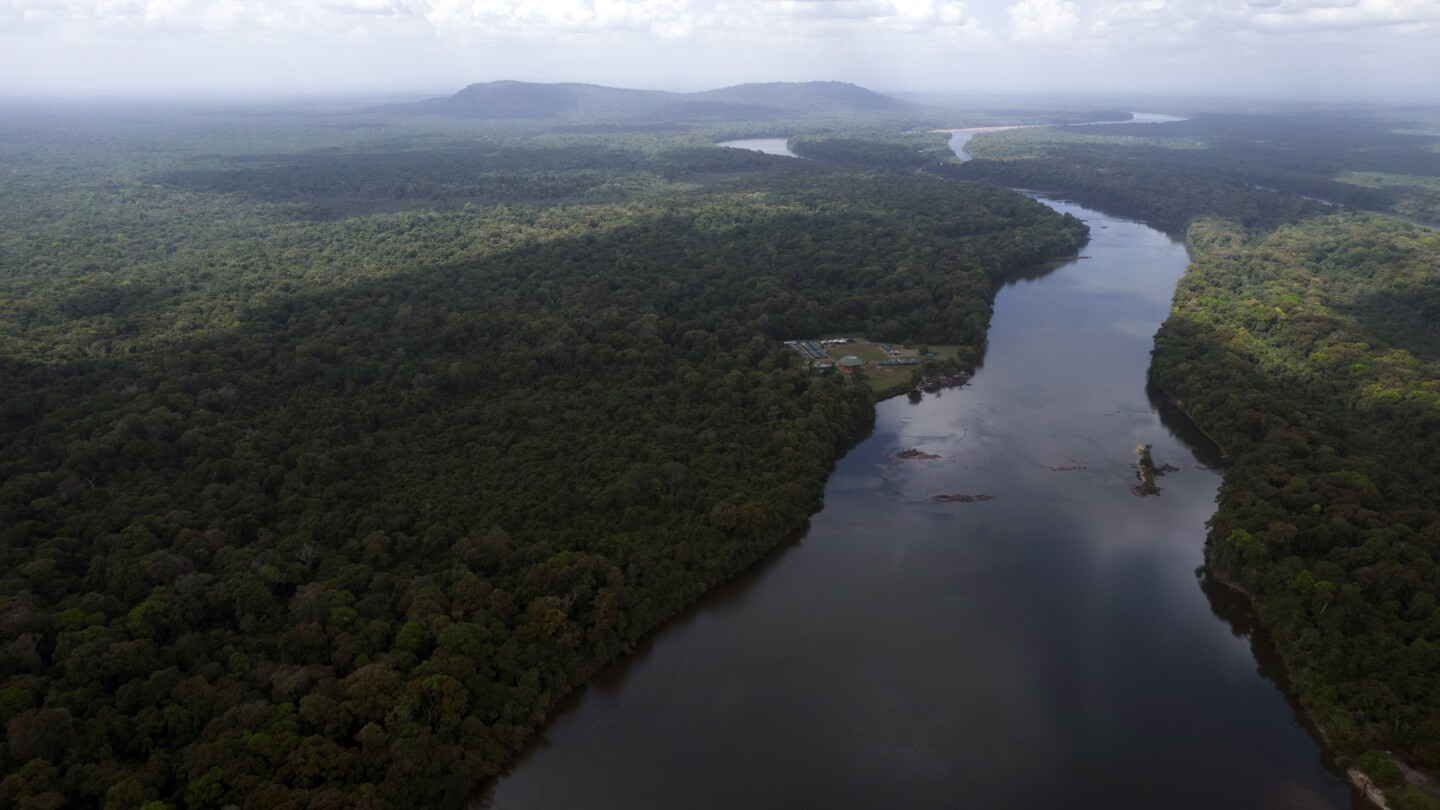
Under pressure from Brazil and a Caribbean trading bloc, the government of Guyana has agreed to join bilateral talks with Venezuela over an escalating territorial dispute. The dispute, reignited by the discovery of oil in Guyana, centers around the Essequibo territory, which accounts for two-thirds of Guyana and lies near significant offshore oil deposits. Guyana's President, Irfaan Ali, maintains that the country's position on the border controversy is non-negotiable and should be settled by the United Nations' International Court of Justice. The talks are scheduled to take place in St. Vincent, with Brazil acting as an observer.
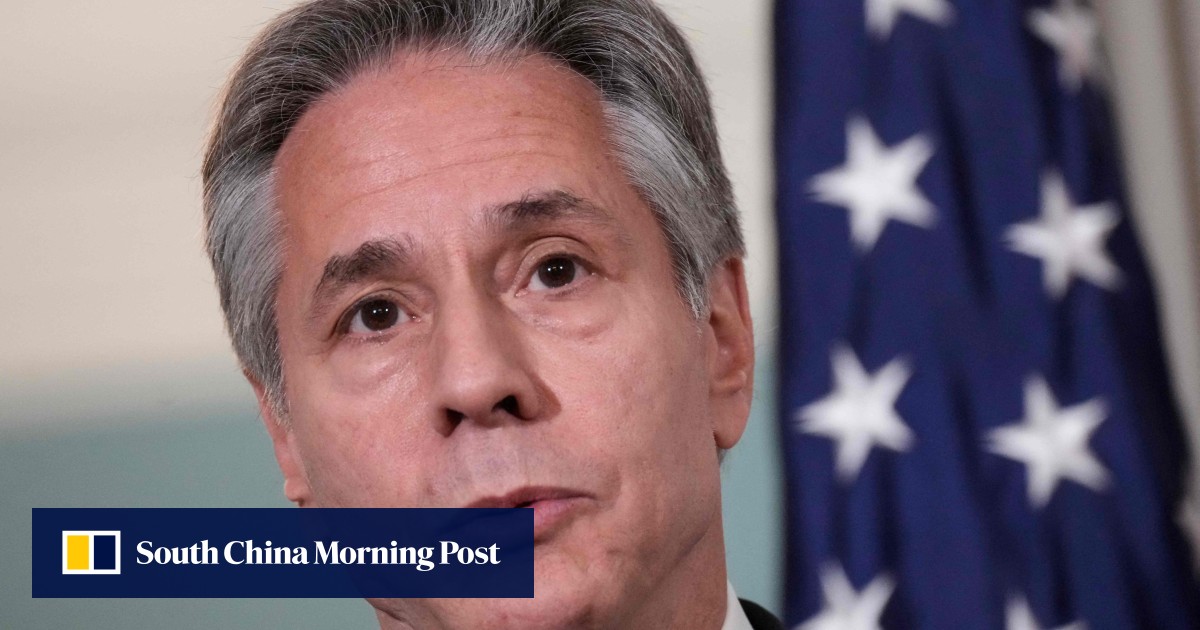
Secretary of State Antony Blinken will host Chinese Foreign Minister Wang Yi in Washington to discuss various bilateral, regional, and global issues, aiming to responsibly manage the U.S.-China relationship and maintain open communication channels. The United States will prioritize diplomacy to advance its interests, address differences, and make progress on shared challenges.
During bilateral talks between Indian Prime Minister Narendra Modi and Canadian Prime Minister Justin Trudeau, India raised concerns about the rising Khalistan extremism in Canada, highlighting anti-India activities, secessionism, violence against Indian diplomats, and threats to the Indian community and their places of worship. Trudeau defended freedom of expression and peaceful protest but acknowledged the need to prevent violence and push back against hatred. He emphasized that the actions of a few do not represent the entire community or Canada. India has reported multiple incidents of Khalistan extremism in Canada, including protests, vandalism of temples, and threats to Indian diplomats. Trudeau recognized India as an important economic partner and expressed a commitment to expanding cooperation.
Analysts suggest that even without any breakthrough agreements, Antony Blinken's visit to China could be considered a success as it is the first step towards determining if there is sufficient mutual intent to moderate the trajectory of the bilateral relationship. The visit is also expected to boost Beijing's charm offensive and set the stage for other top American officials seeking to visit China.
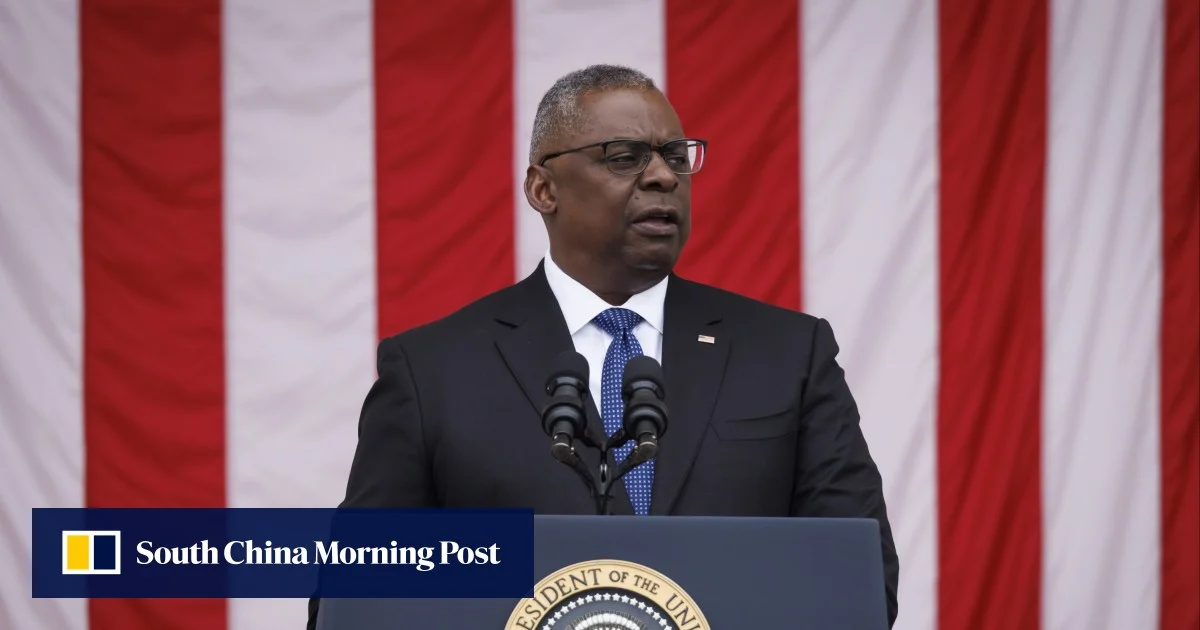
China has rejected a proposed meeting between its defence minister Li Shangfu and US Secretary of Defence Lloyd Austin at the Shangri-La Dialogue in Singapore, stating that the US must first correct its "mistaken actions". This comes as high-level bilateral talks between the two countries appear to be making progress, despite ongoing US sanctions against Chinese officials.
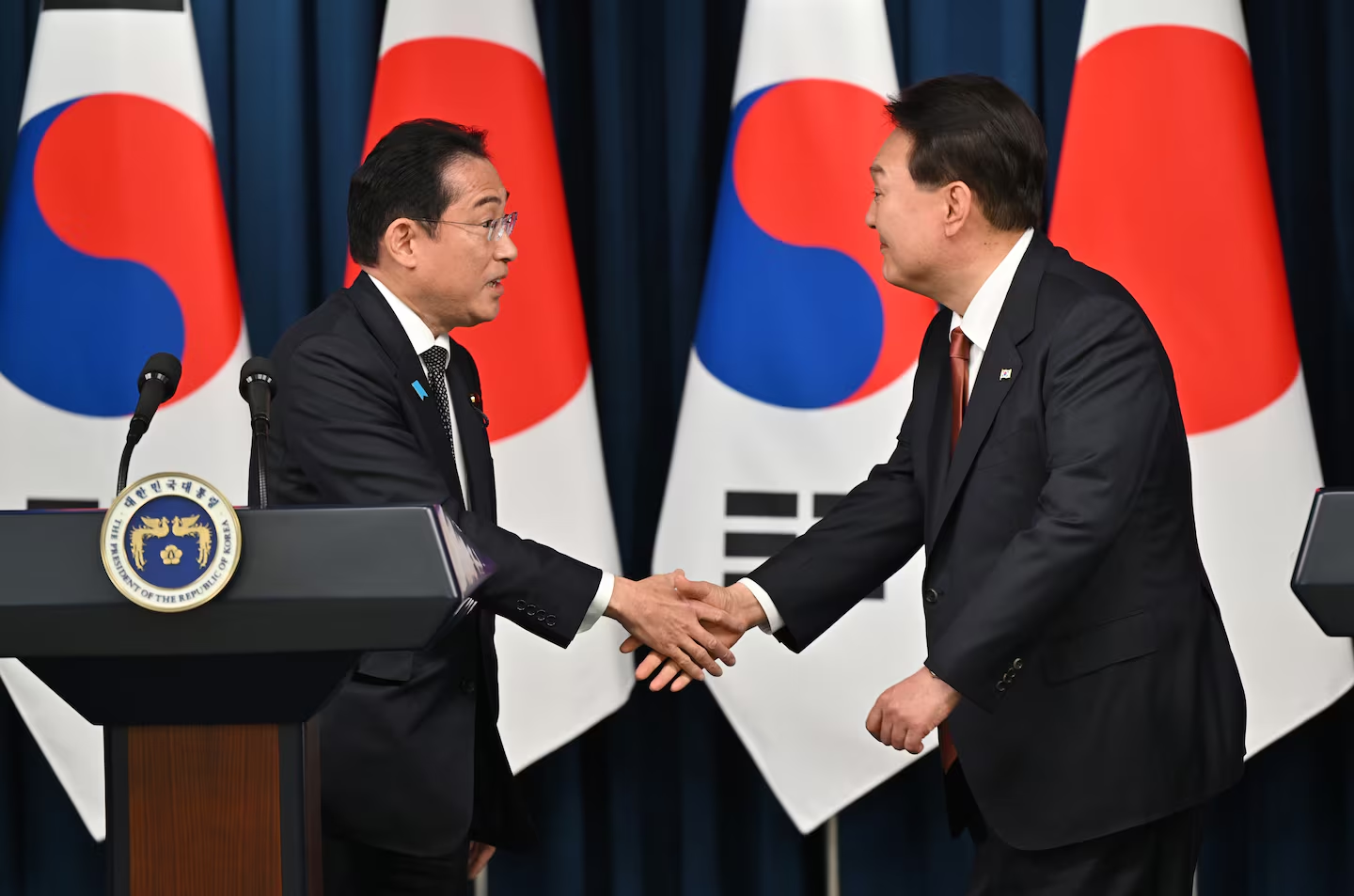
Japanese Prime Minister Fumio Kishida visited South Korean President Yoon Suk Yeol in Seoul, marking the revival of their "shuttle diplomacy" to work through several thorny issues that have complicated their ties. After years of friction, Seoul and Tokyo are trying to collaborate more closely with each other and Washington to counter the looming geopolitical threats of China's economic and military rise and North Korea's nuclear ambitions. The two leaders agreed to allow a group of South Korean experts to visit Japan and carry out an inspection ahead of the planned release of radioactive wastewater from the nuclear power plant in Fukushima that was destroyed in the 2011 earthquake, tsunami and nuclear meltdown.
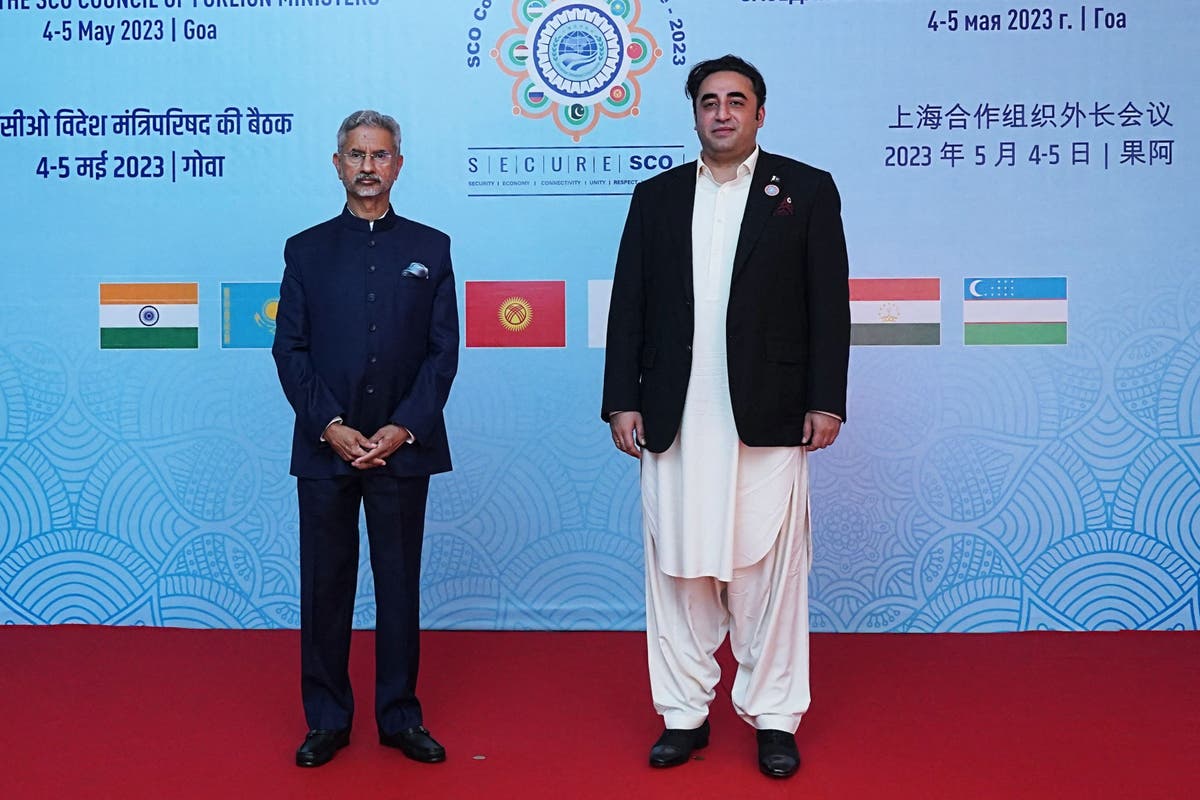
India's foreign minister, Subhramanyam Jaishankar, dismissed his Pakistani counterpart, Bilawal Bhutto Zardari, as a "promoter" and "spokesperson" for terrorism, effectively ending any hopes for reconciliation between the two countries at the Shanghai Cooperation Summit. Jaishankar accused Pakistan of supporting terrorism and "committing acts of terrorism," a charge Islamabad denies. The exchange of words between ministers shut down any possibility of bilateral talks. India and Pakistan have fought four wars since gaining independence from the British empire, and their chilly relations took a nose-dive in 2019 when the Modi government downgraded the Muslim-majority state of Jammu and Kashmir into two federally-controlled territories.
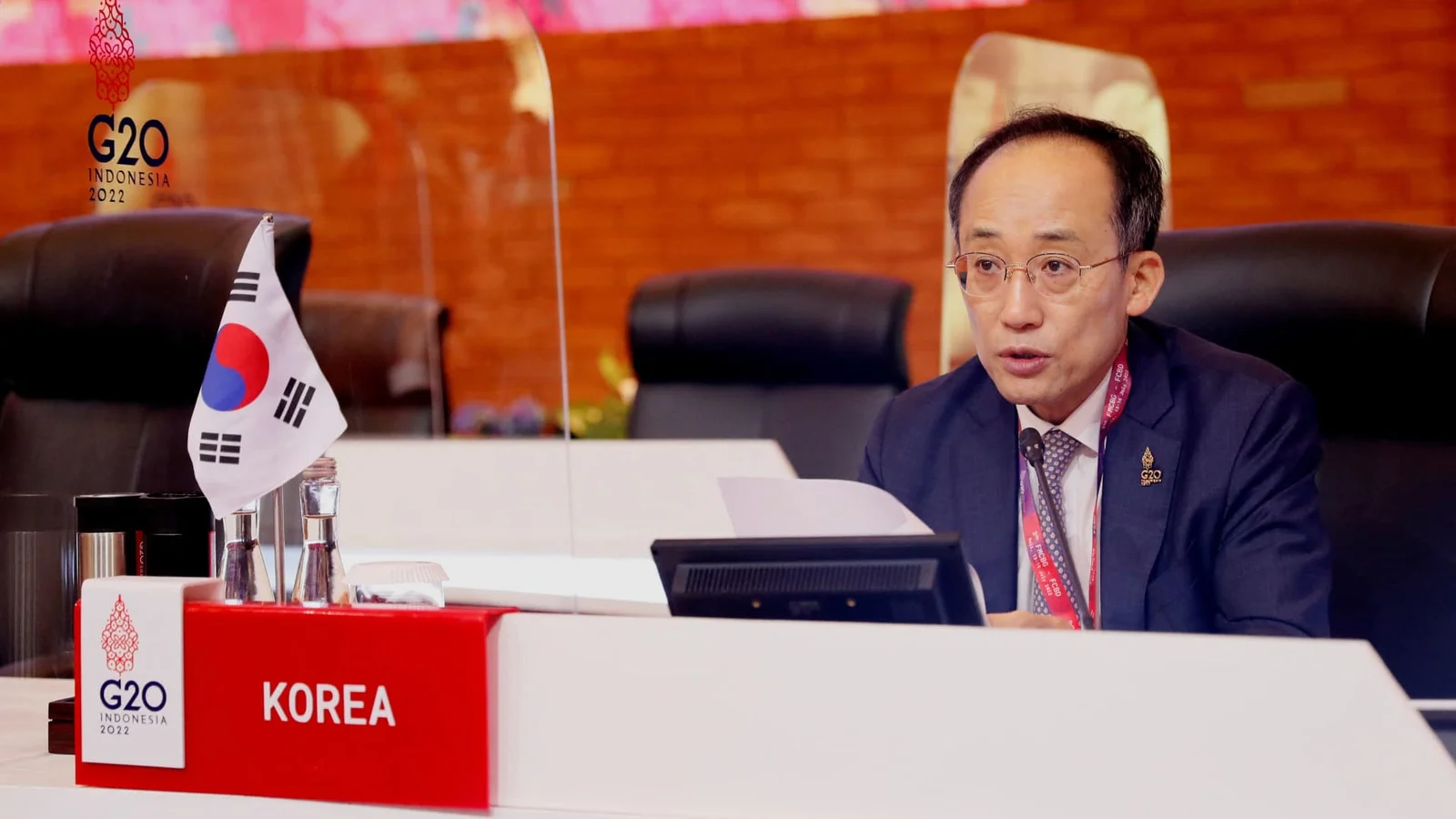
South Korea's finance minister, Choo Kyung-ho, has said that the country is at a "turning point" in economic relations with Japan, following Tokyo's decision to restore South Korea to a list of preferred trade partners. The two countries recently held their first bilateral finance ministerial meeting in seven years, agreeing to resume regular talks "at an appropriate timing." Choo said the recent talks with his Japanese counterpart will lead to further economic cooperation between the two US allies, particularly in high-tech industries such as semiconductors.