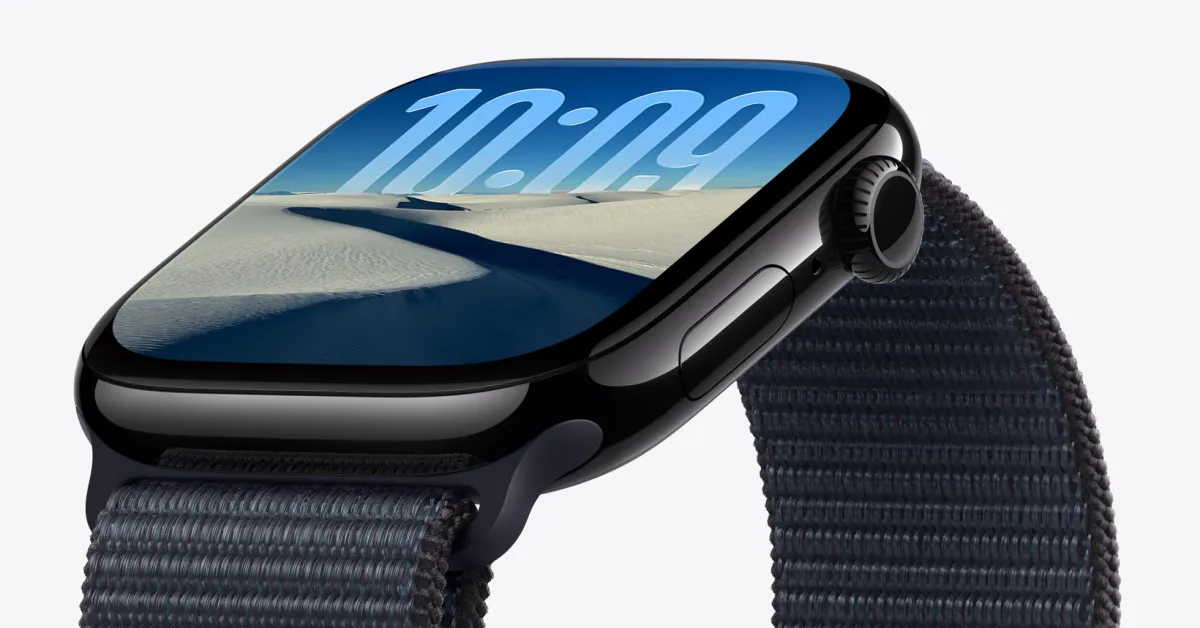
The article discusses whether investing in a cellular-enabled Apple Watch is worth it, highlighting its benefits for independence from iPhone, emergency features, and family use, while also considering costs and usage scenarios. It suggests that for many users, the added convenience and safety features justify the higher price, especially for those who want to leave their iPhone behind or monitor children remotely.
Verizon has signed a commercial agreement with AST SpaceMobile to provide satellite-to-phone connectivity, aiming to enhance coverage in dead zones using orbiting satellites, competing with SpaceX's Starlink service. The deal involves a $100 million commitment and access to radio spectrum, with plans to deploy 45-60 satellites by the end of 2024, though launch delays pose challenges.
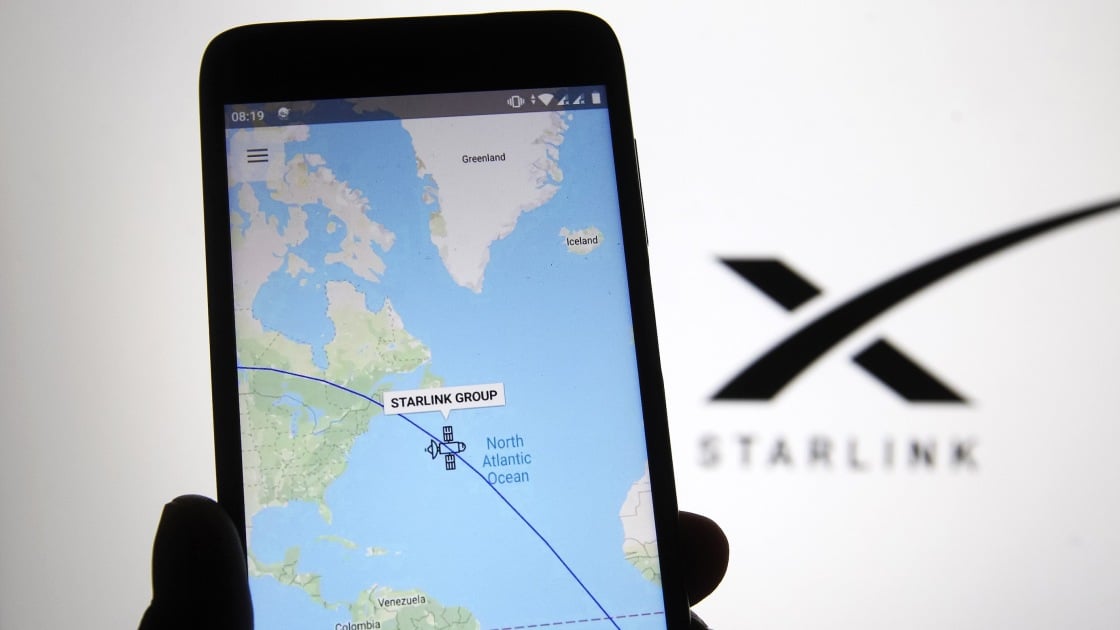
Elon Musk's SpaceX is advancing its Starlink satellite network by acquiring spectrum licenses and planning up to 15,000 new satellites to enhance mobile and cellular services, potentially challenging existing telecom giants and increasing leverage over Apple in satellite partnerships, with a target to improve global smartphone connectivity by 2027.
Garmin announced the Fenix 8 Pro series of smartwatches with cellular and satellite connectivity, allowing users to leave their phones behind for certain functions, though with some limitations and additional costs. The series includes a MicroLED display version and will be available starting September 8th, with prices ranging from $1,199.99 to $1,999.99.
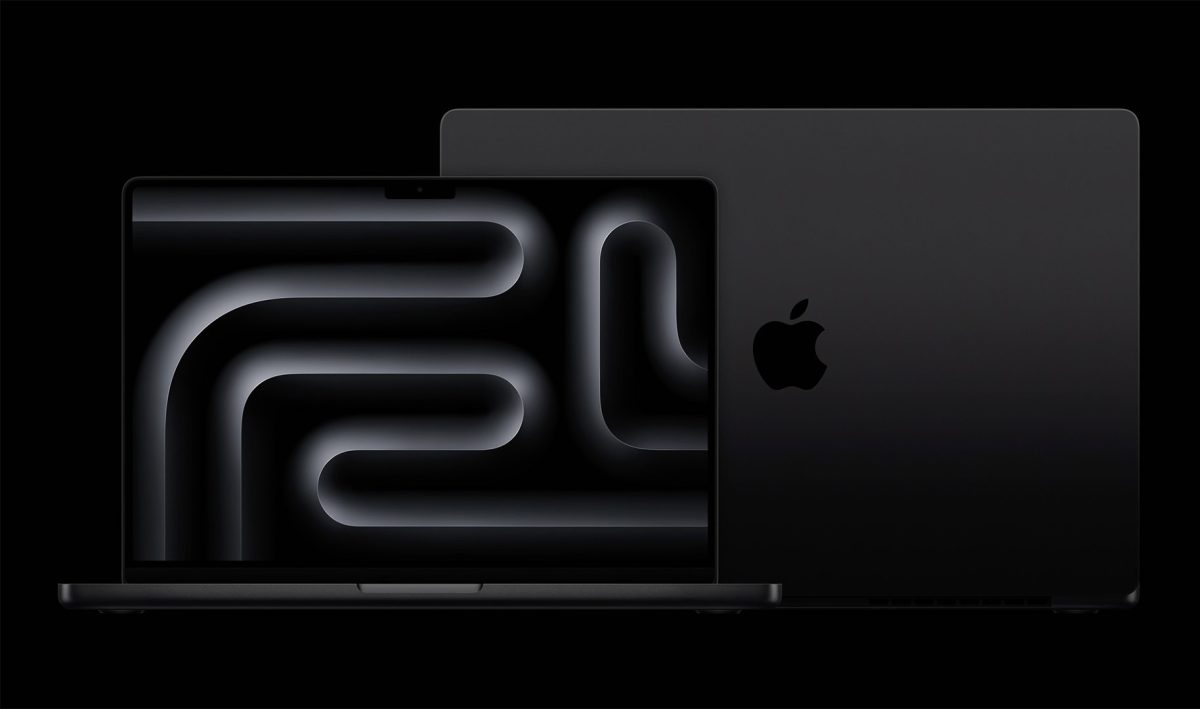
Apple is exploring the integration of its custom 5G modems into Macs, potentially bringing cellular connectivity to its computer lineup. The company is developing three modem variants, with the first expected to launch in budget iPhones and iPads next year. While a cellular Mac could be available by 2026, Apple is likely waiting for its modems to outperform Qualcomm's before release. This move could significantly benefit professionals who require constant connectivity.
The FCC has granted SpaceX an experimental authorization to test its cellular Starlink system, allowing the company to beam data to unmodified T-Mobile smartphones in over two dozen locations across the US. The test will involve using 840 satellites to transmit data to 2,000 test devices on the ground. The authorization aims to address concerns about potential radio interference and allows the FCC to halt testing if necessary. SpaceX plans to launch the cellular Starlink system for T-Mobile and other partners next year, with voice and data services expected to arrive in 2025.
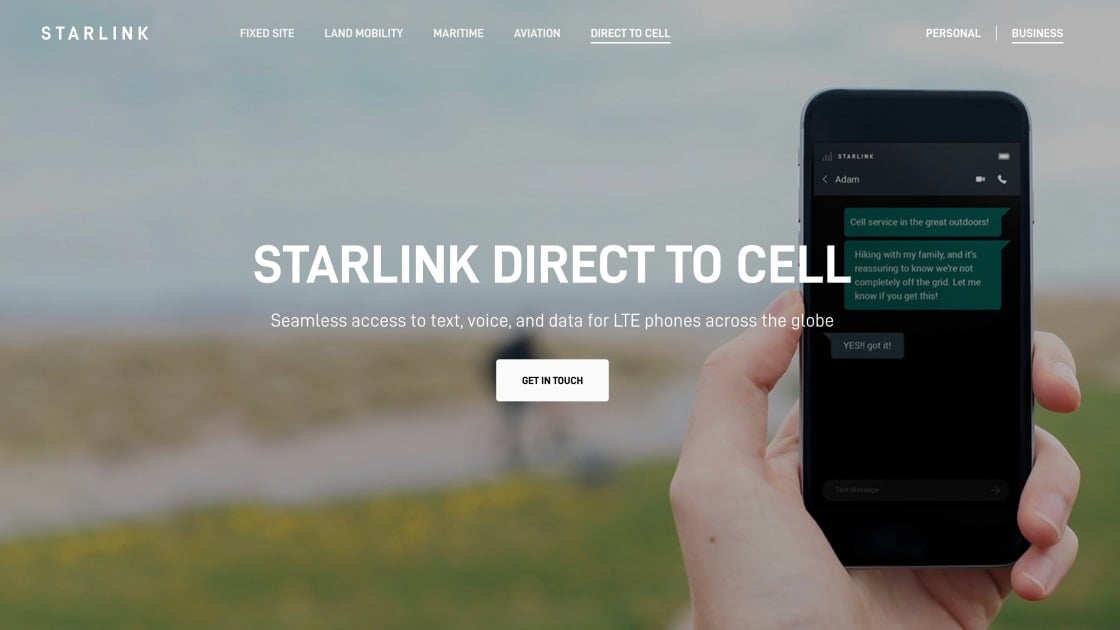
SpaceX has launched a new website called "Starlink Direct to Cell" to promote its upcoming Starlink service for mobile phones. The service aims to provide seamless access to text, voice, and data for LTE phones across the globe using the Starlink satellite network. SpaceX plans to launch the service in 2022 for satellite-based text messaging, followed by voice and text in 2025. The company also intends to support cellular connectivity for IoT devices in 2025. However, SpaceX needs clearance from the Federal Communications Commission before formally launching the service, as it faces opposition from other companies. The website also invites partnerships with cellular providers to expand their mobile networks.
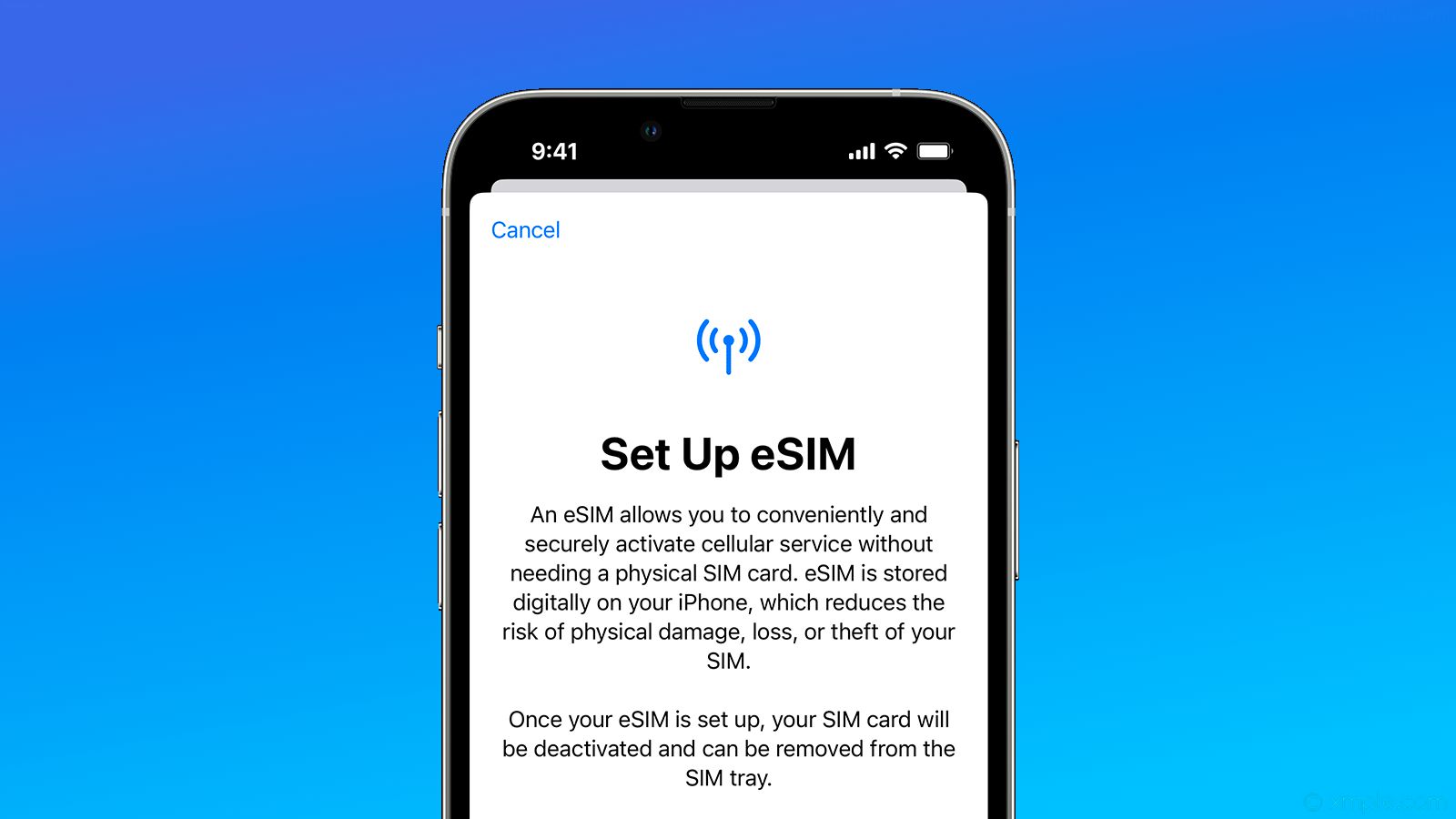
The iPhone 15 and iPhone 15 Pro models may launch without a SIM card tray in France, meaning they would only work with eSIMs for cellular connectivity. If the SIM card tray is removed in France, it would likely be removed in other European countries as well. Apple removed the SIM card tray from all iPhone 14 models in the U.S. last year, promoting eSIMs as more secure and convenient. The iPhone 15 series is expected to be unveiled in September.