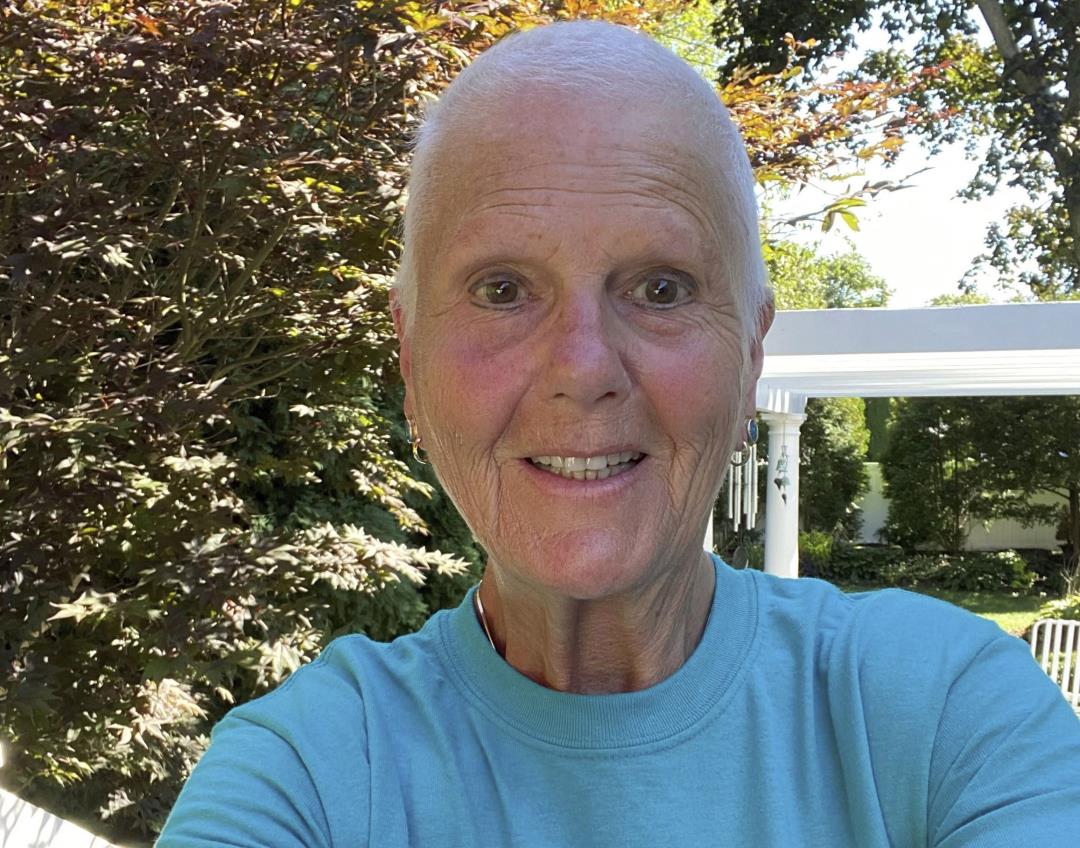
Lynda Bluestein, a 76-year-old Connecticut woman with terminal cancer, ended her life in Vermont under its medically assisted suicide law, which she successfully pushed to change to allow nonresidents to access the service. She passed away peacefully, as per her wishes, after taking a prescribed lethal dose of medication. Vermont is among the few places in the U.S. with such a law, which includes strict safeguards and is available to those with a prognosis of six months or less to live. Bluestein's advocacy efforts aimed at providing individuals with agency over their end-of-life decisions, a choice she was grateful to have in her final moments.

The family of former Congresswoman Eddie Bernice Johnson, a civil rights icon, alleges she died due to medical neglect at the Baylor Institute of Rehabilitation in Fort Worth, Texas. They claim she was left unattended in her own feces, leading to an infection that caused her death. Despite a successful back surgery, the alleged improper wound care and neglect at the rehabilitation center resulted in her tragic passing. The family's statement highlights the broader issue of elder abuse and healthcare disparities affecting elderly Black Americans. Baylor Scott & White Health has expressed a commitment to working with the family but cited patient privacy in limiting their comments.
After decades of advocacy, San Francisco's Golden Gate Bridge has been outfitted with stainless-steel nets designed to prevent suicides. The nets, which are already reducing the number of deaths, are a result of persistent efforts by survivors and relatives of those who died by suicide at the bridge. Despite delays and legal disputes over rising costs, the nets serve as a physical barrier to deter individuals from jumping, with the hope that this intervention will save lives and provide a moment for people to reconsider their actions and seek help.
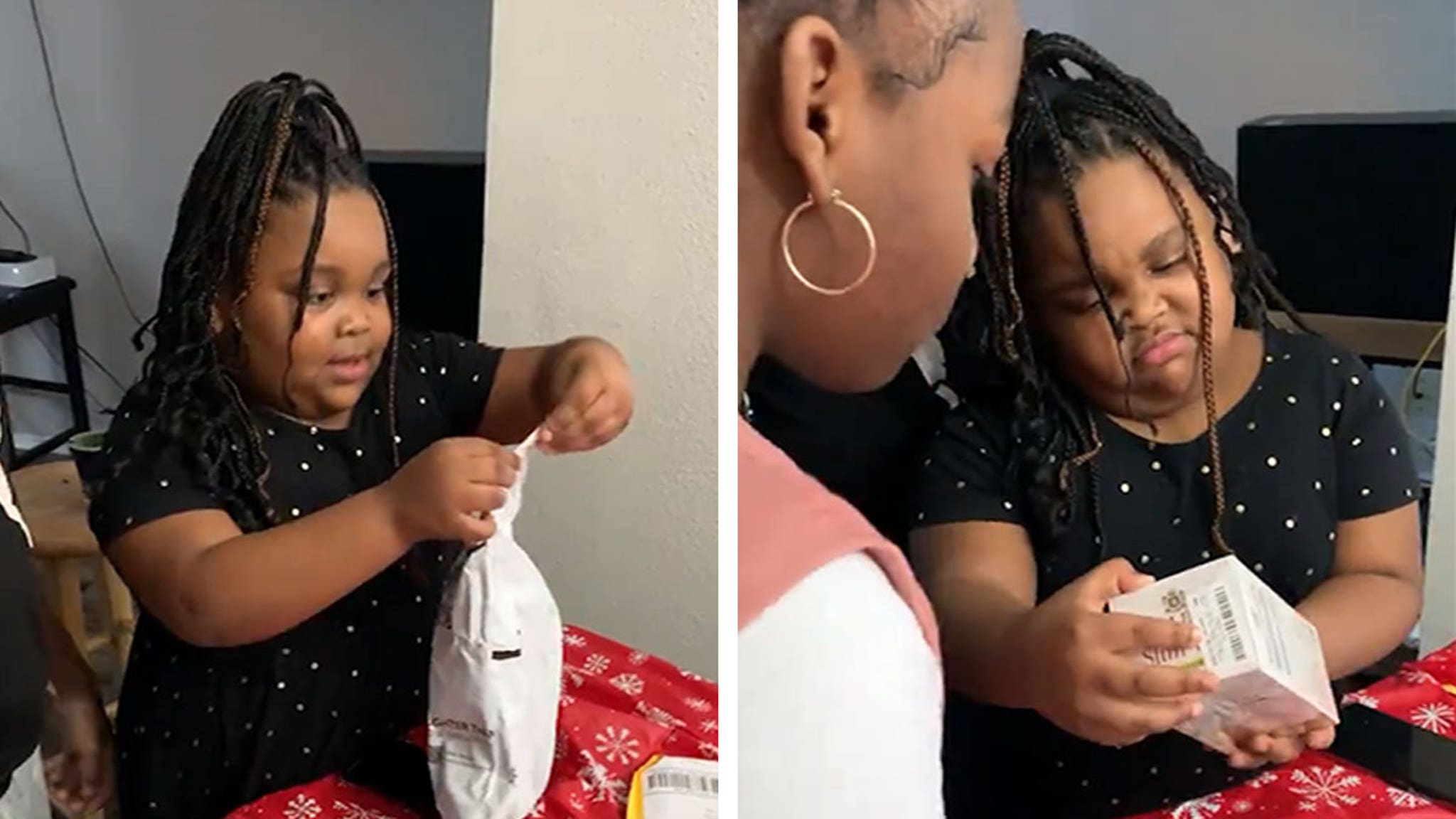
Parents are facing backlash after gifting their young daughter Slim Tea for Christmas and posting the video online. The clip shows the child's confusion and her siblings' disapproval, while the father insists she be thankful. Critics argue the parents are promoting unhealthy body image and bullying their daughter about her weight. The FDA does not endorse slim teas as effective, and the act raises concerns about misinformation, nutrition, and the psychological impact on the child.
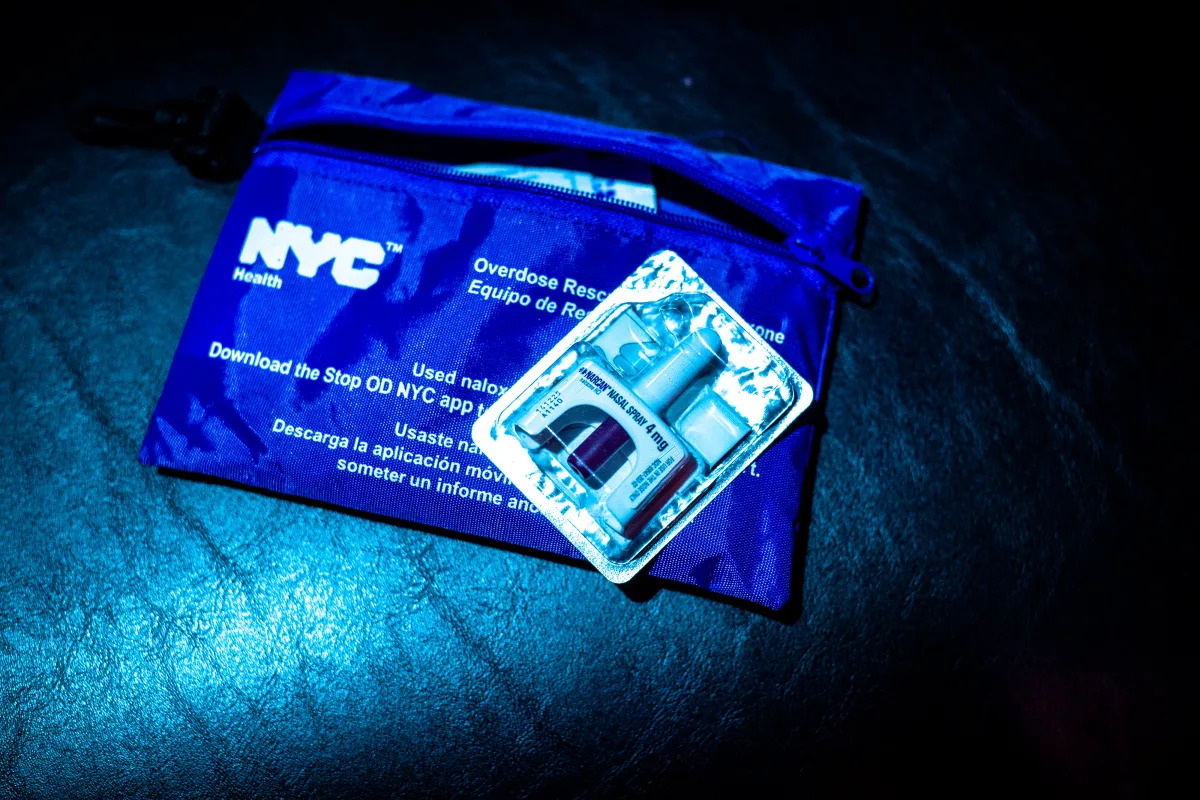
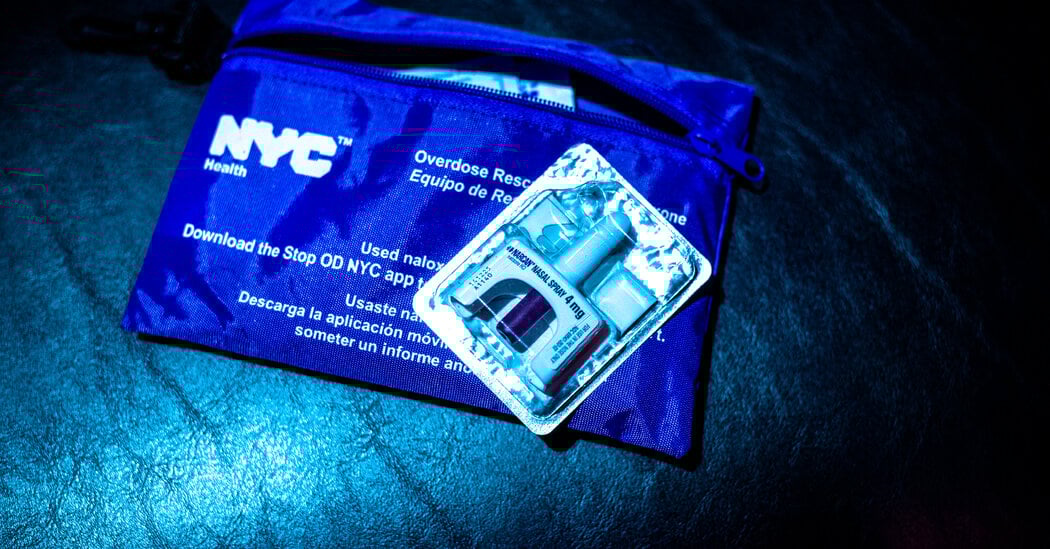
In New York City, some nightclub security personnel have been confiscating Narcan, a lifesaving overdose antidote, from patrons, conflicting with a city initiative to have the antidote widely available in public venues. Despite the city's push for overdose prevention, including the "NARCAN Behind Every Bar" program, incidents at venues like Brooklyn Steel have raised concerns about security guards' awareness and training. The city is facing a severe overdose crisis, with fentanyl involved in the majority of cases. Venue owners and city officials are working to ensure Narcan is accessible and that staff are properly trained, while security companies are addressing the issue as a learning opportunity.
In New York City, some nightclubs have been confiscating Narcan, a nasal spray form of naloxone used to reverse opioid overdoses, from patrons due to security concerns. This practice conflicts with a city initiative encouraging the public to carry the lifesaving drug. City officials, including the health commissioner, have emphasized that everyone should carry naloxone and that it should not be taken away, highlighting a disconnect between public health efforts and nightclub security protocols.