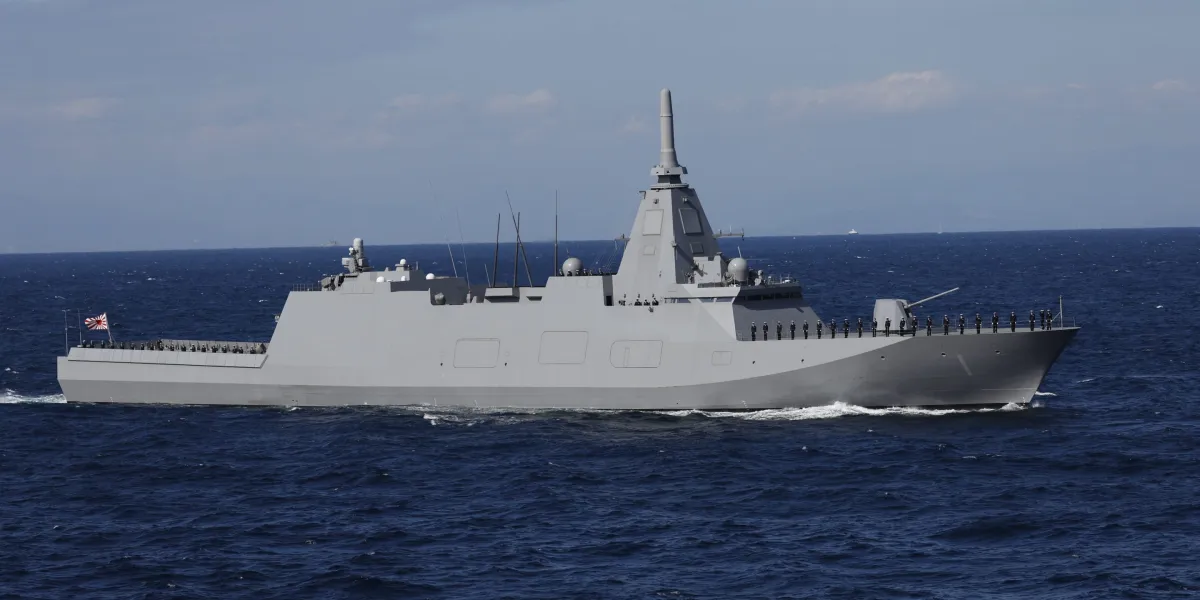
Australia is set to purchase 11 stealth frigates from Japan's Mitsubishi Heavy Industries in a $6 billion deal, marking Japan's largest defense export since WWII, to bolster its navy amid regional tensions with China and strengthen strategic ties with Japan and allies like the U.S. and India.
European Commission President Ursula von der Leyen faces resistance from a group of EU countries over her plan to use Russian assets to purchase weapons for Ukraine, as tighter rules and a halt in EU funding leave member states seeking alternative sources of cash. Meanwhile, Western allies are divided over how to make Putin pay for the conflict in Ukraine, with the Biden administration frustrated at Europe's reluctance to confiscate Moscow's assets to finance Ukraine's reconstruction, risking a potential economic cliff edge for EU countries.
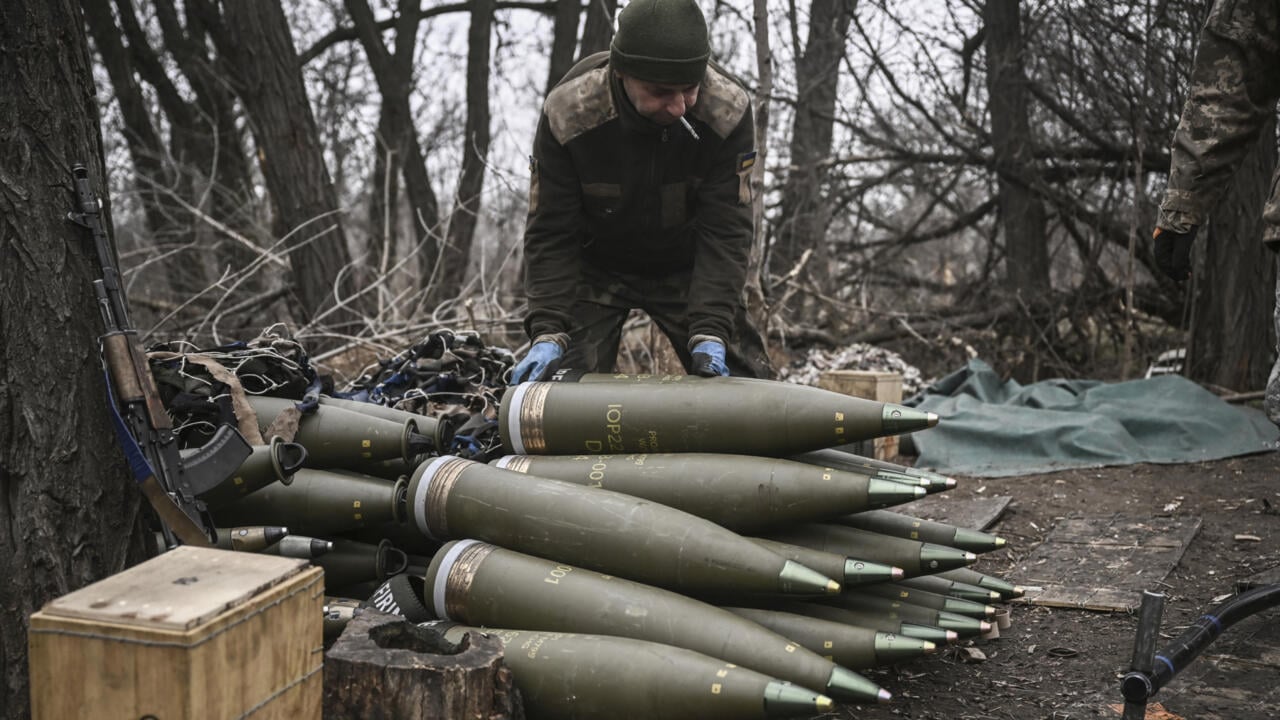
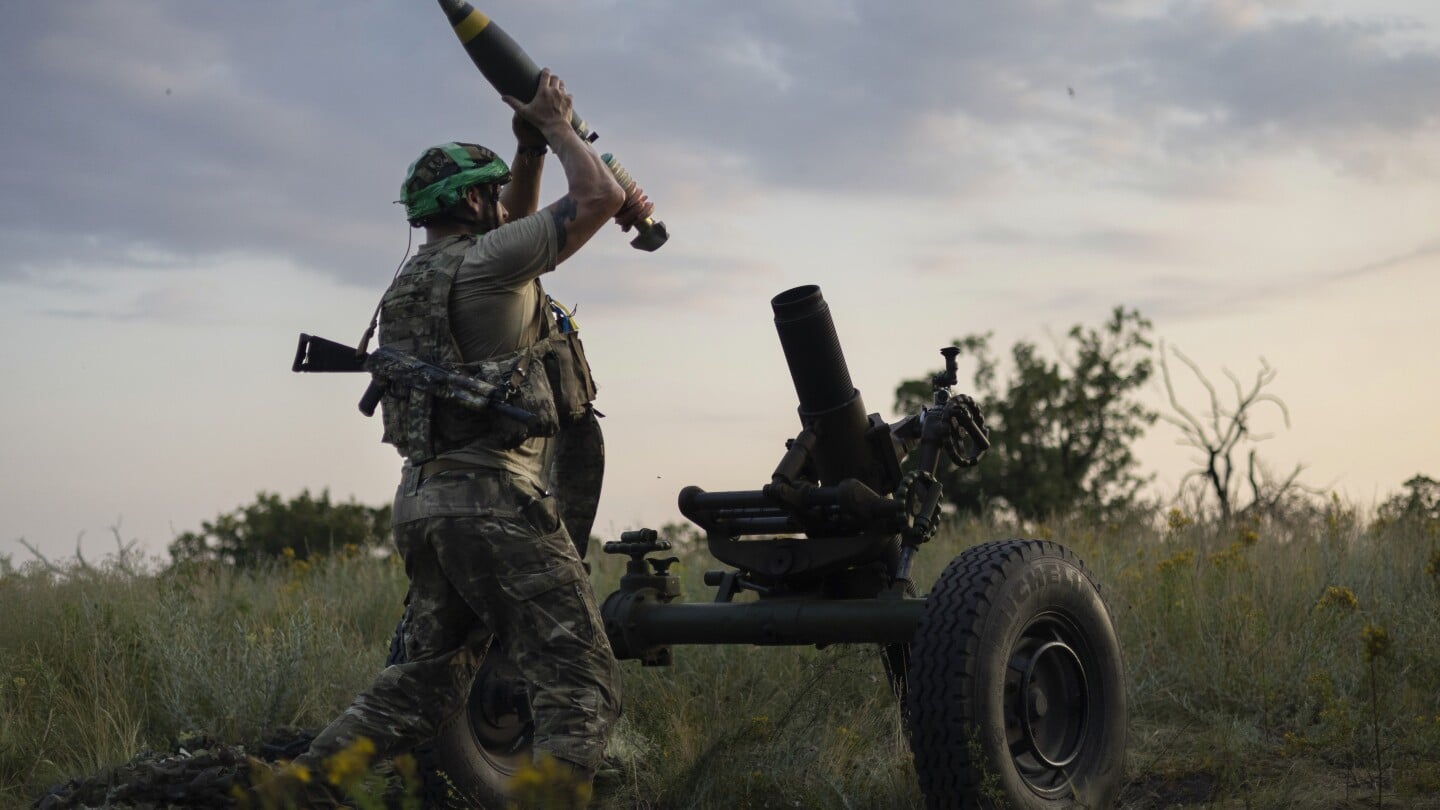
Ukraine's main intelligence and security agency uncovered an attempt to embezzle $40 million through a fraudulent arms procurement scheme involving the purchase of 100,000 mortar rounds for the Armed Forces. Current and former senior officials of the defence ministry and heads of affiliated companies are implicated in the scheme, with one suspect already detained. The stolen funds have been seized and will be returned to the defence budget, as Ukraine continues to grapple with corruption scandals within its defence ministry.
Ukrainian officials have charged five people, including employees from a Ukrainian arms firm, for embezzling nearly $40 million intended for purchasing 100,000 mortar shells for the war with Russia. The investigation, part of Ukraine's anti-corruption efforts, aims to address widespread graft and expedite the country's membership in the European Union and NATO. The funds have been recovered and will be returned to the defense budget.
The US has agreed to sell military jets to Turkey after Ankara approved Sweden's bid to join NATO, signaling a potential thaw in US-Turkey relations. The deal comes amid strained ties between the two countries over various issues.
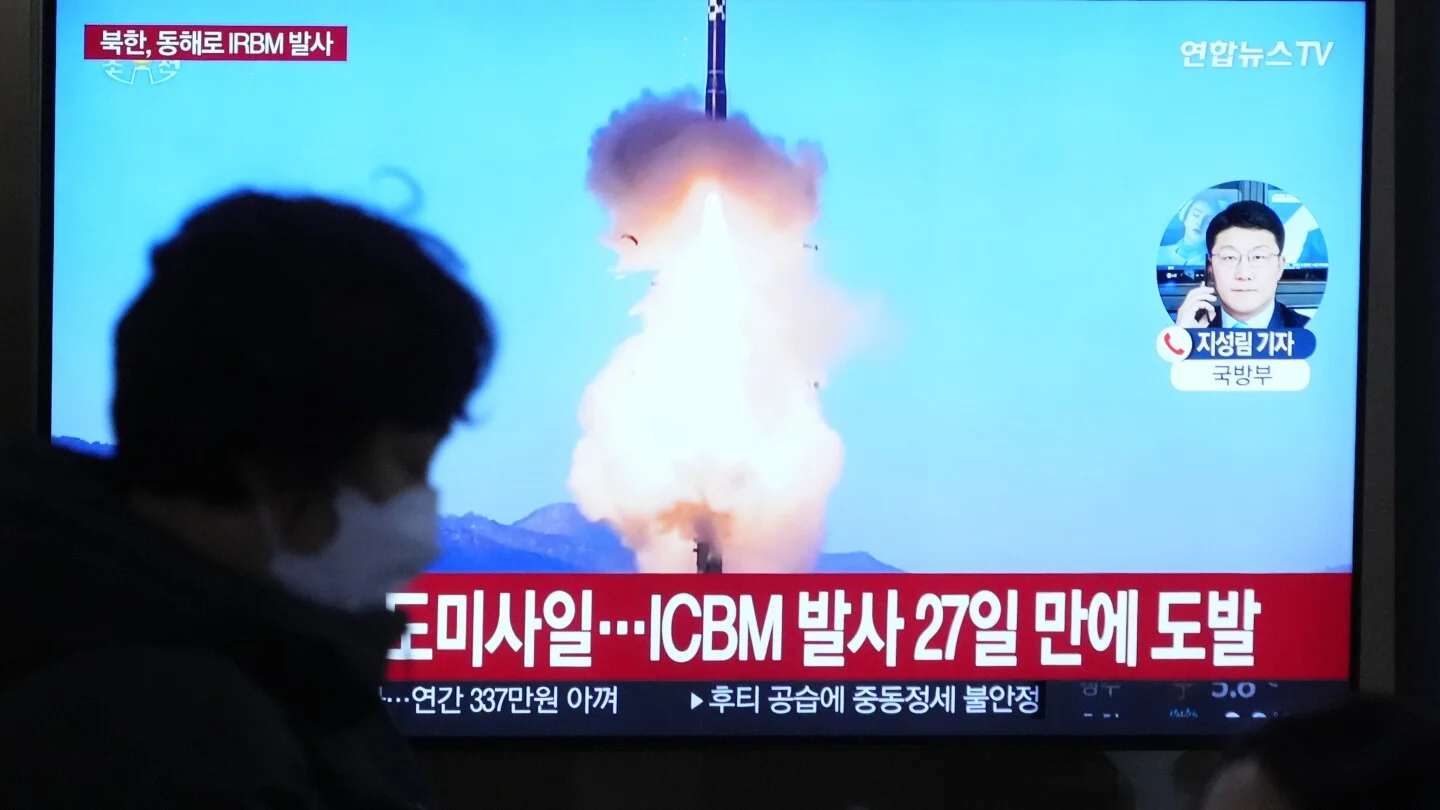
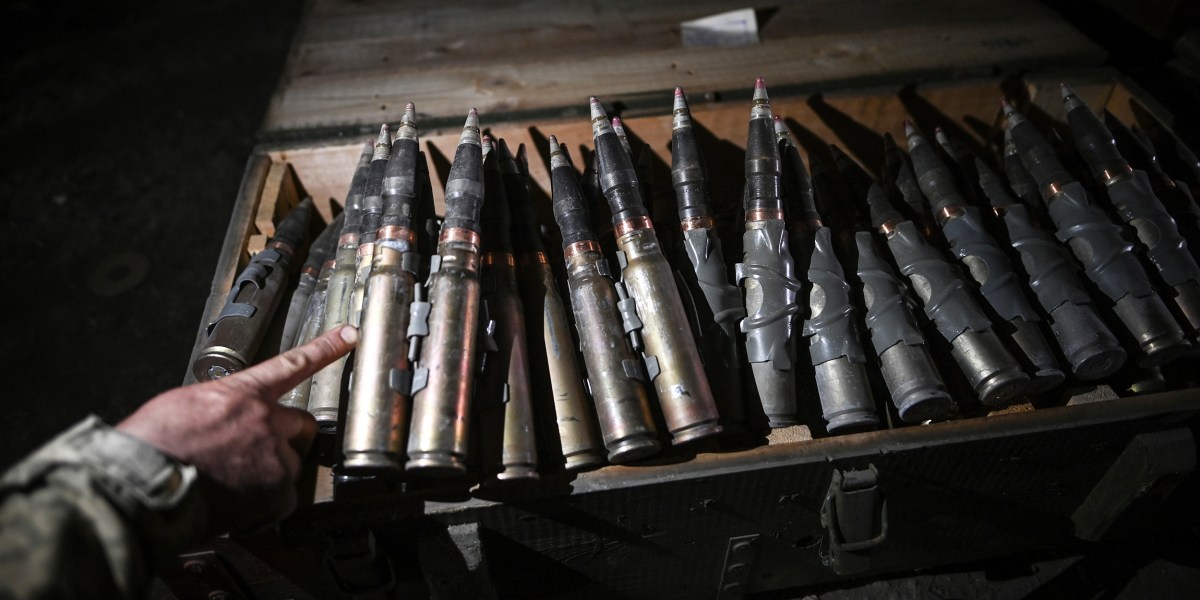
North Korea's foreign minister is in Moscow for talks amid growing concern over an alleged arms cooperation deal between the two countries, with the United States and South Korea claiming that North Korea has provided Russia with arms, including artillery and missiles, to aid its involvement in Ukraine. The Biden administration asserts evidence that North Korean missiles provided to Russia have been used in Ukraine, while both Russia and North Korea deny these accusations.
Ukraine confirms that Russia used North Korean-made ballistic missiles in recent strikes on Ukrainian cities, with evidence including missile debris marked with North Korean characters and a design resembling the KN-23 missile. The U.S. also disclosed photos supporting this claim. South Korean intelligence suggests a comprehensive arms deal between North Korea and Russia, involving the supply of short-range ballistic missiles and other military equipment. The KN-23 and KN-24 ballistic missiles, developed with assistance from Russia and China, represent significant advancements in North Korea's missile capabilities and pose implications for global security dynamics.
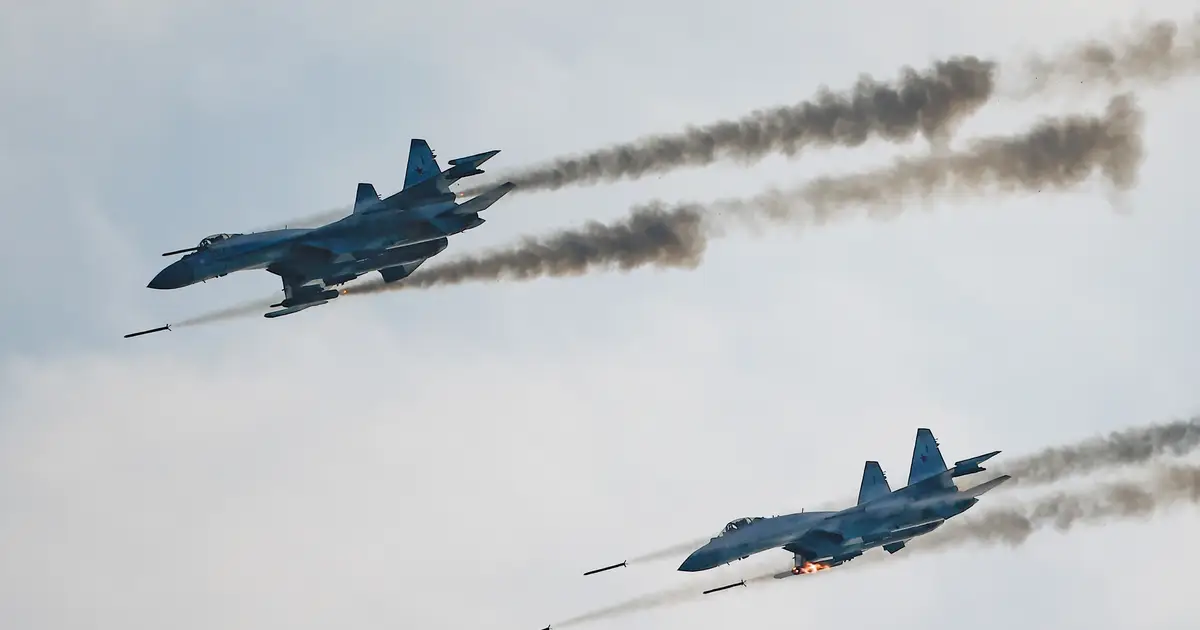
Iran's deputy defense minister announced the purchase of the Sukhoi-35 fighter jet as part of a recent arms deal with Russia, signaling a potential modernization of Iran's air force. The deal also includes the delivery of the Mil Mi-28 attack helicopter and Yak-130 training aircraft. The deepening ties between the two nations, both facing global sanctions, have been driven by Russia's need for weapons and Iran's pursuit of advanced military capabilities. Contradictory statements have emerged regarding the acquisition process, with speculation of potential disruptions influenced by Israel.
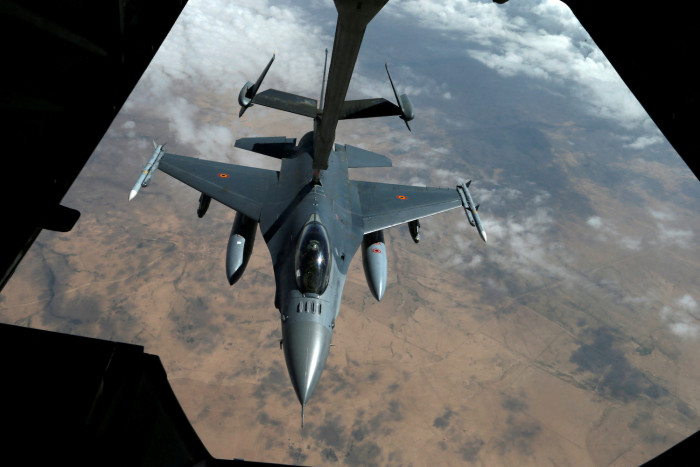
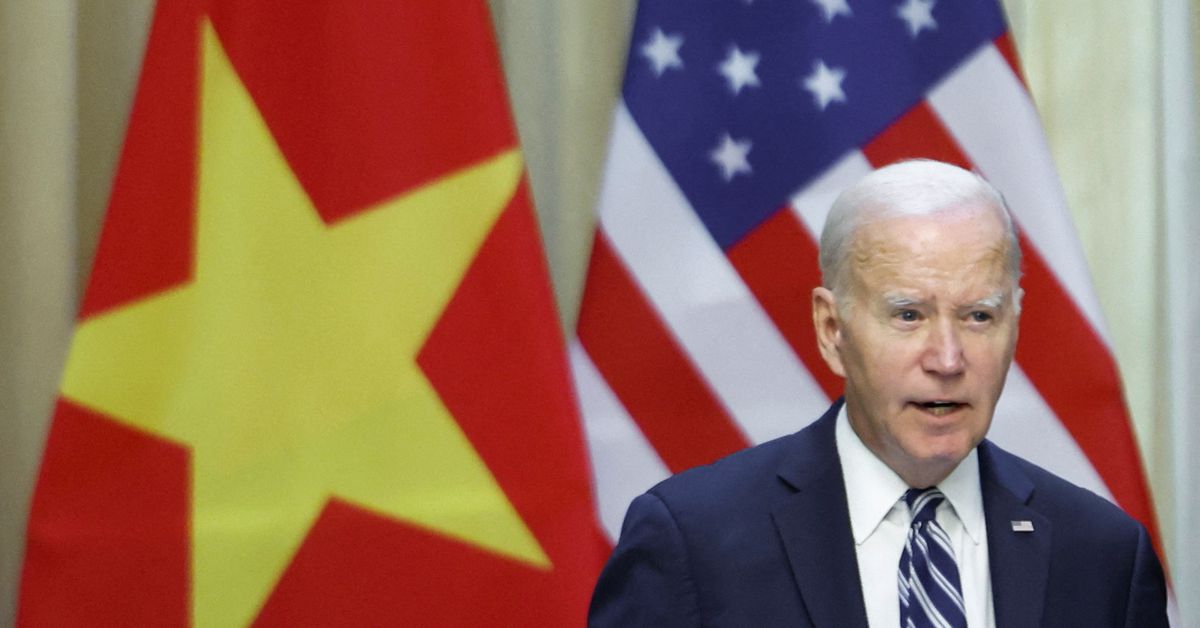
The Biden administration is in talks with Vietnam for a potential arms deal that could include the sale of a fleet of American F-16 fighter jets, marking the largest arms transfer in history between the two countries. The deal, which could irritate China and sideline Russia, aims to strengthen the partnership between the US and Vietnam as tensions rise in the disputed South China Sea. The exact terms of the deal are still being worked out, but Washington is considering special financing options to help Vietnam move away from its reliance on Russian-made arms. The potential deal could aggravate China, Vietnam's larger neighbor, and Vietnam is seeking to build up its maritime defenses without provoking a response from China.
The Biden administration is engaged in discussions with Vietnam for a potential arms deal, which could be the largest in history between the two countries. The deal, which is still in its early stages, could involve the sale of American F-16 fighter jets to Vietnam as tensions rise with China in the disputed South China Sea. The United States is considering special financing terms to help Vietnam move away from its reliance on Russian-made arms. A major arms deal between the US and Vietnam could provoke China, Vietnam's larger neighbor, and complicate the delicate balancing act of Vietnam's defensive capabilities. The Biden administration aims to balance geopolitical competition with China while responsibly managing the relationship between the two superpowers.
Leaked documents reveal that secret arms sales from Pakistan to the U.S. were used to secure a controversial bailout from the International Monetary Fund (IMF). The arms sales were intended to supply the Ukrainian military, despite U.S. pressure on Pakistan to take sides in the conflict. The revelation sheds light on behind-the-scenes maneuvering between financial and political elites, which has sparked ongoing protests in Pakistan against harsh IMF-mandated reforms. The arms deals were brokered by Global Military Products, a subsidiary of Global Ordnance, and the economic capital and political goodwill from the sales played a key role in securing the IMF bailout. The loan allowed the new Pakistani government to delay elections and deepen its crackdown on dissenters, raising concerns about the future of democracy in the country.
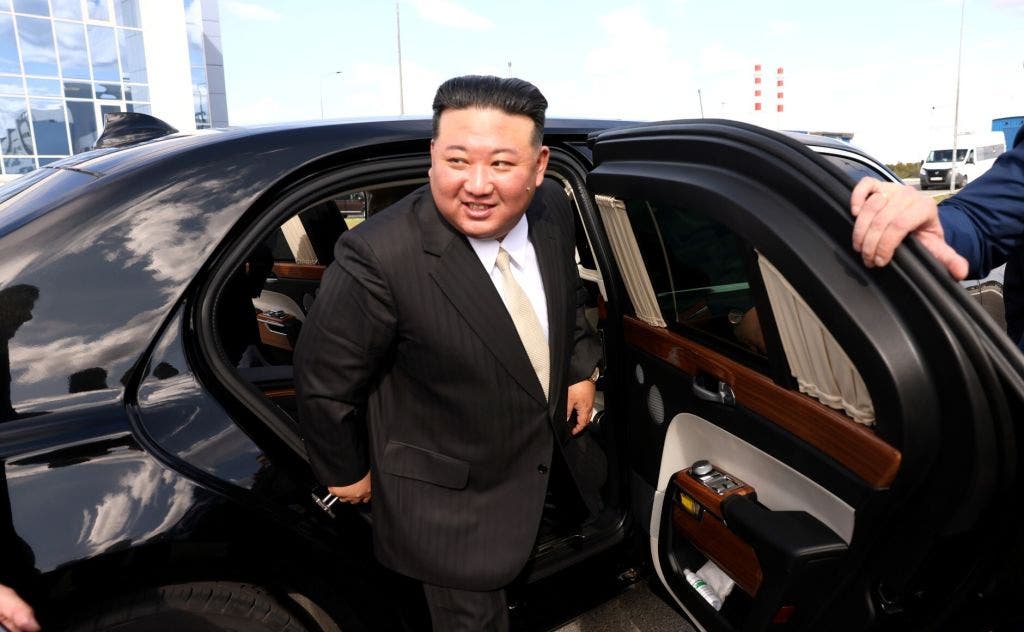
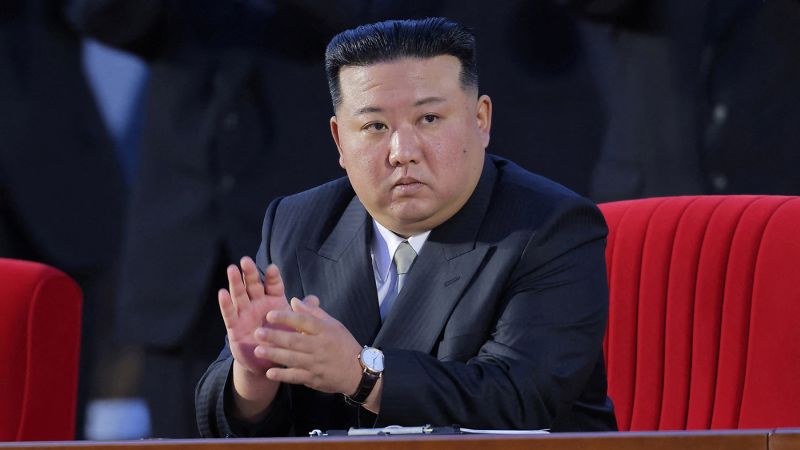
North Korean leader Kim Jong Un departed Russia after a six-day trip, receiving explosive weaponry as gifts. Kim met with Russian President Vladimir Putin to discuss a potential arms deal, but no agreement has been signed yet. The visit marked Kim's first official trip abroad since the start of the pandemic. North Korean media claimed that Putin has accepted an invitation to visit North Korea in the future, though this has not been confirmed by the Kremlin. Kim pledged North Korea's support for Russia's actions in Ukraine during the meeting.
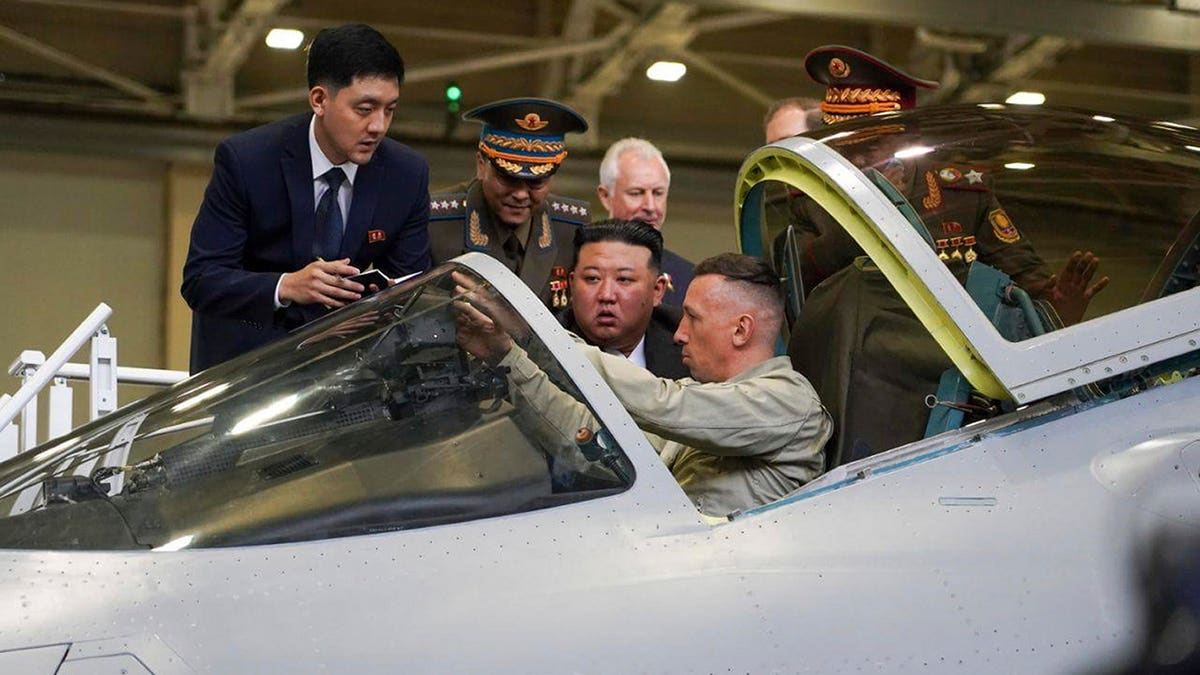
North Korean leader Kim Jong Un visited a fighter jet factory in Russia, raising concerns about deepening military ties between the two countries. The visit suggests that Moscow may be considering trading its technology for arms it can use in Ukraine. Kim's tour of Russia, which has focused on military and industrial sites, has fueled speculation that Pyongyang could arm Moscow in exchange for sensitive technology for its nuclear missile program. The US has warned of reprisals and further sanctions if an arms deal materializes, and South Korean diplomats have stated that any military cooperation would violate UN sanctions.
North Korean leader Kim Jong Un will visit Russia at the invitation of Russian President Vladimir Putin, with the possibility of striking an arms deal between the two countries. The visit, which will likely take place in Vladivostok, will be Kim's first foreign trip since the Covid-19 pandemic. The meeting comes amid warnings from the US government that such a deal could violate sanctions imposed on North Korea over its weapons program. The potential meeting could provide North Korea with access to weapons it has been barred from obtaining for two decades, while also supplying Russia's military needs amid the ongoing conflict in Ukraine.
North Korean leader Kim Jong Un is set to visit Russia for a meeting with President Vladimir Putin, sparking concerns about a potential arms deal for Moscow's war in Ukraine. The visit, Kim's first foreign trip since the COVID-19 pandemic, comes as North Korea and Russia deepen their cooperation amid confrontations with the United States. While Russia may seek more supplies of North Korean artillery and ammunition, Kim could request energy and food aid, as well as advanced weapons technologies. There are concerns that such technology transfers could increase the threat posed by North Korea's growing arsenal of nuclear weapons and missiles.