Mortgage rates remain mostly below 6%, with Navy Federal Credit Union offering the lowest APR at 5.614%, and the top lenders' rates showing little change this week, emphasizing the importance of shopping around and comparing APRs for the best deal.
Mortgage rates have slightly decreased this week, with Navy Federal Credit Union offering the lowest APR at 5.614%, leading a list of top lenders with sub-6% rates for 30-year fixed loans. Shopping around and comparing APRs, which include fees and points, is crucial for securing the best deal, especially as lenders offer discounts and promotions.
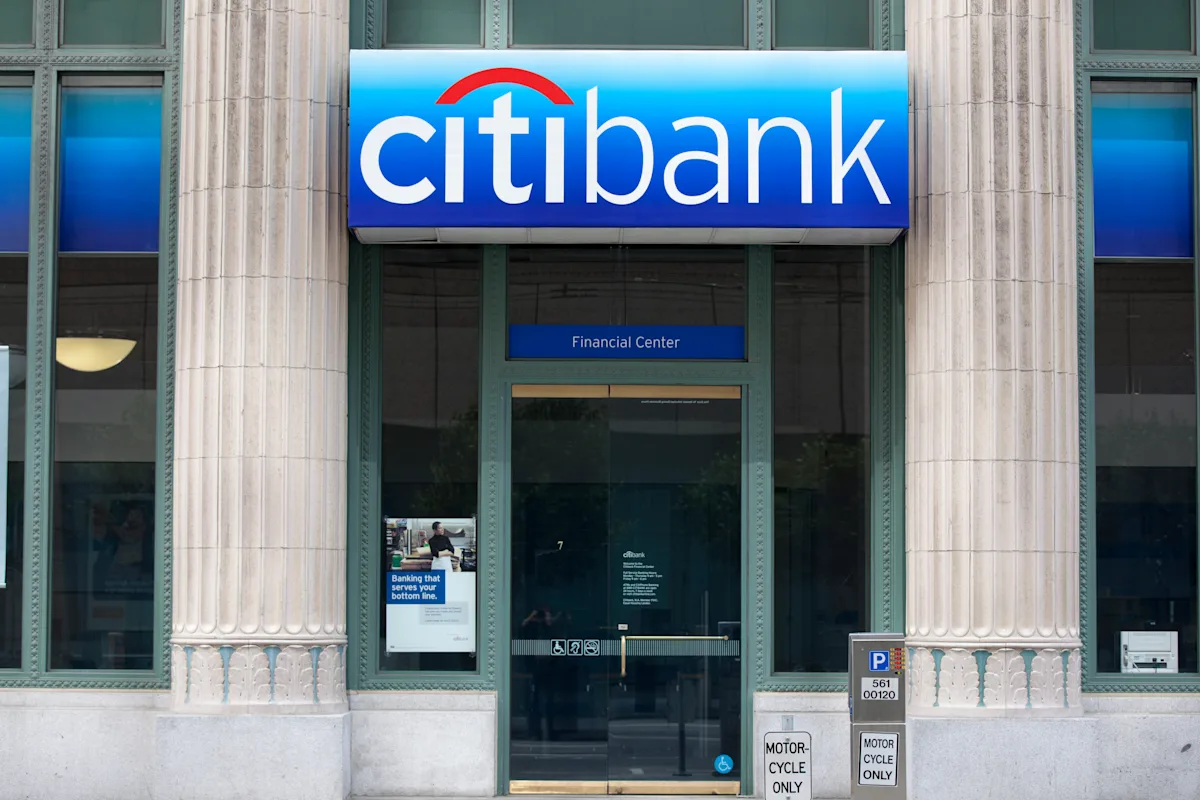
The article reports that the top mortgage lenders with the best rates this week have APRs below 6%, with Citi Mortgage offering the lowest at 5.755%. It emphasizes the importance of shopping around and comparing APRs, which include both interest rates and fees, to find the best mortgage deal. The article also discusses how rates vary by lender and borrower profile, and provides insights on mortgage points and cost savings.
The top mortgage lenders are offering rates in the upper 5% range, with Citi Mortgage leading at 5.755%, highlighting significant variation among lenders and emphasizing the importance of shopping around for the best mortgage rate, especially considering APR which includes fees.
Mortgage rates slightly increased this week despite a Federal Reserve rate cut, with Navy Federal Credit Union, Citi Mortgage, and PenFed Credit Union offering the lowest APRs among 16 surveyed lenders. Shopping around for the best mortgage rate, especially considering APR and potential discount points, can save borrowers significant money over the life of a loan.
On February 12, 2024, the average mortgage rates for a 30-year fixed mortgage is 7.37% with an APR of 7.27%, while the 15-year fixed mortgage has an average rate of 6.61% with an APR of 6.57%. The average interest rate on a 30-year fixed-rate jumbo mortgage is 7.29%. Factors such as income, debt, credit score, and down payment play a crucial role in determining home affordability. Borrowers can influence their mortgage rates by improving their credit score, maintaining a low debt-to-income ratio, and considering various loan programs.
Mortgage rates have decreased, with the current average rate on a 30-year fixed mortgage at 8.02%, a decrease of 0.23 percentage points from last week. The average rate on a 15-year mortgage is 7.20%, while the average rate on a 30-year jumbo mortgage is 7.90%. Factors such as the Federal Reserve's rate decisions, bond market performance, economic health, and inflation impact mortgage rates. Borrowers can focus on improving their credit score, maintaining a low debt-to-income ratio, and considering loan term and residence type to secure a lower interest rate. Different loan programs, including conventional mortgages and government-backed programs like FHA, VA, and USDA loans, offer various options for borrowers.
Apple's new high-yield savings account, limited to Apple Card holders, saw nearly $1 billion in deposits during the first four days after launch, with $400 million deposited on the first day alone. The account offers a competitive 4.15% APR and has no fees or minimum balance requirements. The account is managed through the Wallet app and is expected to give Apple an edge over competing high-yield savings account providers.
The Federal Reserve's recent interest rate increase will likely raise the APR on credit cards by 0.25%. If you carry a balance, this means your debt just got more expensive. To reduce credit card debt, consider signing up for a zero percent interest or low interest balance transfer promotion, taking a low-rate personal loan for consolidation, or pursuing a debt management plan offered by a reputable nonprofit credit counseling agency. Other strategies include paying more than the minimum payment and using the "debt snowball" method to pay off smaller debts first.
The Federal Reserve's recent rate increase will likely raise the Annual Percentage Rate (APR) on credit cards by 0.25%. If you have credit card debt, it's important to know your APR and consider debt payoff strategies such as transferring your balance to a low-interest credit card or pursuing a debt management plan. To reduce credit card debt, consider paying more than the minimum payment and using the "debt snowball" method. The Consumer Financial Protection Bureau also recommends using cash for purchases under $20 to avoid overspending on credit cards.