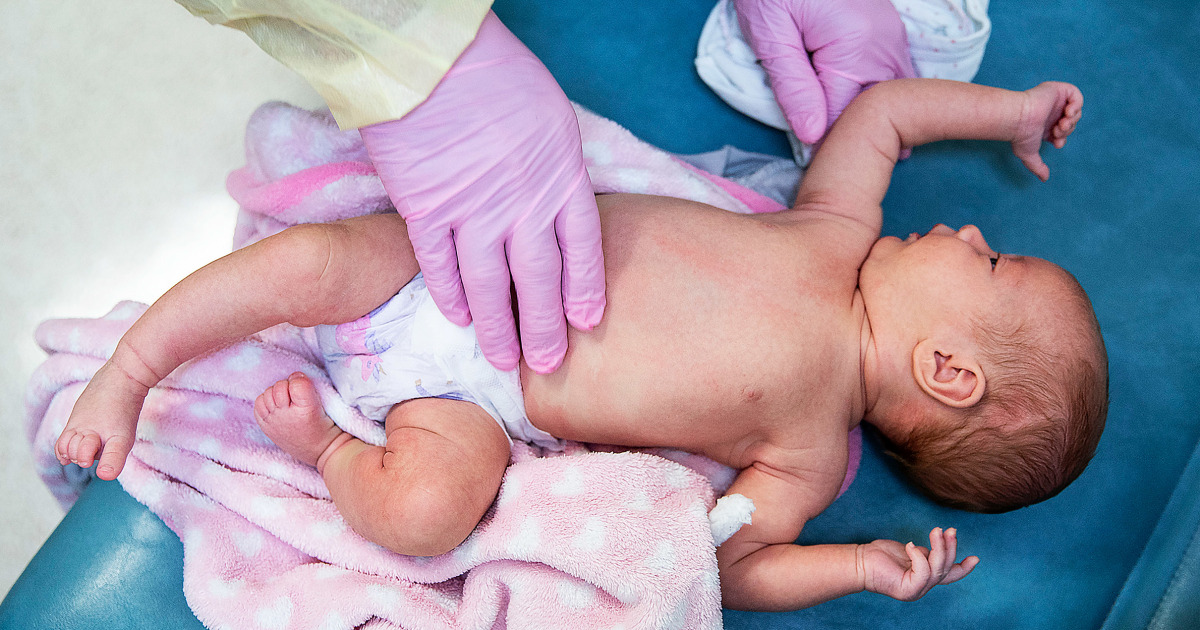
RSV Cases Rise as Vital Baby Drug Faces Shortage, CDC Warns
The Centers for Disease Control and Prevention (CDC) has issued an alert to doctors about a limited availability of a newly approved antibody drug, Beyfortus, used to prevent respiratory syncytial virus (RSV) infection in infants. RSV cases are increasing as cold and flu season begins, making it the most commonly identified respiratory virus causing disease in children. The highest dosage of Beyfortus, 100 milligrams, is in short supply, prompting the CDC to advise doctors to prioritize infants at the highest risk. Drugmaker Sanofi stated that demand for the drug has been higher than anticipated. Another option to prevent RSV infections in infants is the antibody drug Synagis, approved for high-risk infants during RSV season. The FDA also approved the RSV vaccine Abrysvo for use in pregnant women to protect their babies in their first six months of life.