The US has increased military presence and joint drills in the northern Philippines, particularly around Batanes, to block China's access to the Pacific via the Bashi Channel, aiming to prevent a Chinese invasion of Taiwan and control key maritime chokepoints in the Asia-Pacific region.
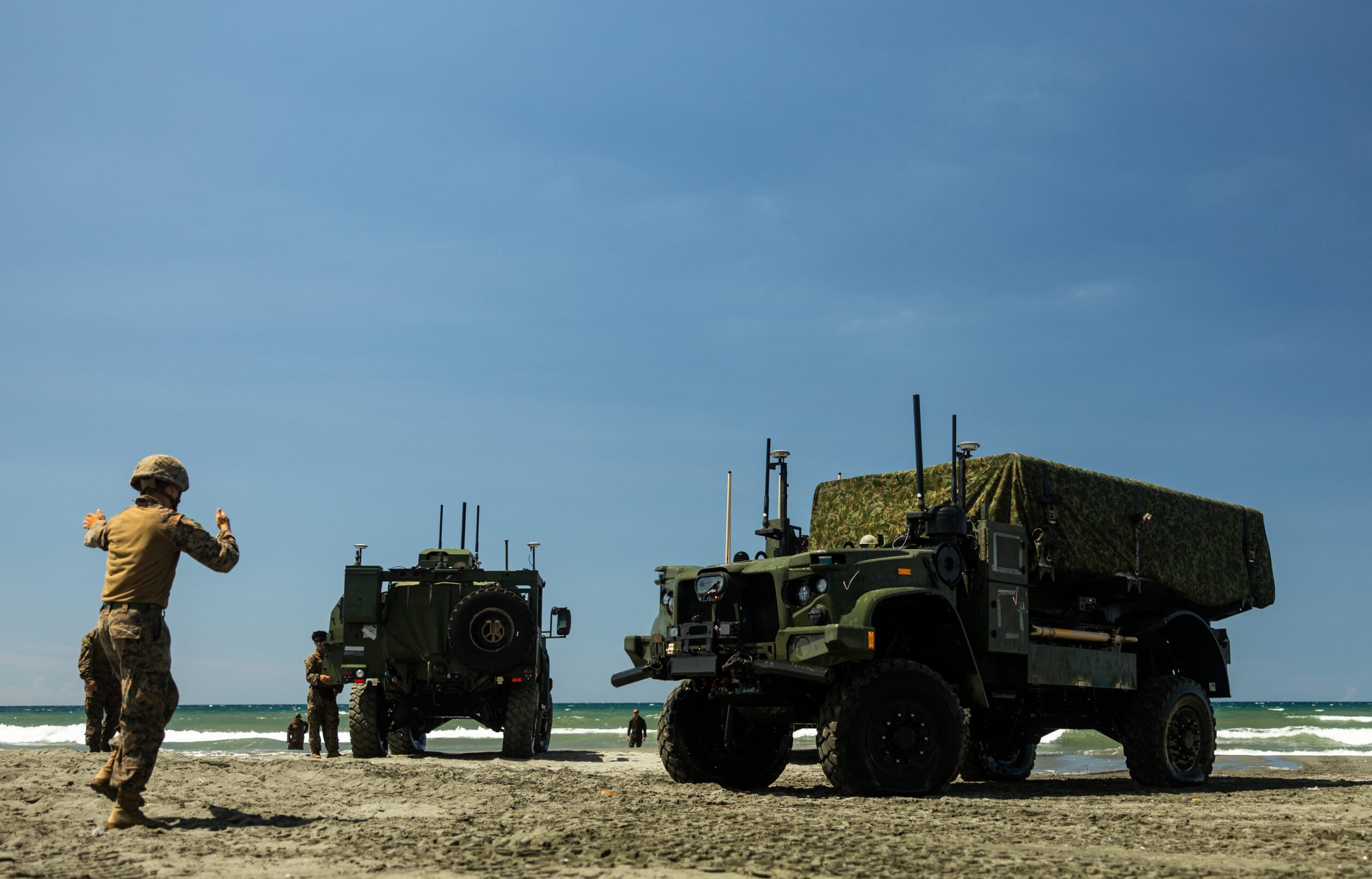
U.S. Marine Corps and Army missile systems, including NMESIS and HIMARS, are deploying to Philippine islands for Exercise KAMANDAG 9 to practice anti-ship operations and enhance regional security amid tensions with China and concerns over Taiwan.
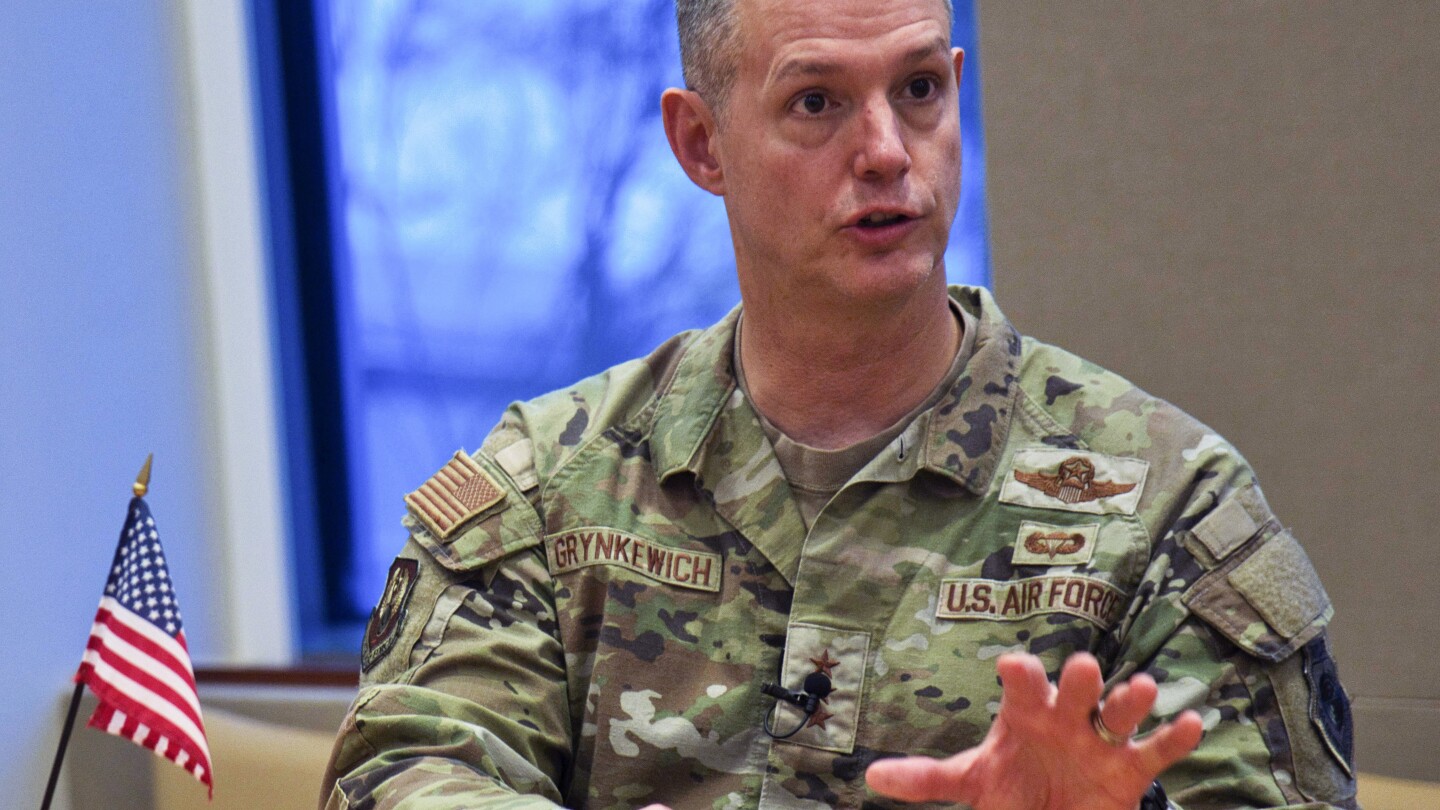
The top U.S. Air Force commander for the Middle East stated that Houthi rebels in Yemen may be depleting their supplies of drone swarms and anti-ship ballistic missiles, leading to a slowdown in their attacks on ships. The U.S. has been conducting retaliatory strikes on the Iran-backed militia group, affecting their behavior and pace of operations. The challenge lies in assessing the extent of the depletion of Houthi weapons and the impact of potential Iranian resupply. The Houthis' attacks have disrupted shipping routes, prompting increased military presence in the region. Despite pressure from Iran, the Houthis are seen as more independent and less responsive to Iranian direction compared to other Tehran-backed militias.
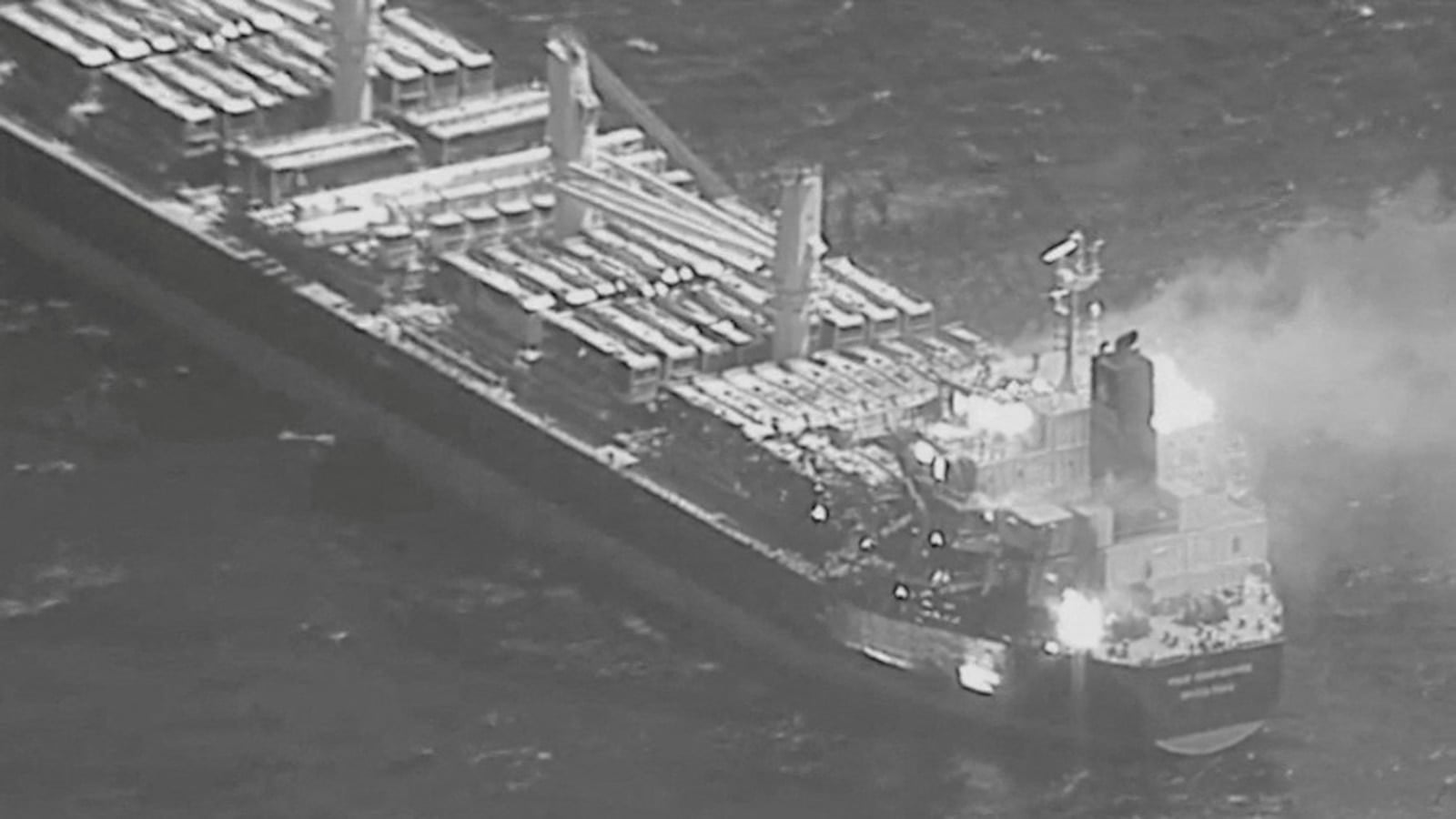
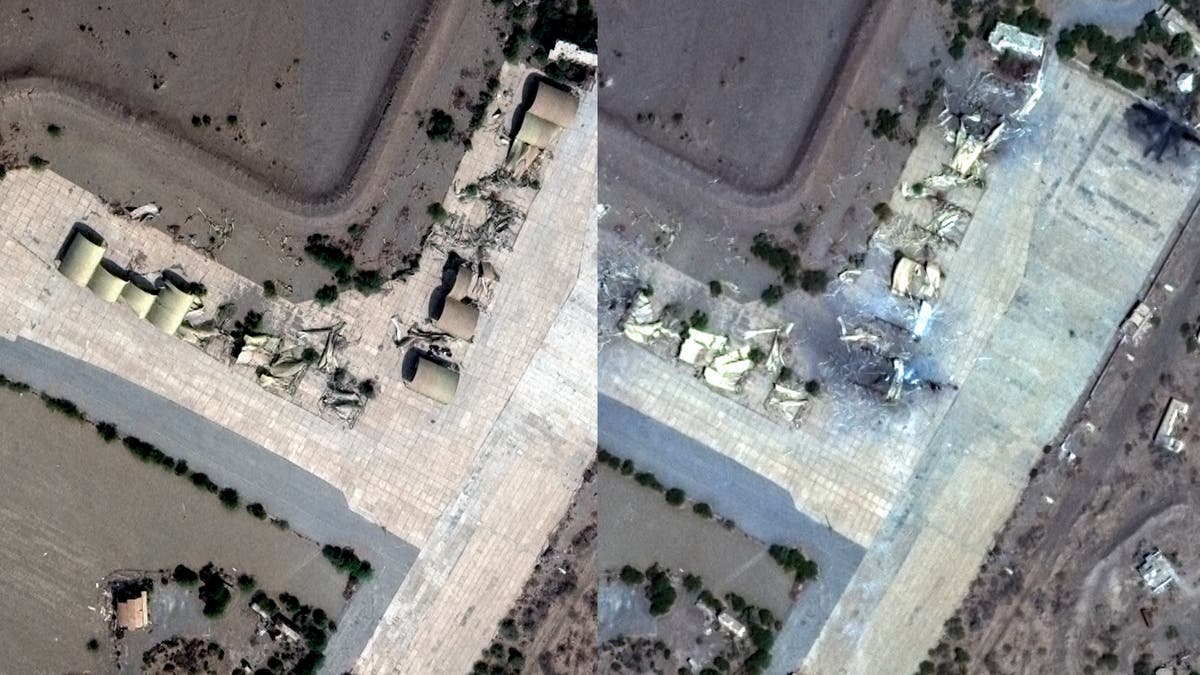
The US has conducted defensive airstrikes in Yemen after Houthi rebels fired anti-ship ballistic missiles into the Red Sea, targeting merchant vessels. The US Central Command has reported destroying unmanned underwater vessels and 18 anti-ship missiles in response to the Houthi attacks, aiming to protect freedom of navigation and ensure the safety of US Navy and merchant vessels in the region. The US has shot down and destroyed over 100 Houthi missiles since January, but the rebel attacks show no signs of abating.
The US military conducted additional airstrikes against Houthi rebels in Yemen, targeting anti-ship ballistic missiles in response to attacks on cargo ships in the Red Sea. The strikes, which began on Friday and continued on Tuesday, are part of efforts by the US and UK to halt Houthi attacks. Additionally, two US Navy SEALs were reported missing at sea following a mission targeting Iranian weapons deliveries to the rebels, with an ongoing search for the missing personnel.
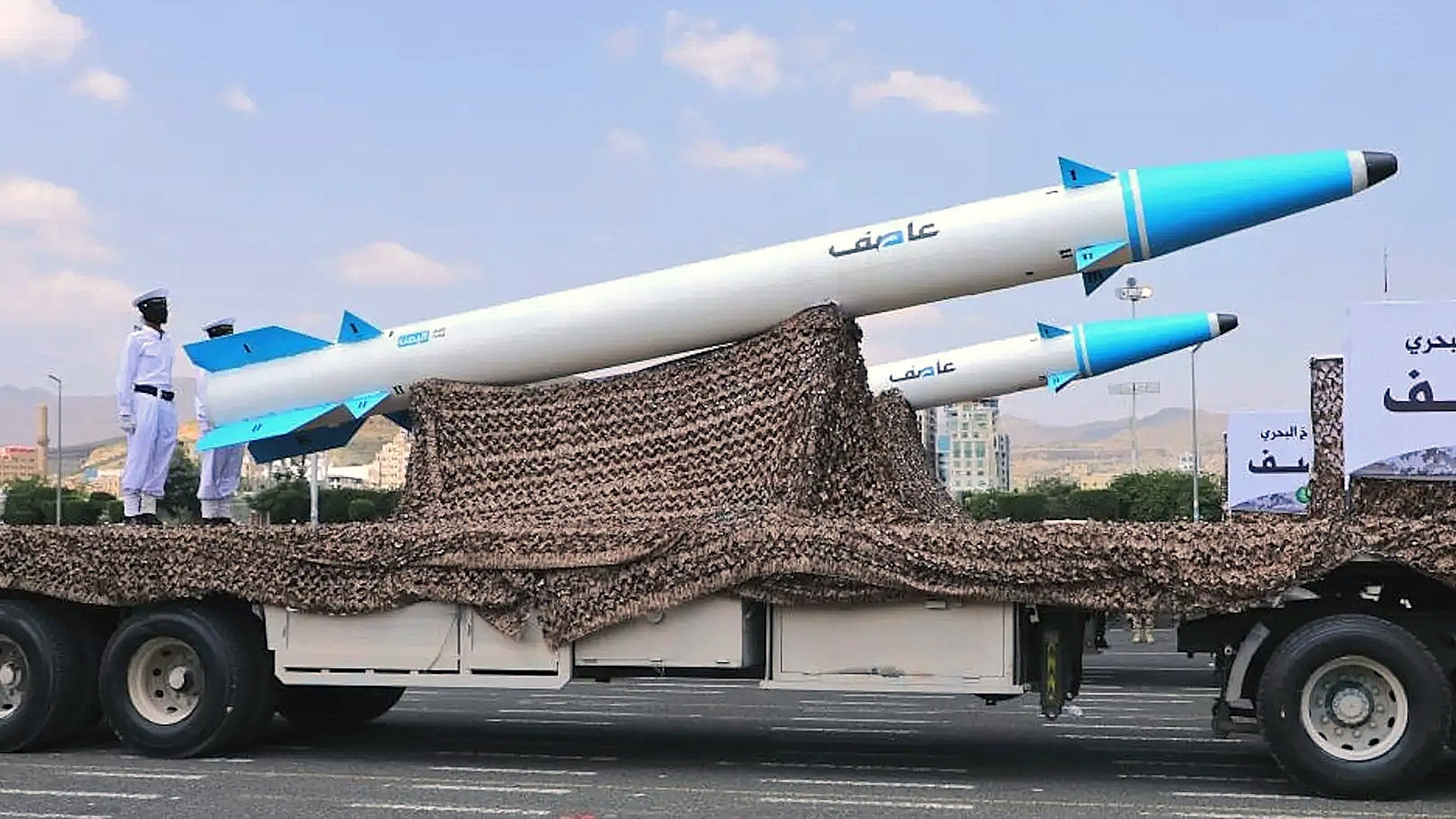
The International Institute for Strategic Studies (IISS) has detailed the Houthi anti-ship missile arsenal, including six anti-ship ballistic missiles and six anti-ship cruise missiles acquired since 2014. The arsenal includes Iranian-backed designs and domestically developed systems, posing a significant threat to maritime traffic in the Red Sea. The Houthis have used a variety of missiles and drones in attacks, but most have been intercepted or missed their targets. The ongoing strikes provide valuable real-world data for both Iran and the United States to develop countermeasures and tactics, with potential broader implications for anti-ship missile defense.
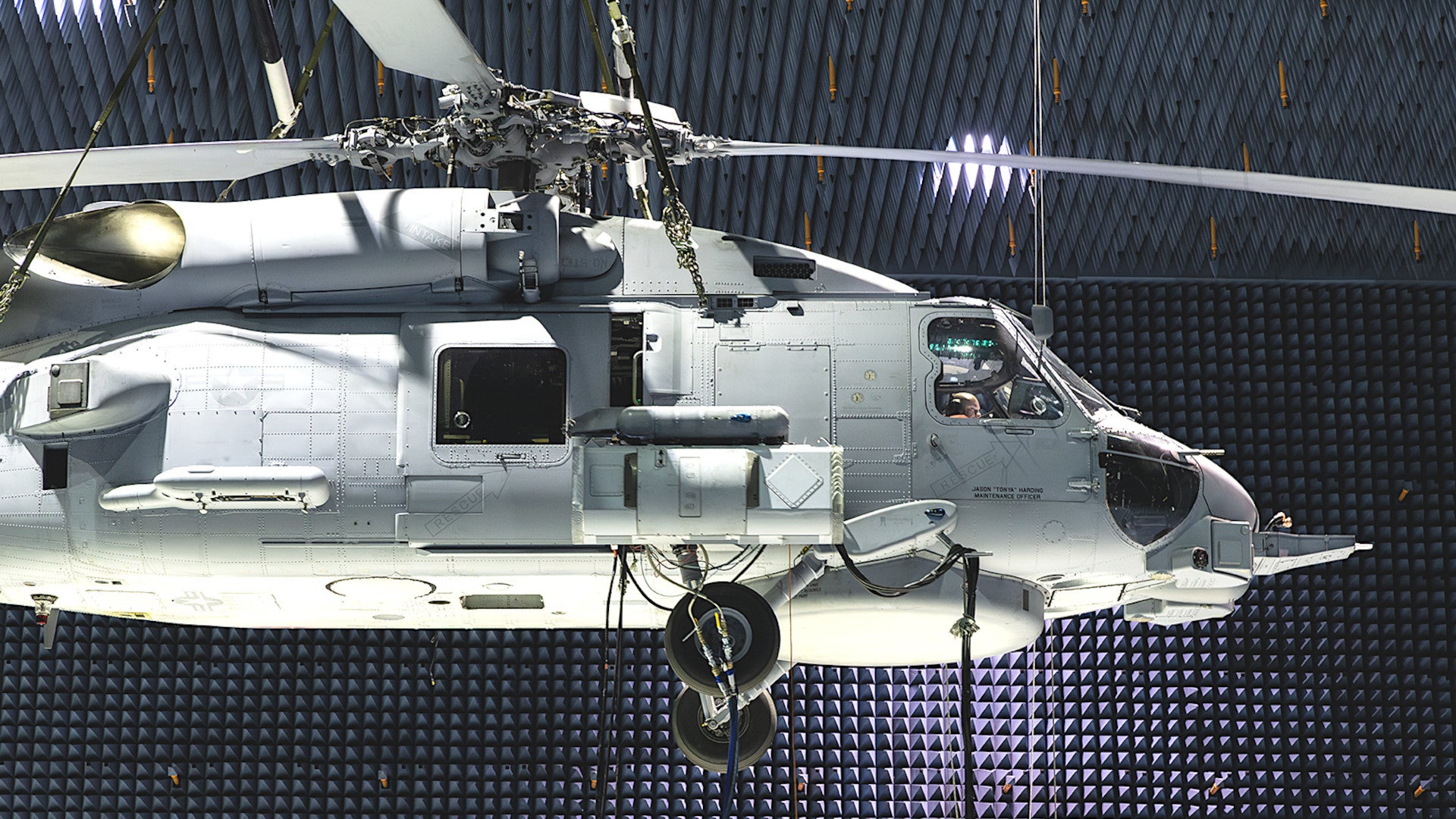
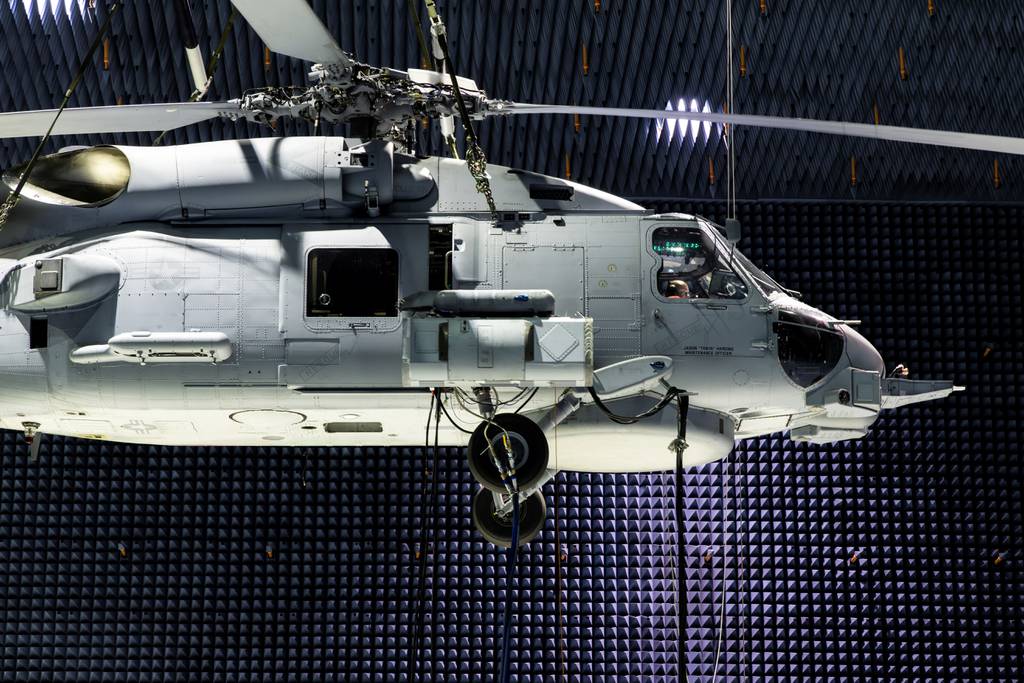
The U.S. Navy has successfully tested the Advanced Off-Board Electronic Warfare system (AOEW), a pod that can be carried by MH-60R and MH-60S Seahawk helicopters, demonstrating its ability to engage and defeat anti-ship missiles. Developed by Lockheed Martin, the AOEW pod provides distributed electronic warfare capabilities to protect Navy ships. The system is designed to detect and counter anti-ship missile threats by electronically presenting false targets and disrupting enemy sensors. The Navy plans to field the AN/ALQ-248 pod on MH-60S helicopters as well. The successful test marks a significant milestone in the Navy's broader electronic warfare ambitions.
Lockheed Martin has successfully tested the Advanced Off-Board Electronic Warfare (AOEW) pod, an electronic warfare system designed to detect and deceive anti-ship missiles. The trials, conducted in collaboration with the US Navy, demonstrated the pod's ability to defeat threats while mounted on a Sikorsky MH-60R helicopter. The AOEW system is programmable and can develop new techniques as the threat landscape changes. Lockheed plans to conduct further testing with helicopters in 2024 and expects to deliver the first AOEW units in the coming year.
Hezbollah's acquisition of powerful Russian anti-ship missiles, including the Yakhont missile with a range of 300 km, poses a significant threat to U.S. warships in the region, according to sources familiar with the group's arsenal. Hezbollah leader Sayyed Hassan Nasrallah's recent warning to the United States about having something in store for its fleets was likely referring to these enhanced capabilities. U.S. officials acknowledge the seriousness of Hezbollah's anti-ship missile capabilities and have deployed naval defenses in response. The situation highlights the risks of a regional war and the potential escalation of the conflict in the Middle East.
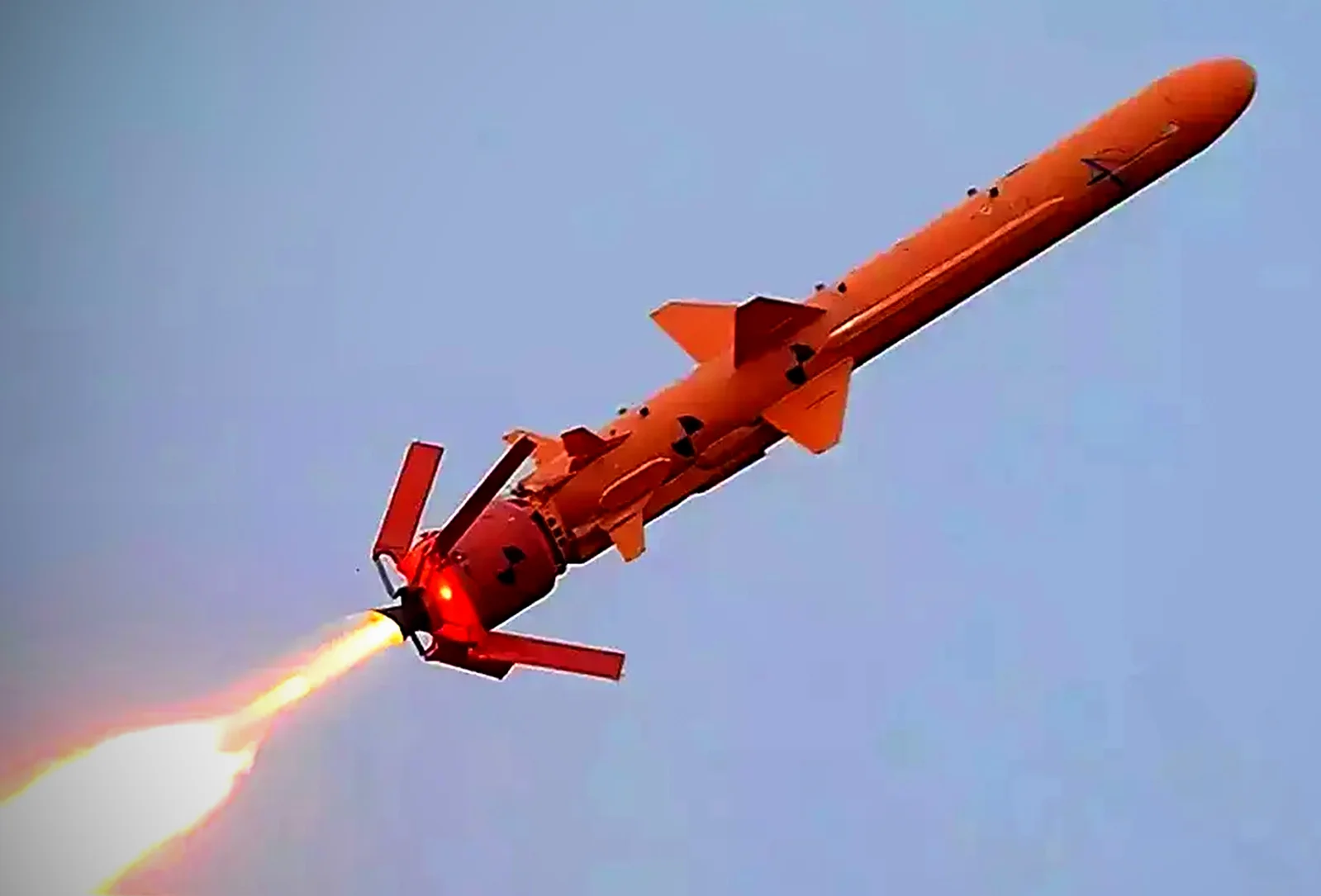
Satellite images suggest that Russia may be camouflaging its strategic bombers, possibly to confuse targeting and navigation systems on cruise missiles amid increased attacks by Ukraine on Moscow's airbases. Ukraine's military has been driving technological innovation, including the development of the Neptune anti-ship cruise missiles, which were used to sink Russia's Black Sea flagship in April. Reports indicate that Ukraine may be adapting the missile for land-attack purposes. Recent strikes by Ukraine using modified Neptunes have targeted Russian air defense systems and destroyed military transport aircraft.
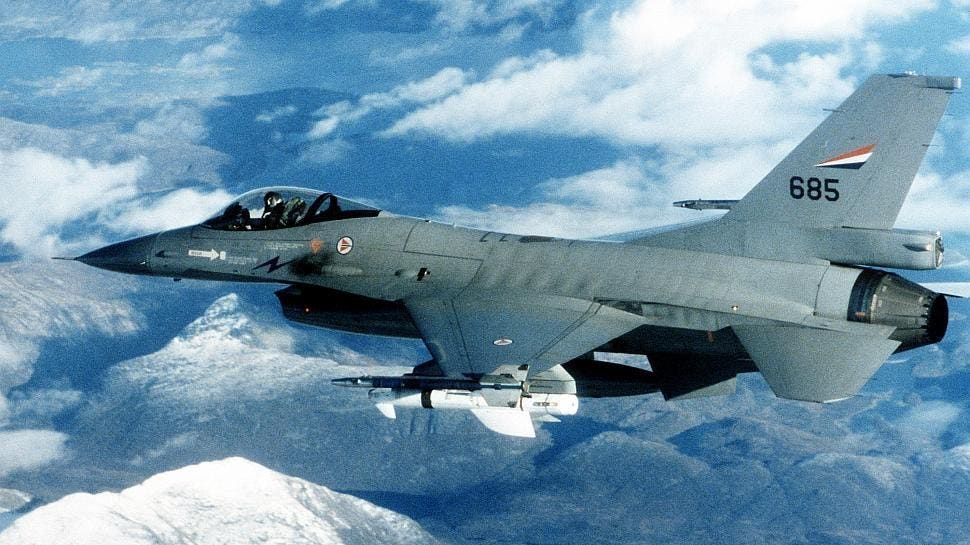
Norway has announced that it will donate surplus Lockheed Martin F-16 fighters to Ukraine, and these F-16s have the unique capability of carrying anti-ship missiles. The Norwegian F-16s are compatible with the Penguin anti-ship missile, which is a sea-skimmer with a range of around 30 miles. This donation could provide Ukraine with an aerial sea-denial capability, enhancing its ability to counter Russian naval forces in the Black Sea. It is speculated that Ukraine may already have a consignment of Penguins, and if not, they could request them from Norway.
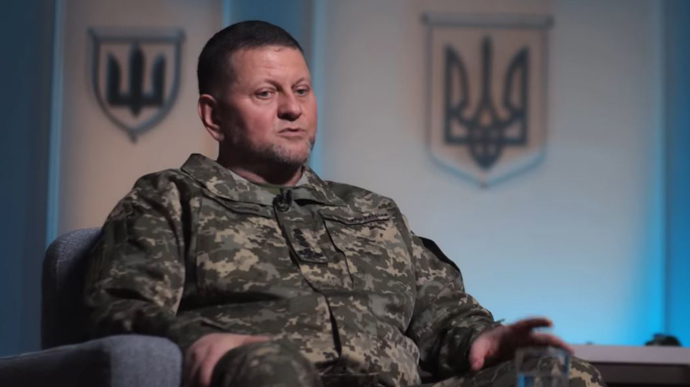
Ukraine's Commander-in-Chief, Valerii Zaluzhnyi, stated that the sinking of the Moskva missile cruiser was a strategic victory for Ukraine, as it was a carrier of cruise missiles. He believes that Ukraine will reach the Russian frigate Admiral Essen, the Russian corvette Samum, and other remnants of the Russian fleet. Zaluzhnyi also mentioned the liberation of Zmiinyi Island, which had no strategic importance as a defence hub. The Russians made a "huge mistake" when they dragged people, guns, and missiles to Zmiinyi, and Ukrainian anti-ship missiles hit the cruiser.
Russian warships are being moved from their traditional Crimean home base Sevastopol to safer waters in Russia due to fears of Ukrainian strikes and precision-guided weapons hitting the fleet. The naval high command is re-basing Black Sea Fleet vessels assigned to Sevastopol to the port Novorossisk on the eastern Black Sea coast. The Kremlin is deeply concerned that Ukrainian troops advancing in the upcoming Spring offensive will make Sevastopol port in Crimea too dangerous for the Russian navy to use. Ukraine's military is known to operate domestically developed Neptune anti-ship missiles and US-developed Harpoon anti-ship missiles.
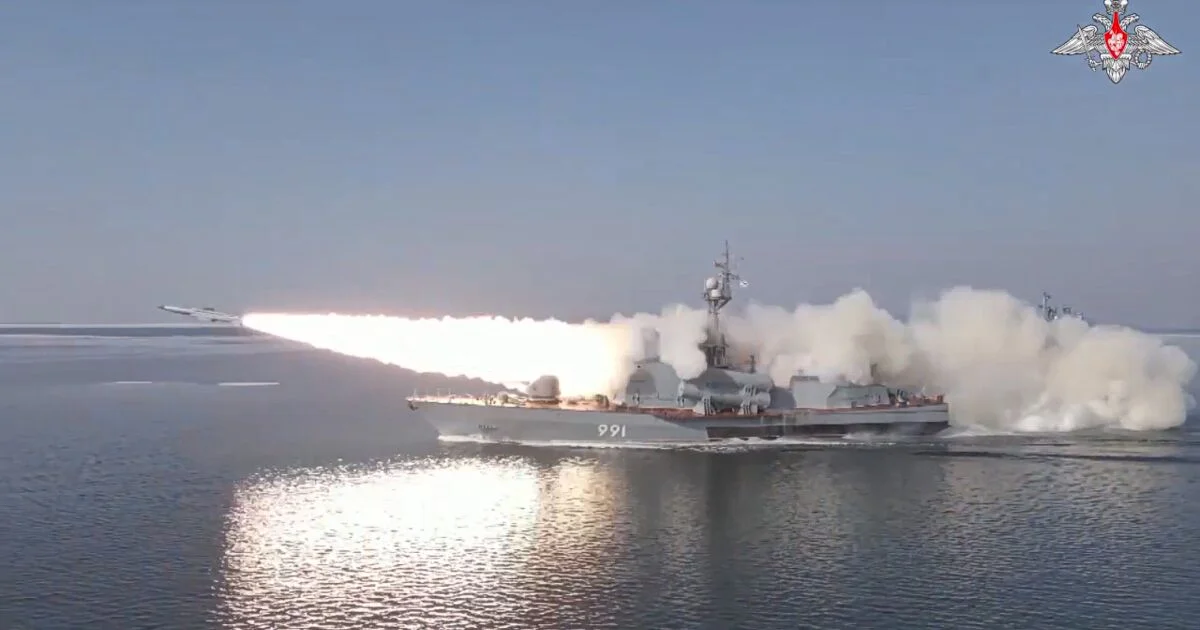
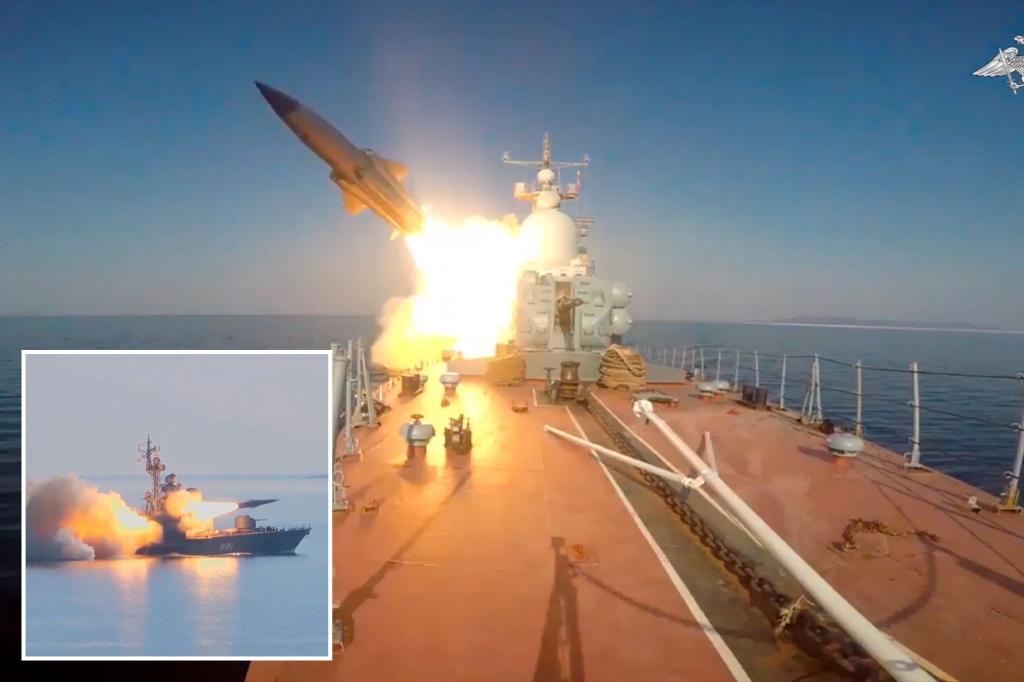
Russia test-fired anti-ship missiles in the Sea of Japan, hitting a mock enemy warship about 60 miles away. The exercise, which included other warships and naval aircraft, took place in the Peter the Great Gulf. Japan reacted calmly to the missile exercise, which was conducted near Vladivostok, rather than directly in the waters between the two countries. The Russian military has conducted regular drills across the country, and Russian warships have continued maneuvers as the fighting in Ukraine has entered a second year.
Russia's Defense Ministry announced that it test-fired anti-ship missiles in the Sea of Japan, with two boats launching a simulated missile attack on a mock enemy warship about 60 miles away. The Moskit cruise missiles successfully hit the target, and the exercise included other warships and naval aircraft. Japan reacted calmly to the missile exercise, and Tokyo does not plan to lodge a protest to Russia over the missile exercise.