
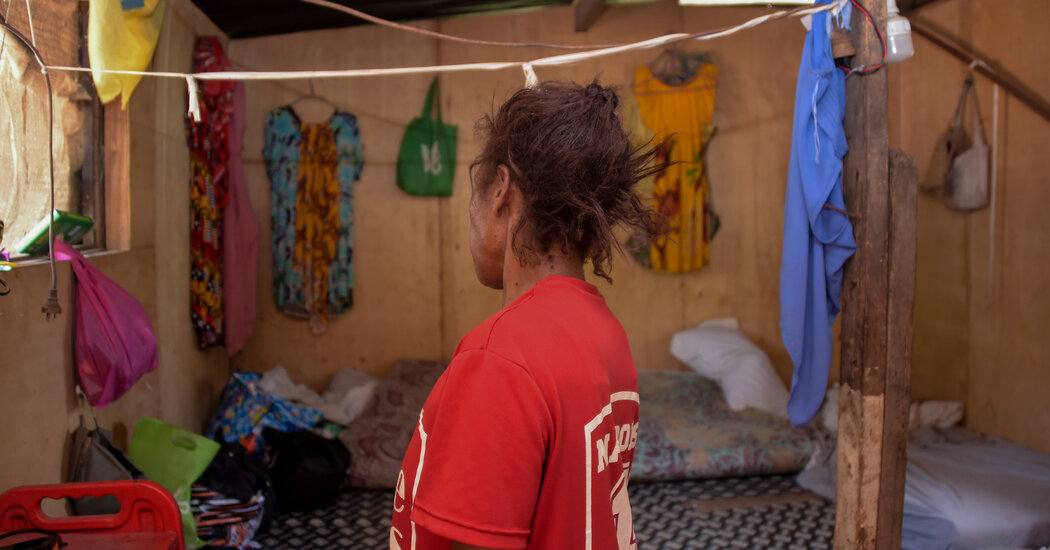
Papua New Guinea is grappling with the issue of sorcery-related violence, where accusations of witchcraft often lead to brutal attacks and killings. Despite efforts to address the problem through legal reforms and public awareness campaigns, deeply ingrained cultural beliefs continue to fuel these violent acts. The government and various organizations are working to change perceptions and provide protection for those accused of sorcery.

About 50 people in Angola have died after being forced to drink a mysterious herbal potion to prove they were not sorcerers, with traditional healers accused of administering the deadly concoction. Belief in witchcraft is still prevalent in some rural Angolan communities, and cases of forcing individuals to drink toxic herbal drinks to prove innocence are on the rise. The country does not have laws against witchcraft, leaving communities to handle the issue as they see fit. The practice of witchcraft is often attributed to socio-economic challenges, and religious leaders have urged people to shun harmful practices like witchcraft and sorcery.