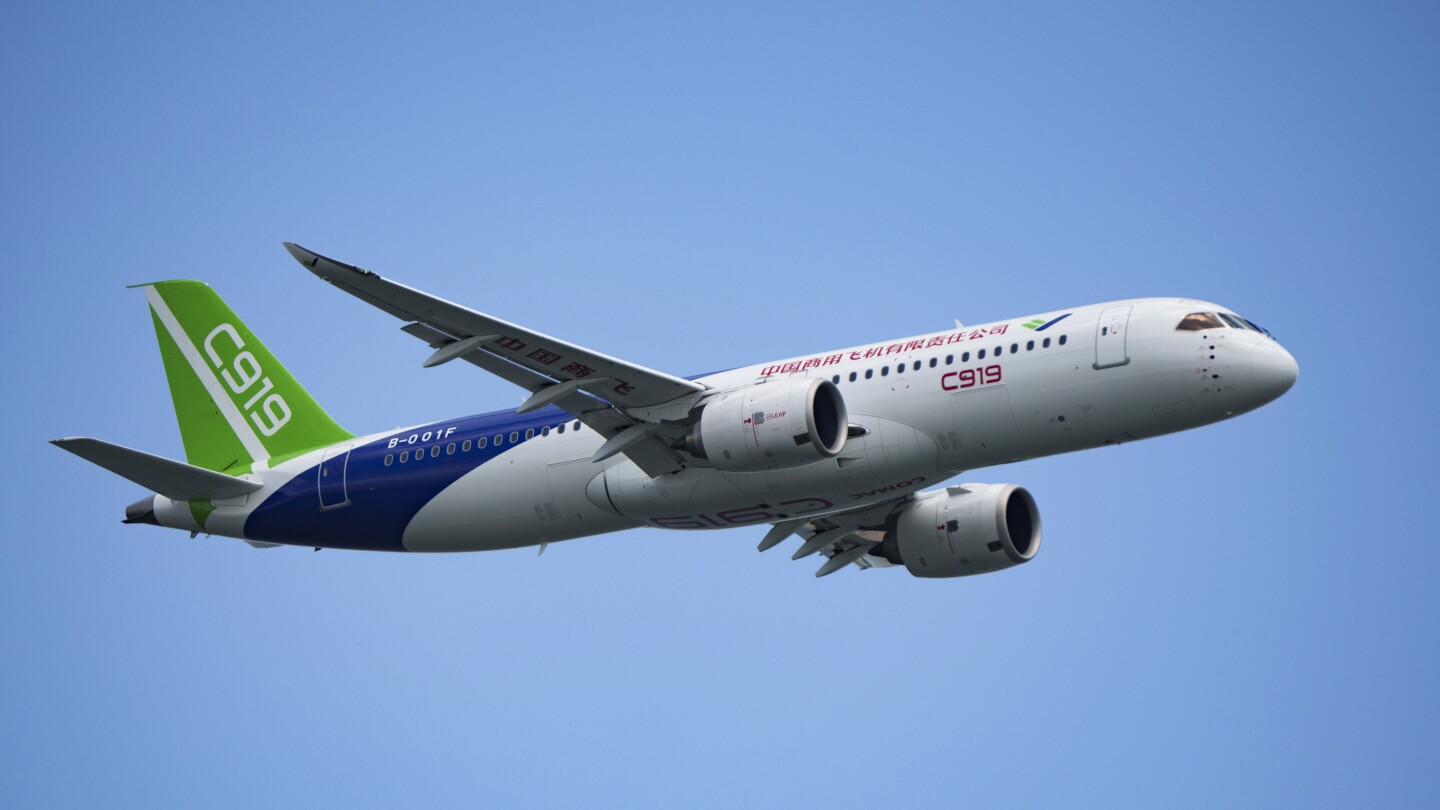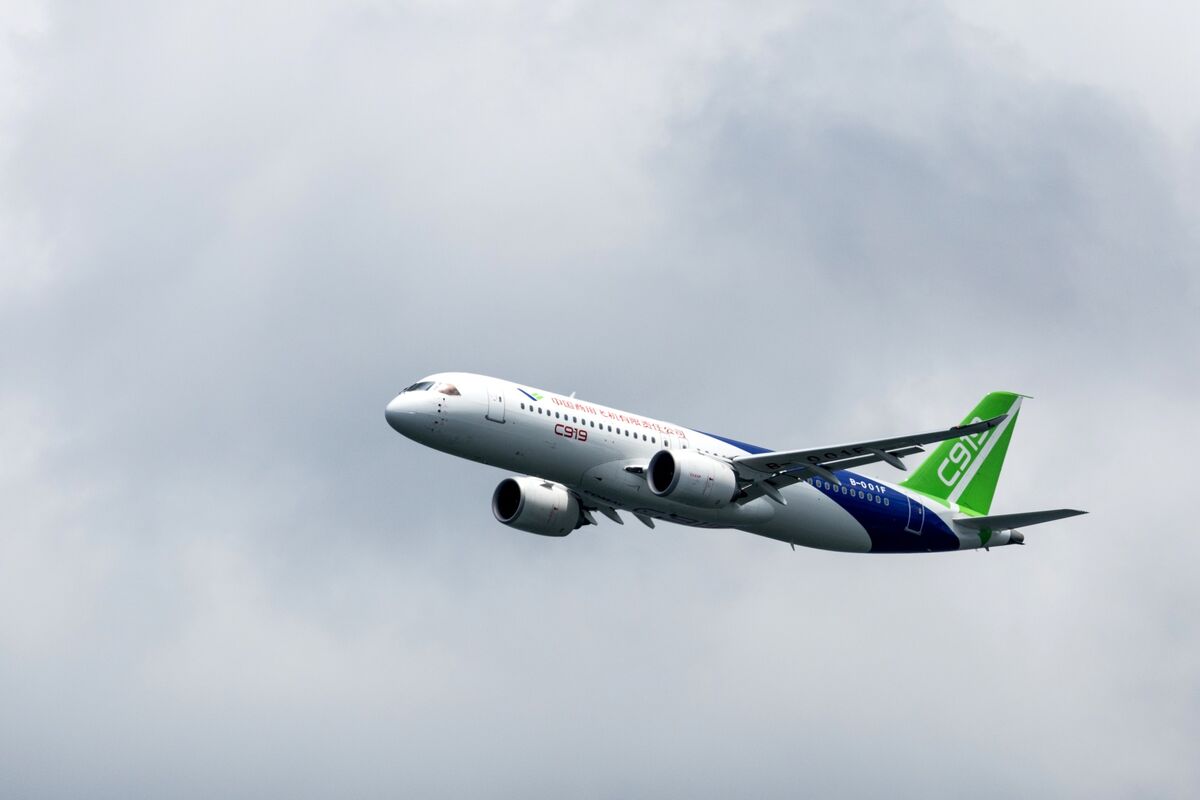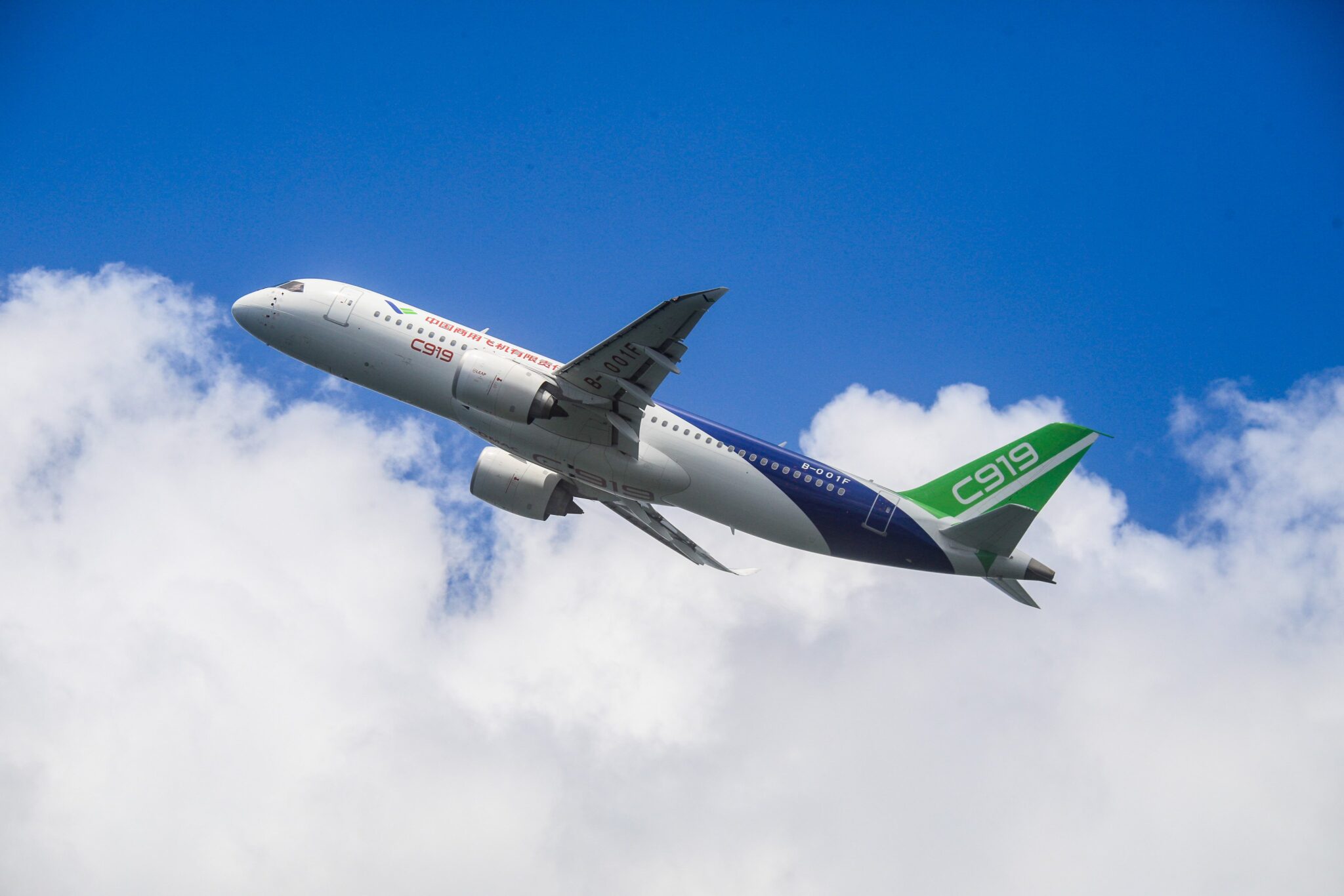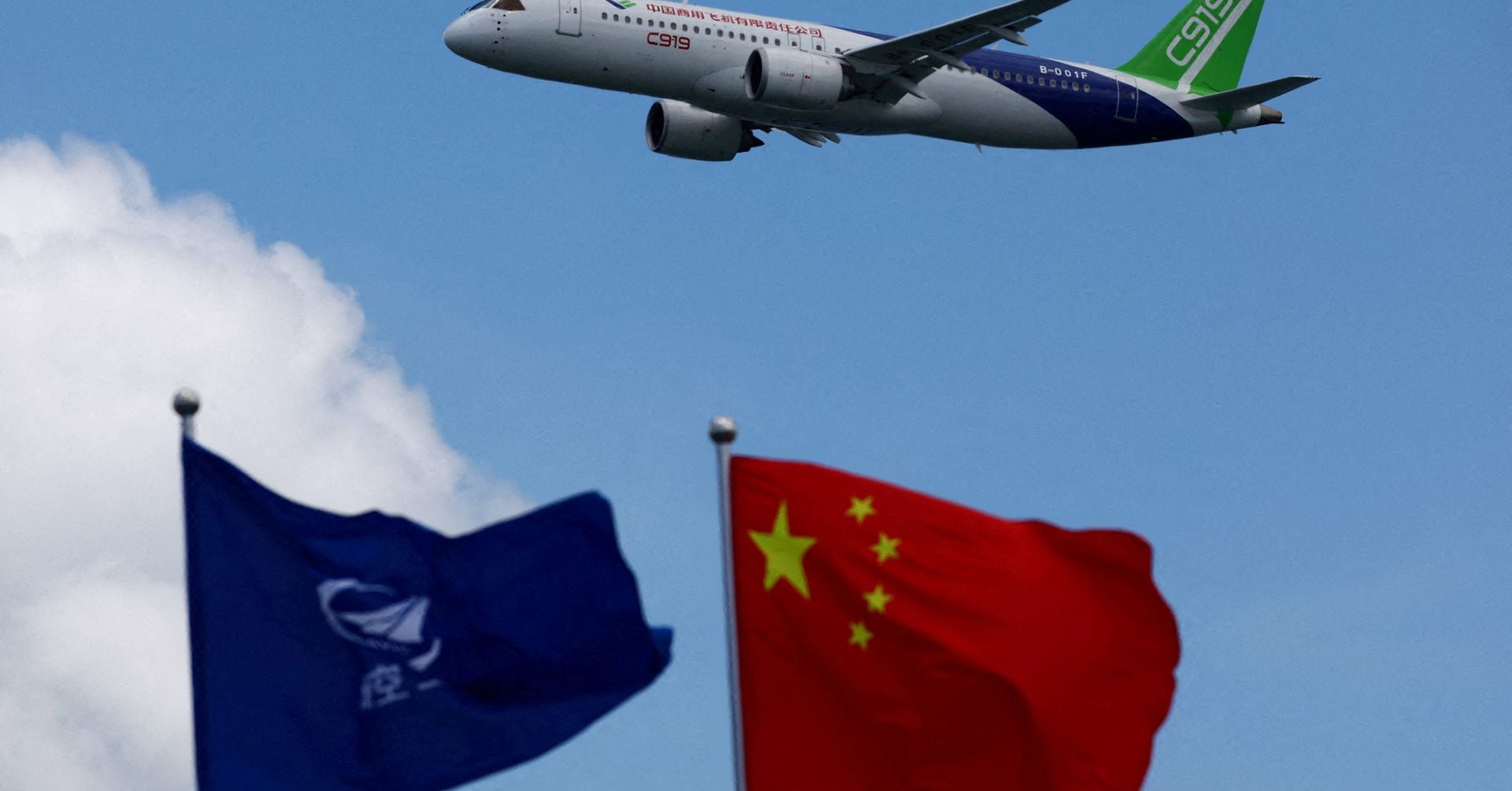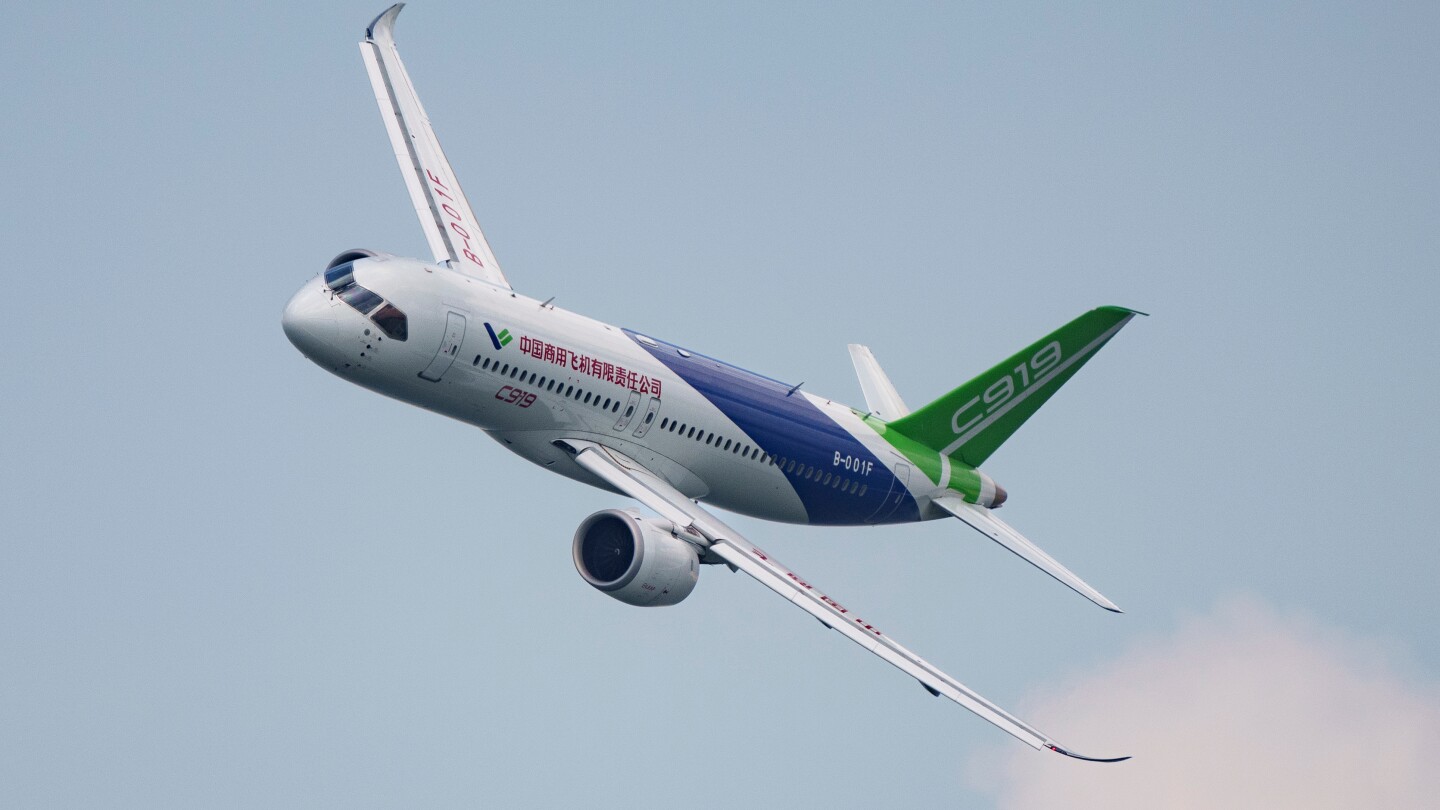
China's C919 jet program faces delays and supply chain disruptions due to trade tensions and export restrictions, hindering its goal to challenge Boeing and Airbus in the global market. The reliance on Western components and certification hurdles are significant obstacles to its international expansion, despite China's ambitions for the aircraft.
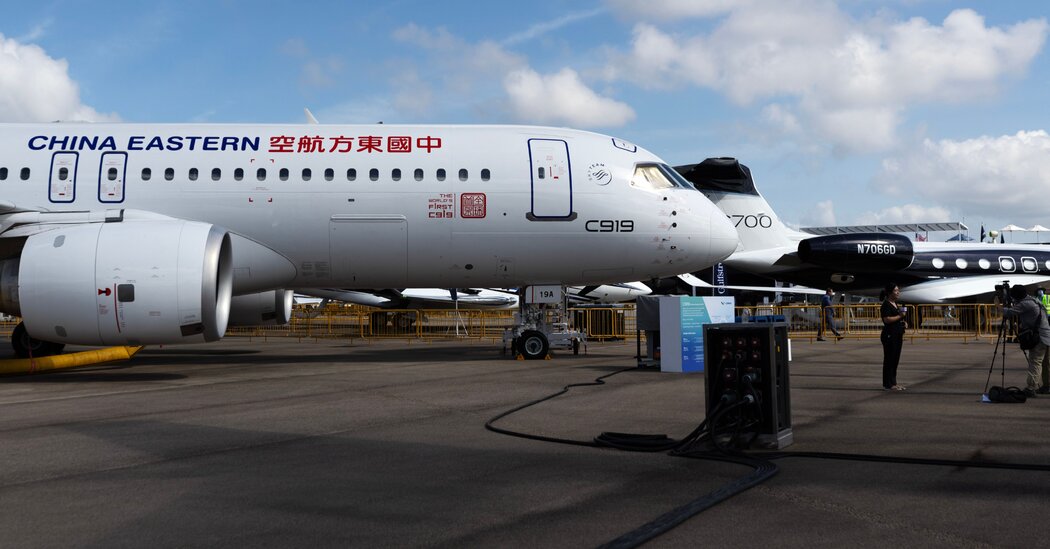
President Trump has imposed restrictions on the export of American aerospace technology to China, targeting the Chinese C919 jet, which is a symbol of China's ambitions in civil aviation. The C919, heavily reliant on Western technology, faces challenges due to delays and geopolitical tensions, reflecting broader concerns over technology transfer and national security.
China's C919 single-aisle jet, showcased at the Singapore Airshow, has attracted significant attention and orders, but analysts believe it still faces challenges in competing with Boeing and Airbus due to the lack of international certification and a reliable distribution system. With over 1,000 orders primarily from Chinese airlines, COMAC aims to establish itself as a serious contender in the aviation industry, but must overcome hurdles such as international certification, supply chain challenges, and building a global customer base.
Comac and its C919 jet stole the spotlight at the 2024 Singapore Airshow, attracting large crowds to their chalet and exhibition hall displays. The Chinese planemaker's presence drew the attention of onlookers and dignitaries, with executives from various companies and countries eager to get a glimpse inside the C919 and enjoy Chinese delicacies in the hospitality tent.
China's state-owned plane maker, COMAC, is aiming to challenge the dominance of Airbus and Boeing with its C919 passenger jet, which made its international debut at the Singapore Airshow. The aircraft is designed to compete with the Airbus A320 and Boeing 737, but faces challenges in gaining international acceptance, improving its flying range, and ramping up production. Despite international partnerships and efforts to present the C919 as a credible alternative, it remains to be seen whether it can truly threaten the market position of Airbus and Boeing in the near future.
Chinese planemaker COMAC showcased its C919 and ARJ21 jets at the Singapore Airshow, attracting significant interest from industry professionals. The C919, a rival to Boeing 737 MAX and Airbus A320neo, is not yet certified by US and European regulators and heavily relies on Western parts. While COMAC secured a 50-plane order from China's Tibet Airlines, industry leaders believe it has a long road ahead to become a serious competitor and will likely operate mainly in China's domestic market in the near term. The company faces challenges in obtaining international certifications and developing domestic substitutes for Western parts.
The Chinese C919 jet made its debut at the Singapore Airshow, with Chinese manufacturers hoping it will help the country catch up to industry leaders like Boeing and Airbus. The aircraft, produced by Commercial Aircraft Corporation of China, currently carries just under 200 passengers and is only certified to fly in China through China Eastern Airlines. The C919 is expected to be closely scrutinized at the airshow, while Boeing has announced it will be skipping the event due to ongoing manufacturing issues.
China's home-grown C919 passenger jet made its international debut at the Singapore Airshow, securing 40 orders from Tibet Airlines and Henan Civil Aviation Development Investment Group. The aircraft, designed to compete with Boeing's 737 and Airbus' A320, is part of China's efforts to increase self-reliance in commercial jet manufacturing. The C919's appearance at the airshow highlights the ongoing progress in the development of China's commercial aircraft, with the majority of orders coming from Chinese airlines.
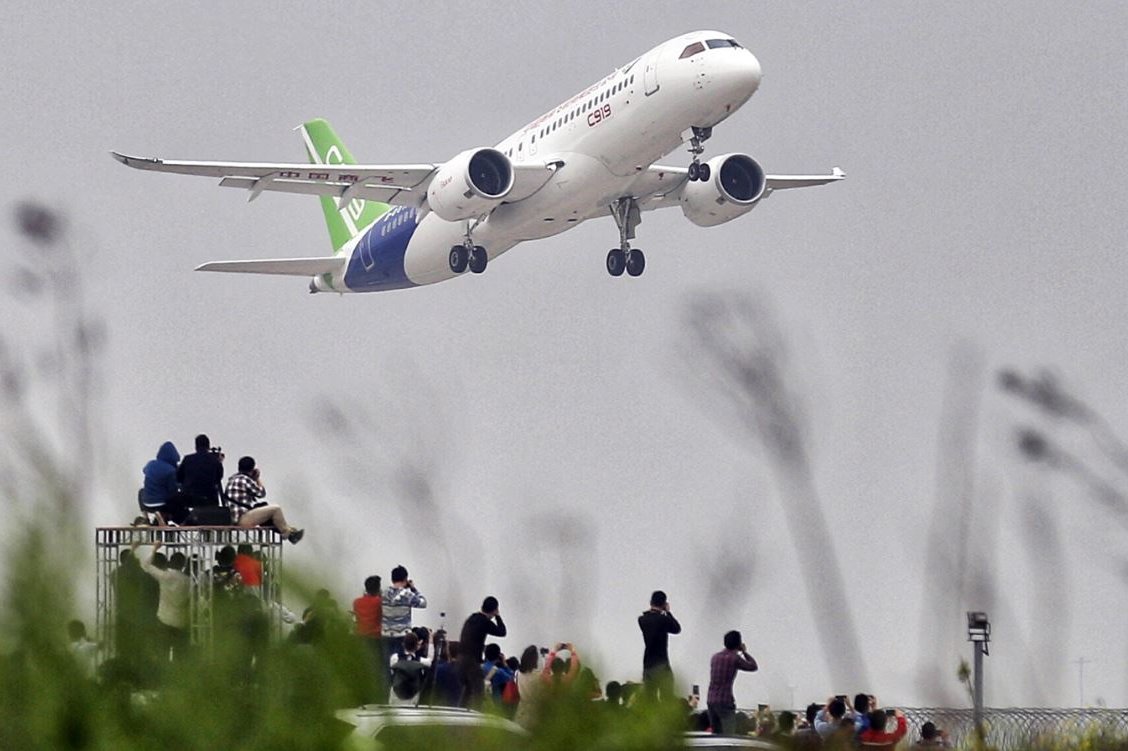
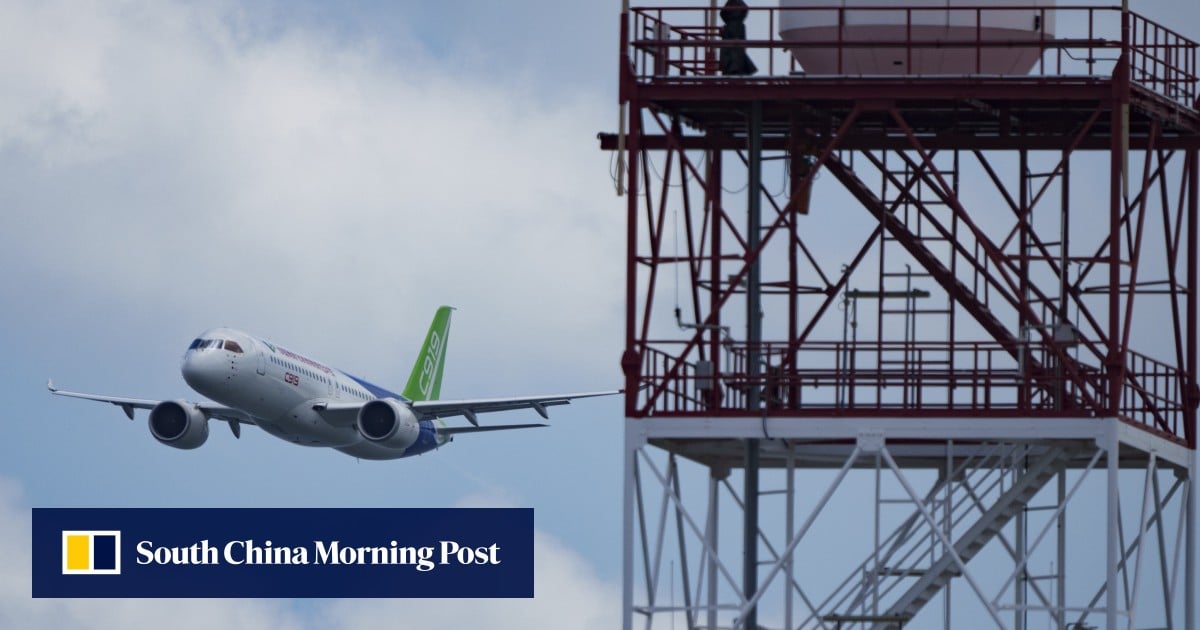
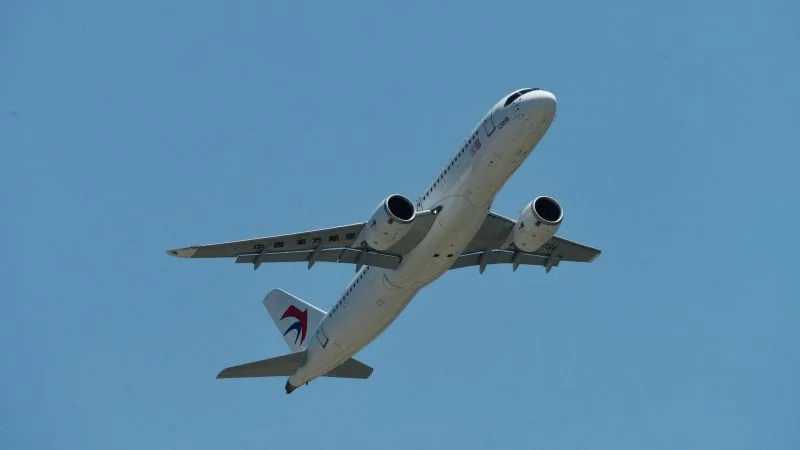
Boeing opts out of showcasing commercial aircraft at the Singapore Airshow, while China's C919 takes the spotlight with a well-received fly-over. The C919, China's challenger to the Airbus and Boeing duopoly, is aiming to break into the international market. Despite recent troubles, the 737 MAX is still in demand, with China clearing Boeing to resume deliveries. Boeing estimates that 20% of the world's jet demand will come from China through 2042. The company will showcase its 777X cabin experience and defense aircraft at the airshow, aligning with the event's focus on aviation sustainability.
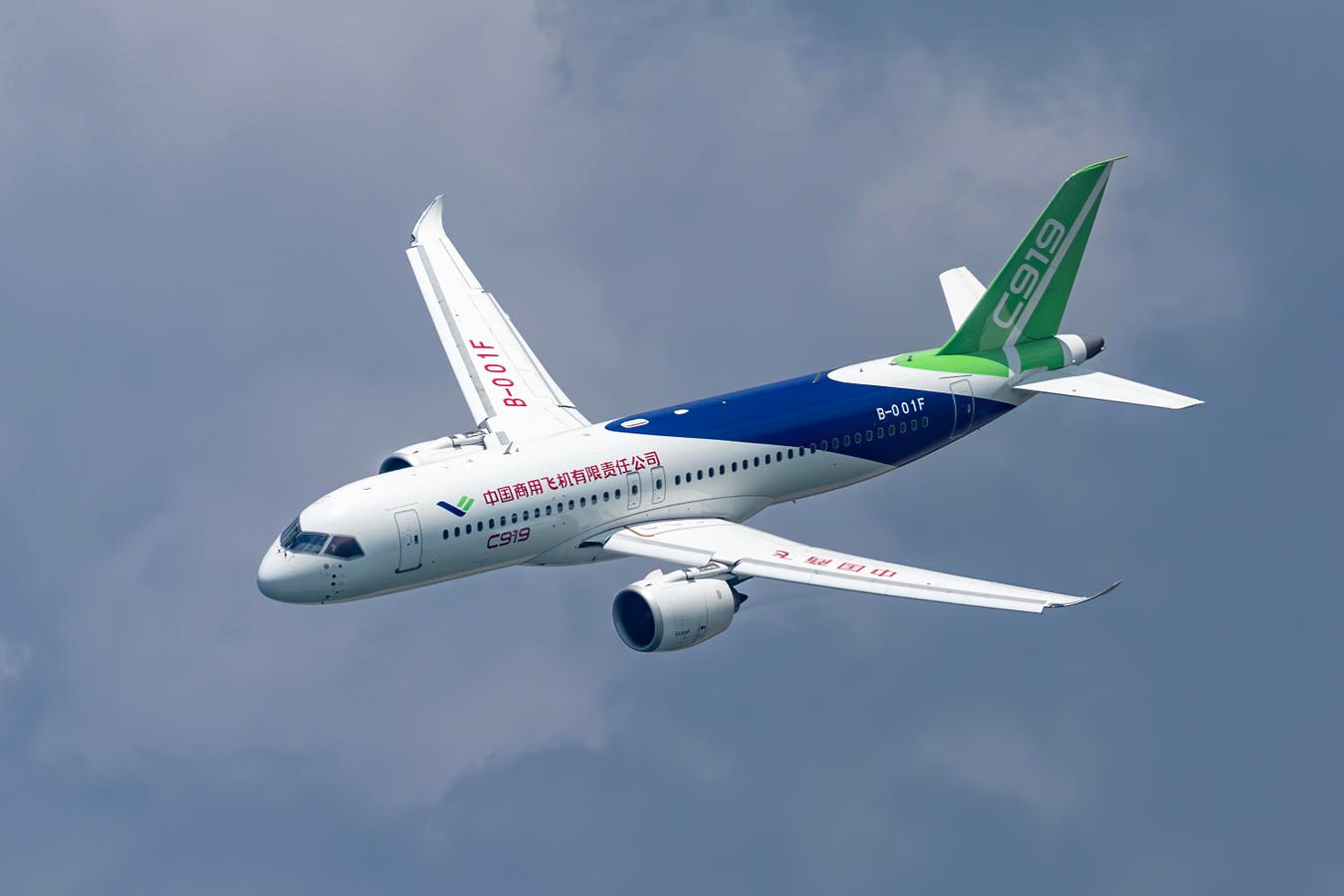
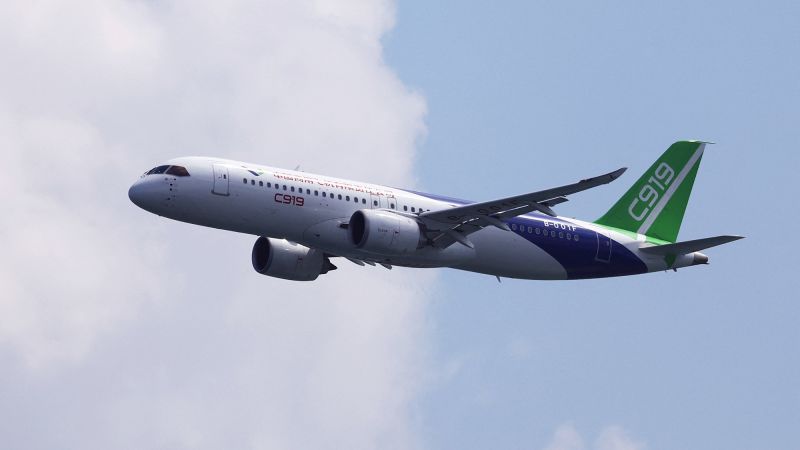
China's C919 airliner, manufactured by the state-owned Commercial Aircraft Corporation of China (Comac), made its international debut with a flyby at the Singapore Airshow, marking a significant step in China's ambition to compete with Western aircraft manufacturers like Boeing and Airbus. The C919, capable of carrying nearly 200 passengers, is part of Beijing's "Made in China" strategy to reduce reliance on foreign manufacturers. However, challenges such as political tensions and lack of certification by American and European aviation regulators may hinder its market expansion.
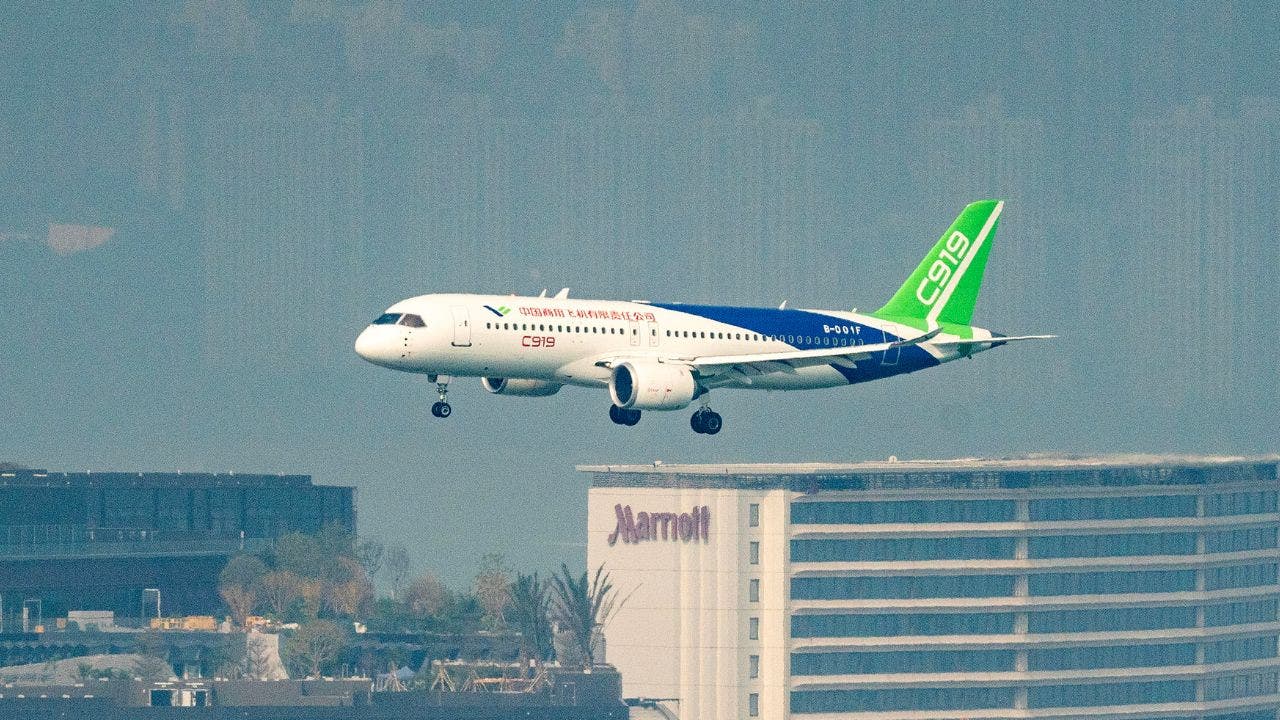
Two Chinese-made passenger jetliners, the C919 and ARJ21, landed in Hong Kong, marking a significant milestone in China's efforts to break into the Western-dominated aircraft market. The C919, seen as a future competitor to Boeing's 737 MAX and Airbus A320, is a large single-aisle aircraft manufactured by the state-owned Commercial Aircraft Corporation of China (Comac). The landing comes after years of development and delays, with Chinese leader Xi Jinping aiming to end China's reliance on foreign technology in strategic industries. China Eastern Airlines has already purchased 100 C919 airplanes, and a new Brunei-based airline plans to buy 30 of them.
Boeing CEO Dave Calhoun downplayed concerns over China's C919 narrowbody jet, stating that it will take a long time for manufacturer Commercial Aviation Corp of China (COMAC) to build the production capacity needed to meet Chinese airlines' demand. Calhoun also stated that Boeing should focus on existing competition and position itself to "win that technology race." He added that China remains "our friend, our customer," but business could proceed with "fits and starts" due to geopolitical tensions.
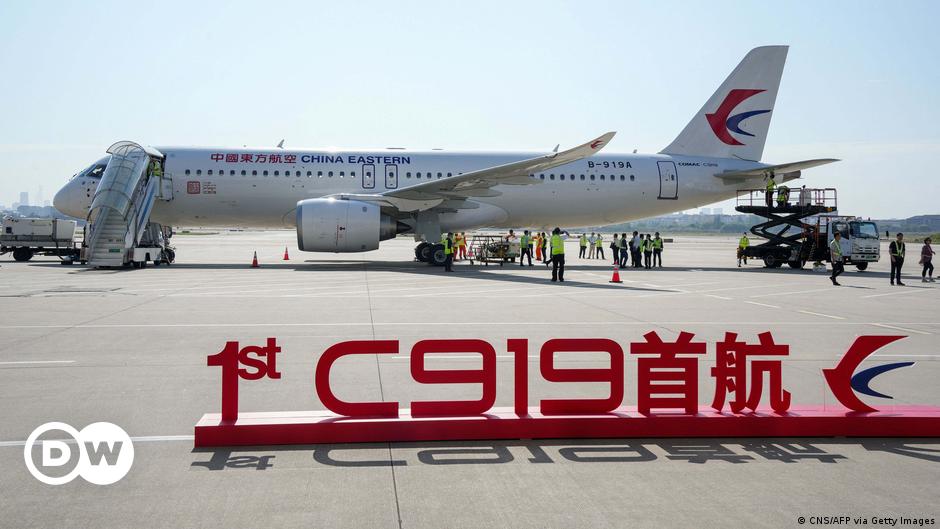
China's first domestically-made large passenger jet, the C919, completed its maiden commercial flight from Shanghai to Beijing with 130 passengers on board. The 164-seat aircraft is made by state-owned aerospace manufacturer Commercial Aviation Corporation of China (Comac) and is seen as a competitor to Airbus and Boeing. The C919's commercial debut was delayed by technical difficulties and supply issues, but Comac has already secured more than 1,200 orders for the jet. The aircraft has two cabins, with eight seats in business class and 156 in economy, and features custom-designed interiors, passenger seats, and in-flight entertainment systems.
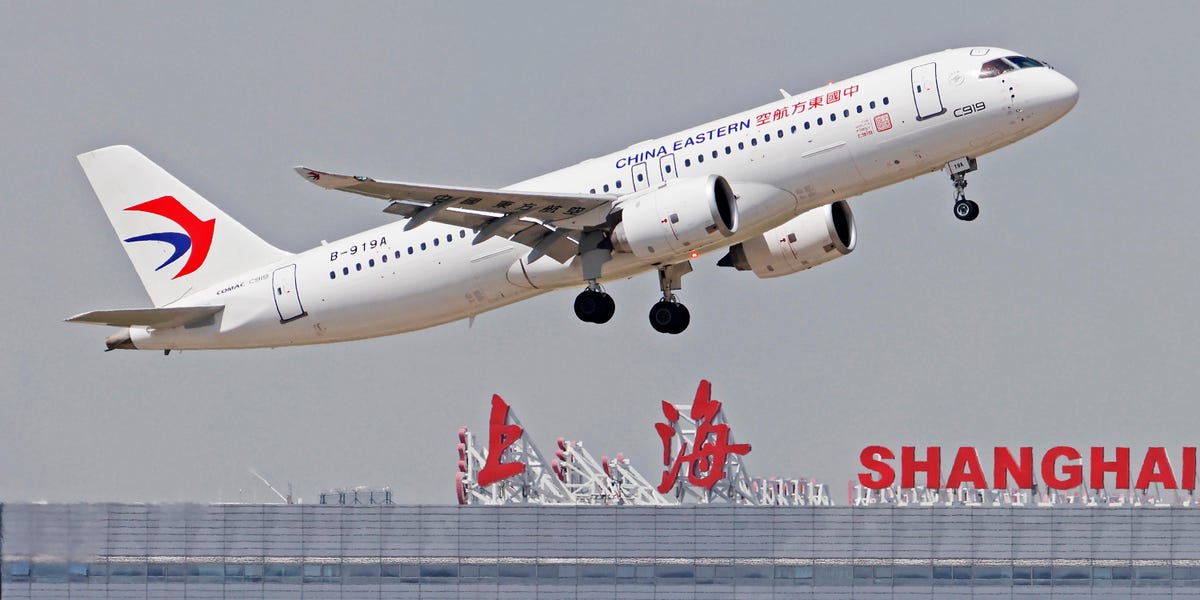
China's first domestically produced passenger jet, the C919, completed its maiden commercial flight from Shanghai to Beijing on Sunday, marking a milestone in the nation's efforts to compete with Western rivals in the aviation sector. The C919, built by the state-owned Commercial Aviation Corp of China, is designed to rival the Airbus A320neo and Boeing 737 MAX single-aisle jet families. Although the jet is assembled in China, it relies heavily on Western components, including engines and avionics. COMAC has received around 1,200 orders for the C919, mostly from domestic airlines.
China's first domestically produced passenger jet, the C919, made its first commercial flight from Shanghai to Beijing. The C919, built by COMAC, has a range of up to 5,555 kilometers and will compete with Airbus and Boeing's narrowbody jets. The launch of the C919 is seen as a pivotal moment in Beijing's "Made in China 2025" strategy to boost local manufacturing. The plane has 164 seats in a two-class cabin configuration and has received over 1,000 orders from 32 clients.