
Revealing the True Age of the 'Man in the Moon'
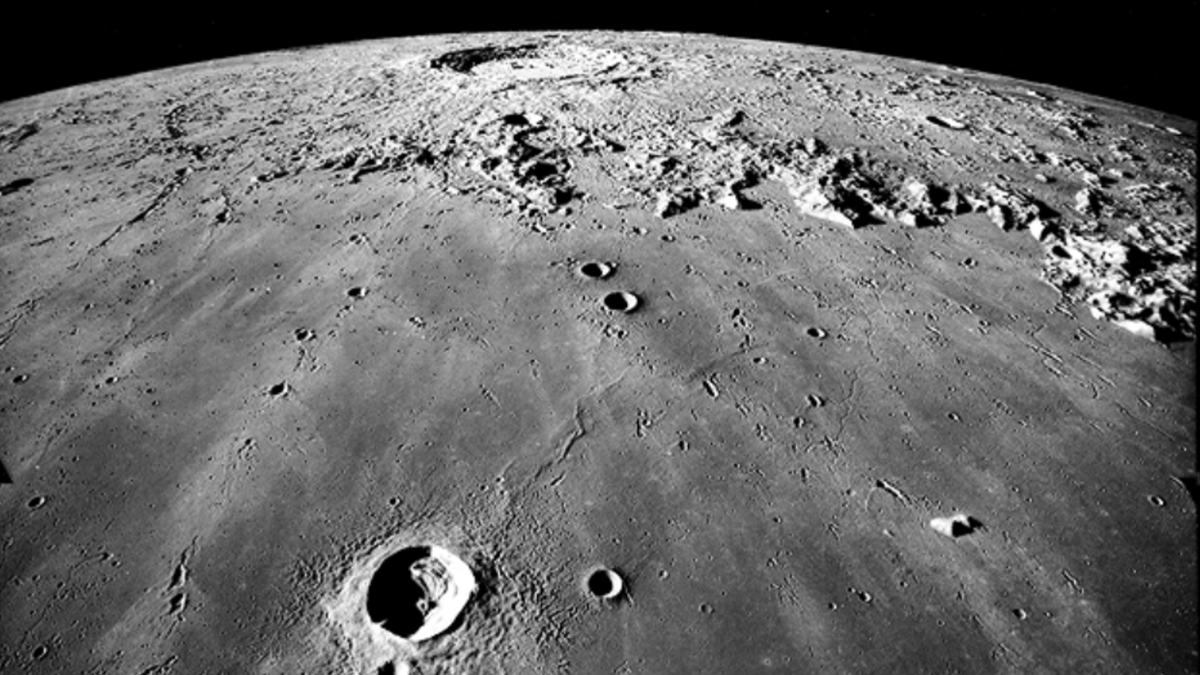
Scientists have proposed a new dating system for the lunar surface, suggesting that features like the "Man in the Moon" formation could be 200 million years older than previously thought. By reassessing impact craters and correlating data from moon rocks and spectroscopy, researchers have gained insights into the violent early history of the solar system. The new dating system reveals that large portions of the lunar crust are older than previously believed, providing a glimpse into what Earth would be like without geological processes like plate tectonics. The findings could also impact our understanding of the origin and early evolution of life on Earth and other planets.
- Famous 'man in the moon' could be 200 million years older than we thought Space.com
- Decrypting lunar craters quickly and easily Phys.org
- Lunar clock reset: `Man in the Moon` could be 200 million years older than previously thought WION
- 'Man in the Moon' Is More Ancient Than We Thought Newser
- Revised cratering chronology moon model shows parts of crust are 200 million years older than thought Phys.org
Reading Insights
0
0
4 min
vs 5 min read
87%
835 → 107 words
Want the full story? Read the original article
Read on Space.com