Unveiling Earth's Layered Origins: Insights from a 4.6 Billion-Year-Old Meteorite
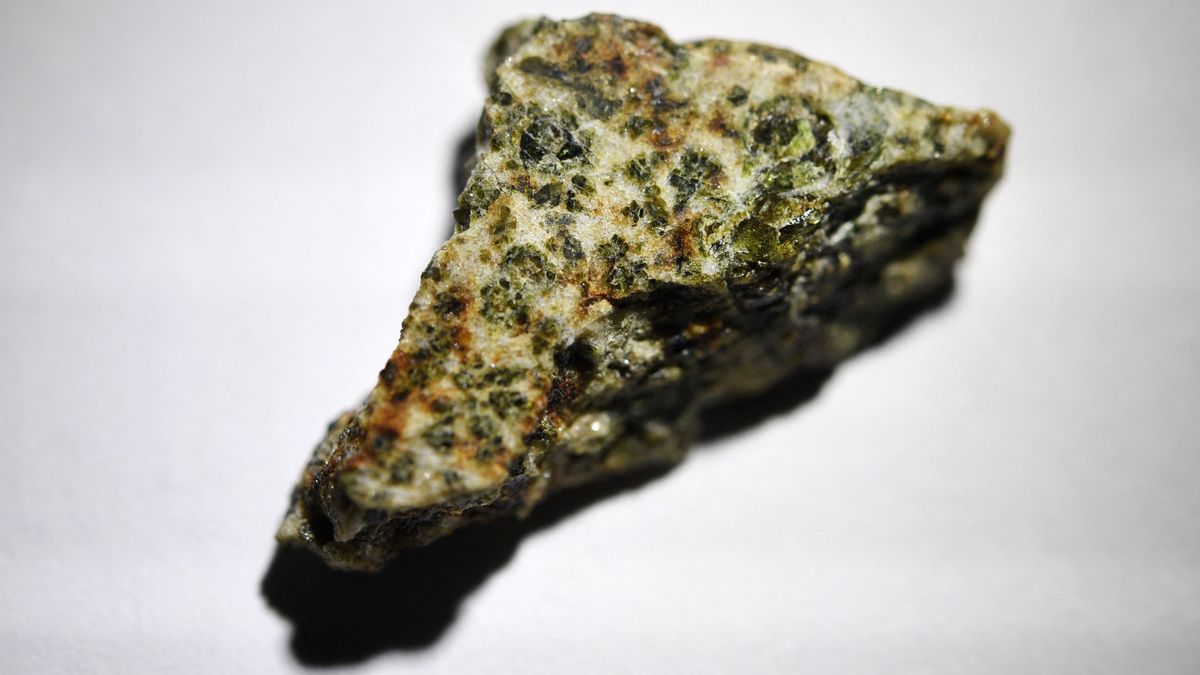
Scientists have analyzed a 4.6-billion-year-old meteorite called Erg Chech 002, which could provide insights into the formation of Earth's different layers and help determine the ages of other meteorites. The presence of Aluminum-26 in the meteorite suggests its importance in the later stage of Earth's evolution known as "planetary melting." By studying the distribution of Aluminum-26, researchers can better understand how the rocky inner planets of the solar system evolved. The decay of Aluminum-26 to Magnesium-26 can be used as a dating system for space rocks. The study also suggests that the Aluminum-26 – Magnesium-26 decay system could be a more effective chronometer for meteorites, leading to more accurate age data for understanding the formation of the solar system.