
"Rare Discovery: Early Universe Had Few Active Supermassive Black Holes, James Webb Telescope Finds"
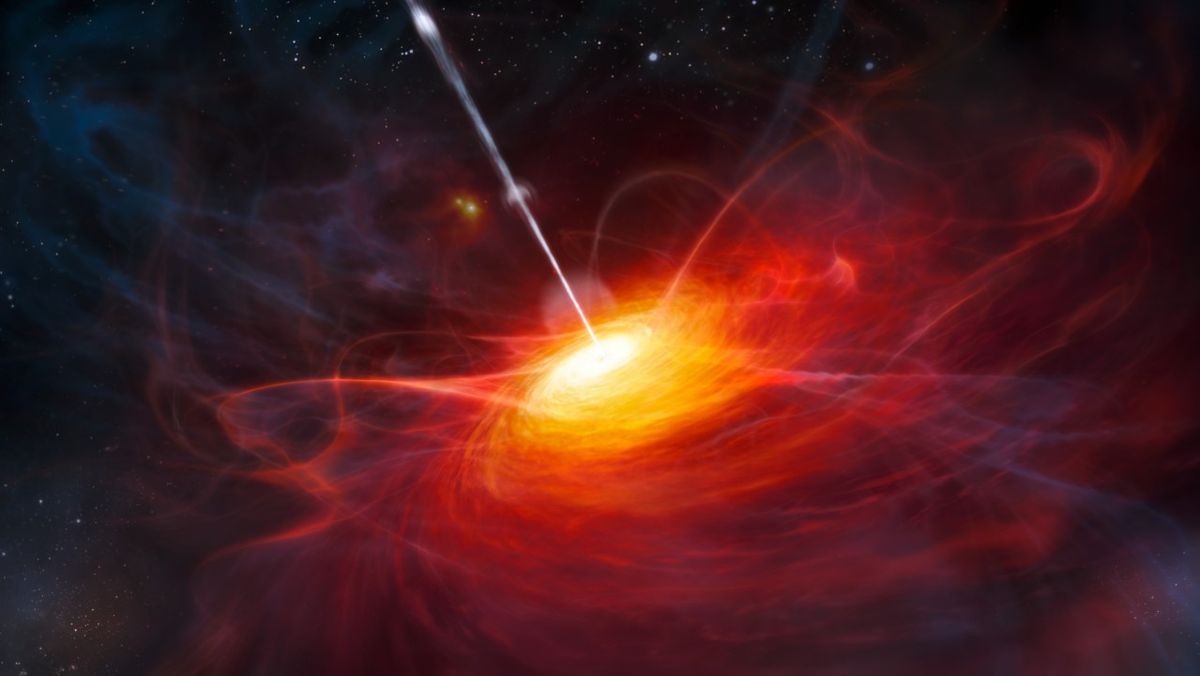
The James Webb Space Telescope (JWST) has revealed that there were fewer feeding supermassive black holes in the early universe than previously thought. Using the Mid-Infrared Instrument (MIRI), astronomers studied a region of space called the Extended Groth Strip and found a scarcity of rapidly growing supermassive black holes. This suggests that black holes may be growing at a slower rate than estimated and that their feeding rates may have been miscalculated by previous telescopes. The findings also indicate that these black holes may not have significantly impacted their host galaxies during the early universe. Additionally, the study discovered a lack of dust in the galaxies studied, challenging previous assumptions about lower mass galaxies containing substantial amounts of dust. The research could have implications for understanding the growth and origins of black holes.
Reading Insights
0
0
5 min
vs 7 min read
89%
1,202 → 133 words
Want the full story? Read the original article
Read on Space.com