
Earth’s green revolution: how land plants transformed the planet
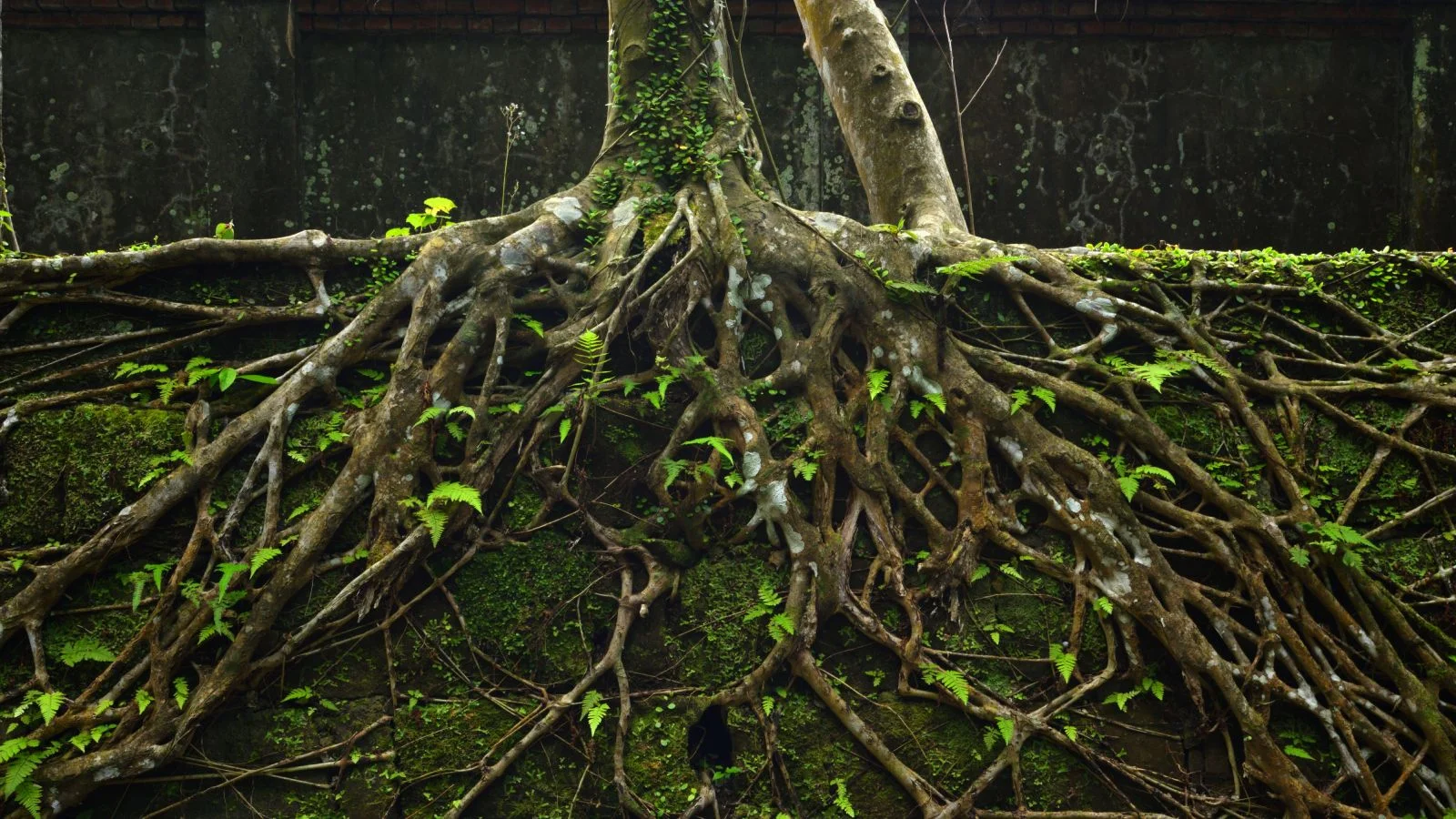
Plants first evolved from green algae and began colonizing land around 470 million years ago. To survive, they developed a waxy cuticle to reduce water loss, stronger cell walls, and simple anchor structures; by about 420 million years ago, vascular tissue allowed taller growth and the creation of soils, accelerating weathering and increasing atmospheric oxygen. Later, seeds around 380 million years ago improved reproductive success in dry conditions, and flowering plants around 140 million years ago spread with animal pollinators and fruit dispersal, driving widespread biodiversity. This chain of innovations transformed Earth’s atmosphere, soils, and ecosystems, enabling life to flourish on land.
Reading Insights
0
2
99 min
vs 100 min read
99%
19,869 → 102 words
Want the full story? Read the original article
Read on Live Science