
"New Criteria for Detecting Life: Carbon-Lite Atmospheres on Exoplanets"
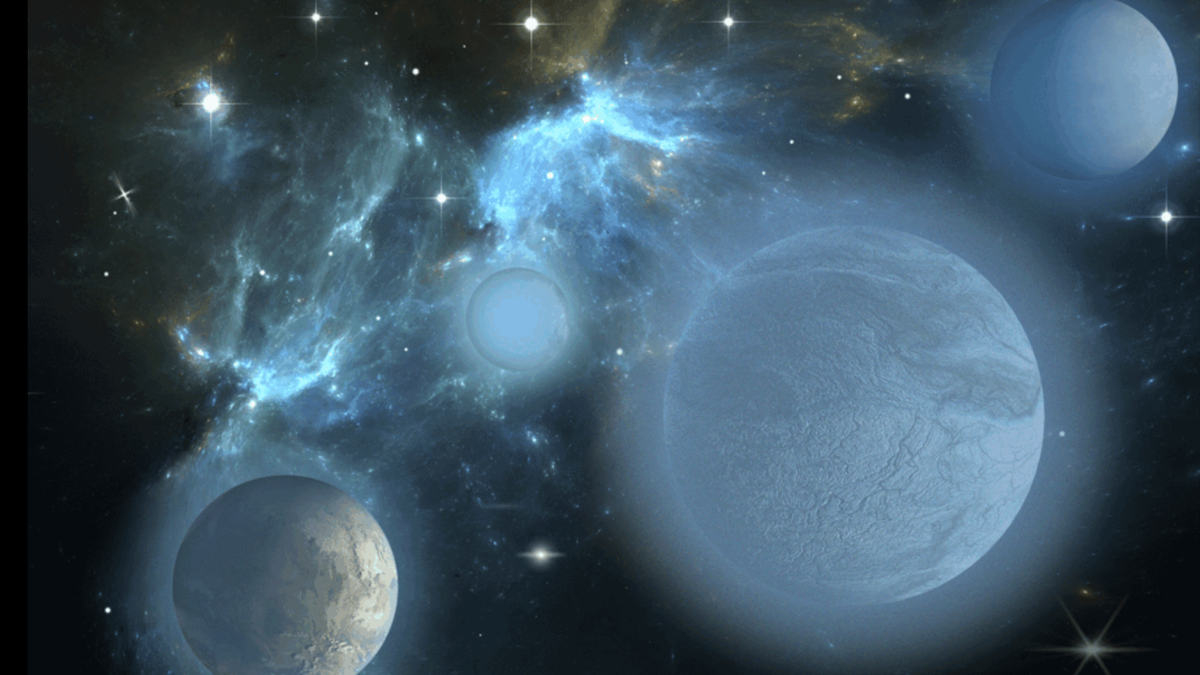
Scientists propose using the James Webb Space Telescope (JWST) to detect "carbon-lite" atmospheres on exoplanets as an indicator of liquid water and potential habitability. By comparing carbon dioxide levels in the atmospheres of planets within the same system, researchers can identify those with significant carbon depletion, suggesting active water cycles and possible oceans. Additionally, the presence of ozone could indicate not just habitability but also the existence of life. The TRAPPIST-1 system, with several Earth-like planets in the habitable zone, is a prime candidate for this research. The study, published in Nature Astronomy, offers a new roadmap for finding habitable and potentially inhabited exoplanets using JWST.
- James Webb Space Telescope could look for 'carbon-lite' exoplanet atmospheres in search for alien life Space.com
- We May Have Been Looking For The Wrong Thing In The Search For Life IFLScience
- A carbon-lite atmosphere could be a sign of water and life on other terrestrial planets, MIT study finds MIT News
- A New Way to Characterize Habitable Planets Caltech
- Atmospheric carbon depletion as a tracer of water oceans and biomass on temperate terrestrial exoplanets Nature.com
Reading Insights
0
6
5 min
vs 6 min read
90%
1,098 → 106 words
Want the full story? Read the original article
Read on Space.com