
"Debunking the Black Hole-Sun Conundrum: Scientists Explain"
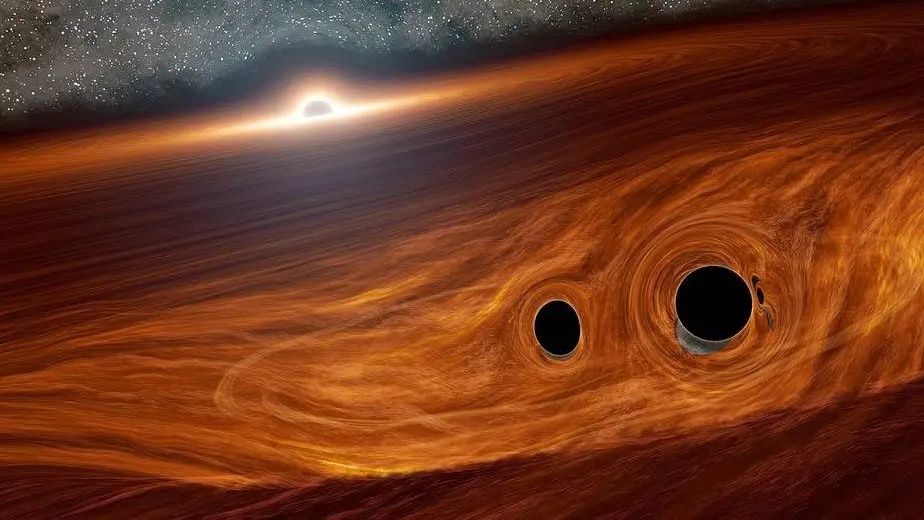
Astrophysicist Matt Caplan and colleagues have proposed a theory that dark matter could be composed of atom-sized primordial black holes formed in the early universe. While it's highly unlikely that one of these black holes is inside the Sun, the researchers suggest that some stars, particularly in less massive environments like dwarf galaxies, might contain these black holes at their cores. These "Hawking stars," named after Stephen Hawking who theorized about primordial black holes, could potentially be identified by their unique red giant phase, which is accretion-powered rather than fusion-powered, making them puffier and dimmer. The team plans to use asteroseismology to observe candidate stars that may harbor these ancient black holes, offering a new avenue in the search for dark matter.
Reading Insights
0
2
10 min
vs 11 min read
94%
2,070 → 122 words
Want the full story? Read the original article
Read on Space.com