
Mixed black hole–neutron star mergers reveal eccentric orbits and hidden formation paths
TL;DR Summary
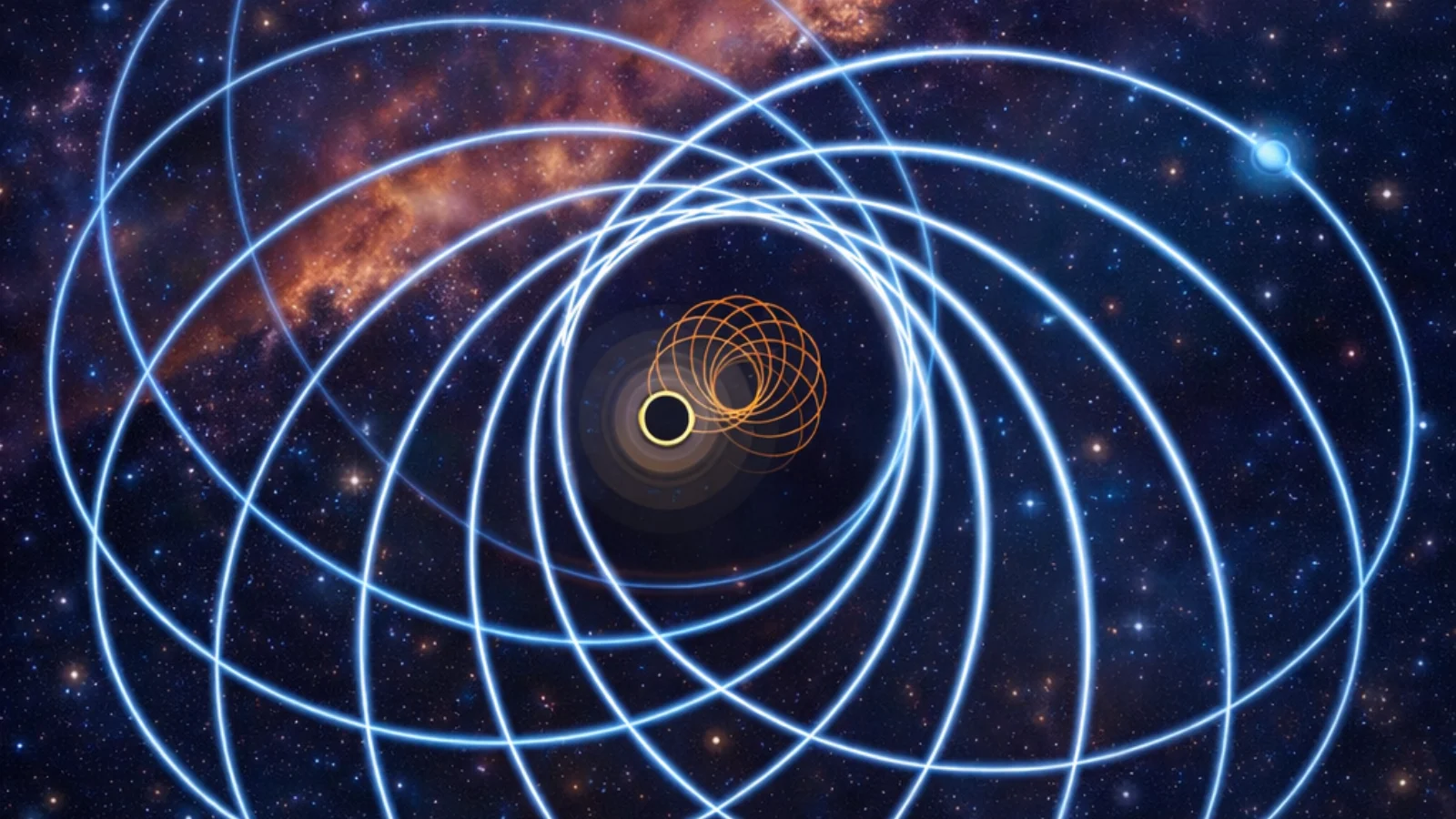
Astronomers analyzing the GW200105 gravitational-wave signal found an eccentric, precession-lacking orbit for a black hole–neutron star binary just before merger, suggesting it was shaped by gravitational interactions with a third body and not by a quiet, isolated inspiral. Using a new model from Birmingham’s Institute of Gravitational Wave Astronomy, the team says there are likely multiple formation channels for such mixed mergers, and the event revised prior mass estimates (BH ~13 solar masses, NS ~2). The finding expands our understanding of how extreme binaries form and evolve and challenges the assumption of circular, isolated mergers.
- Black hole and neutron star mergers push the laws of physics with their odd orbits Space
- Looking for Supermassive Black Hole Binaries with a Flash of Starlight Universe Today
- Oval orbit casts new light on black hole–neutron star mergers Phys.org
- Universe-shaking black hole collision has an orbit never seen before Live Science
- Elliptical Orbits Shed New Light on Black Hole-Neutron Star Mergers BIOENGINEER.ORG
Reading Insights
Total Reads
0
Unique Readers
8
Time Saved
54 min
vs 54 min read
Condensed
99%
10,800 → 95 words
Want the full story? Read the original article
Read on Space