
Arctic winter sea ice near record low as global heat records surge
TL;DR Summary
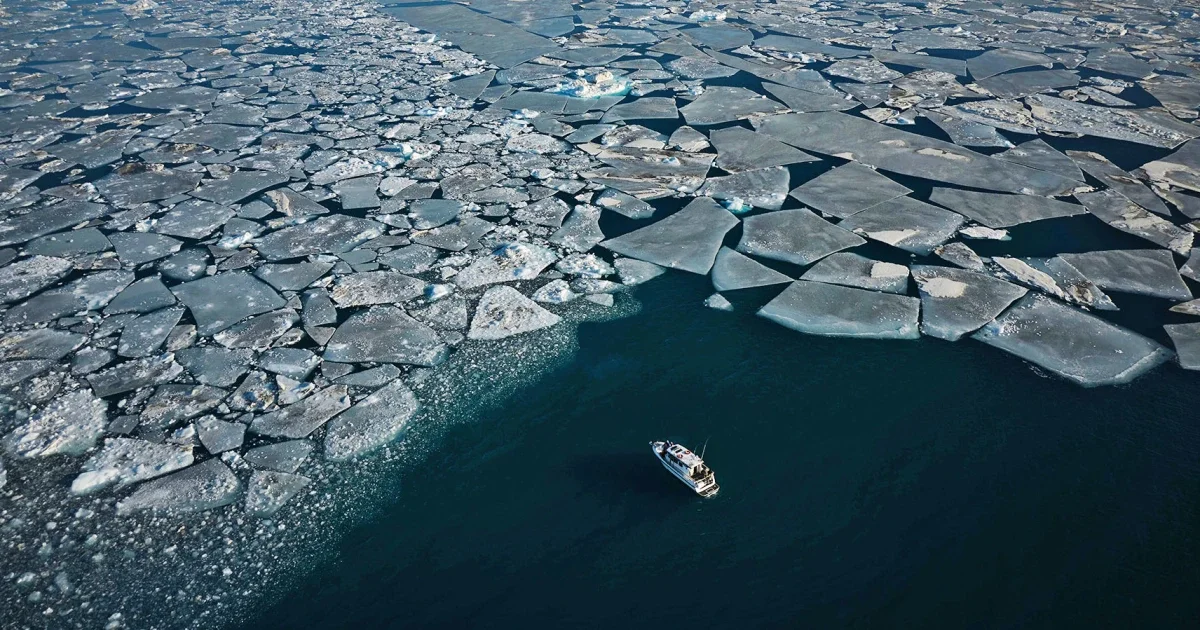
Arctic sea ice reached its winter maximum at about 5.52 million square miles, roughly tying the lowest on record and about 525,000 square miles below the 1981-2010 winter average, signaling a steady decline as warming continues. The smaller ice pack means less sunlight reflected, allowing more heat to enter the oceans and potentially affect the summer melt and weather patterns. Antarctica meanwhile posted its coldest March day on record; melting sea ice does not raise sea levels, but the broader loss signals climate disruption with implications for ecosystems and shipping routes.
- Arctic sea ice hits lowest winter level as unprecedented heat smashes records all over Earth NBC News
- Arctic sea ice just dropped to an alarming new low CNN
- Arctic Winter Sea Ice Ties Record Low, NASA, NSIDC Scientists Find NASA Science (.gov)
- Disappearing Arctic sea ice breaks frightening record Scientific American
- Winter Sea Ice in the Arctic Ties a Record Low The New York Times
Reading Insights
Total Reads
0
Unique Readers
10
Time Saved
4 min
vs 5 min read
Condensed
89%
854 → 91 words
Want the full story? Read the original article
Read on NBC News