
Gut microbes may slow age-related cognitive decline, new review suggests
TL;DR Summary
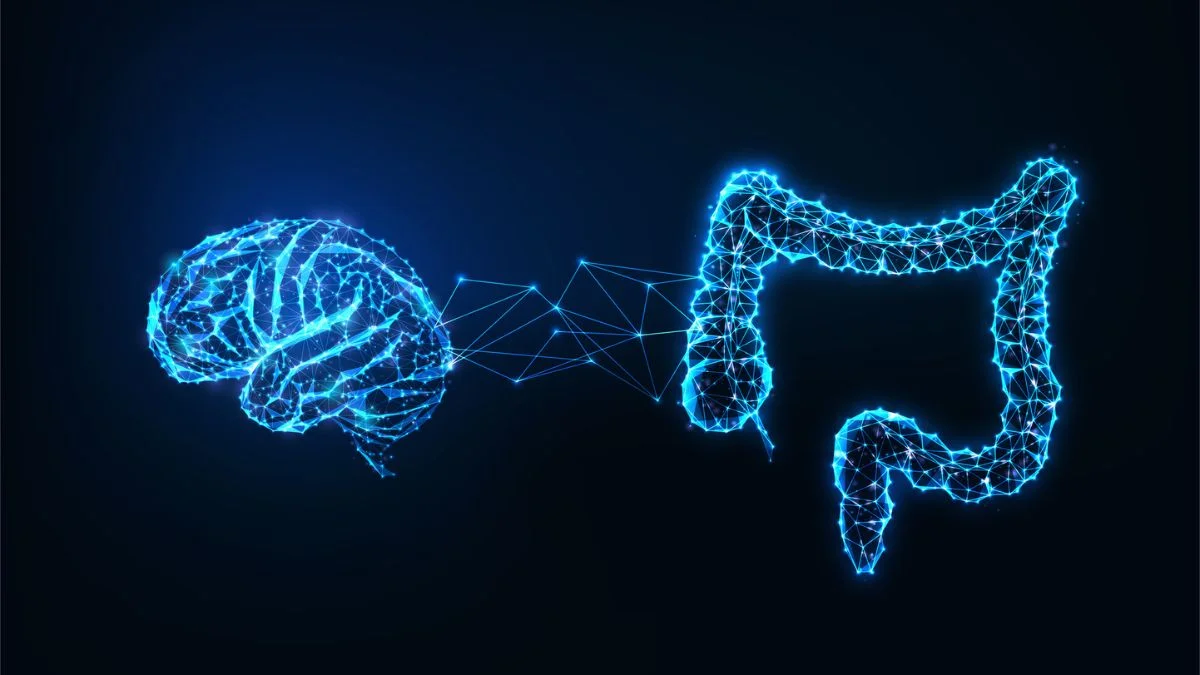
A review of 15 trials with about 4,275 adults suggests that modulating the gut microbiome through diet, probiotics/prebiotics, or fecal microbiota transplantation can modestly improve memory, executive function, and overall cognition in older adults—especially those with early cognitive impairment—though effects are limited in advanced Alzheimer's. Dietary approaches like the Mediterranean diet show promise, FMT shows rapid microbial shifts with some cognitive gains in small Alzheimer’s cases, but long-term safety and efficacy require more randomized trials.
Topics:health#cognitive-decline#fecal-microbiota-transplant#gut-brain-axis#gut-microbiome#probiotics#science
- Your Gut-Brain Link May Offer a New Way to Fight Cognitive Decline ScienceAlert
- Intestinal interoceptive dysfunction drives age-associated cognitive decline Nature
- Gut Bacteria Discovery Could Change How Doctors Treat ALS and Dementia SciTechDaily
- High-fat diets let gut bacteria enter the brain futurity.org
- Enhancing gut-brain communication reversed cognitive decline, improved memory formation in aging mice Stanford Medicine
Reading Insights
Total Reads
0
Unique Readers
3
Time Saved
5 min
vs 6 min read
Condensed
93%
1,072 → 75 words
Want the full story? Read the original article
Read on ScienceAlert