
Decoding the Role of a Key Protein in Aging and Brain Plasticity
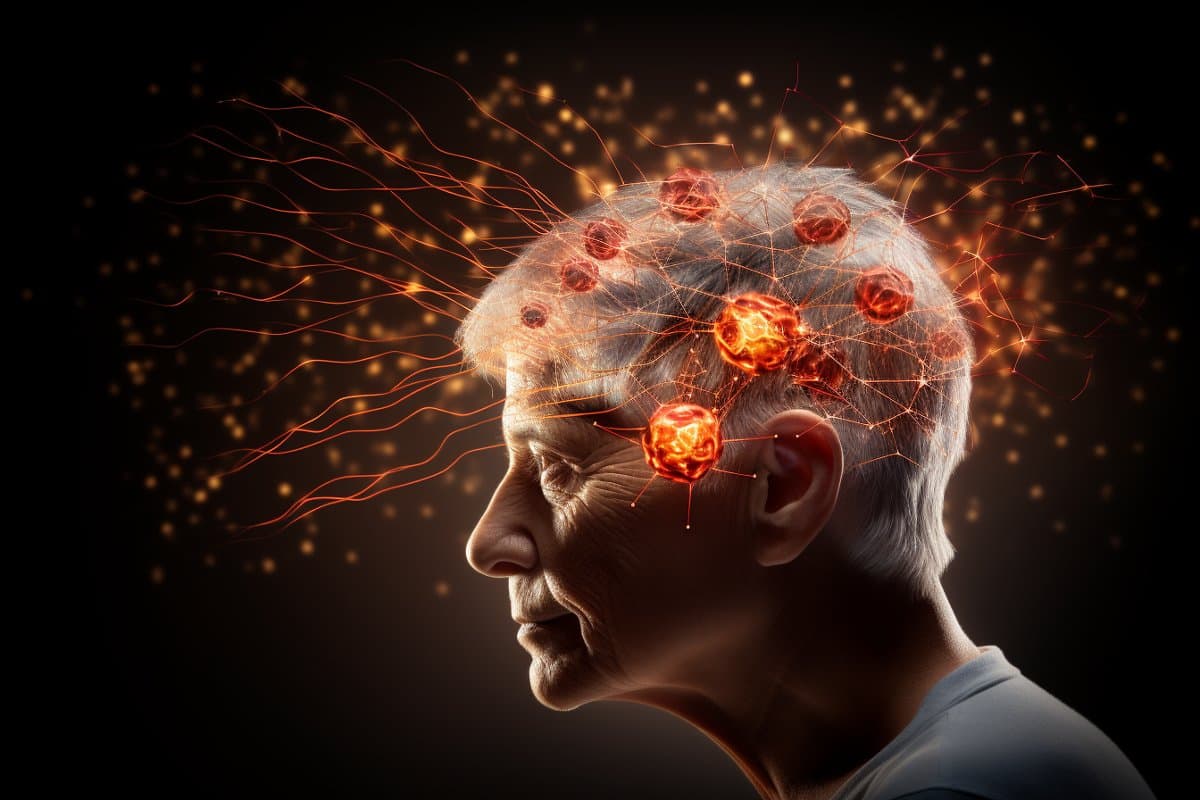
A study conducted by researchers at Mount Sinai has revealed new insights into the role of the protein TIMP2 in regulating the plasticity and function of the hippocampus, a key brain region involved in memory and learning. The study found that loss of TIMP2 leads to a buildup of extracellular matrix components in the hippocampus, resulting in reduced plasticity, synaptic integrity, and memory. By targeting these effects with an enzyme that impacts the extracellular matrix, researchers were able to restore impaired plasticity processes. These findings could potentially lead to the development of novel treatments for age-related disorders such as Alzheimer's disease.
- Unlocking Memory: Key Protein's Role in Aging and Brain Plasticity Revealed Neuroscience News
- Mount Sinai Researchers Detail Mechanism of a Key Protein Implicated in Age-Related Brain Dysfunction Mount Sinai
- Neuronal TIMP2 regulates hippocampus-dependent plasticity and extracellular matrix complexity | Molecular Psychiatry Nature.com
- View Full Coverage on Google News
Reading Insights
0
3
4 min
vs 5 min read
90%
963 → 101 words
Want the full story? Read the original article
Read on Neuroscience News