
"Uncovering Ancient Diets: 4,000-Year-Old Teeth Reveal Microbial Diversity and Dietary Impact"
TL;DR Summary
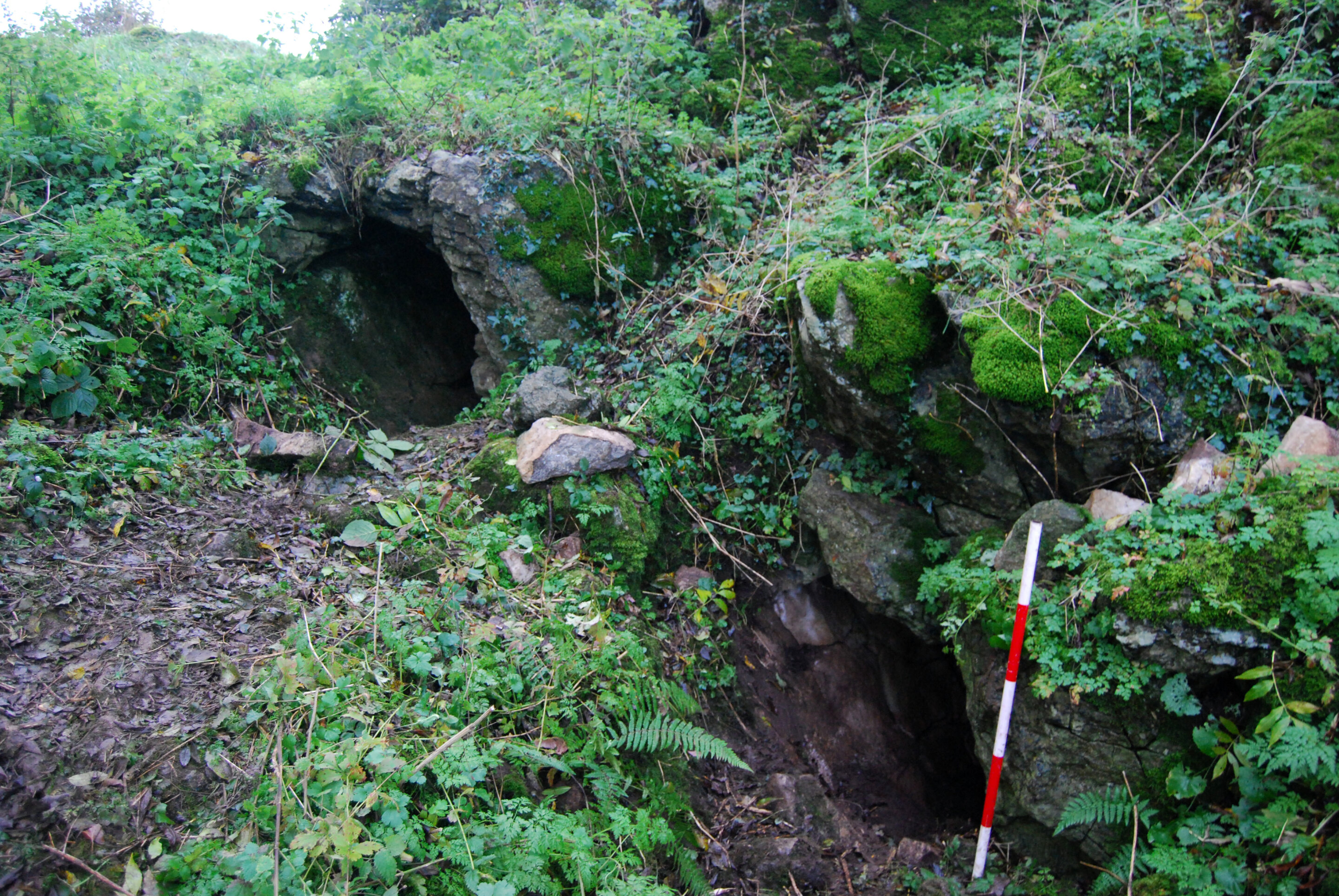
Researchers at Trinity College Dublin have analyzed microbiomes from 4,000-year-old teeth found in an Irish limestone cave, shedding light on the impact of changing human diets on oral health over the centuries. The study revealed major shifts in the oral microenvironment from the Bronze Age to today, including changes in bacterial composition linked to gum disease and tooth decay. The findings also support the "disappearing microbiome" hypothesis, suggesting that modern microbiomes are less diverse than those of our ancestors, which could have implications for human health.
- Genetic secrets from 4,000-year-old teeth illuminate the impact of changing human diets over the centuries Phys.org
- Tooth decay bacteria found in Bronze Age molars BBC.com
- Decay bacteria in ancient molars found in Limerick cave RTE.ie
- Teeth of Irishman who lived 4,000 years ago offers 'unprecedented' breakthrough Express
- Modern humans may be losing microbial diversity, show teeth samples from Bronze Age Down To Earth Magazine
Reading Insights
Total Reads
0
Unique Readers
7
Time Saved
4 min
vs 5 min read
Condensed
90%
902 → 86 words
Want the full story? Read the original article
Read on Phys.org