intellectual-property1.89 min read
"New York Times Cracks Down on Nearly 2000 Unofficial Wordle Clones"
2 years ago•Source: Eurogamer.net

The latest intellectual property stories, summarized by AI

A devoted fan of the Lord of the Rings novels, Demetrious Polychron, has been barred from selling or keeping copies of his unauthorized sequel, "The Fellowship of the King," following a lawsuit by the Tolkien estate. Polychron had written to the Tolkien family expressing his desire to write the next chapter of the series, but his attempts to collaborate were rebuffed. The estate sued Polychron for copyright infringement, alleging that his book copied plot points and characters from J.R.R. Tolkien's original series. Polychron's own lawsuit, claiming that the Amazon Studios series "The Lord of the Rings: The Rings of Power" copied his work, was dismissed as frivolous. The judge ruled in favor of the Tolkien estate, granting a permanent injunction against Polychron and ordering him to destroy any copies of his book.
The Associated Press•2 years ago
Fox Business•2 years ago
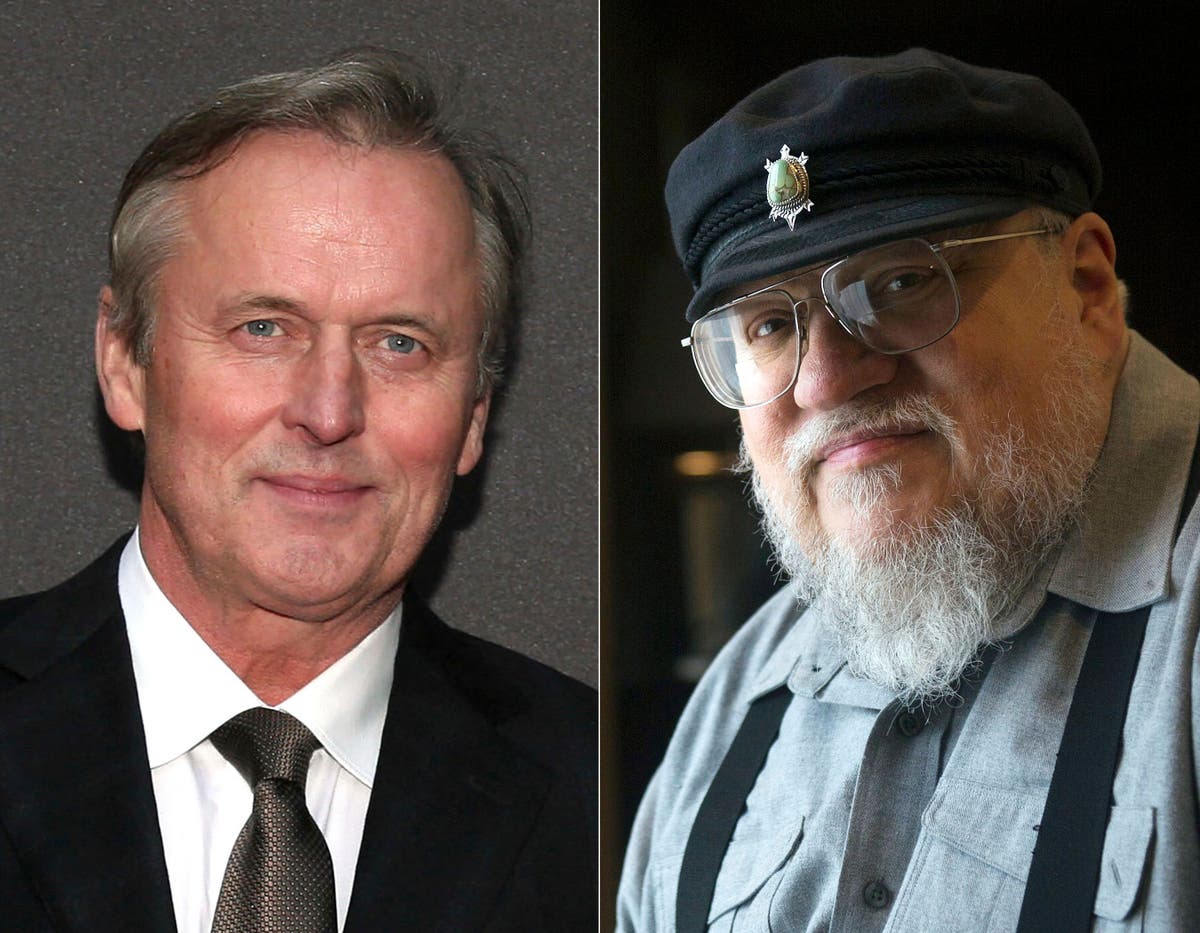
John Grisham, Jodi Picoult, and George RR Martin are among 17 authors who have filed a lawsuit against OpenAI, alleging "systematic theft on a mass scale" and copyright infringement. The authors claim that OpenAI's ChatGPT program generates infringing content without permission, posing a threat to the literary culture and creative industries. The Authors Guild organized the lawsuit, which also includes authors such as David Baldacci and Jonathan Franzen. OpenAI has not yet responded to the allegations. This is the latest legal action by authors concerned about AI using their copyrighted works without authorization.
The Authors Guild, a trade group for U.S. authors, has filed a proposed class-action lawsuit against OpenAI on behalf of prominent writers including John Grisham, George R.R. Martin, and Jodi Picoult, accusing the company of unlawfully training its AI chatbot, ChatGPT, on their work. The lawsuit claims that OpenAI scraped text from the authors' books, potentially from illegal online "pirate" book repositories, to train its language model. OpenAI and other AI defendants argue that their use of training data qualifies as fair use under U.S. copyright law. The Authors Guild asserts that authors should have control over how their works are used by generative AI to preserve literature and prevent the displacement of human-authored books. Similar lawsuits are pending against Meta Platforms and Stability AI.
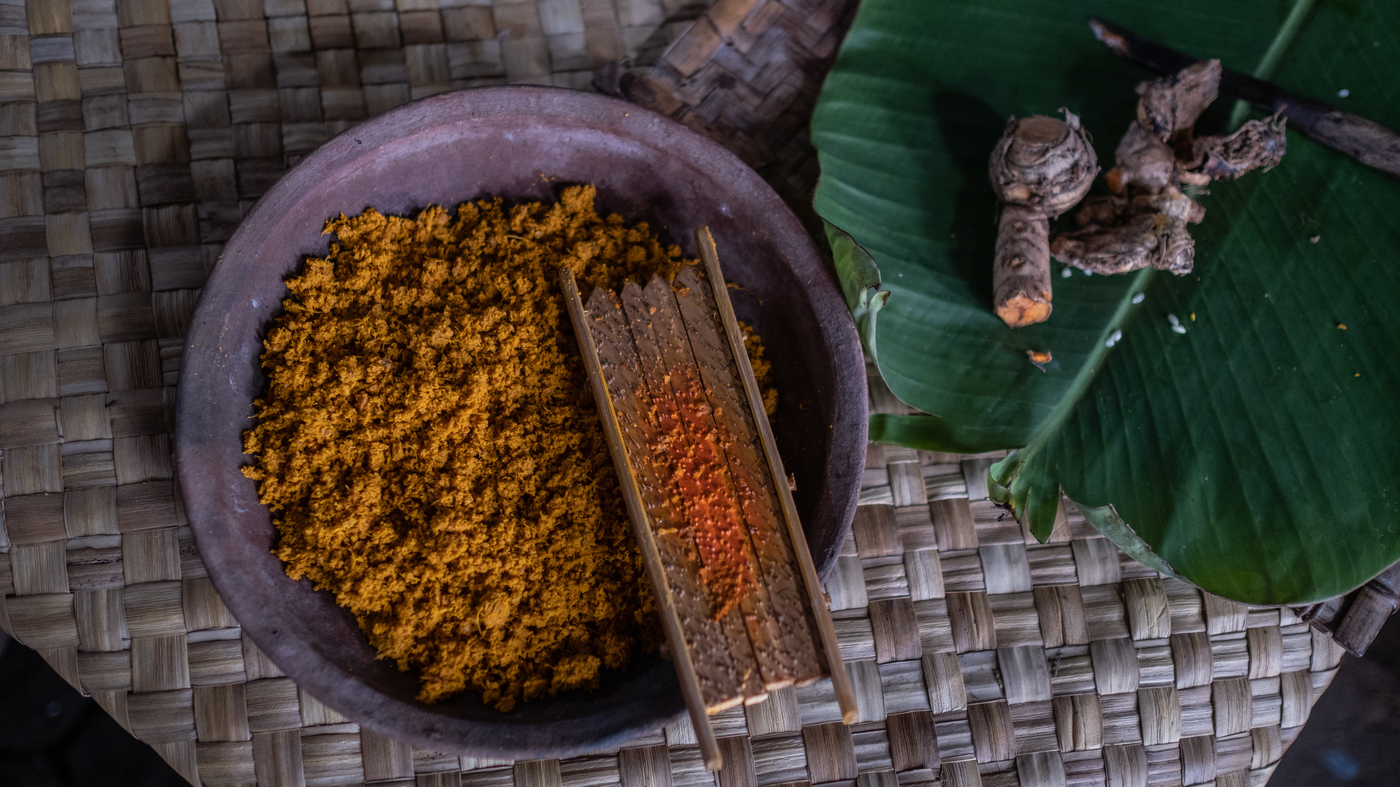
Dr. Raghunath Mashelkar fought against a patent filed in the U.S. for using turmeric to heal wounds, as it was a well-known remedy in traditional Indian medicine. This led him to uncover other instances of traditional knowledge being claimed as intellectual property, sparking a mission to create a digital fortress to protect against biopiracy.
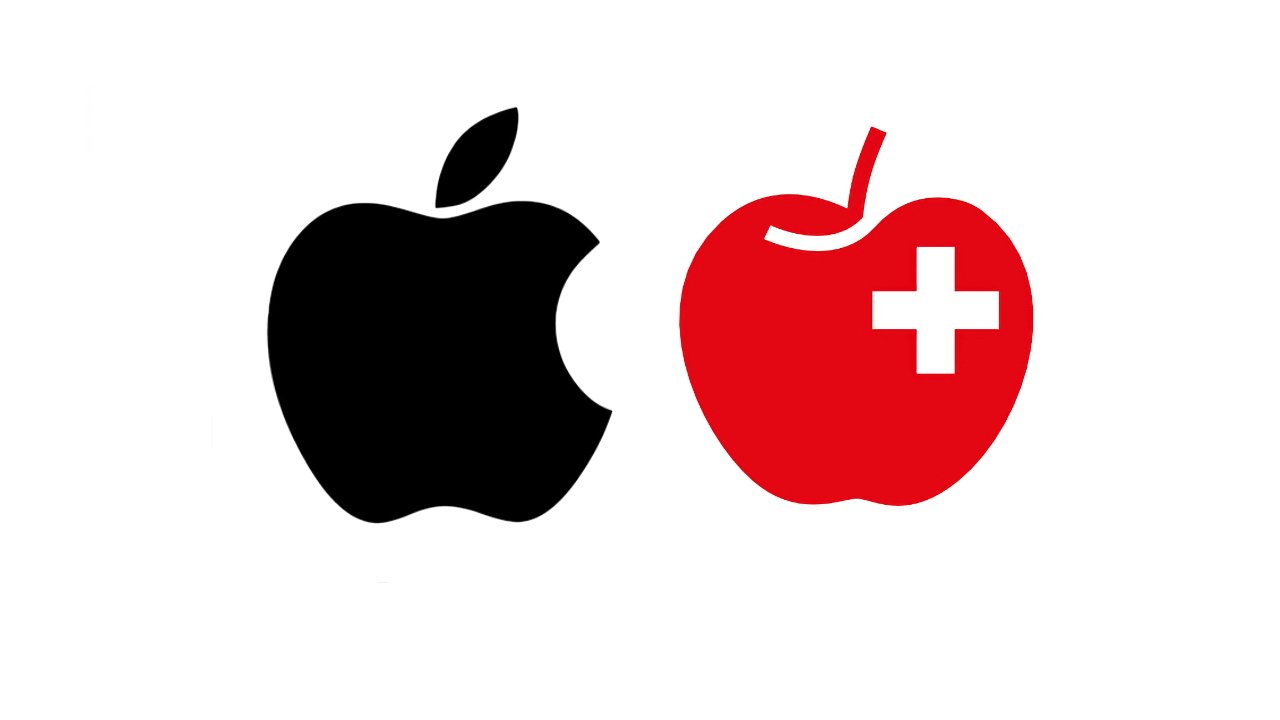
Fruit Union Suisse claims that Apple is not only contesting its trademark apple logo but also seeking exclusive rights to all depictions of actual apples. Apple has been fighting against the Swiss association for six years, and the case is still under review by the Swiss Institute of Intellectual Property. Apple has made similar trademark requests worldwide, according to the World Intellectual Property Organization.
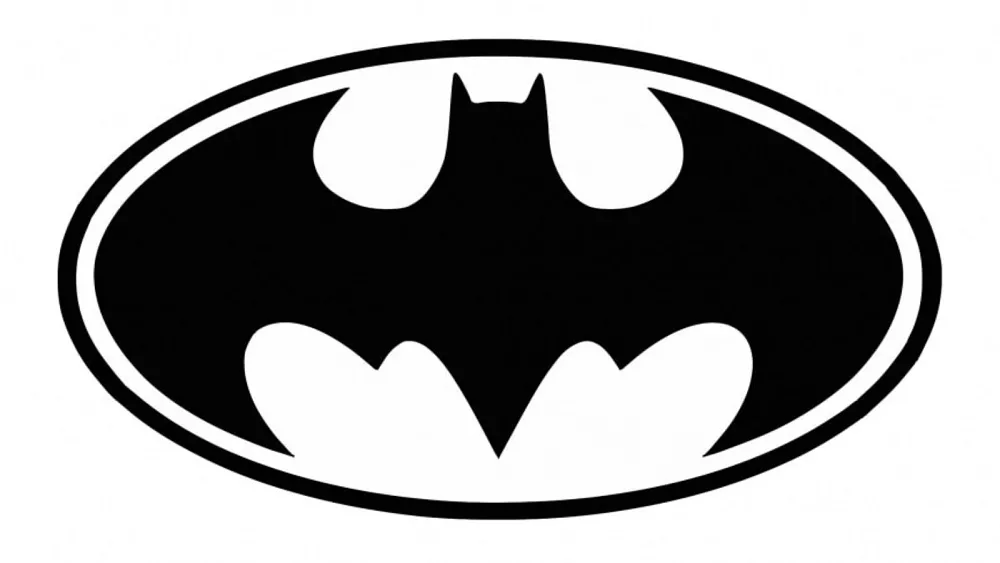
The Court of Justice of the European Union has ruled in favor of DC Comics' Batman in a trademark dispute with Italian clothing retailer Commerciale Italiana and Luigi Aprile. The court stated that the Batman logo is distinctive enough to warrant its EU trademark and that the association with the fictional character does not make it impossible to rule out the trademark as an indication of the origin of the goods in question. The Italian company can still take its grievance to the EU Court of Justice.
The US Supreme Court's decision in Amgen, Inc. v. Sanofi et al. has ushered in a cataclysmic shift in the law of enablement, despite the Court's claim that it changes nothing. The decision has left innovators questioning the continued viability of broad genus claims, and while it does not categorically eliminate them, it requires a lot of examples to satisfy the enablement requirement. The decision will have repercussions for the entire community regardless of industry or technology at issue, and patent applications will likely become longer and more detailed with far more examples.
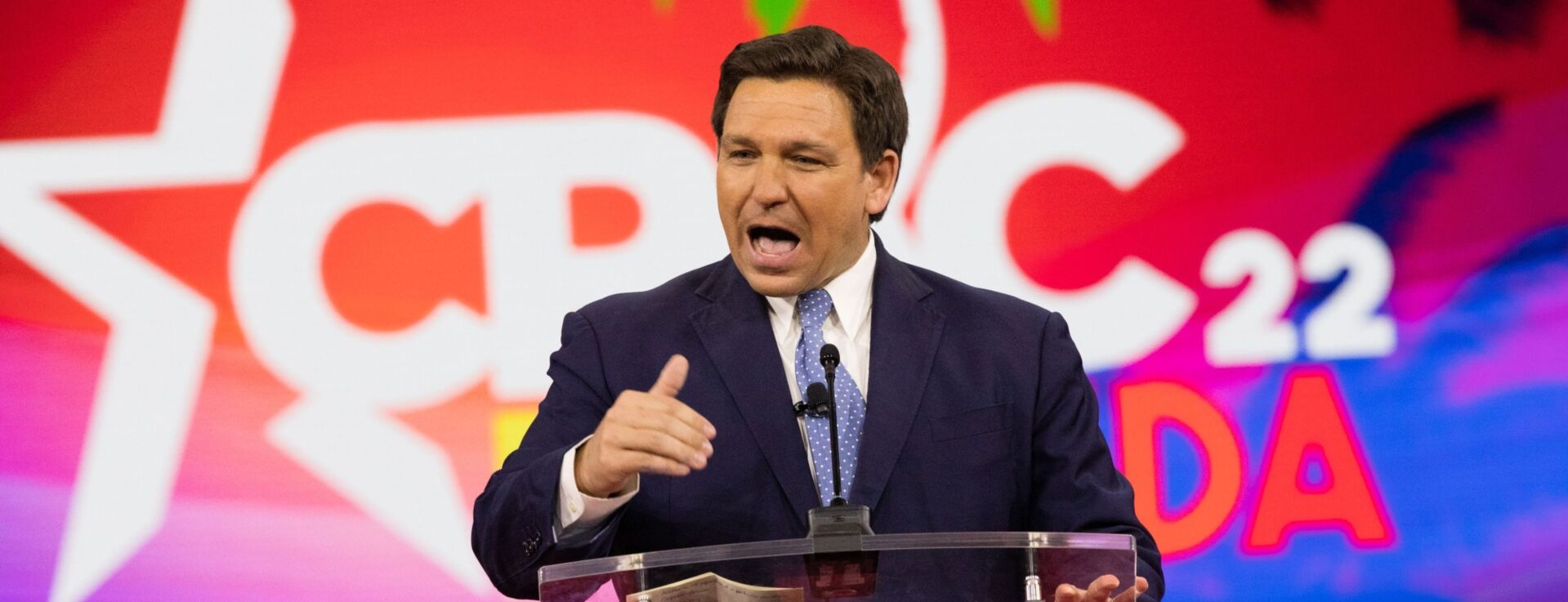
Baseball caps promoting Ron DeSantis for president using Disney’s iconic—and trademarked—script add intellectual property to the combustible standoff between the Florida governor and the state’s most recognizable corporate citizen. Whether the caps raise trademark liability could turn on how the US Supreme Court interprets poop jokes on a dog toy. It also would require tying the hat sales to his operation. Walt Disney Co. could have a claim, but the First Amendment looms large when political speech comes into play, especially if DeSantis could successfully frame the hats as criticizing Disney.