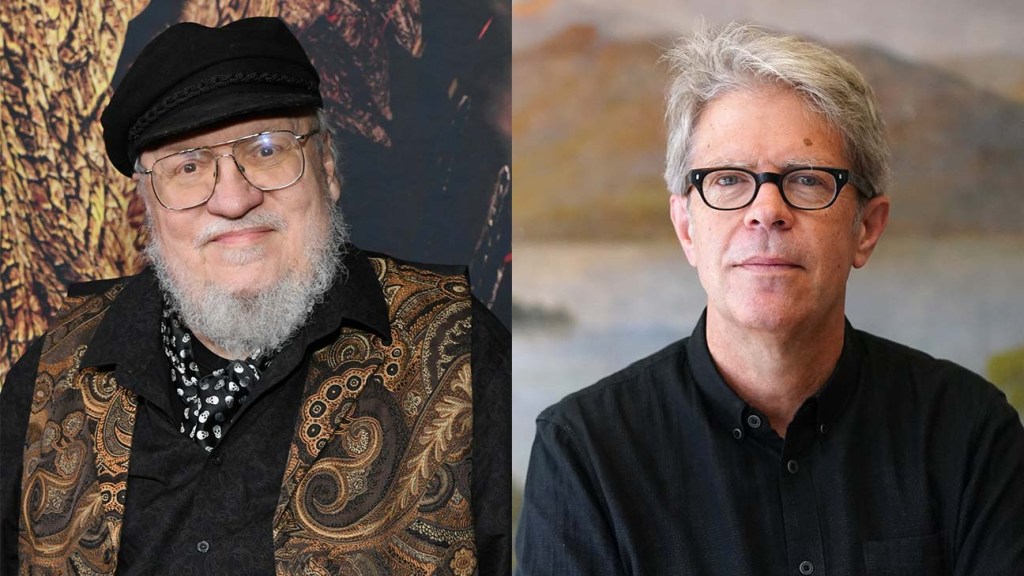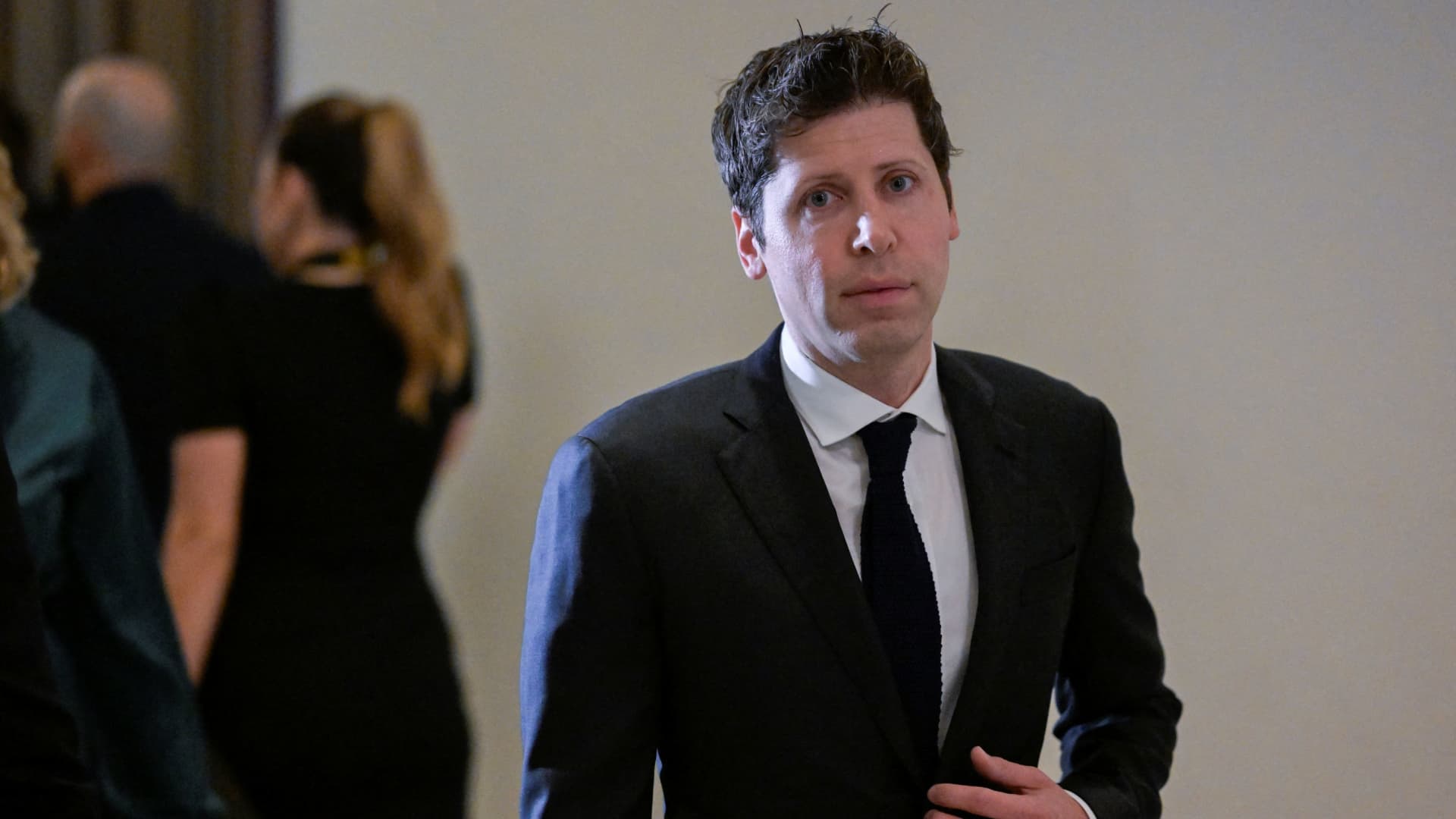
George R.R. Martin and 16 other authors, including John Grisham and Jodi Picoult, have filed a lawsuit against OpenAI, alleging copyright infringement. The authors claim that their works of fiction were used without permission to train the AI technology behind OpenAI's ChatGPT. The lawsuit argues that OpenAI could have used works in the public domain or paid a licensing fee instead. The authors are concerned about the impact on their livelihoods and the role of writers as a whole. OpenAI has stated that they want to work with creators and respect their rights. The complaint also mentions AI-generated books on Amazon and an attempt to generate volumes 6 and 7 of George R.R. Martin's "A Song of Ice and Fire" series.
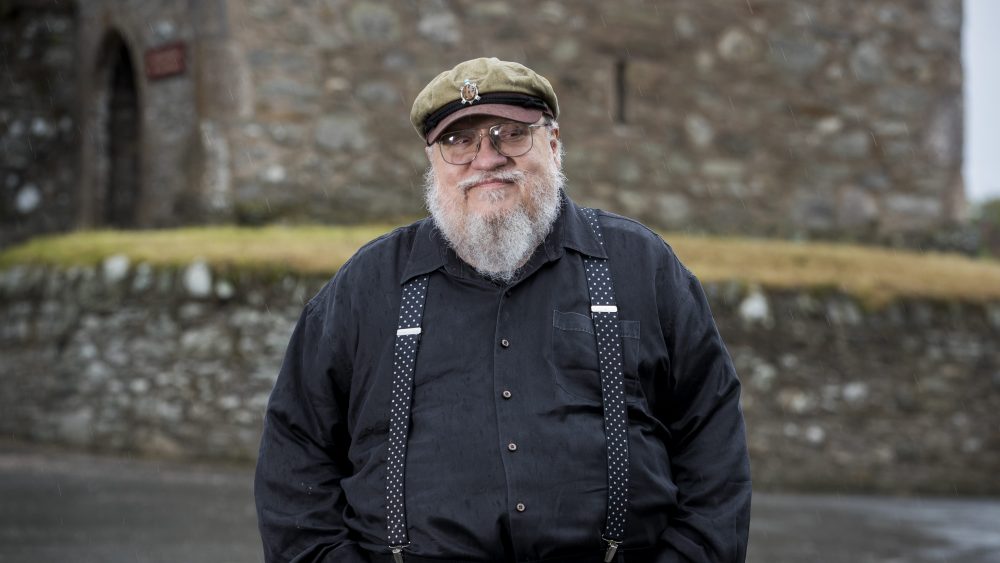
OpenAI is facing a class-action lawsuit led by the Authors Guild, with 17 prominent authors, including George R.R. Martin and John Grisham, alleging that the company illegally used their copyrighted works to train its artificial intelligence robot, ChatGPT. The lawsuit seeks an injunction to stop OpenAI from using the authors' works and unspecified monetary damages. This comes after a similar lawsuit was filed in July 2023. OpenAI has stated that it is having productive conversations with creators and hopes to find mutually beneficial ways to work together. The Authors Guild aims to defend authors from theft by OpenAI and other generative AI systems.
John Grisham, Jodi Picoult, and George RR Martin are among 17 authors who have filed a lawsuit against OpenAI, alleging "systematic theft on a mass scale" and copyright infringement. The authors claim that OpenAI's ChatGPT program generates infringing content without permission, posing a threat to the literary culture and creative industries. The Authors Guild organized the lawsuit, which also includes authors such as David Baldacci and Jonathan Franzen. OpenAI has not yet responded to the allegations. This is the latest legal action by authors concerned about AI using their copyrighted works without authorization.
The Authors Guild, a trade group for U.S. authors, has filed a proposed class-action lawsuit against OpenAI on behalf of prominent writers including John Grisham, George R.R. Martin, and Jodi Picoult, accusing the company of unlawfully training its AI chatbot, ChatGPT, on their work. The lawsuit claims that OpenAI scraped text from the authors' books, potentially from illegal online "pirate" book repositories, to train its language model. OpenAI and other AI defendants argue that their use of training data qualifies as fair use under U.S. copyright law. The Authors Guild asserts that authors should have control over how their works are used by generative AI to preserve literature and prevent the displacement of human-authored books. Similar lawsuits are pending against Meta Platforms and Stability AI.
The Authors Guild, led by prominent authors such as George R.R. Martin and John Grisham, has filed a lawsuit against OpenAI, accusing the company of engaging in mass-scale copyright infringement by using copyrighted books to train its AI system, ChatGPT. The authors argue that ChatGPT generates summaries and derivative works based on their novels, interfering with their economic prospects. This legal action is one of several against OpenAI and other AI companies over the use of copyrighted works without licensing agreements. The outcome of this case could have significant implications for the legality of using copyrighted materials to train AI systems.
A group of prominent authors, including John Grisham and George R.R. Martin, has filed a lawsuit against OpenAI, alleging copyright infringement. The Authors Guild claims that OpenAI used their works without permission to train its ChatGPT language model. This class-action lawsuit is one of several legal actions against companies behind popular generative AI tools, including image-generation models. The Authors Guild argues that these algorithms are the foundation of OpenAI's commercial enterprise and accuses the company of systematic theft on a large scale.
An author, Jane Friedman, discovered that books were being sold on Amazon under her name that she didn't write, and they appeared to be generated by artificial intelligence (AI). With AI tools like ChatGPT now able to produce convincing text, concerns have been raised about losing work to AI and the unauthorized use of authors' work to train AI models. The Authors Guild has called for legislation to protect writers from AI and for AI companies to obtain consent from authors and compensate them fairly. Amazon removed the fake books and is investigating the issue, while Goodreads also removed the books from Friedman's profile. The Authors Guild is working with Amazon to address the issue and hopes for opt-out options for authors and transparent labeling of artificially generated text.