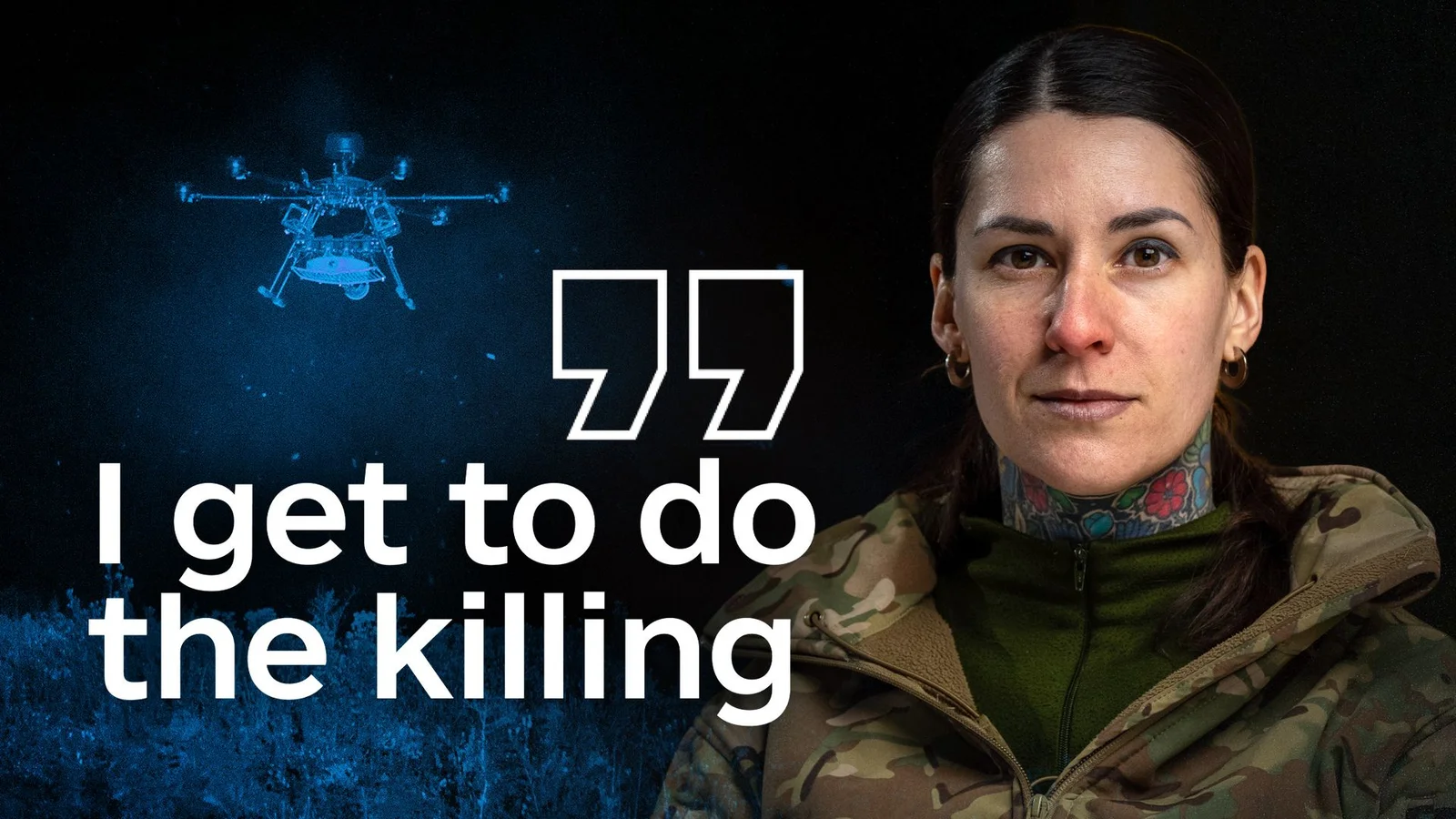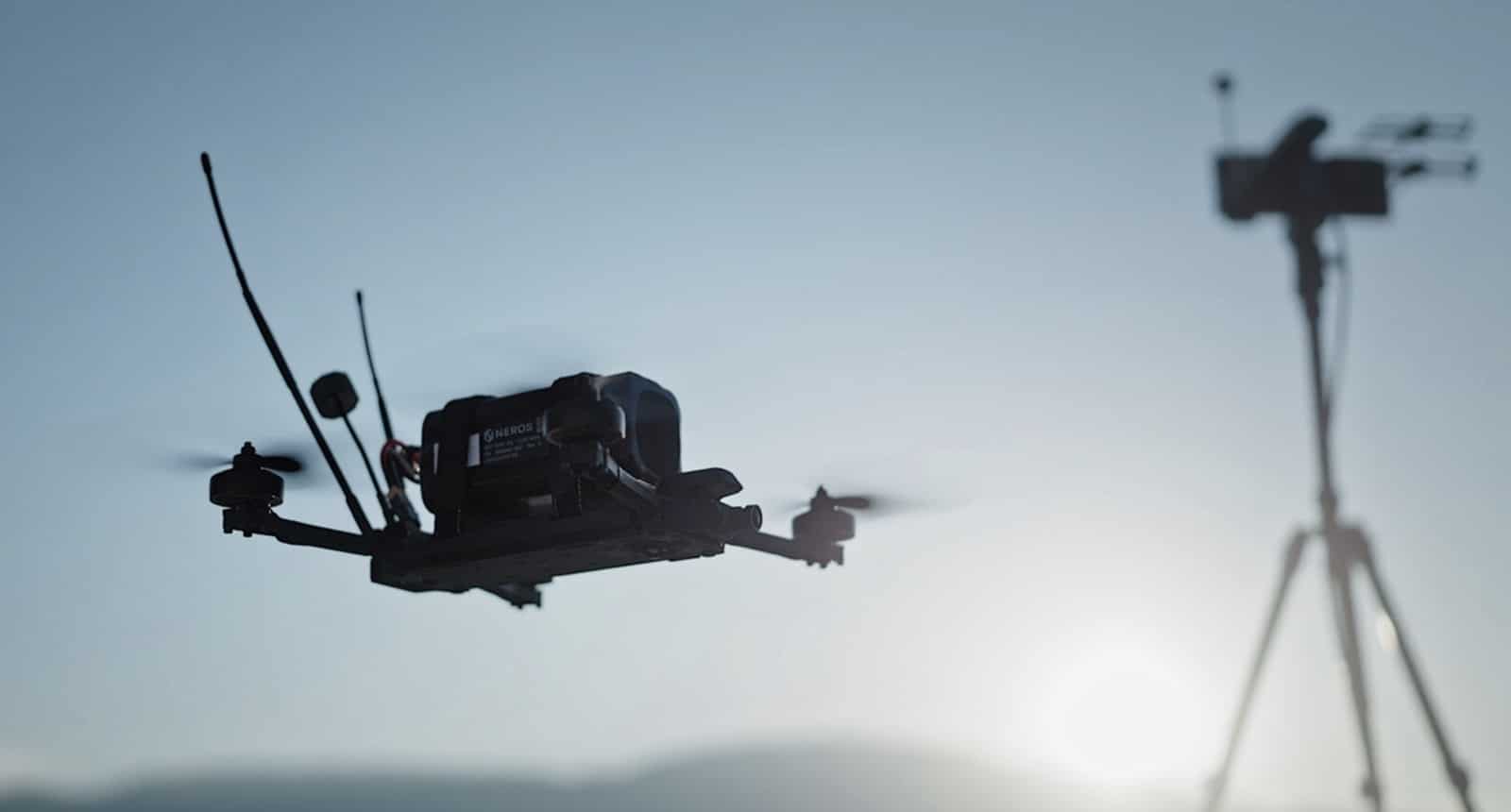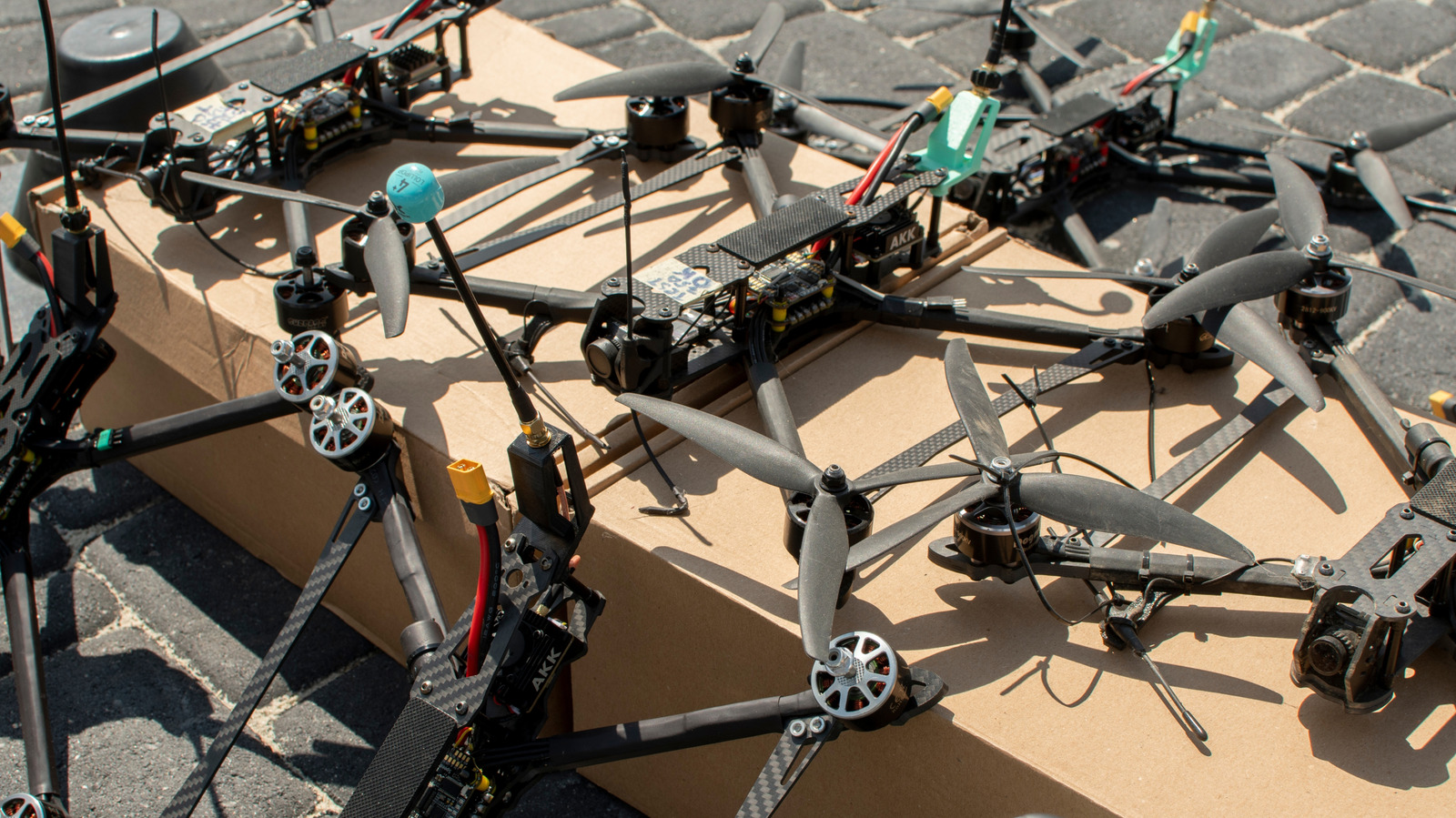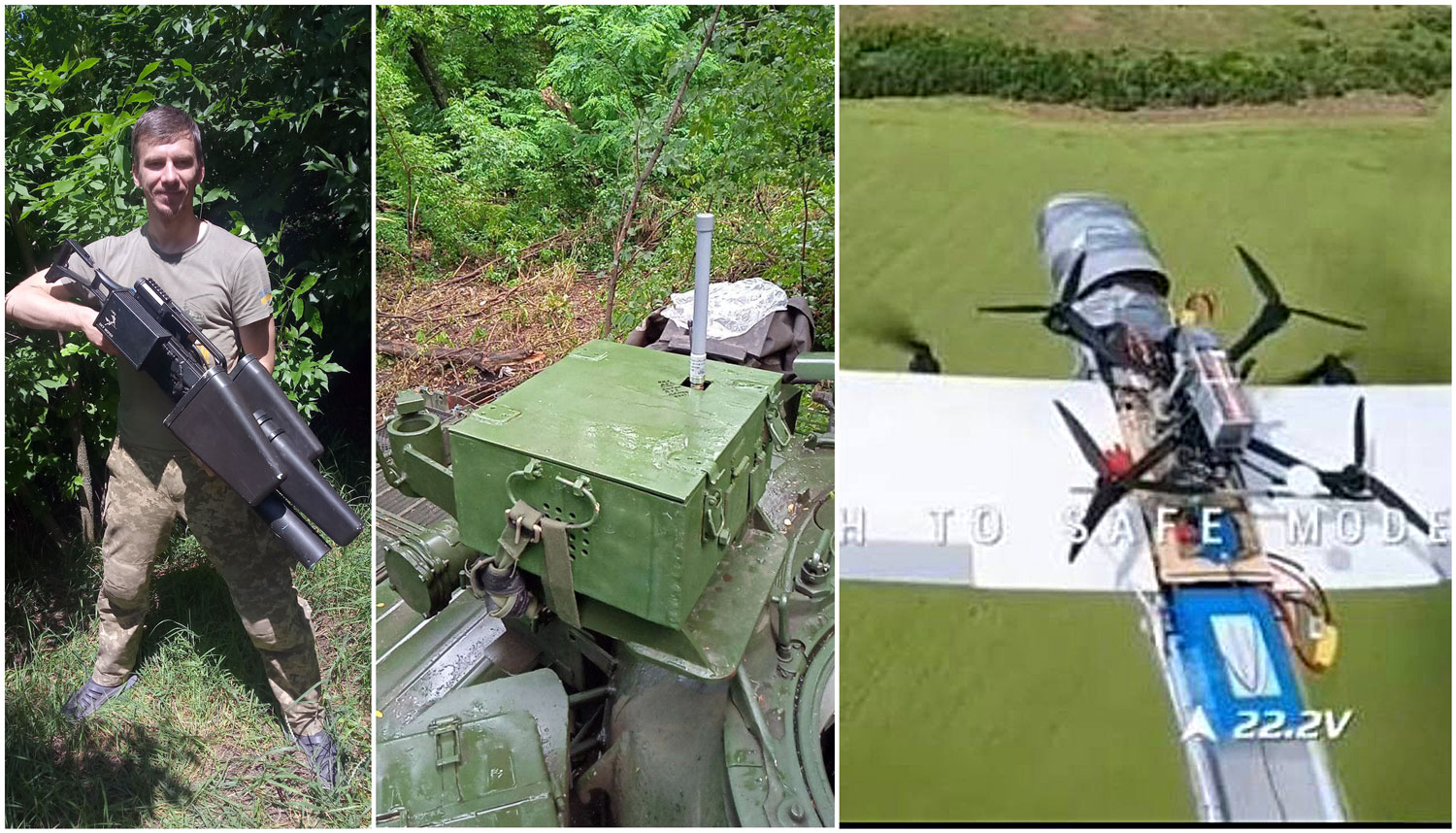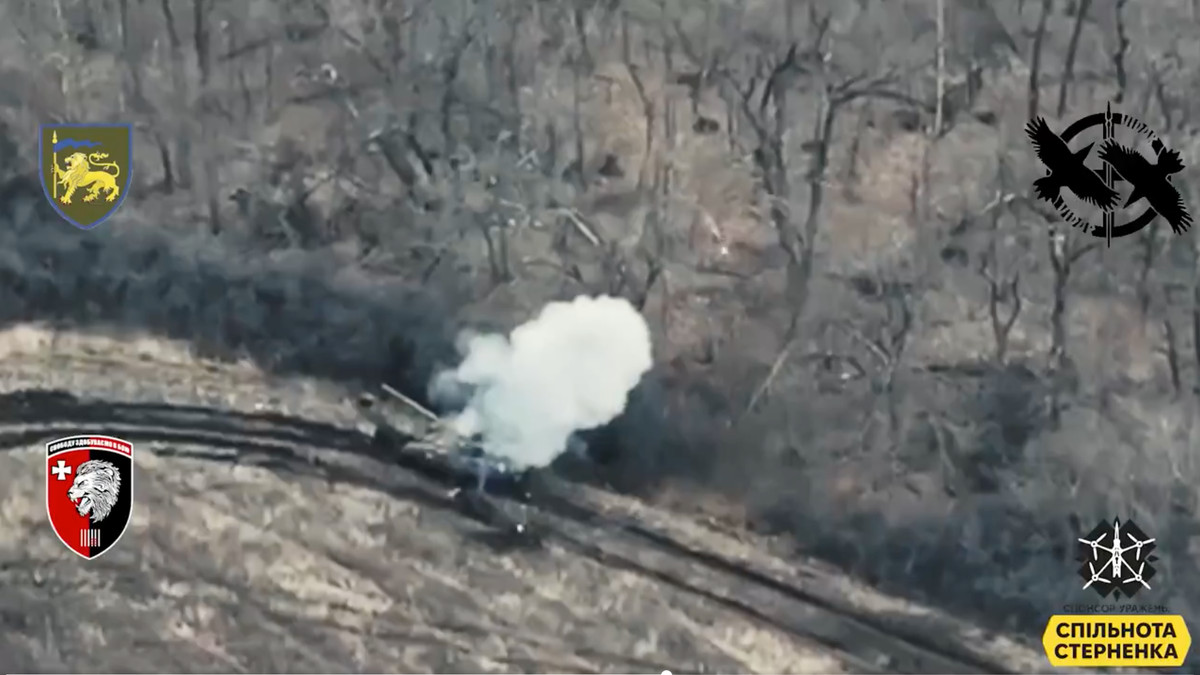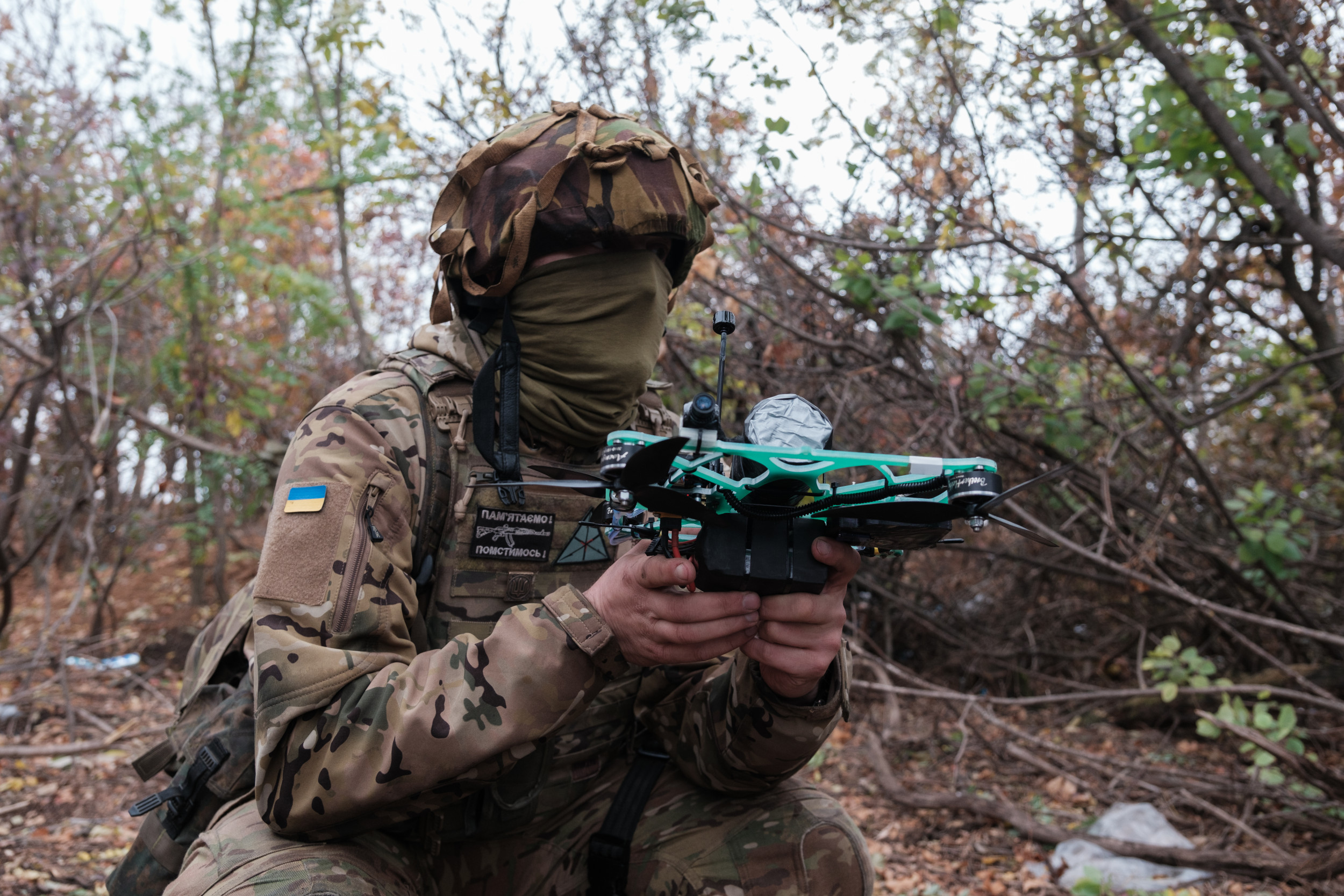
Two young former drone racers, Monroe-Anderson and Hichwa, have built Neros Technologies into a major U.S. defense contractor, securing over $121 million in funding and multiple military contracts for their Chinese-free FPV drones, transforming battlefield tactics and challenging China's dominance in drone manufacturing.
High-tech FPV drones in Ukraine have turned areas up to 20 km from the front line into kill zones, complicating medical evacuations and increasing casualties, as medics struggle to treat and evacuate wounded soldiers amid heightened danger and changing warfare tactics.
Cheap FPV drones, while innovative, face significant limitations such as fragility, susceptibility to electronic warfare, limited range, and weather dependence, making them less effective as a primary airpower asset compared to traditional military equipment like bombers or mortars. Despite some successes, their slow response time and operational constraints suggest they are more suited as supplementary tools rather than replacements for conventional forces, though ongoing technological advances may improve their future role.
Senior Lieutenant Ihor Shutyi describes how Ukraine's electronic warfare systems are struggling to keep up with rapidly evolving Russian and commercial drone technologies, especially fiber-optic FPV drones, which are rendering traditional jamming methods obsolete. The article highlights the shift in drone warfare tactics, the limitations of current EW systems, and the potential future strategies to counter advanced drones, emphasizing the importance of targeting enemy reconnaissance to blind their operations.
Originally Published 6 months ago — by Hacker News
FPV drones are significantly impacting the Ukraine conflict by destroying targets like Russian aircraft and artillery, despite their limitations and vulnerabilities. They are cheap, easy to produce, and effective for reconnaissance and targeted strikes, but their overall strategic value is debated due to countermeasures and terrain challenges. The technology is evolving, and future developments like autonomous and reusable drones could further transform warfare, though current limitations and tactical considerations remain significant.
The Armed Forces of Ukraine have reportedly been testing first-person view (FPV) drones with autonomous targeting capabilities to counter Russian electronic warfare (EW) jamming, with the technology developed jointly by Ukrainian mechanized brigades. The drones were able to hit their targets despite facing active suppression by EW systems, and a fundraising effort is underway to scale up the technology for battlefield deployment. However, concerns have been raised about Moscow's development of similar technologies, posing a potential challenge for Ukraine's defense capabilities.
A Russian soldier recounted an attack from Ukraine's first-person-view (FPV) drones, describing a "flock" led by a repeater drone queen that descended onto Russian positions and started bombing. FPV drones have been used extensively by both Russia and Ukraine in the ongoing war, with Ukraine's military employing a tactic involving a large wing with a repeater broadcasting the signal and a flock of FPV drones descending onto positions. These drones have been hailed as a game-changer on the Ukrainian battlefield, with the Ukrainian minister of digital transformation stating that they are becoming more useful than artillery.
Russian official Dmitry Rogozin has expressed concern over Ukrainian "gamers" using first-person-view (FPV) drones in the ongoing conflict, stating that the drones are becoming a new type of artillery. Ukrainian Minister of Digital Transformation Mykhailo Fedorov highlighted the effectiveness of FPV drones, which have been used to target Russian hardware. The use of FPV drones has become a game-changer on the Ukrainian battlefield, prompting concerns from Russian officials about the need to counter this emerging threat.
Ukraine plans to produce a million FPV (first-person-view) drones, along with over 11,000 medium- and long-range attack drones, next year. These FPV drones have been extensively used by Ukraine for reconnaissance and attacks during the Russian invasion. The production facilities are ready, and contracting for 2024 has begun. President Zelenskiy emphasized the importance of drones in protecting soldiers' lives and stated that logistics will be faster. This move is part of Ukraine's efforts to increase domestic weapons production and reduce reliance on foreign aid. In December alone, Ukraine aims to produce over 50,000 FPV drones.
Russian forces in Ukraine have reportedly started using FPV drones equipped with heat-detecting night vision, posing a new threat to Ukrainian soldiers who previously had a technological advantage at night. Ukrainian military personnel have confirmed the use of these modified drones, which can target troops and infrastructure more effectively in the darkness. The use of night FPV drones presents a serious problem for Ukrainian forces, as they can detect movements and expose previously camouflaged positions. While Ukraine has the capability to produce similar drones, mass production and funding are needed to counter this new threat.
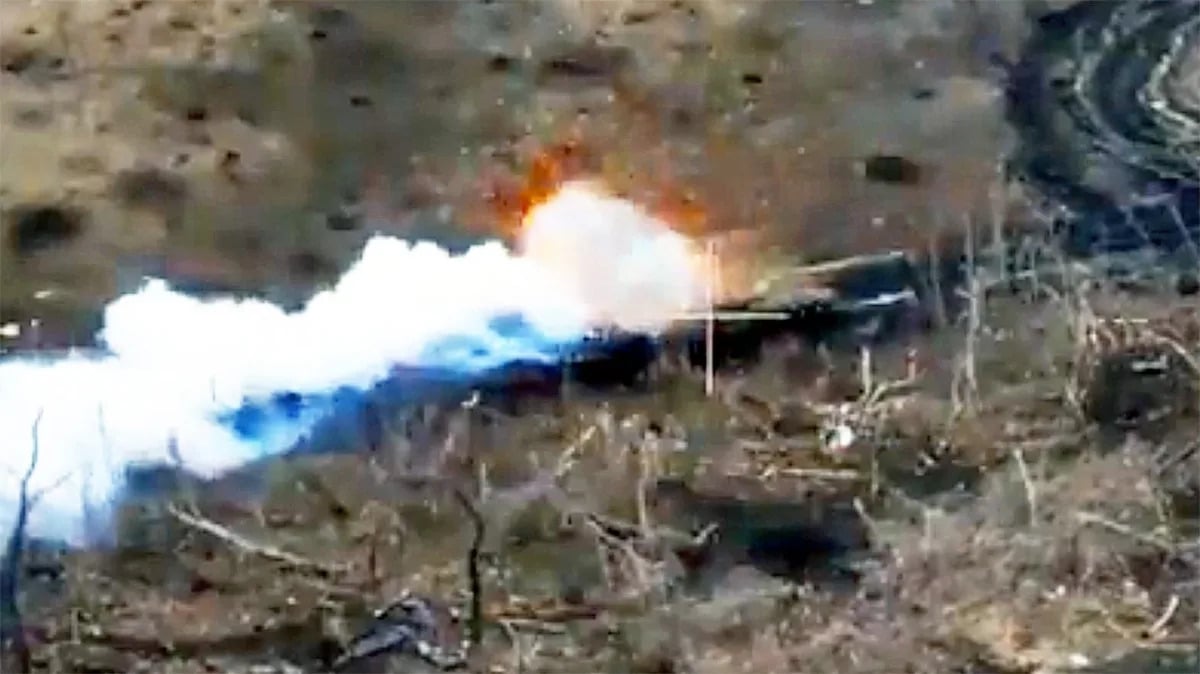
A video has emerged showing a T-80BVM tank in Ukraine evading multiple attacks from explosive-laden First Person View (FPV) drones. The tank, equipped with a "cope cage" roof screen and smoke screen, managed to survive the sustained assault. It remains unclear whether the tank belongs to Russia or Ukraine. Ukraine, which previously held an advantage in FPV drone deployment, is now being outgunned by Russia, which has up to seven times more FPV drones. The incident highlights the increasing importance of low-end drones in modern warfare.
A video has emerged showing a T-80BVM tank in Ukraine evading multiple attacks from explosive-laden First Person View (FPV) drones. The tank, equipped with a "cope cage" roof screen and smoke screen, managed to survive several close encounters with the drones. It remains unclear whether the tank belongs to Russia or Ukraine. Ukraine, which previously held an advantage in deploying FPV drones, is now being outgunned by Russia, which has up to seven times more of these drones. The incident highlights the increasing importance of low-end drones in modern warfare and the challenge of defending against them.
A video released by the Ukrainian Armed Forces' Rubak Wild Division shows the desperate moments of a Russian soldier's attempt to fight off a First Person View (FPV) drone with a stick. The footage highlights the evolving reality of drone warfare, as drones become more personal and pose a direct threat to individual soldiers. The video captures the soldier's futile efforts to escape the drone's pursuit, culminating in a detonation near the soldier. The impact of FPV drones in the Ukraine-Russia conflict is significant, with both sides rapidly increasing their production and deployment of these highly maneuverable and hard-to-defend against precision strike capabilities.
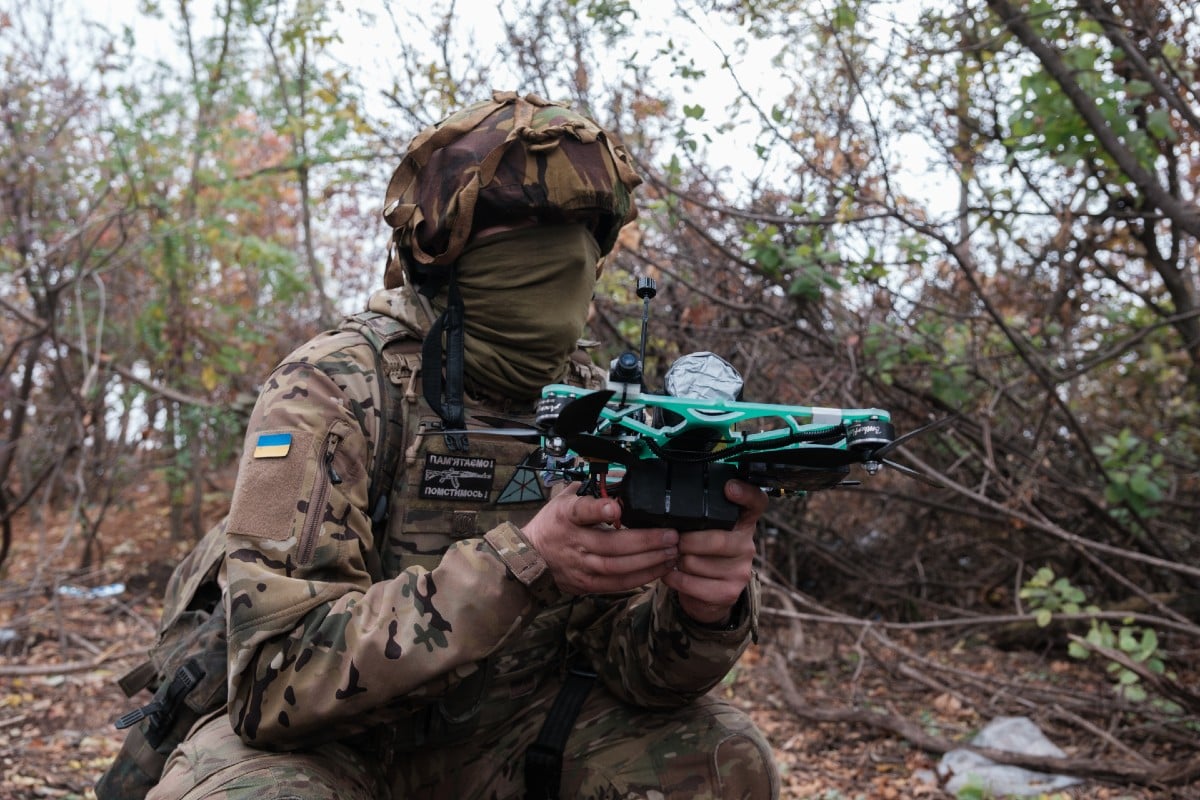
In Ukraine, first-person view (FPV) drones have become the predominant attack drones in the ongoing conflict with Russia, filling the gap left by a shortage of Western artillery rounds and precision weapons. These DIY drones, assembled by volunteers or units themselves, are fast, highly maneuverable, and relatively cheap, making them the preferred tool for destroying tanks with rapier precision. FPV drones have revolutionized warfare by placing precision-guided capacity in the hands of regular people for a fraction of the cost of the destroyed target. The conflict in Ukraine has become the world's first full-scale drone conflict, with FPV drones bringing the fight to a new level.
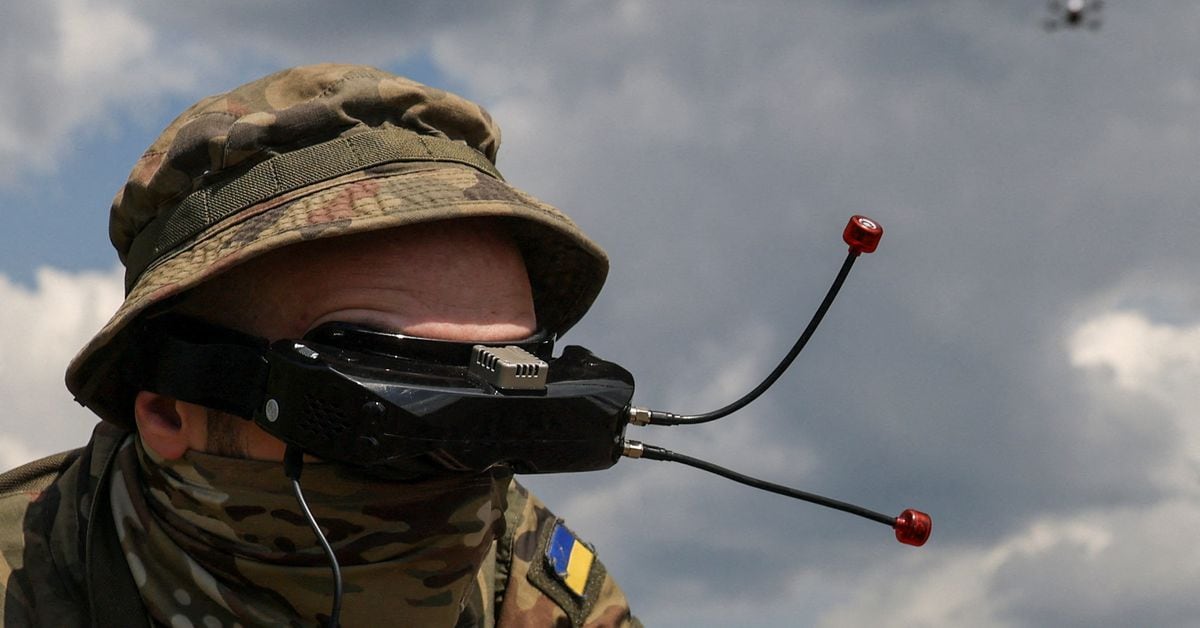
Ukrainian soldiers in the Russia-Ukraine war are utilizing tiny, inexpensive "first-person view" (FPV) drones, controlled by pilots wearing virtual reality headsets, to carry out targeted attacks on the battlefield. These drones, constantly flying fast and looking forward, are difficult for enemy troops to intercept using electronic warfare systems. The soldiers must constantly find new positions and targets, making the FPV drones a crucial tool in the ongoing conflict.