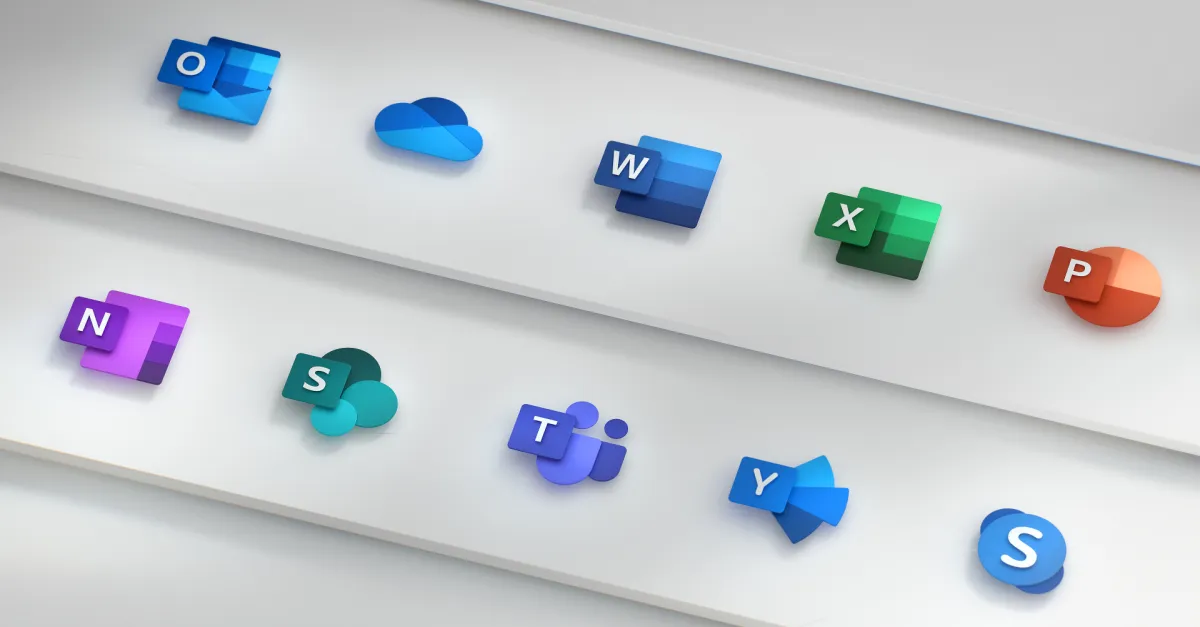
Microsoft has not rebranded Office to Microsoft 365 Copilot; instead, the Microsoft 365 Copilot app, formerly known as Office, is a hub app that provides access to Copilot and Office apps. The confusion arises from Microsoft's branding changes over the years, but the core Office suite remains under the Microsoft 365 subscription plan.
Microsoft is deploying Baseline Security Mode across Microsoft 365 tenants to centralize security policies for Office, SharePoint, Exchange, Teams, and Entra, helping administrators assess vulnerabilities, enforce policies, and improve security posture with minimal disruption, with full rollout expected by late January 2026.
A staffer in GOP Rep. Taylor's office displayed a swastika flag, which was taken down after being discovered; Taylor condemned the act and called for an investigation, but the origin and awareness of the flag remain unclear.
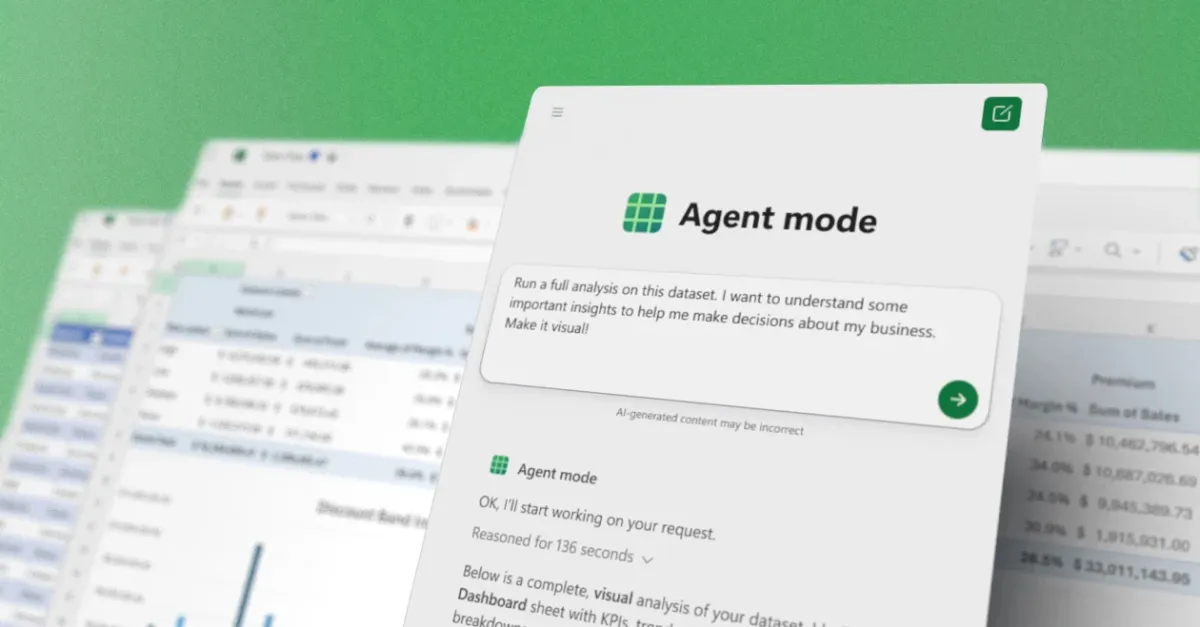
Microsoft has integrated AI-powered Agent Mode into Word and Excel, enabling users to create and refine professional documents and spreadsheets through natural language prompts, simplifying complex tasks and enhancing productivity. This feature is available to Microsoft 365 Copilot licensed users and will expand to PowerPoint and desktop versions soon.
Microsoft is introducing 'vibe working' features in Excel and Word through new Agent Mode and Office Agent in Copilot chat, powered by Anthropic models and GPT-5, to automate complex document and spreadsheet creation with prompts, enhancing productivity and accessibility in Office apps.
Starbucks has built a luxury satellite office in Newport Beach, California, near CEO Brian Niccol's home, as part of his compensation package, to enhance his productivity and support other employees, with the office featuring high-end finishes and scenic views.
Microsoft is globally unbundling Teams from the Office apps, following a similar move in the EU, in response to regulatory pressure and complaints from competitors like Slack and Zoom. New commercial customers can now purchase Teams and Office apps separately, with separate price tags, while existing Microsoft 365 customers can continue to subscribe to both together. The move aims to address concerns about market dominance and competition, with Microsoft offering a range of pricing options for different subscription tiers.
Microsoft has announced that it will sell Teams separately from its Office suite globally, following pressure from European regulators. The decision comes after an antitrust complaint from Slack and a formal investigation by European regulators into Microsoft's bundling of Teams with Office 365 and Microsoft 365. The move aims to address concerns about competition and market position, allowing customers more flexibility in their purchasing choices. Starting April 1, customers will have the option to choose between bundled or separate subscriptions for Teams and Office products.
Microsoft will begin selling its Teams chat and video app separately from its Office product globally, following a six-month period of unbundling the two products in Europe to address potential EU antitrust concerns. The move comes in response to an investigation initiated by the European Commission after a complaint by competing workspace messaging app Slack. Microsoft's decision to unbundle the products aims to provide multinational companies with more flexibility in their purchasing decisions and to address feedback from the European Commission. The company will introduce new commercial Microsoft 365 and Office 365 suites that do not include Teams in regions outside the European Economic Area and Switzerland, as well as a standalone Teams offering for Enterprise customers in those regions.
Google's newly designed Bay View campus is facing major Wi-Fi connectivity issues, with the unique roof structure being blamed for swallowing Wi-Fi signals "like the Bermuda Triangle." Employees are resorting to using Ethernet cables and phone hotspots, while the company works on fixing the problem. This comes as Google promotes a "return to office" plan, creating an awkward situation for employees.
A study by economists at Stanford and Gusto found that remote workers are living increasingly further from their company offices, with the average distance between homes and offices increasing to 27 miles in 2023. The trend is driven by higher-earning employees, and millennial workers are living the furthest from their employers. Despite some companies requiring a return to the office, the trend of living further from company offices remains consistent, leading to longer commutes and potential job searches for those required to return to the office.
Google's new Bay View office, touted as a technologically advanced space, has been plagued with inoperable Wi-Fi for months, forcing employees to resort to using ethernet cables. The Wi-Fi issues come as Google mandates employees to return to the office, upsetting those with better internet connections at home. The office, home to many AI engineers, is working on fixing the Wi-Fi, with some engineers receiving new laptops with more powerful Wi-Fi chips. The company acknowledges the issue and expects a fix in a few weeks, but the problem highlights the irony of a leading internet company struggling with office connectivity.
A four-in-one Microsoft bundle including Windows 11 Pro, Office, Visio, and Project is currently on sale for $99.99, down from $928. This bundle offers the latest PC operating system, a seven-app Microsoft Office suite, Microsoft Visio for diagramming, and Microsoft Project for project management.
IBM is requiring US-based managers to work in the office or leave their roles, with executives and managers expected to be in-person at least three days a week and remote workers living more than 50 miles from an office given until August to relocate closer. The company's shift away from remote work has been increasing, and badge-in data will be used to track office attendance. Other companies like UPS, Amazon, and Meta are also implementing stricter office work policies, despite a trend towards hybrid work arrangements.
IBM is requiring its US managers to work from an office or client location at least three days a week, with employees needing to live within 50 miles of an IBM office or client location. Those unable to comply or secure a remote position must "separate from IBM." This marks a shift from CEO Arvind Krishna's previous stance on remote work, where he stated that employees wouldn't be forced to return to the office, but suggested that remote workers may face challenges in career advancement.