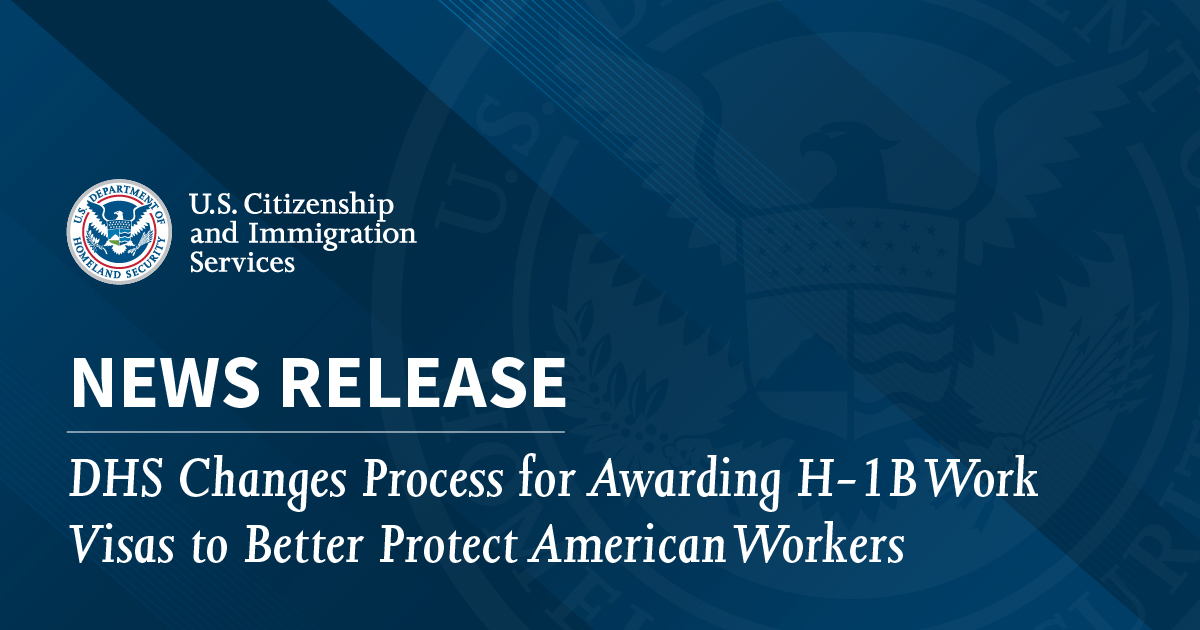
The Department of Homeland Security is changing the H-1B visa selection process from a random lottery to a weighted system that favors higher-skilled and higher-paid foreign workers to better protect American workers' wages and job opportunities, effective February 27, 2026.
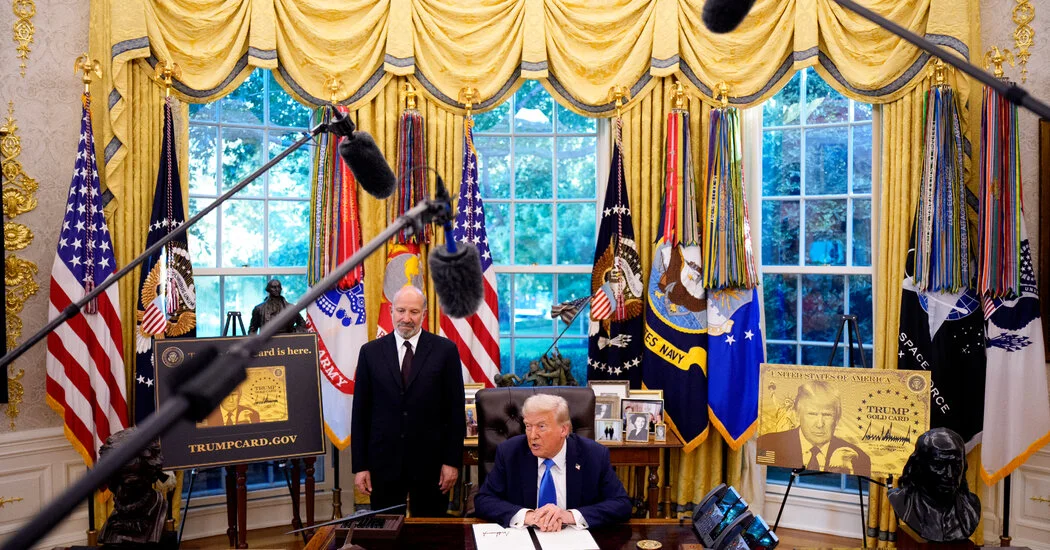
The Trump administration has implemented new rules regarding H-1B visas, causing upheaval among companies and impacting geopolitical relations, with officials indicating that changes were necessary to address policy concerns.
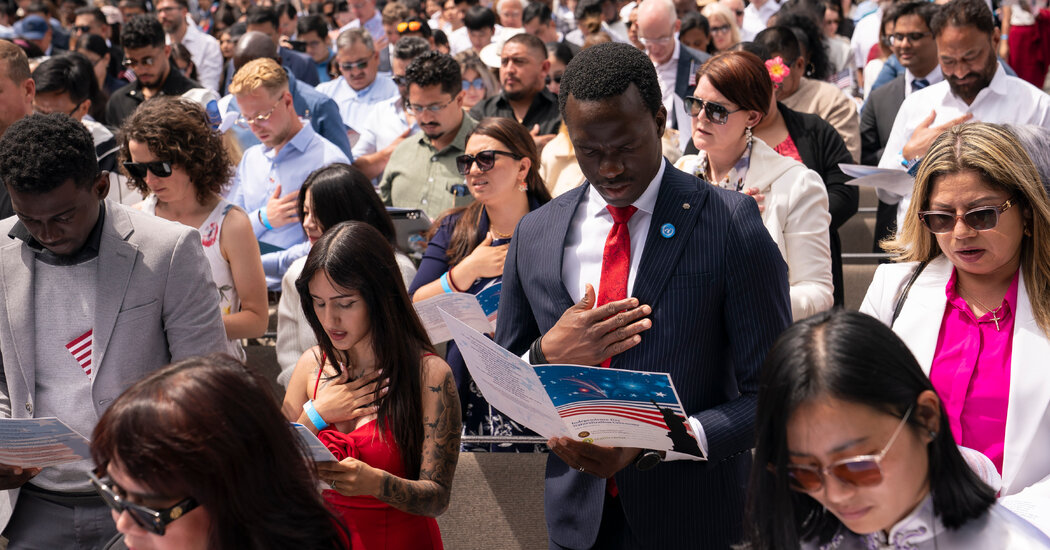
The Trump administration plans to revise the H-1B visa program to favor higher wages and to modify the U.S. citizenship test to make it more challenging, reflecting a broader effort to tighten immigration policies and prioritize economic interests.
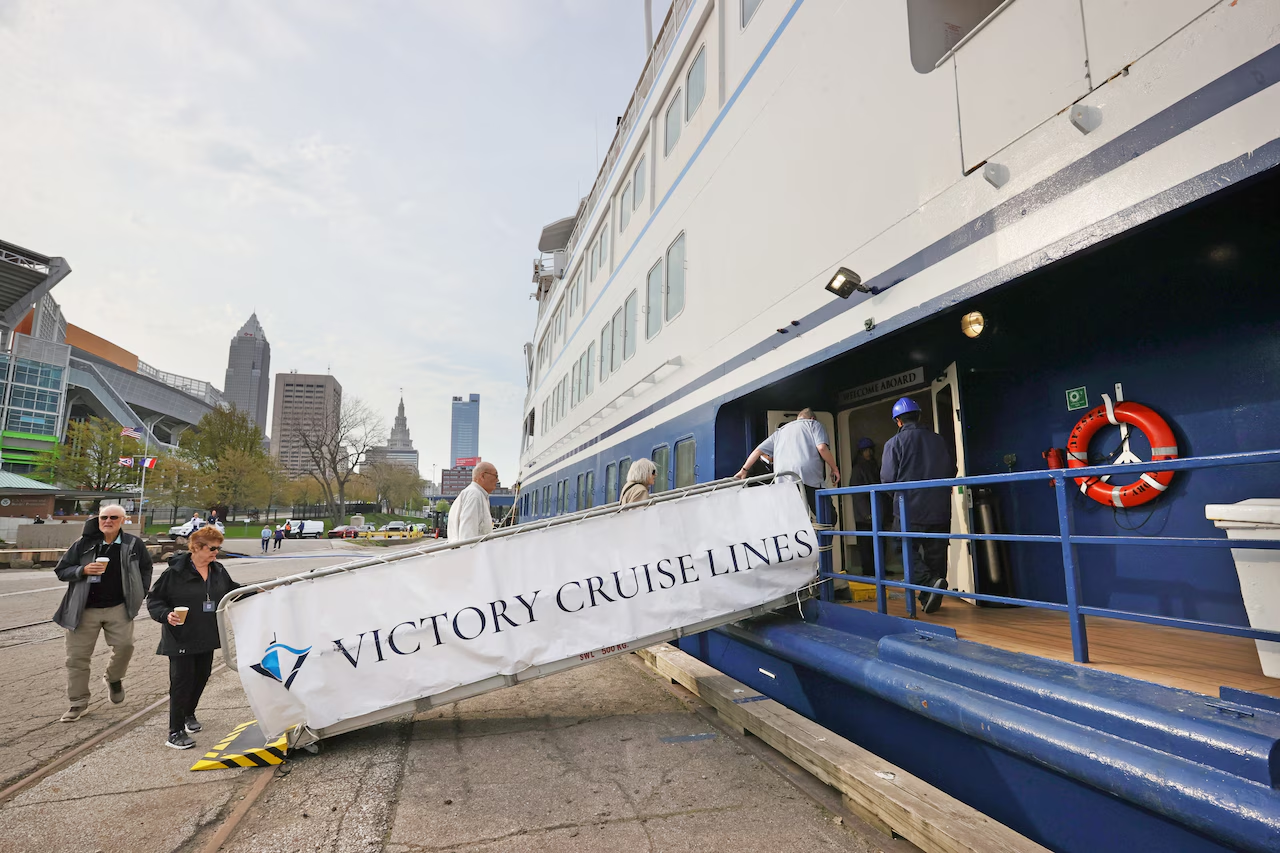
U.S. Customs and Border Patrol removed 13 crew members with valid work visas from cruise ships docked in Detroit as part of an ongoing operation on the Great Lakes, with authorities not disclosing further details.
The article discusses the shifting political landscape of U.S. immigration policy under President Trump, highlighting public opinion favoring a more lenient approach, the challenges Trump faces with his base, and recent policy adjustments such as easing restrictions on temporary work visas to accommodate business interests amid ongoing deportations.
The demand for foreign-born labor in the US is expected to rise significantly, with work visa applications projected to exceed 7 million by 2030. States like California, Texas, New York, and Florida will see the highest demand due to their large immigrant populations and strong job markets. Immigrants are crucial in sectors like STEM, manufacturing, and retail, contributing to economic growth and innovation. The upcoming 2024 election may impact immigration policies, with contrasting approaches from candidates potentially affecting the labor market and economic output.