A new study published in Briefings in Bioinformatics reveals a significant link between depression and menstrual pain, suggesting that depression may cause dysmenorrhea rather than being a consequence of it. The research highlights genetic pathways that allow depression to impact menstruation, with findings indicating that women with depression are 51% more likely to experience menstrual pain. The study underscores the importance of mental health in managing female reproductive symptoms and calls for further research to understand the genetic and molecular connections between these conditions.
Recent trends in the U.S. show that young and middle-aged women are being diagnosed with lung cancer at higher rates than men, despite many of these women having never smoked. This rise is partly attributed to genetic mutations, such as those affecting the EGFR gene, which are more prevalent in women and certain ethnic groups. The late Susan Wojcicki, former CEO of YouTube, highlighted the need for more research and resources for lung cancer, especially for women and nonsmokers. Current screening guidelines primarily target smokers, leaving a gap in early detection for nonsmokers.
A third woman has died in Texas due to complications from a miscarriage, highlighting the impact of the state's strict abortion laws on medical care. Porsha Ngumezi, who was 11 weeks pregnant, died after doctors opted for misoprostol instead of a dilation and curettage (D&C), a standard procedure for such cases, due to legal fears. Her death, deemed preventable by medical experts, underscores how abortion bans are pressuring doctors to avoid standard treatments, increasing risks for patients. The case has sparked criticism of the laws for endangering women's health.
Sara Reardon, known as "The Vagina Whisperer," is a New Orleans-based pelvic floor therapist who has gained a large following on social media by providing advice and support for women's pelvic health issues. Her work focuses on helping women with conditions like pelvic floor dysfunction, which can occur after childbirth or menopause. Reardon has transitioned from in-person therapy to a virtual platform, offering resources and support through her "V-Hive" video library and upcoming book, "Floored." Her efforts highlight the importance of education and access to pelvic health care for women.
In response to concerns over potential restrictions on reproductive rights under a second Trump presidency, American women are increasingly seeking emergency contraception, abortion pills, and long-term birth control methods like IUDs and sterilization. Organizations like Aid Access and Wisp have reported significant surges in requests for abortion medication and emergency contraception following Trump's reelection. Despite Trump's moderate campaign stance on abortion, fears persist about possible legislative and judicial actions that could limit access to reproductive healthcare.
Vitamin B12 deficiency in women can lead to serious health issues, including fatigue, mental health decline, decreased bone density, menstrual irregularities, and increased cardiovascular risk. It is crucial for energy production, nerve health, and hormonal balance. Low B12 levels can also contribute to premature aging and skin issues. Monitoring and maintaining adequate B12 levels is essential for women's overall health and well-being.
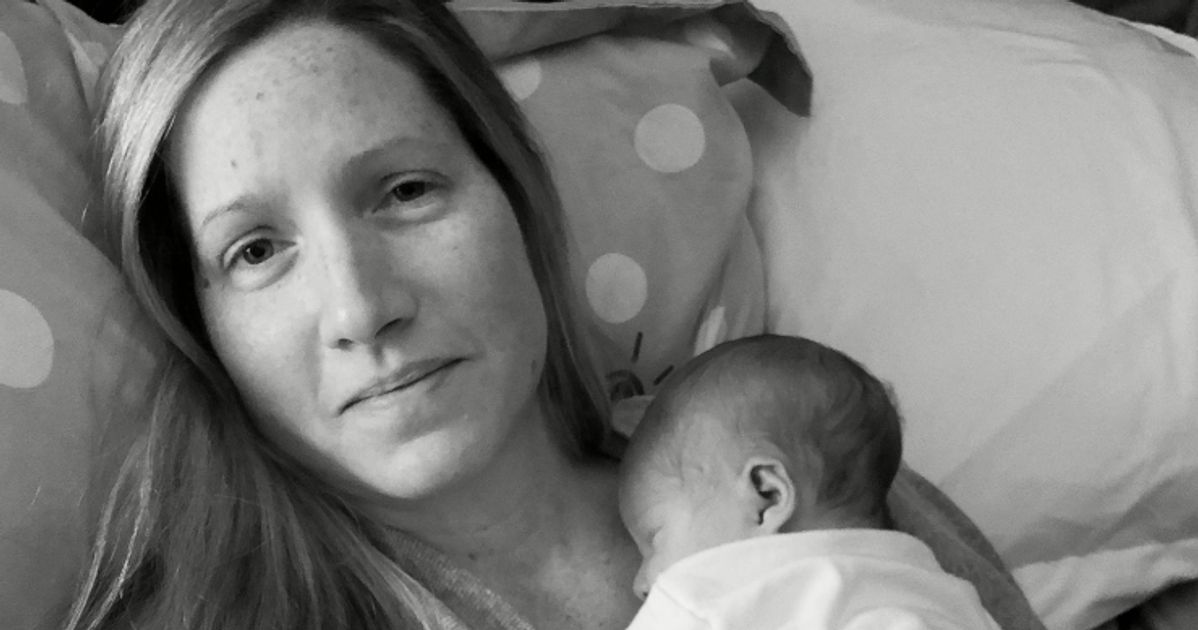
A woman shares her harrowing experiences with postpartum hemorrhage (PPH) during both of her childbirths, emphasizing the importance of advocating for oneself and being informed about potential complications. Despite reassurances from her medical team, she faced life-threatening situations due to retained placental tissue and had to undergo emergency procedures. Her story highlights the need for better awareness and management of PPH, which is a leading cause of maternal death globally. She urges other women to trust their instincts, communicate concerns to their doctors, and ensure they receive proper care, potentially saving their own lives.
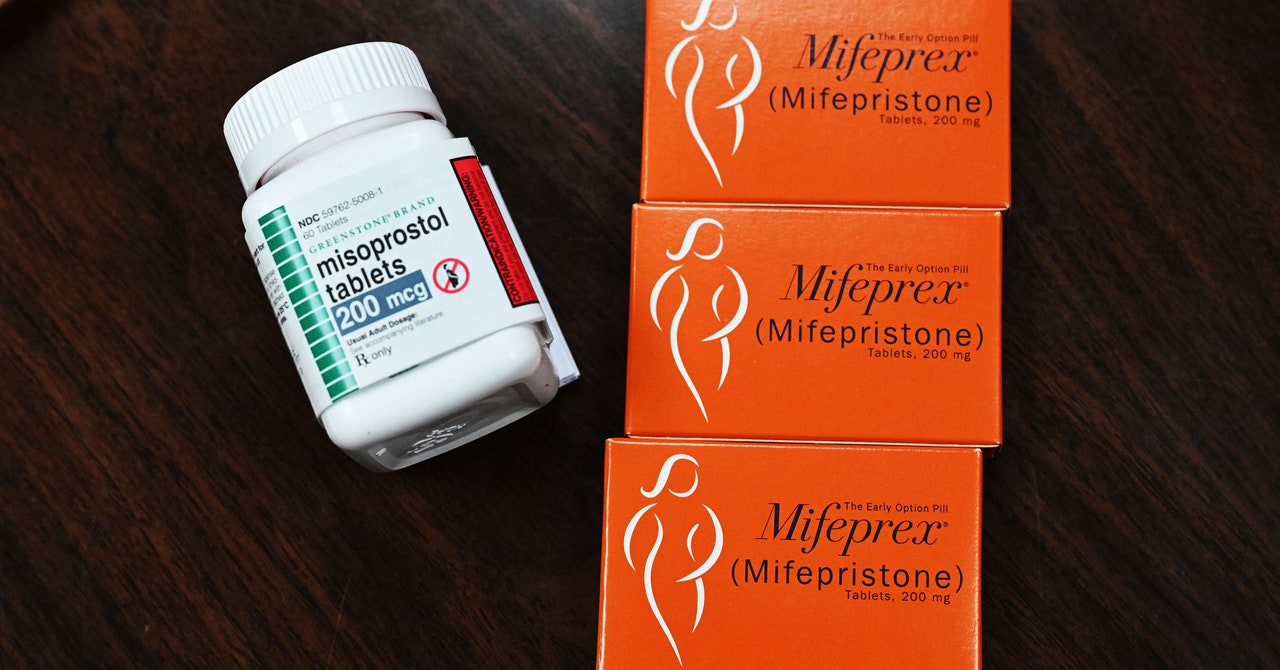
'Missed period pills' are a form of menstrual regulation using the same FDA-approved medications for abortion, mifepristone and misoprostol, to induce menstruation after a missed period without the need for a pregnancy test or ultrasound. Advocates see this as a potential way to manage fertility and reduce unsafe abortions, especially in areas where abortion is heavily restricted or stigmatized. The pills can be obtained through various providers, and while they exist in a legal gray area, there are protections in place in some states for their use. Costs range from $150 to $250, with more affordable options being explored.
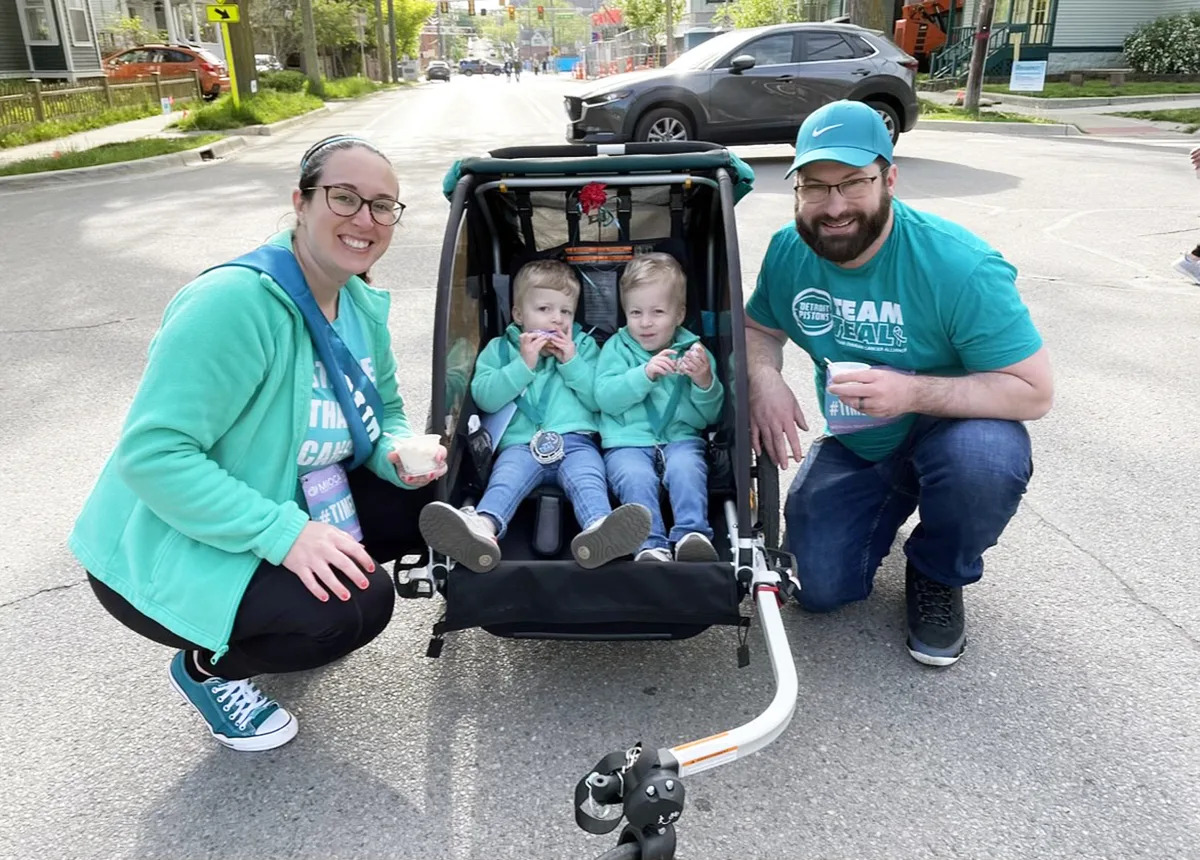
Melissa Bradley, a 32-year-old mother from Michigan, was diagnosed with stage 2 ovarian cancer at 28 after experiencing painful sex and lengthy periods. She underwent fertility-sparing surgery and six rounds of chemotherapy before undergoing IVF and giving birth to twin boys. Bradley is now pregnant again, this time with a girl. Ovarian cancer is the second most common gynecological cancer and is often diagnosed in advanced stages, making awareness and advocacy for care important. Symptoms can include bloating, change in bowel habits, and back pain.