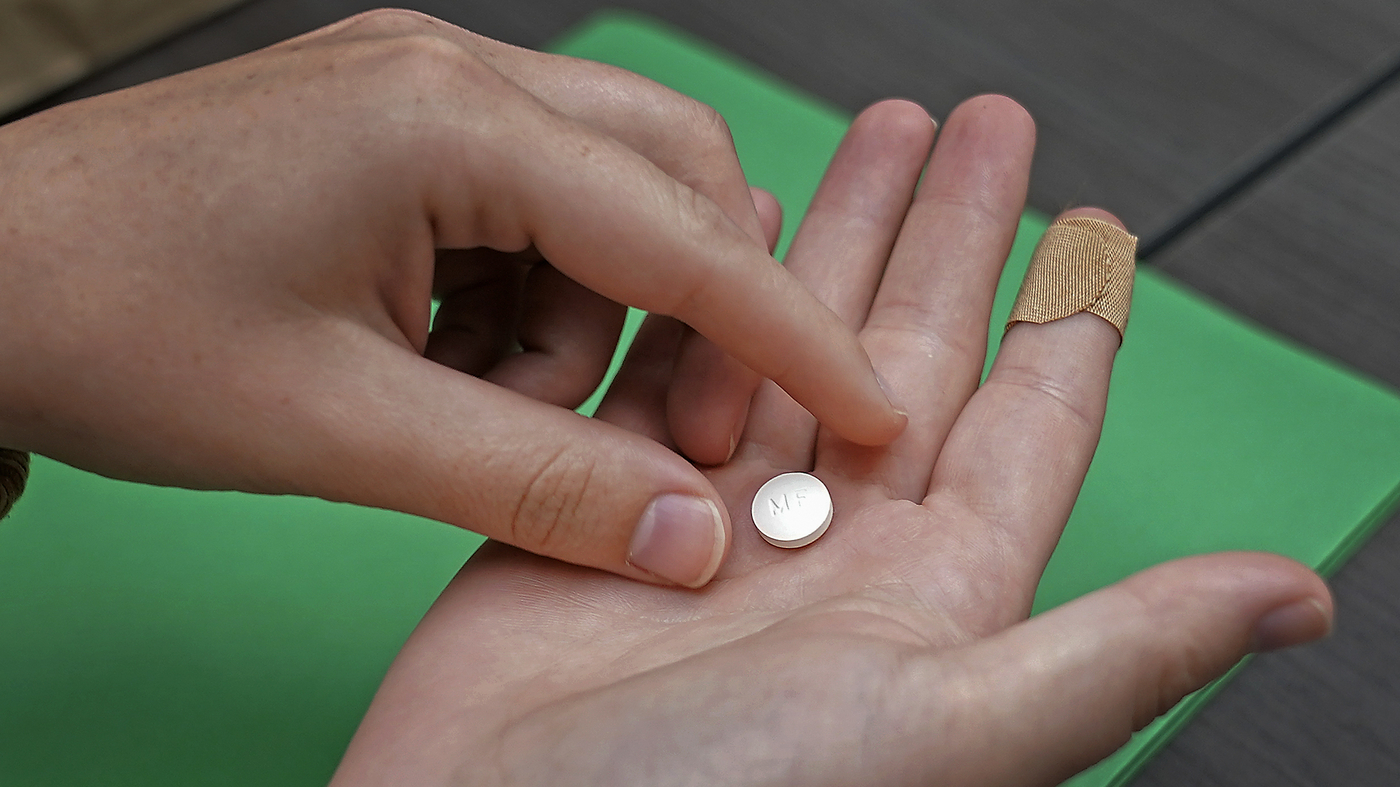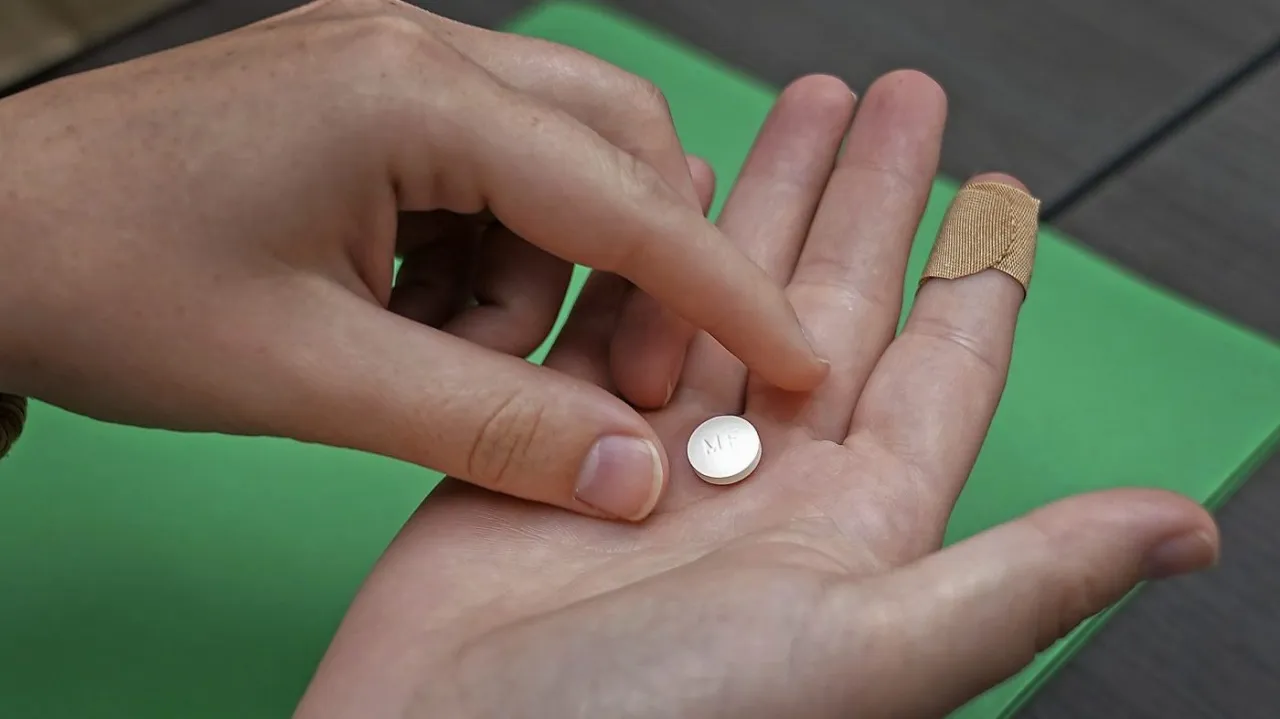
In response to concerns over potential restrictions on reproductive rights under a second Trump presidency, American women are increasingly seeking emergency contraception, abortion pills, and long-term birth control methods like IUDs and sterilization. Organizations like Aid Access and Wisp have reported significant surges in requests for abortion medication and emergency contraception following Trump's reelection. Despite Trump's moderate campaign stance on abortion, fears persist about possible legislative and judicial actions that could limit access to reproductive healthcare.

New Yorkers have voted to pass an Equal Rights Amendment that includes provisions related to abortion access, marking a significant legislative step in protecting reproductive rights within the state.
An analysis by Abigail Aiken of the University of Texas at Austin indicates a surge in requests for abortion pills for future use, known as advance provision, through Aid Access, particularly during periods when abortion rights are perceived to be under threat, such as after the leak of the draft Supreme Court decision in Dobbs v. Jackson Women's Health Organization. The American College of Obstetricians and Gynecologists (ACOG) acknowledges mifepristone's safety and effectiveness, while noting regulatory barriers to prescribing it in advance. Aid Access, despite these barriers, provides the medication with guidance, and the analysis shows that those seeking advance provision are typically older, more likely to be white, and from lower-poverty areas, suggesting financial and accessibility barriers for others.