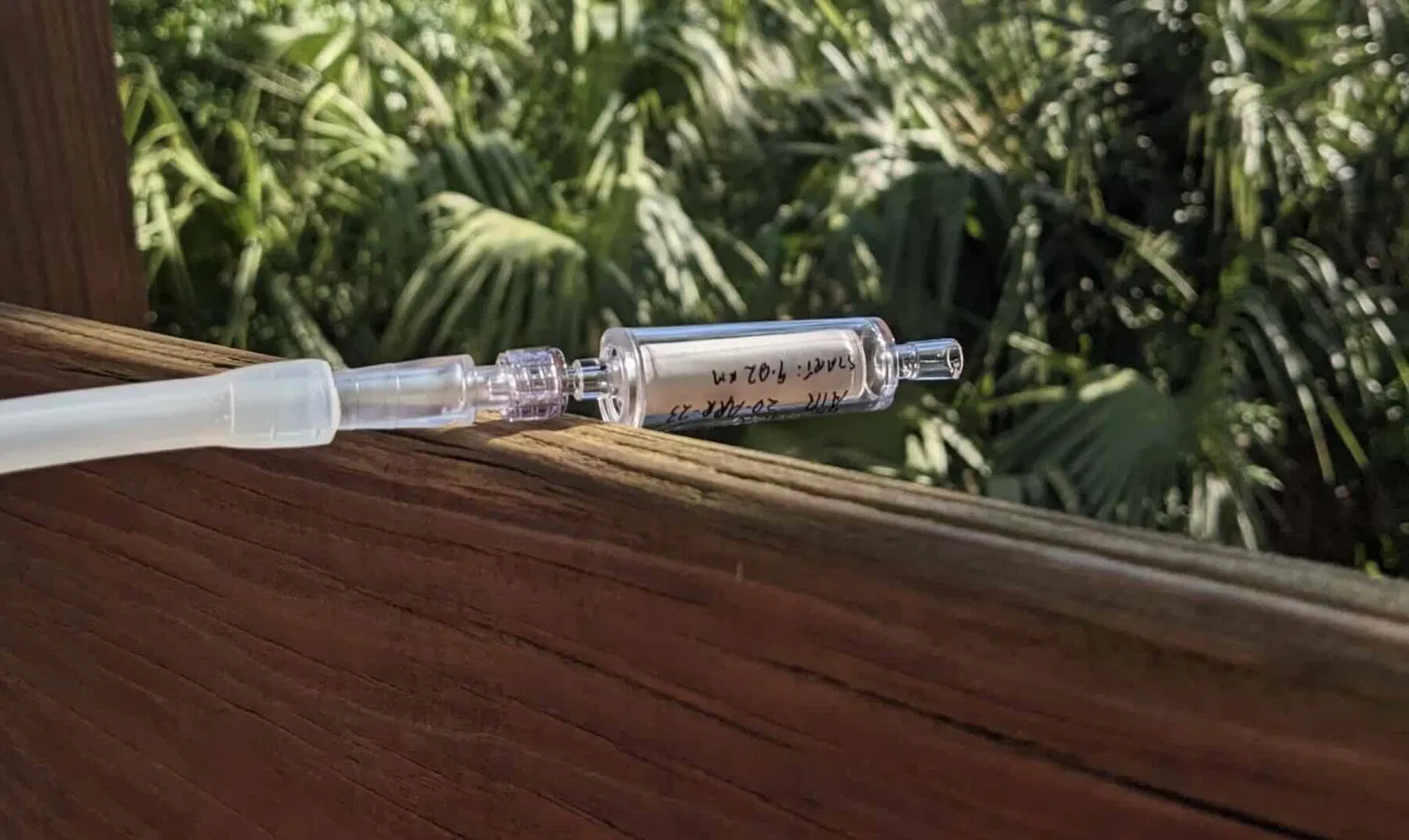
Researchers have developed a groundbreaking method to track wildlife, pathogens, and substances by capturing environmental DNA from the air using a simple vacuum, enabling rapid, non-invasive environmental and health monitoring across various environments.
A study at Belo Horizonte Zoo in Brazil found that 19.1% of tested animals were positive for SARS-CoV-2, likely contracted from humans. Researchers identified Alpha and Omicron variants in animals like wolves, deer, and gorillas, suggesting human-to-animal transmission. The findings highlight the need for continuous monitoring and genomic surveillance of SARS-CoV-2 in wildlife to understand transmission dynamics and prevent future zoonotic outbreaks.
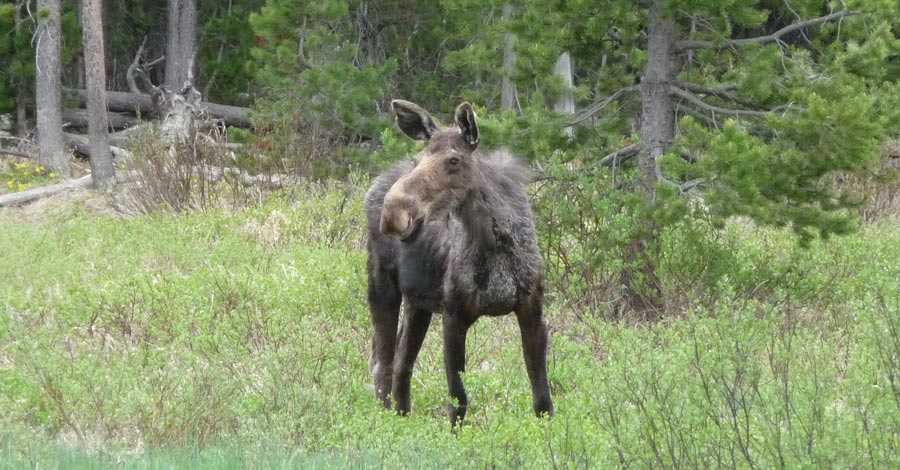
The Idaho Department of Fish and Game suspects Adenovirus Hemorrhagic Disease (AHD) as the cause of recent moose mortalities in the Upper Snake Region, with 16 moose calves, 1 adult moose, and 3 mule deer showing symptoms. AHD, which can infect various deer species, causes internal bleeding and external symptoms such as diarrhea and seizures, with high mortality rates in fawns and calves. There is no treatment for AHD, but IDFG is working to assess the outbreak's extent and remove infected carcasses to prevent further spread, urging the public to report any sick or deceased deer, elk, or moose to aid monitoring efforts.
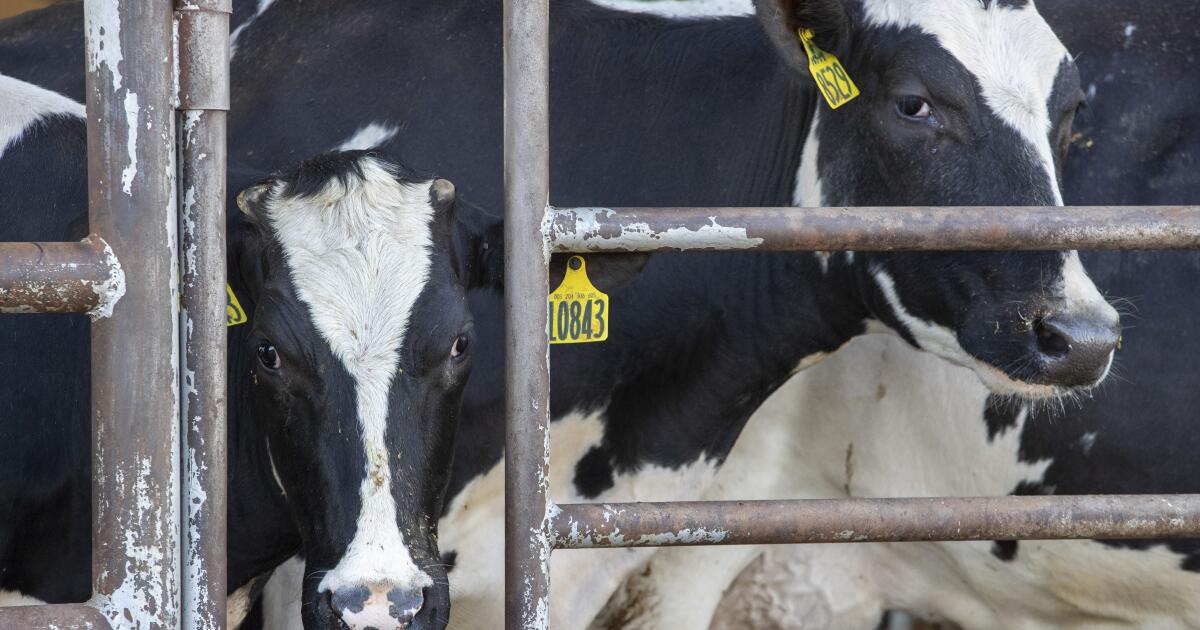
California dairy farmers are on high alert as avian influenza, a strain that has devastated bird populations and shown the ability to jump to mammals, has infected herds in several states, including Texas, New Mexico, and North Carolina. Officials have imposed restrictions on cattle imports from affected states, while the U.S. Department of Agriculture urges minimizing cattle movement. The virus has killed hundreds of millions of farmed poultry and infected over 48 species of mammals, including humans, and has now infected U.S. dairy cows, raising concerns about potential human exposure and virus adaptation. The unexpected cattle outbreaks have prompted calls for a more integrated approach to monitoring and managing the disease, as well as heightened surveillance and concern for potential recombination in mammalian hosts.
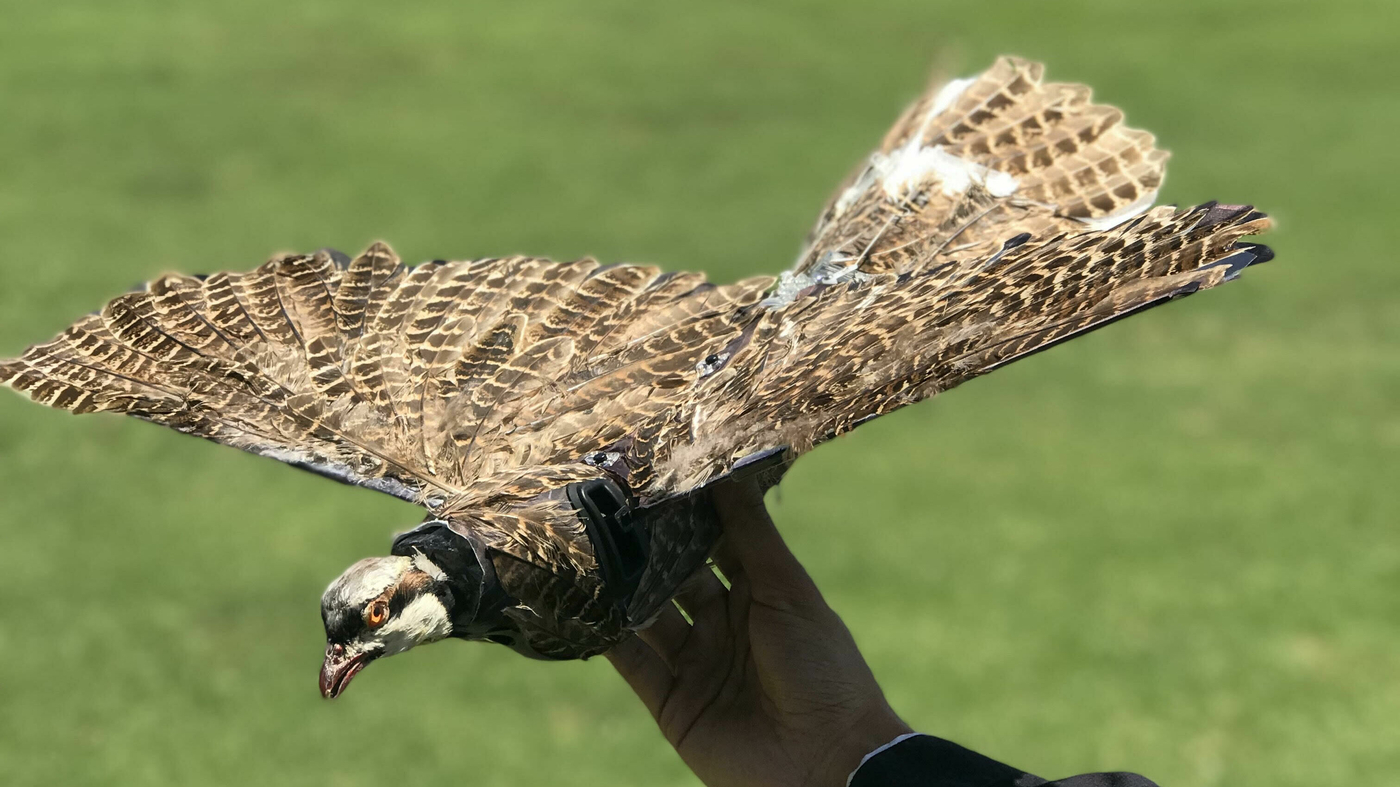
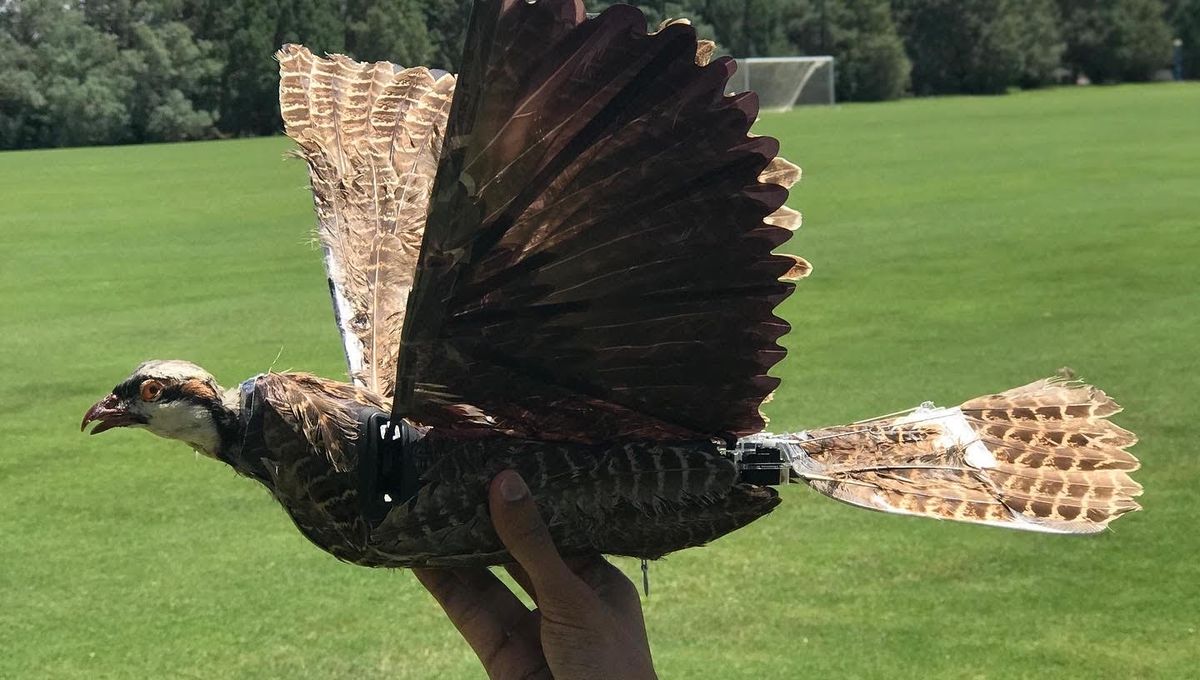
What started as a satirical conspiracy theory about bird drones is now becoming a reality as engineers are trying to reverse engineer bird flight to create more efficient bird-like drones. By studying the efficiency and flexibility of birds' flight, researchers hope to improve drone technology. Some engineers have even outfitted taxidermied birds with drone components to better understand bird flight. Lessons from birds include wing structure, coloration, and flexibility, all of which could lead to more efficient and resilient drones. While the idea of bird drones raises concerns about surveillance, researchers are primarily focused on wildlife monitoring and creating vehicles that can do good things.
Scientists at New Mexico Tech have been using material from dead birds to create energy-efficient, naturalistic drones. The goal is to develop drones that can blend in with flocks of birds and monitor their flight and behavior without causing harm. These taxidermy bird drones could also be used to guide other birds away from airports to prevent bird strikes. The researchers are also exploring the use of flapping models and bioinspired technology for urban applications and planetary exploration. The materials used for the drones are obtained from online sources and local taxidermy teams, without harming any live birds.