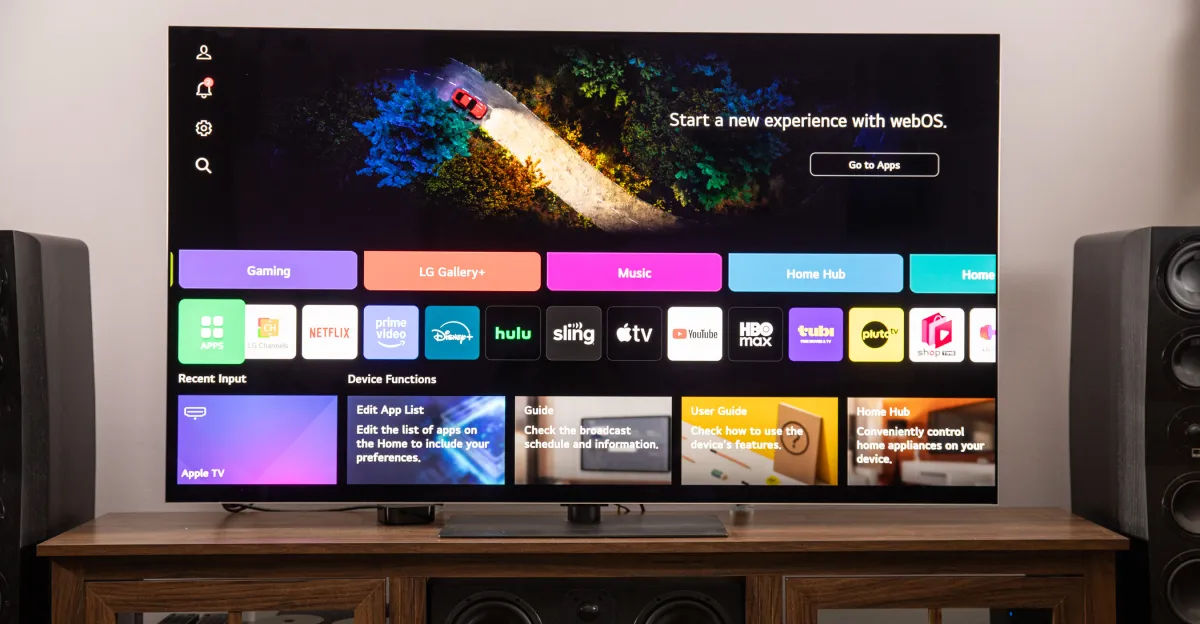
LG to allow deletion of unremovable Microsoft Copilot app on TVs
LG pre-installed a Copilot web app on its TVs but allows users to delete it, highlighting issues of pre-installed software and user choice in modern smart devices.

All articles tagged with #web app
LG pre-installed a Copilot web app on its TVs but allows users to delete it, highlighting issues of pre-installed software and user choice in modern smart devices.

The article discusses the likelihood of Democrats losing the redistricting battle, highlighting a web app called Dave’s Redistricting that allows users to create and manipulate electoral districts, reflecting the intense partisan nature of current American politics.
Google is rolling out a redesign for the Gemini web app homepage, featuring a new prompt bar placement, a 'Tools' dropdown menu, and a cleaner interface, with limited availability starting today.
Google Podcasts has officially shut down its web app, with the service ceasing to function on April 4. The web app, which continued to operate for an additional day, now displays a full-page message indicating the shutdown. Users can access a settings page to transfer subscriptions to YouTube Music or download an OPML file for use in other podcast apps, with this functionality available until July 30, 2024.
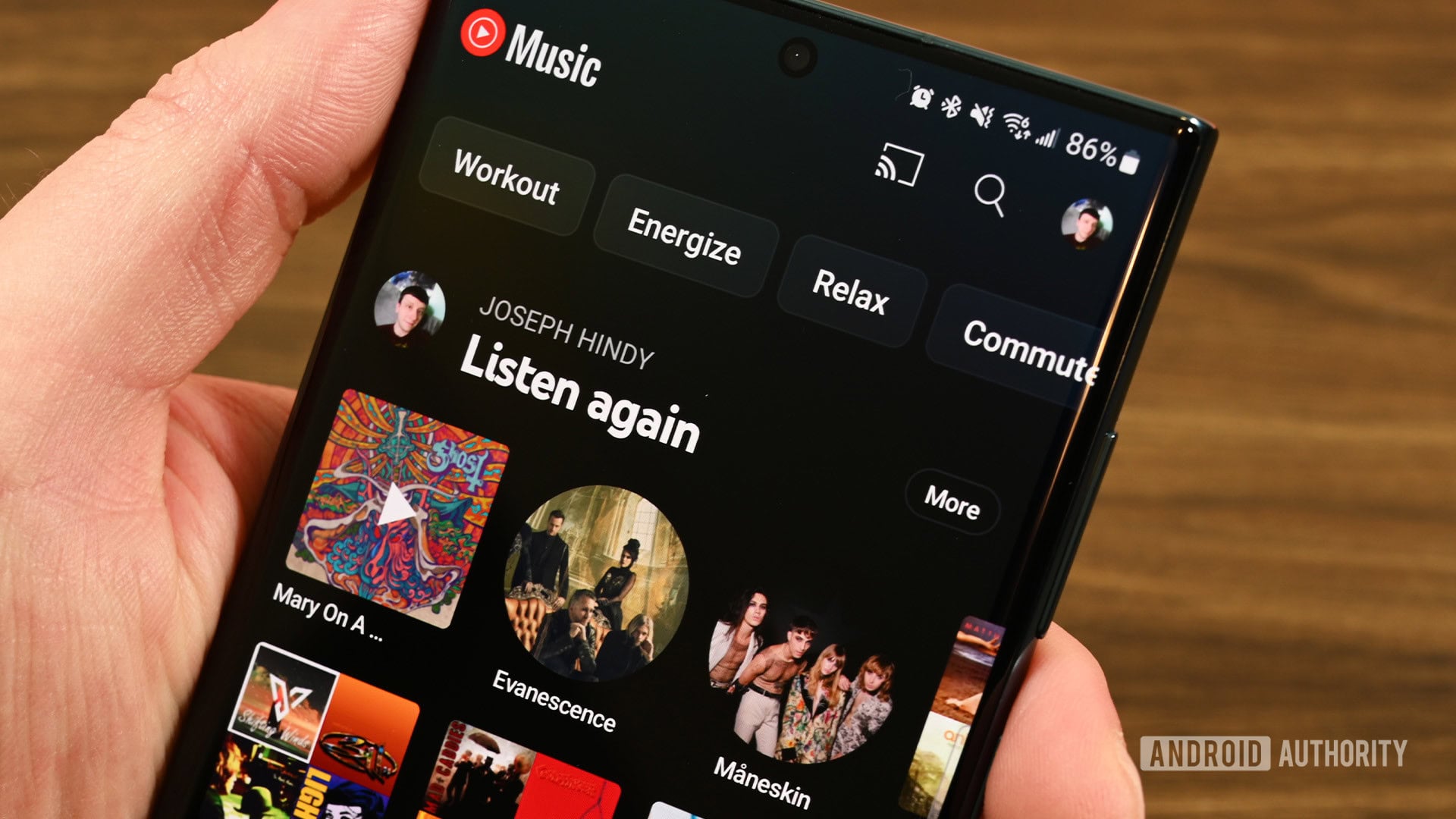
YouTube Music has introduced offline downloads for its web app, aligning it with the mobile app and allowing users to save songs and playlists for offline listening. The feature, which has been in testing, is gradually rolling out to users and will count towards the service's 10-device download limit, expiring if not connected to the internet every 30 days.
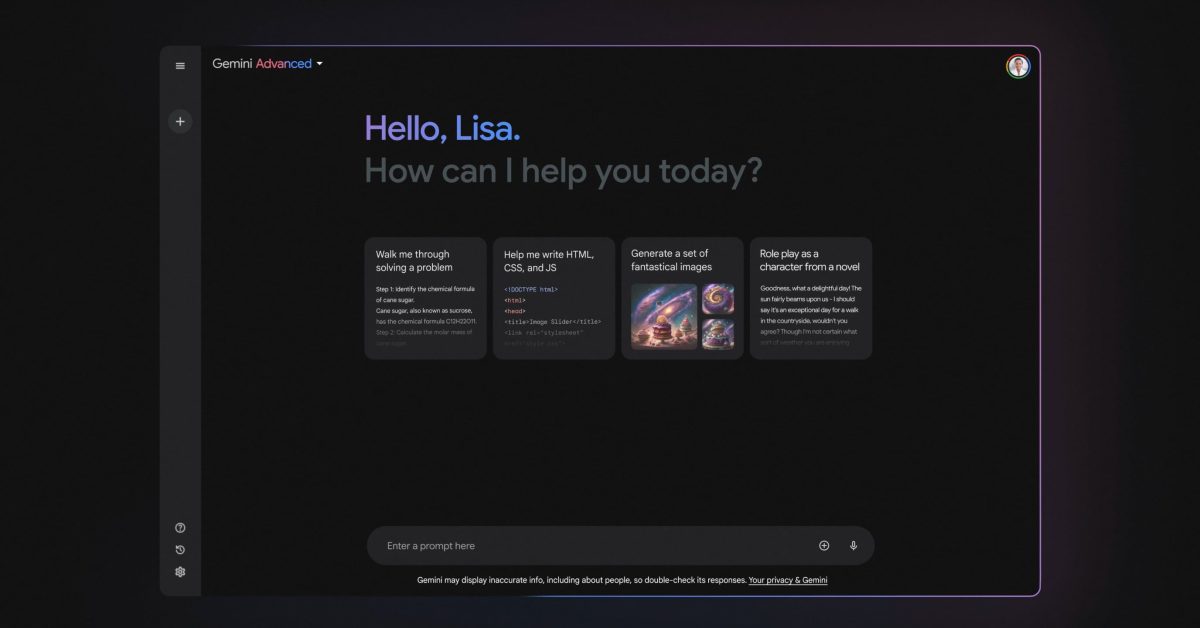
Google's Gemini now allows users to fine-tune and modify responses by selecting and editing specific parts of the generated text, offering options to regenerate, shorten, lengthen, or remove text. However, there are limitations on what can be modified, such as responses from extensions or those containing code. This feature aims to provide users with more control over the creative process and is currently rolling out in English on the Gemini web app.

YouTube Music's web app is beginning to roll out support for offline downloads, allowing users to download albums, singles, playlists, podcasts, and songs for offline listening. The feature includes a new Downloads tab on the Library page and a 30-day restriction requiring an active internet connection. This update addresses the lack of native desktop apps for YouTube Music and is currently available for Chrome, Edge, Firefox, and Opera users.
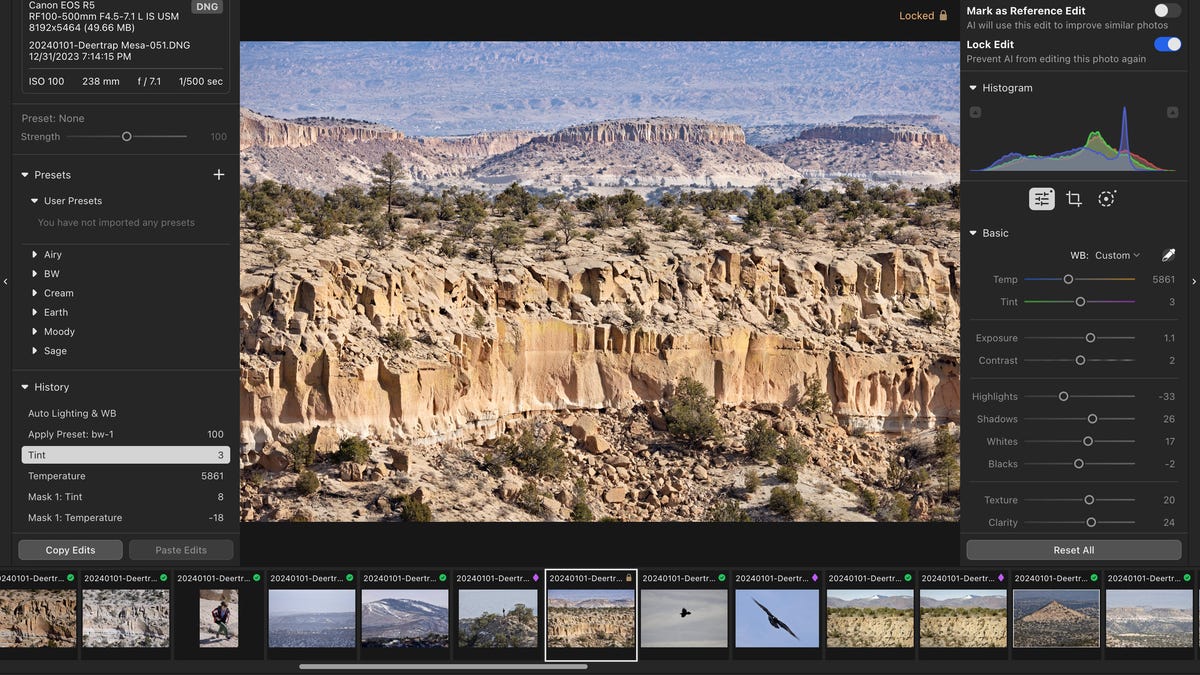
Polarr Next, a Lightroom competitor, has introduced a web app that uses AI to learn and automatically apply a user's editing style to other photos. The software, currently in beta testing, aims to streamline photo editing processes, particularly for professionals like wedding photographers. While it offers advantages such as frequent updates and easy accessibility, it lacks certain features present in Lightroom and stores photos locally rather than in the cloud.
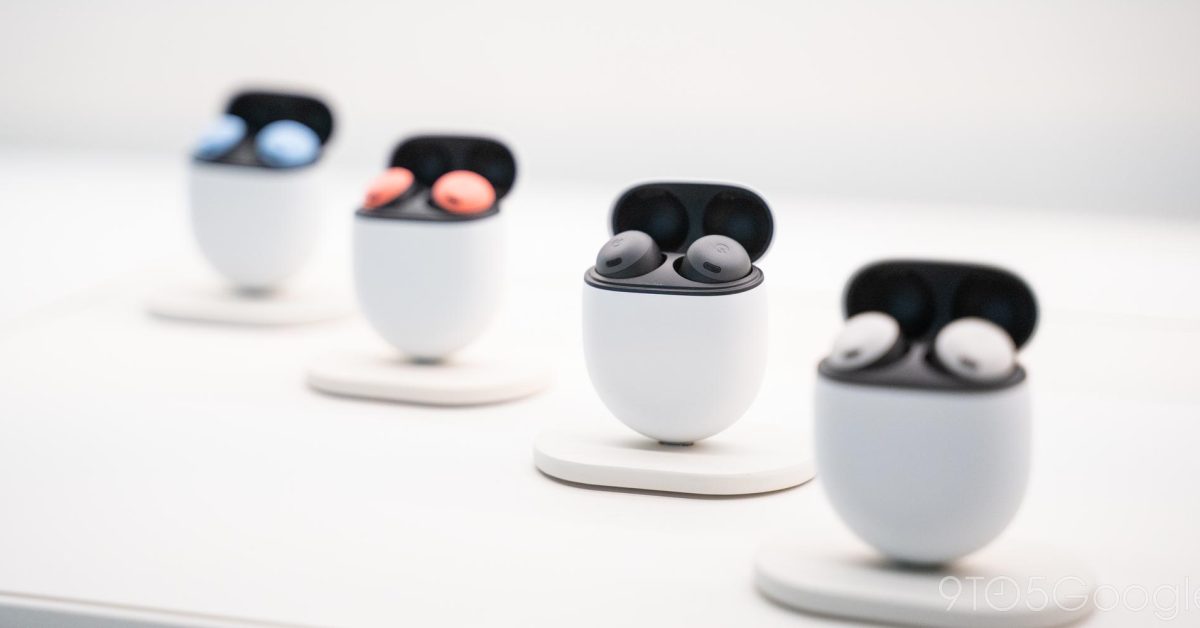
Google has released a Pixel Buds web app for Chromebooks, allowing users to access various settings and features of the Pixel Buds Pro. The web app provides options for controlling active noise control, conversation detection, multipoint, touch controls, and an equalizer. Users can also update the firmware of their Pixel Buds Pro without an Android device. While currently only available on ChromeOS, Google hints at potential support for other operating systems in the future.
Threads by Instagram is set to release a web version this week, fulfilling a highly desired feature for users. The platform initially gained popularity with over 100 million users in its first week but has since seen a decline in daily active users. The web version will offer better search functionality and is currently in testing. The release comes at a time when Twitter has put its power user tool, Tweetdeck, behind a paywall.
Google Messages on the web now supports direct reply to RCS chats, allowing users to reply to messages directly from the web interface. This feature, previously available only on the Android app, has been a highly-requested capability. However, direct replies are not yet available on Android tablets. Additionally, Messages for Wear OS has been updated with a new design for suggested replies, possibly in preparation for design language tweaks coinciding with Wear OS 4.
Google Messages on the web now supports direct replies to RCS chats, bringing a feature that was previously only available on Android. Users can now reply to messages directly on the desktop web client, similar to the Android app. This update addresses a highly-requested capability and enhances the user experience. However, direct replies are not yet available on Android tablets. Additionally, Messages for Wear OS has received a new design for suggested replies, possibly in preparation for upcoming design language tweaks.

Optic's free web-based app, "AI or Not," claims to identify images generated by artificial intelligence (AI) by uploading them or providing a URL. The platform uses advanced algorithms and machine learning techniques to analyze images and detect signs of AI generation. While it was successful in identifying some AI-generated images, it struggled with others, indicating that it still has room for improvement. Optic positions its service as a tool to help users identify AI-generated images to avoid issues such as fraud or misinformation.
Google Chat's web app is adding Smart Compose, a feature that suggests text to complete sentences and make writing messages faster and easier. Smart Compose is enabled by default for all Google Workspace customers and users with personal Google Accounts, and supports English, Spanish, Portuguese, French, and Italian. The feature is rolling out starting today and will be fully available over the coming weeks.
iOS 16.4 brings new features including a reworked Home architecture for efficiency, reliability, and speed, 21 new emojis, and the ability for web apps added to your home screen to send push notifications using the HTML5 standard Web Push API. Users will need to update all their Apple devices, especially Home Hubs, for the new Home architecture to work smoothly.