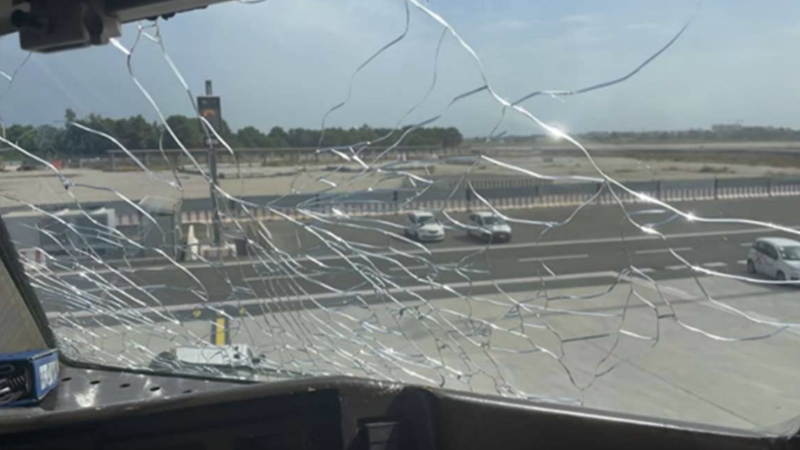
A Delta flight in 2023 took off into a severe hailstorm in Italy without reviewing all available weather data, resulting in significant damage to the aircraft. Investigators found that the crew's delayed decision to change course and lack of access to satellite radar images contributed to the incident. Delta has since emphasized the importance of storm avoidance and upgraded some aircraft weather radars.
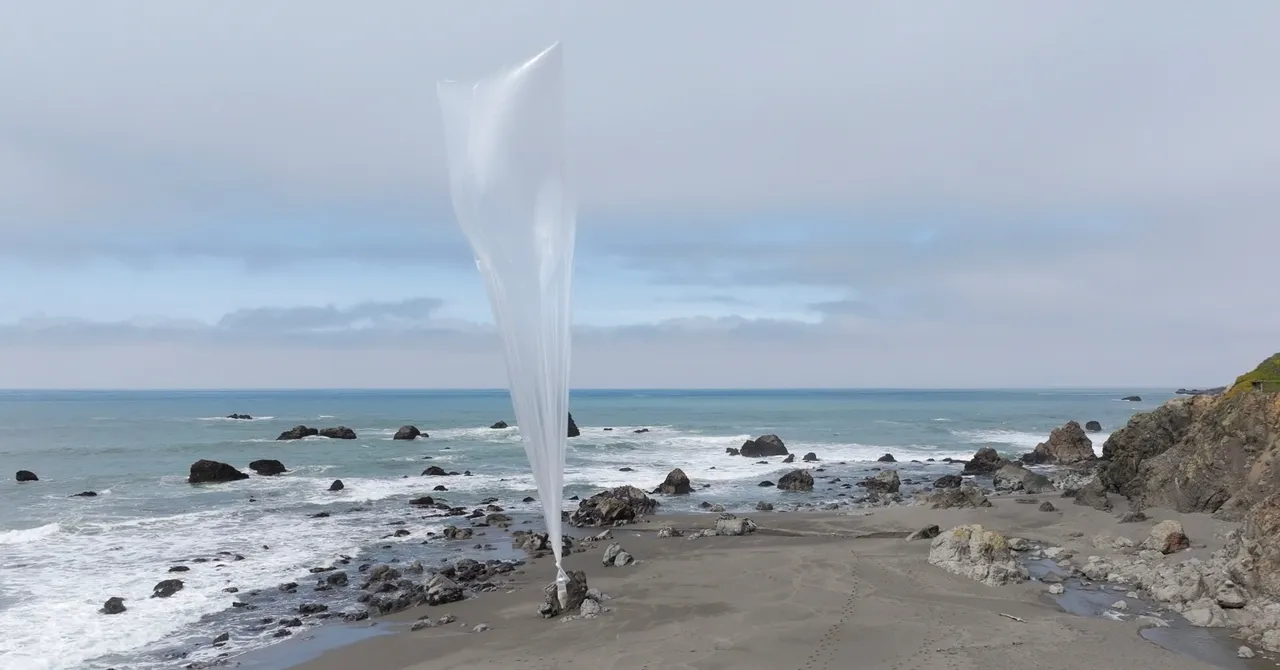
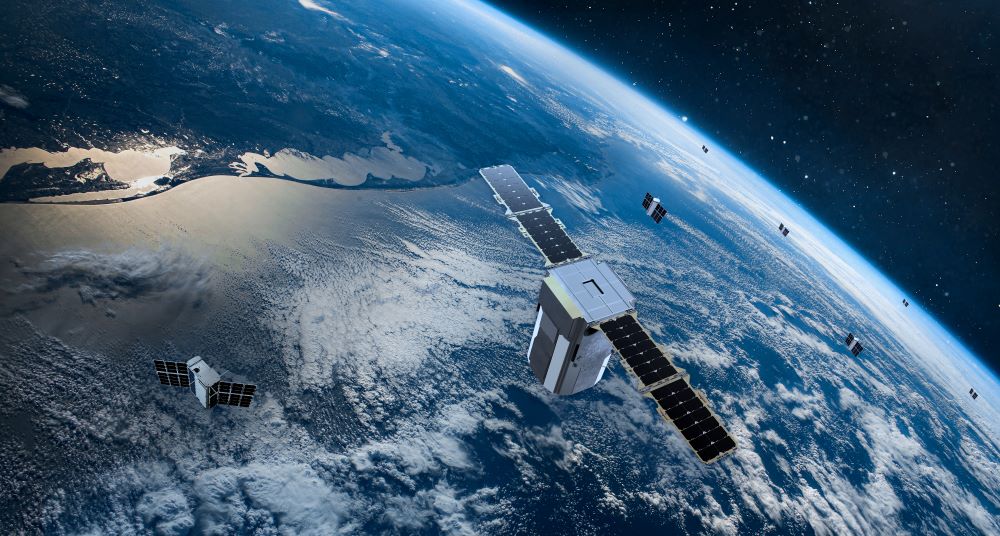
Private company WindBorne is deploying weather balloons to collect atmospheric data, offering a cost-effective alternative to traditional radiosondes. While their data is currently free, they plan to sell some of it after a 48-hour delay. The company’s balloons gather extensive horizontal data, which differs from the vertical profiles collected by radiosondes, raising concerns about long-term climate data consistency. NOAA is exploring new atmospheric observation systems, including commercial balloons, to supplement or replace existing methods, amid trust issues with current strategies.
Frustration with NOAA's short-term data purchase contracts for weather data from private companies was voiced at the American Meteorological Society's annual meeting. Industry executives expressed concerns about the impact of short-term contracts on their ability to invest in satellite constellations and develop new applications. NOAA defended its approach, citing the need to obtain the best value for the government given the allocated funding. The slow pace of integrating commercial data into operational forecasts was attributed to the paradigm shift and mismatched decision cycles between government and private sectors. Suggestions were made to emulate U.S. intelligence agency programs to build long-term partnerships with industry.
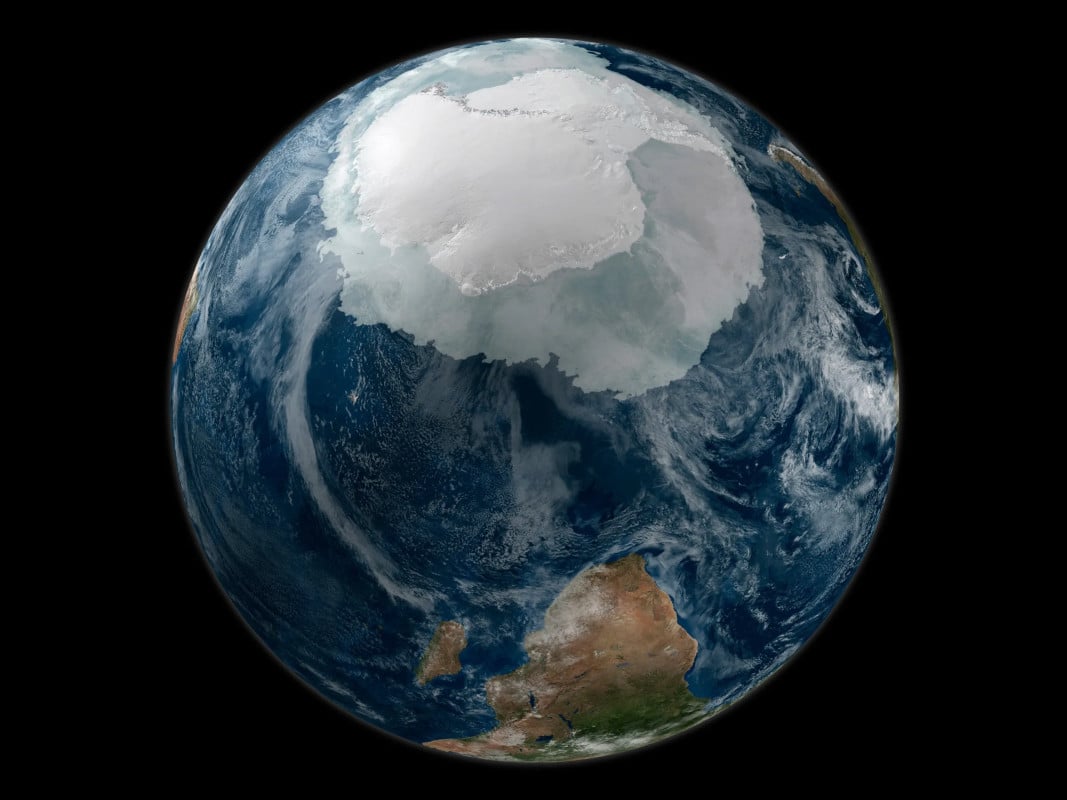
The Chinese satellite Fengyun-3E is using innovative radar technology to monitor Antarctic sea ice and gather data on wind patterns, distinguishing between new and old ice formations. Placed in an early morning orbit, it can capture detailed information using long shadows cast by the sun. The satellite's data will aid in improving climate models and understanding sea ice behavior, with potential applications beyond academia, as weather satellites often broadcast unencrypted data accessible to anyone.
IBM is selling its weather unit, which includes The Weather Channel, Weather.com, Weather Underground, and Storm Radar, to tech-focused private equity firm Francisco Partners. The deal also includes the weather unit's forecasting science and tech platform, as well as enterprise data services. Francisco Partners plans to pivot part of the weather business to be more consumer-facing, focusing on health and well-being tools. IBM will retain access to the company's weather data for its artificial intelligence models. The sale aligns with IBM's strategy shift towards software, cloud services, and AI.
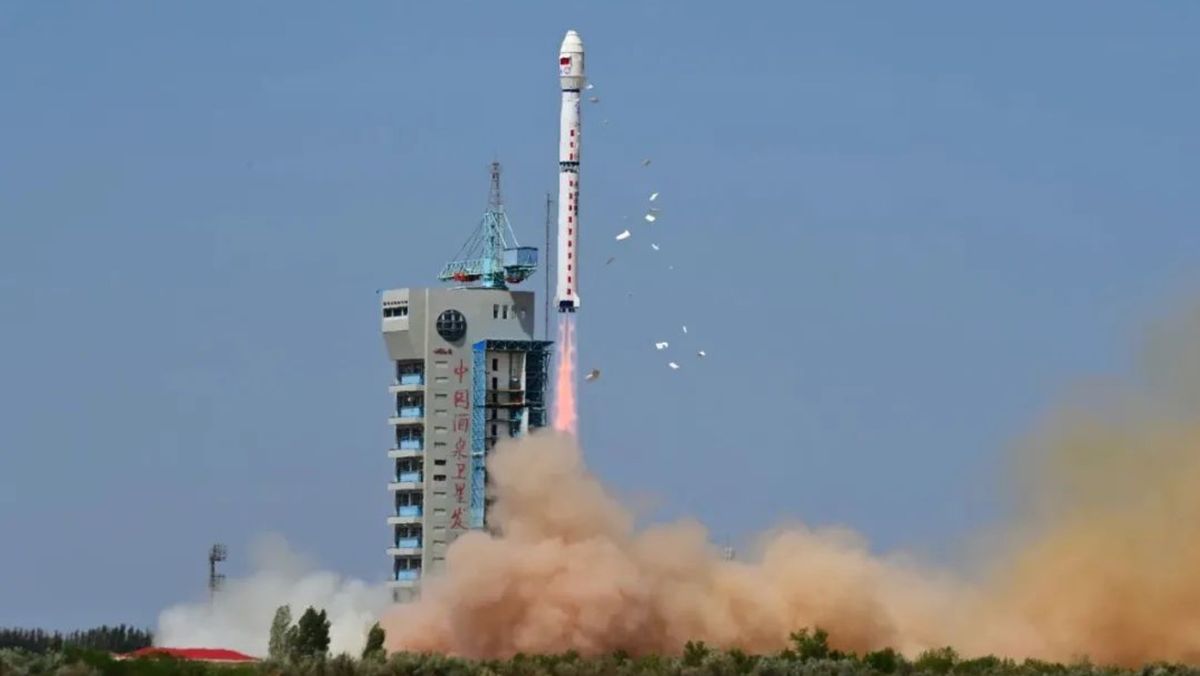
China successfully launched the Fengyun-3F meteorological satellite into orbit, replacing the Fengyun-3C satellite. The satellite, developed by the Shanghai Academy of Spaceflight Technology, carries 10 payloads for weather data collection, including instruments for tracking ozone. It will be used for climate change research and atmospheric environment studies. China now has four near-Earth orbit meteorological satellites in different orbits, making it the only country with such a configuration. This launch marks China's 32nd orbital launch of 2023, with plans to launch around 200 spacecraft this year.