

Tag

Wb 57 Jets

All articles tagged with #wb 57 jets

"Unveiling Solar Secrets: NASA's Jet-Powered Pursuit"
science-and-technology1 year ago

"Unveiling Solar Secrets: NASA's Jet-Powered Pursuit"

NASA's WB-57 jets will capture unprecedented views of the 2024 solar eclipse, studying the solar corona and ionosphere to improve understanding of solar and atmospheric dynamics. The high-altitude flights aim to provide enhanced views and data collection opportunities, offering insights into the Sun's influence on Earth and aiding in the search for near-Sun asteroids. The experiments will measure the temperature and chemical composition of the corona, study the effects of the Moon's shadow on the ionosphere, and capture new information about structures in the middle and lower corona, potentially revealing new discoveries about the Sun.
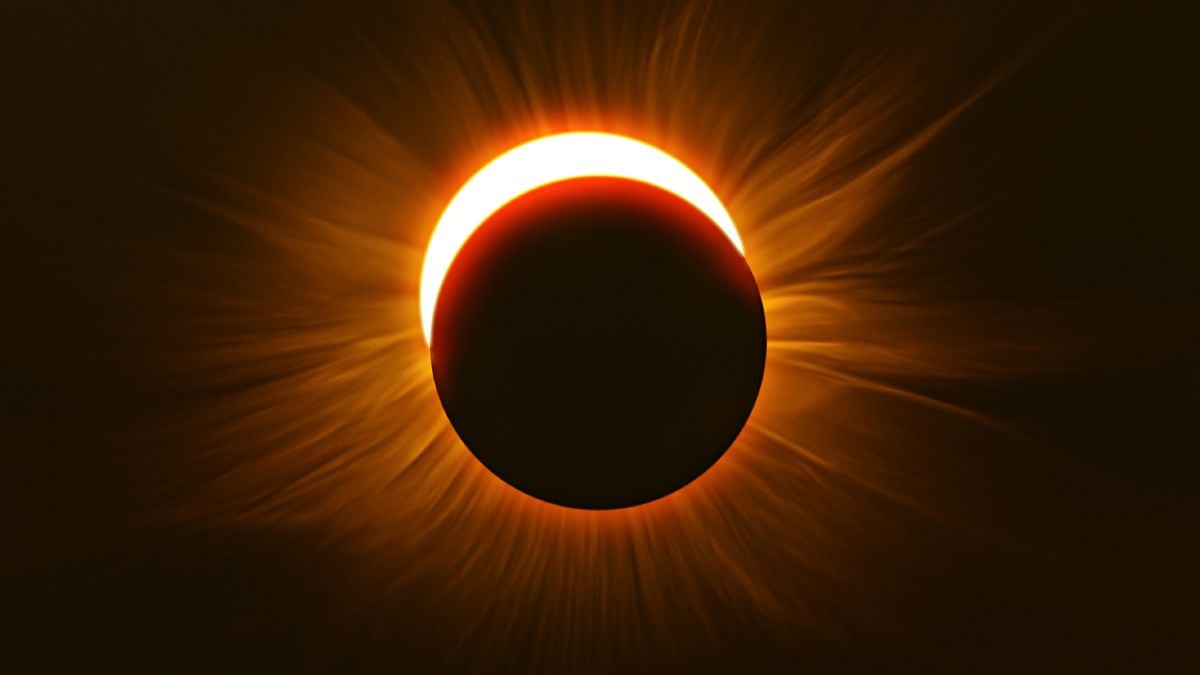

"2024 Total Solar Eclipse: NASA Jets to Chase at 460 mph"
science1 year ago

"2024 Total Solar Eclipse: NASA Jets to Chase at 460 mph"

NASA is deploying two WB-57 jet planes to chase the total solar eclipse on April 8, using special instruments to study the sun's corona and its impact on Earth's ionosphere. The jets will fly at 460 mph to extend the observed totality time by 25%, allowing for more data acquisition. The experiments aim to better understand the corona's structure and temperature, study coronal mass ejections, and measure the effect of the eclipse on Earth's ionosphere.

"2024 Solar Eclipse: NASA Jets, Viewing Tips, and Scientific Observations"
astronomy1 year ago

"2024 Solar Eclipse: NASA Jets, Viewing Tips, and Scientific Observations"

On April 8, a total solar eclipse will be visible across Mexico, 15 U.S. states, and Canada, and NASA will deploy two WB-57 jets equipped with scientific instruments to capture precise measurements of the eclipse. The jets will extend their time in the moon's shadow, allowing for improved understanding of the sun's corona, its impact on Earth's atmosphere, and potential asteroid detection. The high-altitude jets will soar above cloud cover and capture sharper images, while recording specific wavelengths of light to reveal new data about the sun's structures.